
A ceiling should look flat, solid, and quiet. When it starts to dip between joists, pull away near a seam, or develop a soft-looking belly, it is more than a cosmetic issue. Homeowners often ask why ceiling drywall sags, and the answer usually comes down to moisture, inadequate support, failed fasteners, or an installation issue that has gradually become visible.
A sagging ceiling deserves prompt attention. Drywall is heavy, especially once it has absorbed water or has a thick texture coat. What begins as a small low spot can worsen over time, crack at the seams, or in severe cases detach from the framing. The right repair starts with identifying the actual cause, not simply covering the area with joint compound and paint.
Why Ceiling Drywall Sags: The Most Common Causes
Water damage adds weight fast
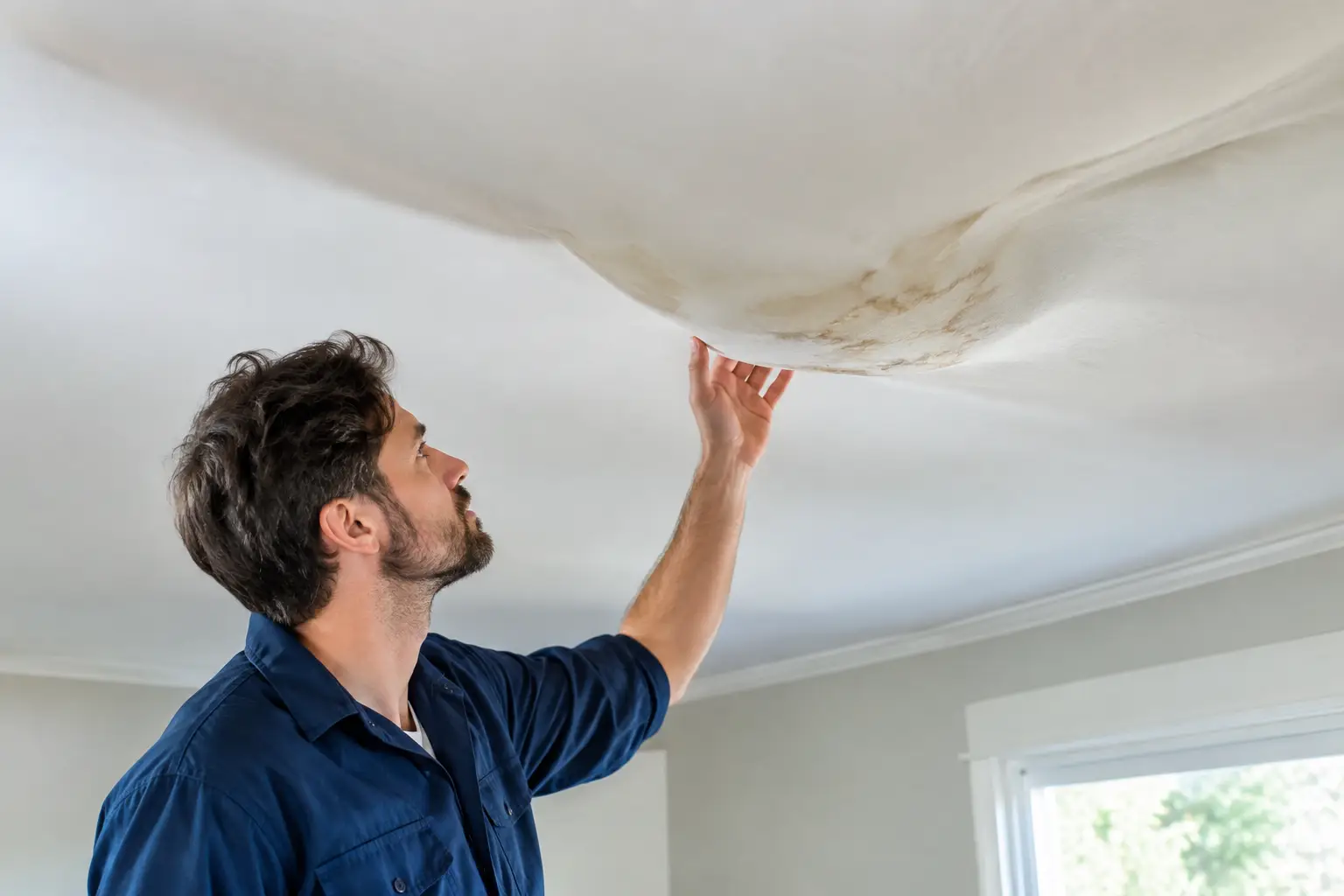
Water is one of the most common causes of a sagging drywall ceiling. A slow roof leak, plumbing leak, overflowing fixture, ice dam, or condensation issue can soak into the gypsum core and paper facing. Once drywall gets wet, it loses strength and becomes noticeably heavier. Fasteners may pull through the softened board, leaving a bubble, bow, or section that drops below the surrounding ceiling.
Water damage is not always obvious. A brown stain, peeling paint, soft texture, or musty odor are clear warning signs, but a hidden leak can cause sagging before discoloration appears. In older homes, a previous leak may have been repaired at the source while the damaged drywall was left in place. Drywall that has already weakened does not regain its original strength after it dries.
If moisture is involved, the leak or humidity problem must be corrected before repair work begins. Replacing the drywall without addressing the source only sets up the same problem again.
Loose fasteners or poor fastening
Ceiling drywall relies on screws or nails to hold each sheet tightly to the framing above. Over time, nails can work loose, screws may fail to hold where the drywall has softened, or a previous installer may not have used enough fasteners. The result is often a gradual sag between attachment points or along a seam.
Older ceilings installed with nails are especially likely to develop nail pops and loose areas as wood framing moves through seasonal temperature and humidity changes. A few visible fasteners do not always tell the full story. If the board is sagging, the installer needs to determine whether the drywall is still structurally sound enough to resecure or whether replacement is the more durable option.
Simply driving screws through a damaged, wet, or crumbling sheet is rarely a lasting repair. The screw head can pull through the weakened gypsum, and the sag will return.
Drywall that is too thin for the span
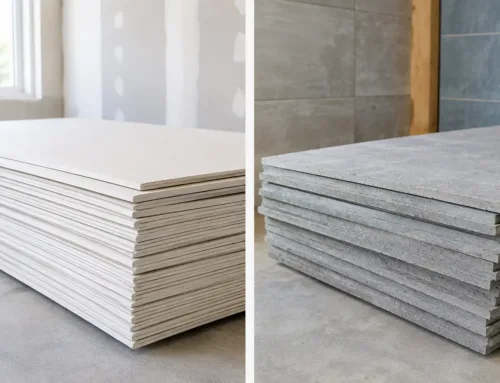
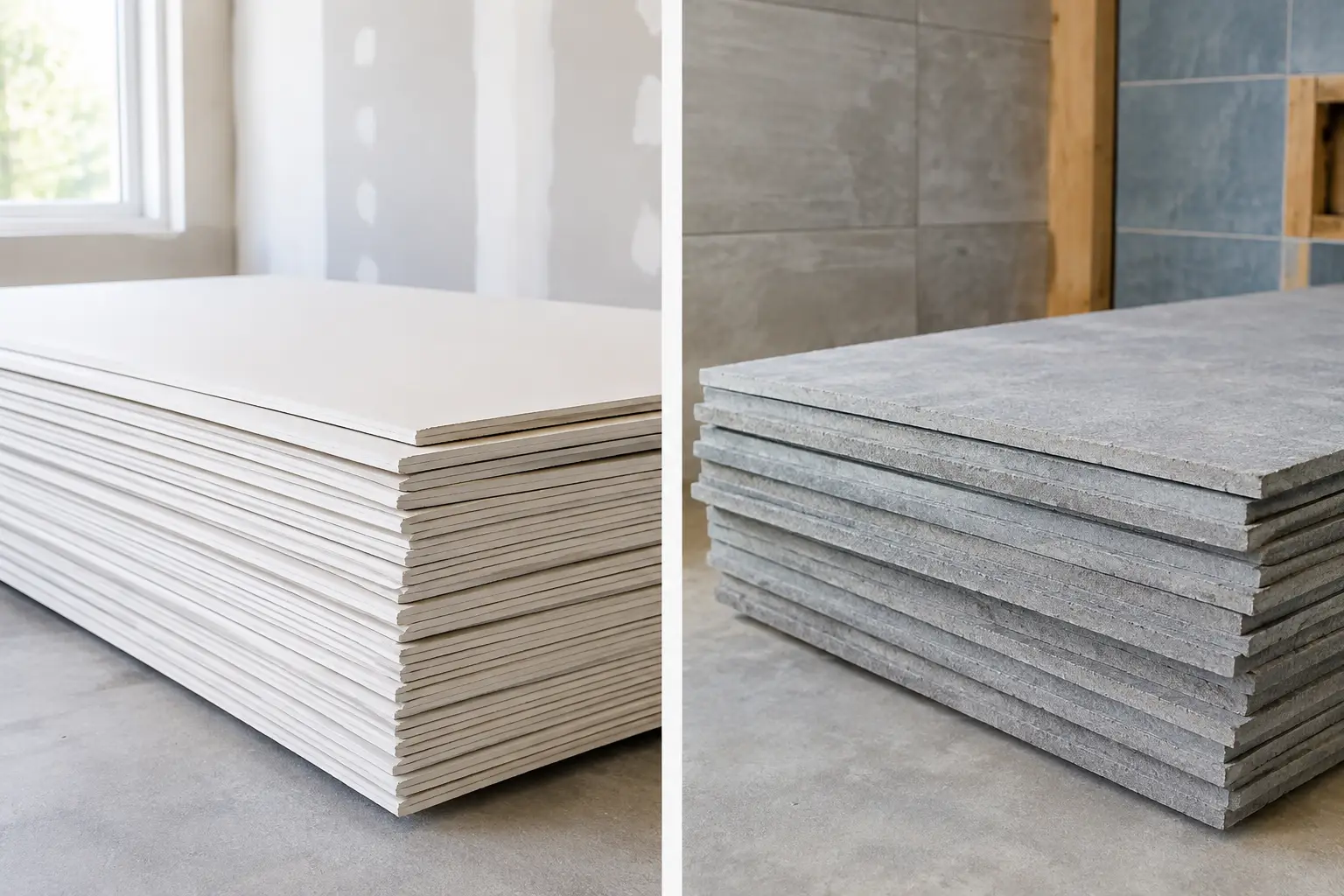
Ceilings need the correct drywall thickness for the framing layout. Half-inch drywall is commonly used on ceilings where joists are spaced appropriately, while 5/8-inch board provides greater stiffness and is often the better choice for wider spacing, longer spans, or ceilings that need added fire resistance.
When thin drywall is installed across framing that is spaced too far apart, the sheet can flex and slowly sag. This may be most noticeable in the center of a room or between joists. Heavy ceiling textures, multiple coats of joint compound, or insulation resting on top of the drywall can add enough weight to expose the problem.
The solution depends on the framing and condition of the ceiling. In some cases, a professional can add support and install a new layer. In others, removing the affected material and installing the proper board thickness produces a cleaner, more dependable result.
Excessive weight above the ceiling
Insulation belongs above the ceiling, but it should not create unusual pressure on drywall. Heavy, compacted insulation, stored materials in an attic, or construction debris left on top of the ceiling can contribute to sagging. Blown insulation can also shift into an area and create extra load, particularly if the ceiling was already under-fastened.
This is not a reason to remove useful insulation without a plan. The goal is to inspect the attic or cavity, correct the excess load or installation problem, and restore the ceiling with materials suited to the space. A repair should account for what is happening above the drywall, not only what is visible below it.
Framing movement and structural issues
Wood framing naturally expands and contracts. Trusses can move with seasonal moisture changes, and homes settle over time. Minor movement can create small cracks at ceiling-to-wall corners or along taped joints. That is common and does not automatically mean the drywall is sagging.
A noticeable dip, a ceiling pulling away from several framing members, or recurring cracks paired with movement may point to a larger framing concern. Roof leaks, damaged trusses, undersized framing, and alterations made during remodeling can all affect the ceiling plane. A drywall repair contractor can identify whether the drywall itself is the issue or whether a carpenter, roofer, or plumber should address conditions before the finish is restored.
When a Sagging Ceiling Needs Immediate Attention
Some ceiling problems can be scheduled for repair, but others should be treated as urgent. Stay out from under the affected area and avoid disturbing it if the drywall is visibly hanging, severely bowed, cracked in a wide pattern, wet to the touch, or actively dripping. Turn off electricity to the area if water may have reached a light fixture, ceiling fan, or wiring, and call the appropriate professional.
Do not puncture or cut into a bulging ceiling to release water unless you understand the situation and can do so safely. The ceiling may contain more water than expected, and there may be electrical hazards or weakened material ready to fall. A controlled inspection protects both the room and the people in it.
A smaller, dry-looking sag still deserves evaluation. Waiting can turn a contained repair into a larger replacement, particularly when moisture or loose fasteners continue to affect the surrounding sheets.
How a Professional Repair Should Be Handled
A durable ceiling repair is more involved than adding mud over a crack. First, the cause has to be found. That may mean checking for plumbing leaks, roof issues, attic conditions, failed fasteners, insulation load, or framing concerns.
Once the source is corrected, damaged drywall should be removed where necessary. The framing is inspected and reinforced if needed, then new drywall is installed with proper fastener spacing. The repair is taped, finished, sanded, and blended into the existing surface. For textured ceilings, matching the surrounding pattern matters just as much as making the repair solid. A patch that is structurally sound but visibly different can still make the entire ceiling look unfinished.
There is a trade-off between a small repair and replacing a larger section. A limited patch can be efficient when the drywall is dry, stable, and damage is contained. If several sheets are loose, water has traveled beyond the visible stain, or the original installation was inadequate, broader replacement is often the better value. It creates a consistent surface and avoids chasing new cracks or sags around the room later.
Can You Repair a Sagging Ceiling Yourself?
Minor cosmetic cracking may be manageable for an experienced homeowner, but sagging drywall is different because the cause is not always visible. A ceiling repair can involve overhead demolition, hidden water damage, insulation, electrical fixtures, and large, heavy sheets of drywall. It also takes careful finishing to make a ceiling repair disappear after paint.
If the area is small and you know the drywall is dry and firmly supported, you may be able to address isolated fastener pops. But a soft, bowed, stained, or spreading area should be inspected before any cosmetic work is attempted. Covering it with paint or texture may hide the warning signs without solving the failure behind them.
For homeowners and property managers in Monroe, Downriver, and Southeast Michigan, TDM Drywall provides experienced ceiling repair, drywall replacement, water-damage restoration, and texture matching. With more than 32 years of hands-on experience, our family-run team focuses on clean workspaces, clear communication, and paint-ready finishes that hold up.
A sagging ceiling is your home or building telling you something has changed above the surface. Address it while the issue is still contained, and the repair can restore both the appearance of the room and confidence in the ceiling overhead.