
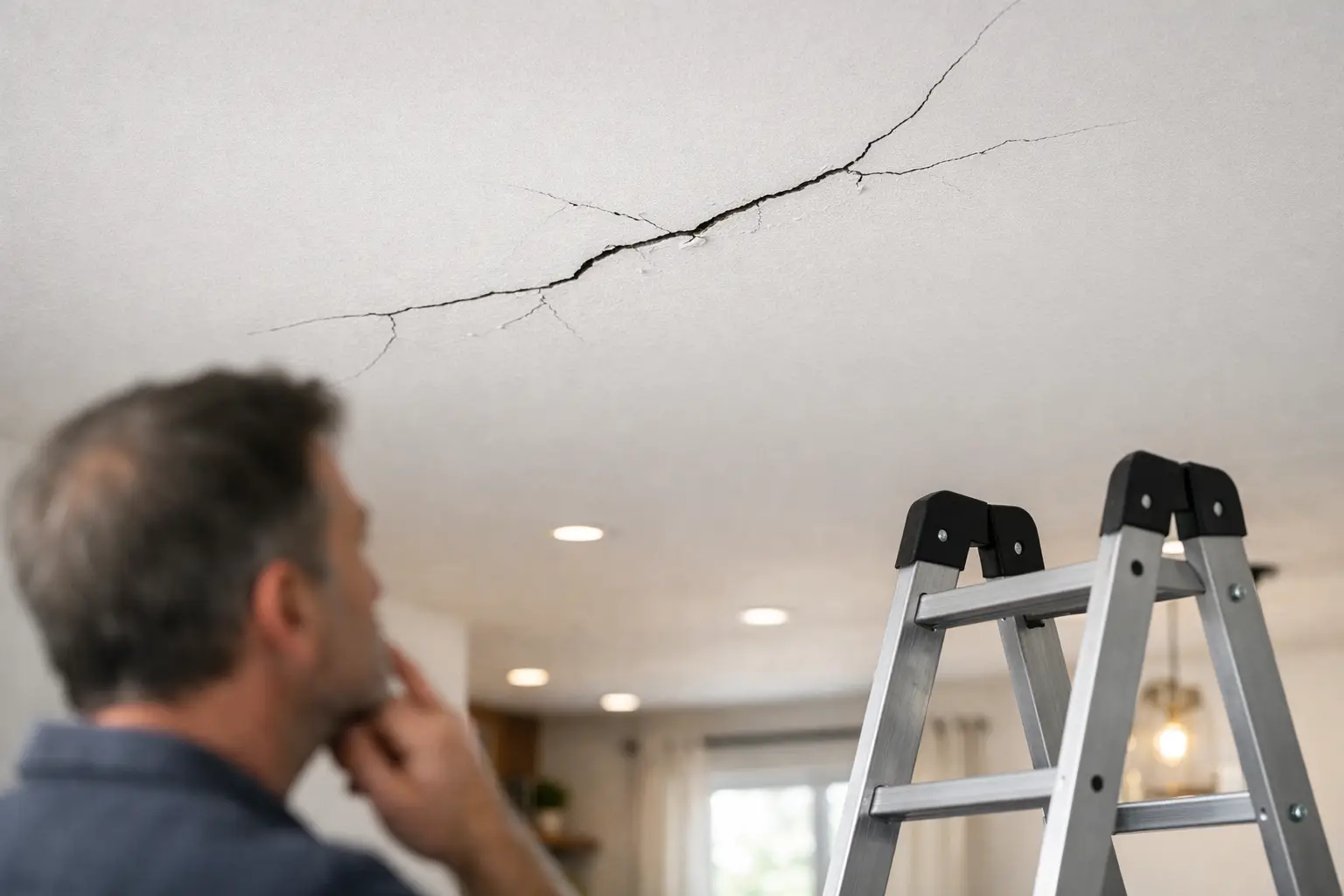
A thin line across a ceiling can be easy to ignore, especially in a busy home. But can ceiling cracks be serious? Sometimes, yes. The crack itself may be a minor finish issue, but it can also be the visible sign of moisture, movement, or a drywall attachment problem above it. Knowing the difference helps you address the right problem before a small repair becomes a larger one.
Can Ceiling Cracks Be Serious?
Not every ceiling crack means your home has a structural problem. Homes naturally shift with seasonal temperature changes, humidity, and normal settling. Drywall joints can also show through over time, particularly in older homes or rooms with wider spans.
Still, ceilings deserve closer attention than a small wall crack. Gravity is working against the material, and a ceiling can hide plumbing, roof leaks, attic condensation, or framing movement. If the crack is growing, accompanied by staining, or causing the ceiling to sag, have someone inspect it promptly rather than simply patching and painting over it.
The most useful question is not just, “How big is the crack?” It is, “What changed around it?” A crack that has been unchanged for years is different from one that appeared after a storm, a plumbing leak, a remodel, or a noticeable shift in a door or window nearby.
Common Ceiling Crack Patterns and What They Can Mean
Straight cracks along drywall seams
Long, straight cracks often appear where two drywall sheets meet. In many cases, this happens because the joint tape has loosened, the compound has aged, or movement has stressed the seam. It is a common repair in homes with drywall ceilings and is usually not a structural emergency.
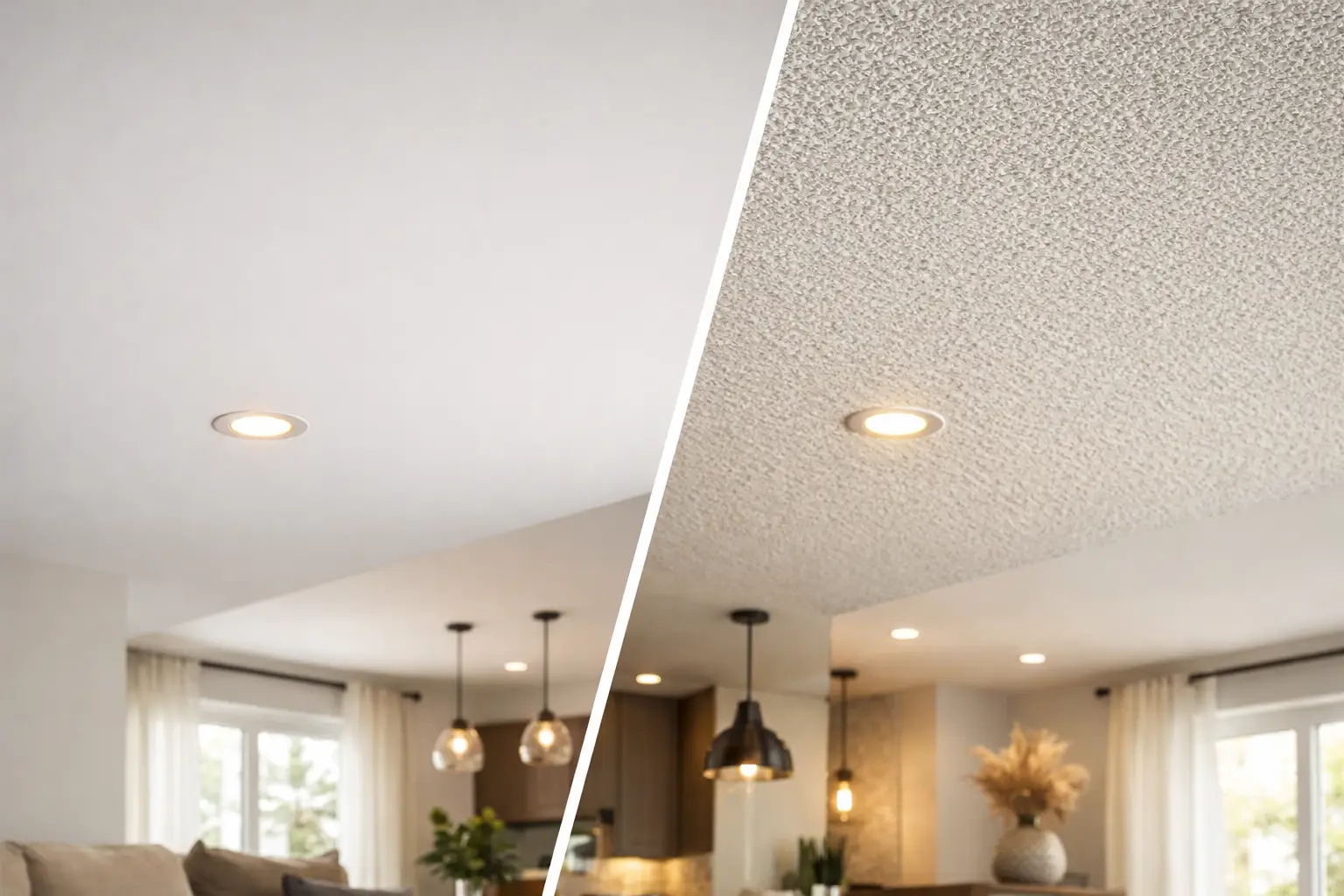
A proper repair involves more than spreading new compound over the line. A crew needs to remove loose material, secure and retape the seam as needed, and finish the surface in thin coats so it blends cleanly with the surrounding ceiling. When texture is present, matching it matters just as much as fixing the crack.
Fine hairline cracks
Hairline cracks may result from normal settling, seasonal expansion and contraction, or minor movement in the framing. These are often cosmetic when they are short, thin, dry, and stable.
Keep an eye on them for a few months. Take a clear photo and note the date. If a hairline crack becomes wider, longer, or develops branching lines, it is time to look beyond a basic cosmetic patch.
Cracks that run across the room
A long crack that crosses much of the ceiling may indicate movement at a drywall seam, but it can also point to truss uplift, framing movement, or an improperly secured ceiling. This is especially worth evaluating if the crack returns after prior repairs.
In Southeast Michigan, seasonal swings can put stress on homes. A repair that looks good in one season can reopen if the underlying movement was never addressed. The right solution depends on whether the issue is limited to the drywall finish or connected to framing, moisture, or ventilation conditions.
Spiderweb or branching cracks
Impact damage, movement, or a failing section of plaster can cause several cracks spreading from one central area. In older homes with plaster ceilings, this pattern can signal that the plaster keys or base layer are losing their hold.
Branching cracks do not automatically mean the ceiling will fall, but they should not be ignored, particularly if the area feels soft, sounds hollow when gently tapped, or has begun to bow. A professional can determine whether the surface can be stabilized and repaired or whether damaged material needs removal and replacement.
Cracks with stains, softness, or sagging
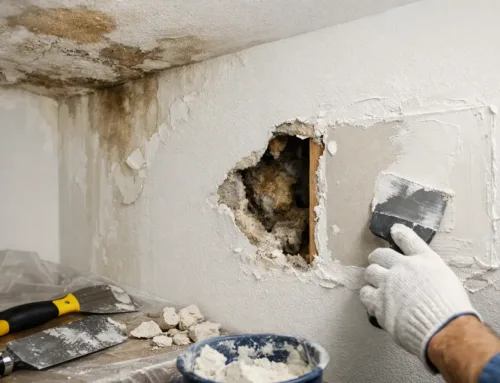
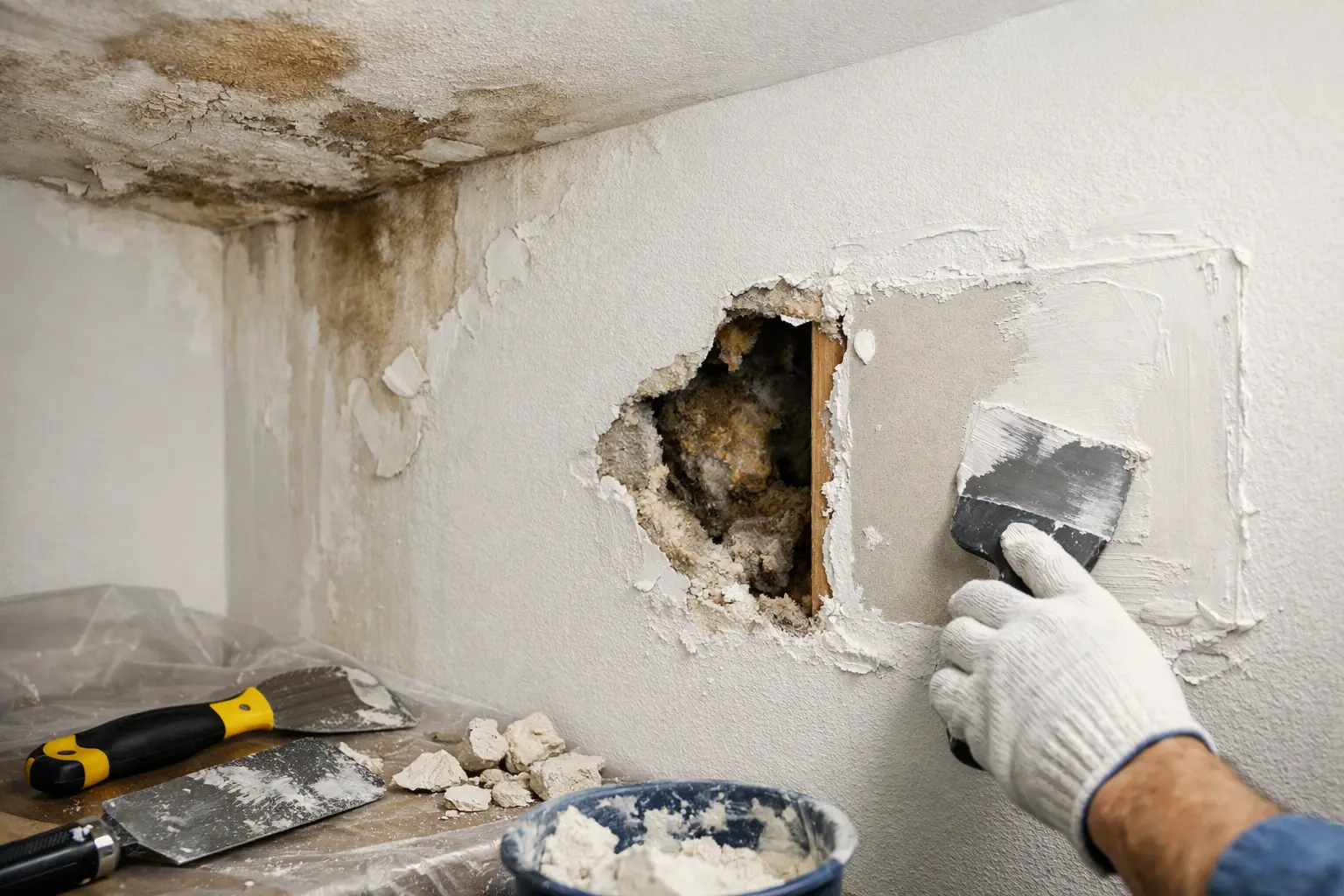
This is the pattern that calls for faster action. Brown or yellow staining, peeling paint, soft drywall, bubbling texture, or a sagging ceiling usually indicates current or past water damage. The source could be a roof leak, plumbing line, bathroom fixture, ice dam, attic condensation, or an appliance above the room.
Do not patch water-damaged drywall until you correct the source of the moisture and the area is fully dry. Covering the stain may improve the appearance temporarily, but wet or weakened material can continue to deteriorate. If the ceiling is actively dripping, bulging, or heavily sagging, stay clear of the area and arrange for a professional to address the water source and ceiling damage immediately.
Signs a Ceiling Crack Needs Prompt Attention
A ceiling crack is more concerning when it is paired with other evidence of change. Watch for these conditions:
- The crack is wider than a hairline, continues to grow, or reopens soon after repair.
- The ceiling has water stains, dampness, bubbling paint, mold-like spotting, or a musty odor.
- The drywall is sagging, bowing, soft to the touch, or separating from the framing.
- Doors and windows in the same area suddenly stick, floors feel uneven, or wall cracks are appearing too.
- The crack developed after a roof leak, plumbing issue, storm damage, major foundation movement, or nearby construction.
If you see a significant ceiling sag or a water-filled bulge, treat it as a safety concern. Do not puncture a bulge from underneath or stand directly below it. Water adds considerable weight, and damaged drywall can fail without much warning.
What Causes Ceiling Cracks in Otherwise Sound Homes?
Ordinary building movement often causes ceiling cracks rather than a serious structural defect. Wood framing expands and contracts. Trusses can move differently from interior partitions as attic temperatures and moisture levels change. Drywall fasteners can loosen, and old joint compound can become brittle over decades.
Work done above the ceiling can also leave its mark. Foot traffic in an attic, electrical or plumbing repairs, insulation work, or a bathroom renovation may disturb drywall seams. A ceiling that an installer did not fasten or finish properly may show problems sooner than one built with the right materials and techniques.
Moisture remains the biggest concern because it changes the repair plan. Drywall that is dry and firmly attached can often be repaired. Drywall that has absorbed water, lost its strength, or developed mold growth may need replacement so the finished ceiling is safe, sound, and paint-ready.
Why Painting Over a Crack Is Rarely a Lasting Fix
Paint can hide a fine crack for a short time, but it does not hold a moving drywall seam together. As the ceiling expands, contracts, or flexes, the line usually returns. Heavy caulk can be tempting, yet it can leave a noticeable ridge and may still split under movement.
A durable repair starts with preparation. That can include checking for moisture, removing failed tape and loose compound, adding the proper fasteners where needed, taping the joint correctly, and building the finish with smooth, controlled coats. Once dry, the repaired area needs to blend with the surrounding surface. On textured ceilings, a mismatch can be as noticeable as the original crack.
The goal is not just to make the line disappear on the day of the repair. It is to correct the damaged area cleanly and give the ceiling the best chance of staying intact.
When to Call a Drywall Professional and When to Call Someone Else
A drywall professional is the right call once you know the cause or have ruled it out and the ceiling needs expert repair, replacement, skim coating, or texture matching. An experienced contractor can also recognize when a crack appears related to something outside the drywall scope.
Call a plumber first when there is an active leak or plumbing concern. Call a roofing professional if the damage follows rain, snow melt, or signs of a roof leak. When you notice major, fast-moving cracks along with foundation concerns, sticking doors, or significant structural changes, a qualified structural professional should evaluate the home before cosmetic repairs begin.
That sequence matters. Repairing the ceiling before solving the source often means paying for the same work twice.
A Clean Repair Starts With an Honest Assessment
Ceiling cracks can be minor, but they are worth reading carefully. A stable seam crack may need a straightforward drywall repair. A stained, sagging, or rapidly changing ceiling needs a faster response and may require other trades before the finish work begins.
For homeowners in Monroe, Downriver, and Southeast Michigan, TDM Drywall brings more than 32 years of hands-on experience to ceiling repairs, water-damaged drywall replacement, plaster repair, and texture matching. The best next step is simple: address moisture or structural concerns first, then have the ceiling repaired with clean workmanship that restores a smooth, durable, paint-ready finish.