
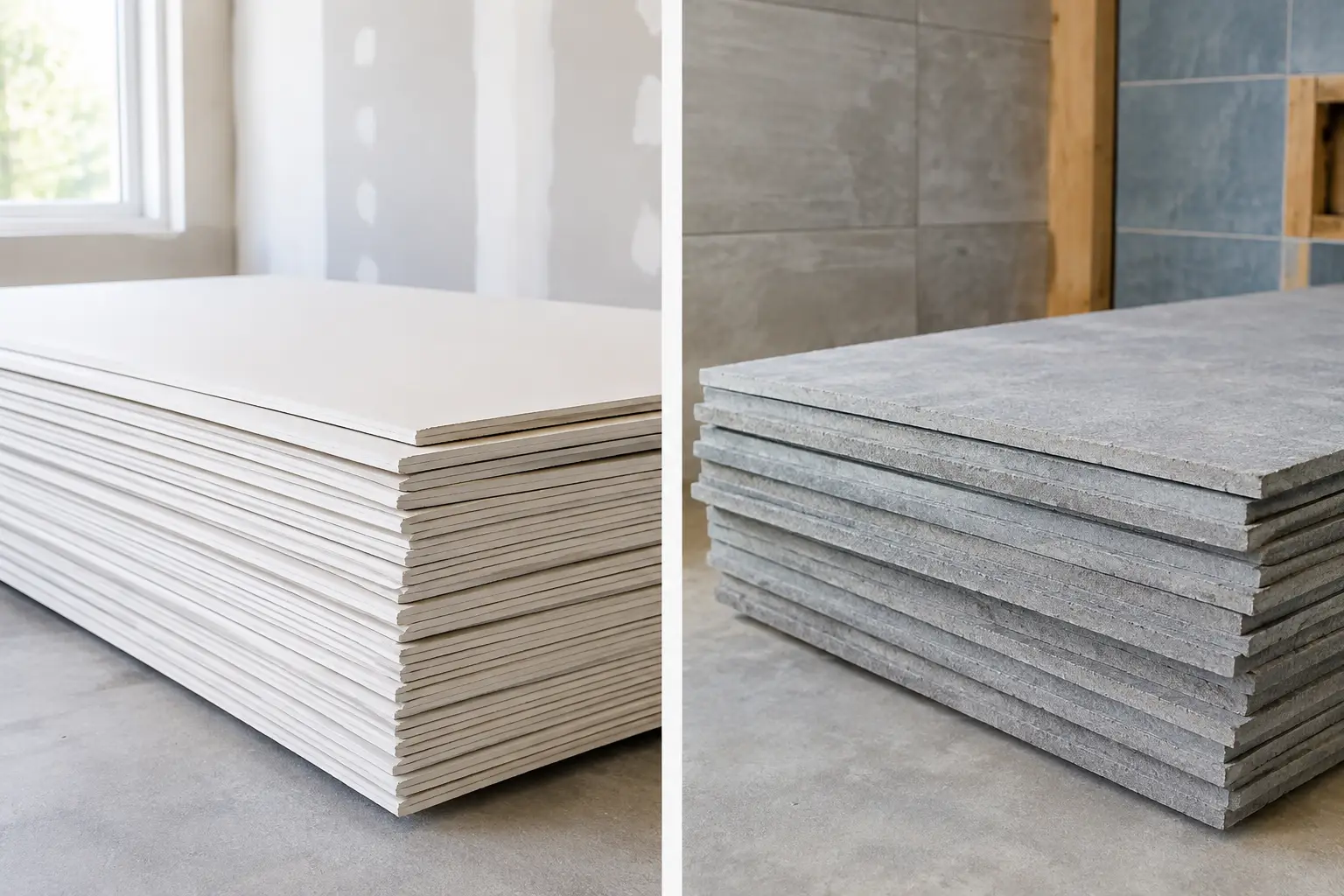
A bathroom remodel can look perfectly framed one day and become an expensive repair the next if the wrong wallboard goes behind the finish. The decision in drywall versus cement board is not about picking the tougher material for every wall. It is about using the right material in the right location, then installing and finishing it correctly.
For most rooms, drywall remains the practical, cost-effective choice. Cement board earns its place where tile, water exposure, and a durable backing demand something different. Knowing the line between those applications helps homeowners, builders, and property managers avoid moisture damage, cracked tile, and unnecessary expense.
Drywall Versus Cement Board: The Core Difference
Drywall is a gypsum panel faced with paper. It is made for interior walls and ceilings, and when installed, taped, finished, and painted properly, it creates the smooth, paint-ready surface people expect throughout a home or commercial space. It is faster to cut, lighter to handle, less expensive than cement board, and easier to repair when damage occurs.
Cement board is a dense panel made with cement and reinforcing fibers or mesh. It does not break down when it gets wet the way standard drywall can. Its main job is to provide a stable substrate behind tile and other finishes in areas exposed to regular moisture.
That distinction matters: cement board is moisture resistant, but it is not automatically waterproof. Water can still pass through its seams, fastener holes, and surface. In a shower or other wet location, the complete assembly needs a proper waterproofing system, not just cement board on its own.
Where Drywall Is the Right Choice
Standard drywall belongs in the majority of interior spaces. Bedrooms, living rooms, hallways, offices, closets, dining rooms, and finished basements with controlled humidity are all typical drywall applications. It is also commonly used on bathroom walls and ceilings that are outside the shower or tub surround.
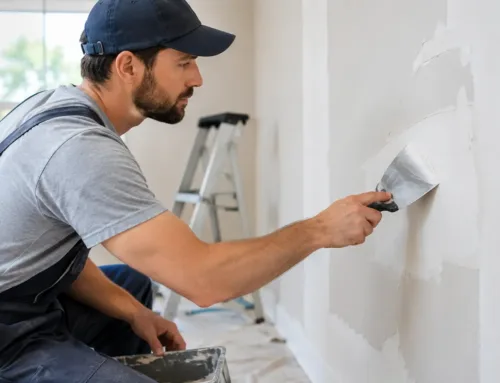
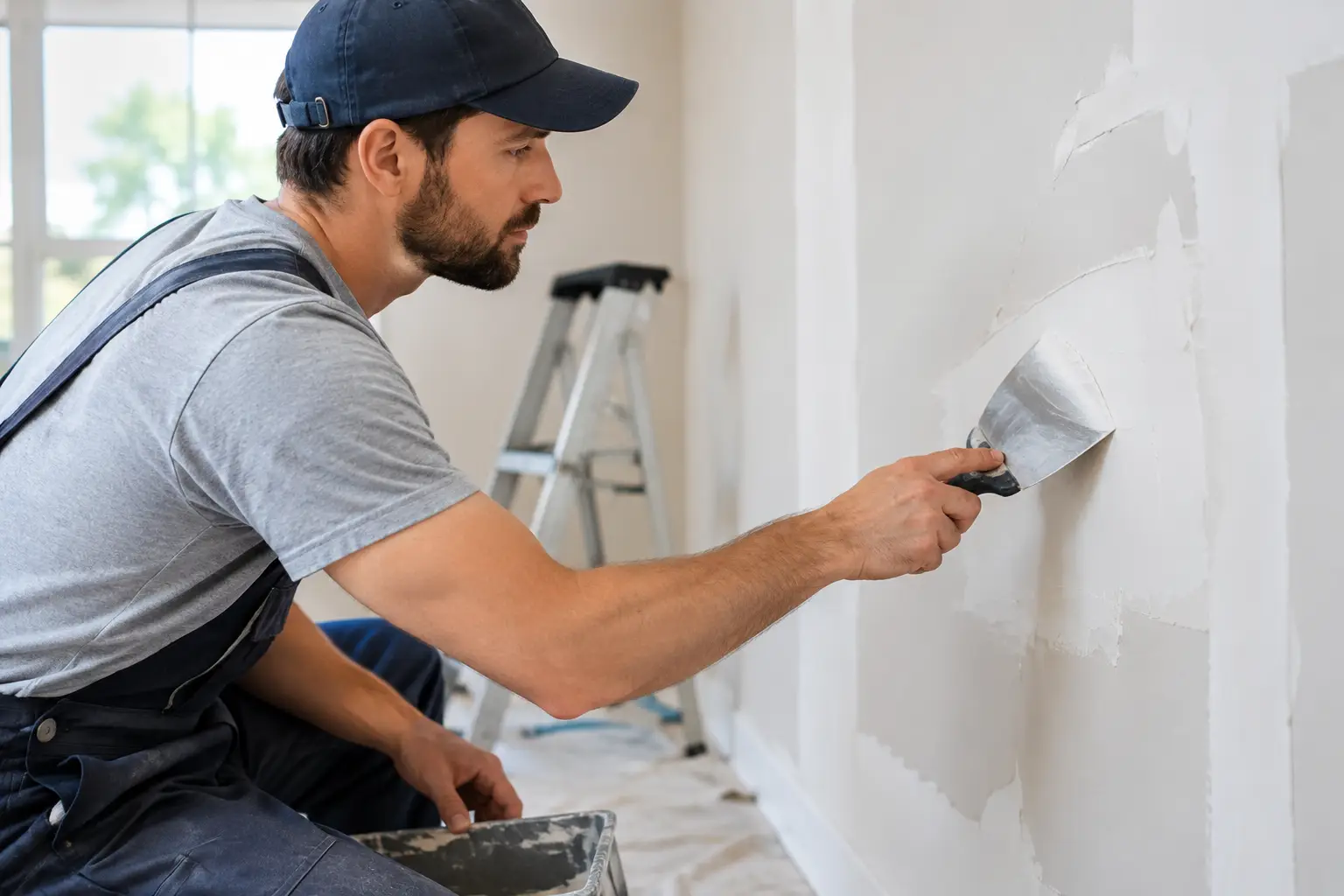
A good drywall finish makes a visible difference once paint goes on. Flat seams, straight corners, smooth repairs, and matched texture keep a remodeled room from looking patched together. For walls that will be painted, cement board is generally a poor substitute because it is rougher, harder to finish, and adds cost without adding meaningful value.
Drywall also comes in specialty forms. Moisture-resistant drywall, often called green board, can be useful in damp but non-wet areas such as a bathroom wall away from direct spray. Mold-resistant panels may be appropriate in some projects as well. These products offer added protection, but they are not a replacement for cement board or a waterproof shower system.
Use Drywall for Painted Walls and Ceilings
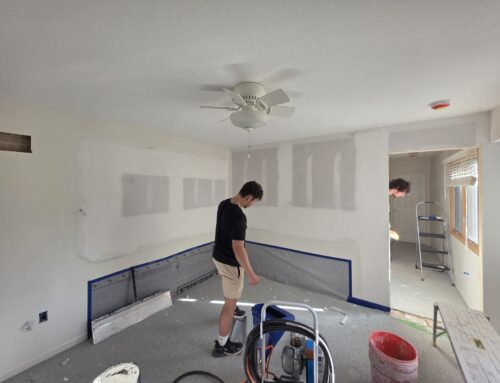
If the final finish is paint, drywall is normally the correct starting point. It accepts joint compound, primer, paint, and most wall textures well. It can also be skim coated to improve the appearance of older walls or blended into a repair after plumbing work, electrical access, or water damage.
On ceilings, drywall is especially practical. Cement board is heavy and difficult to install overhead. Unless a ceiling is part of a specifically designed tile or wet-area system, drywall is the better choice for a clean finish and manageable installation.
Where Cement Board Belongs
Cement board is most often used behind tile in wet or high-moisture areas. The most familiar example is a shower surround. It may also be used around a bathtub where the tiled surface receives regular water exposure, as a tile underlayment on certain floors, or behind tile in a laundry or utility area when the project calls for it.
The key question is not whether the room has water. Kitchens and bathrooms both have water, but a painted kitchen wall behind a sink does not face the same conditions as a tiled shower wall. Direct, repeated water exposure is what changes the material decision.
For a tiled kitchen backsplash, standard drywall can often serve as the backing because the area is not constantly soaked. For a shower, drywall should not be used behind tile unless a specific approved waterproof wall-panel system is designed for that application. Traditional drywall and tile alone are not a reliable shower assembly.
Cement Board Needs Proper Waterproofing
A cement board shower installation is only as good as the waterproofing details. Seams should be reinforced with the appropriate mesh tape and thinset mortar. Fasteners must be installed correctly, and gaps around fixtures, corners, and transitions need proper treatment.
Depending on the system, waterproofing may be installed behind the cement board or applied over its face as a liquid or sheet membrane. The exact approach matters because combining materials incorrectly can trap moisture where it cannot dry. This is one reason shower walls are not a place to guess, mix methods, or take shortcuts.
A properly built shower also needs attention at the tub flange, shower pan, niches, benches, and plumbing penetrations. Those details are where many failures begin. Tile and grout are finish materials, not the primary waterproof barrier.
Cost, Installation, and Repair Trade-Offs
Drywall costs less in both material and labor for a typical painted wall. It is easier to transport, score and snap, hang, tape, finish, sand, and repair. For a homeowner updating a bedroom, finishing a basement, or repairing a damaged ceiling, drywall is the logical choice.
Cement board is heavier, dustier to cut, and harder on tools. It usually requires specialized scoring, shears, or a saw with dust control. It is not intended to be finished like drywall, so installing it in a room that will be painted creates more work and a poorer final surface.
On the other hand, cement board can protect the structure behind a tiled wet area when paired with the right waterproofing. Paying for the correct assembly upfront is far less costly than removing loose tile, damaged framing, insulation, and mold-affected drywall after a shower leak develops.
Repair is another practical difference. A small hole in drywall can often be patched, blended, and painted with limited disruption. A damaged cement board wall behind tile may require tile removal, waterproofing repairs, replacement board, and careful rebuilding of the finish. The best repair strategy depends on the source of the damage and whether moisture has reached the framing.
Common Mistakes to Avoid
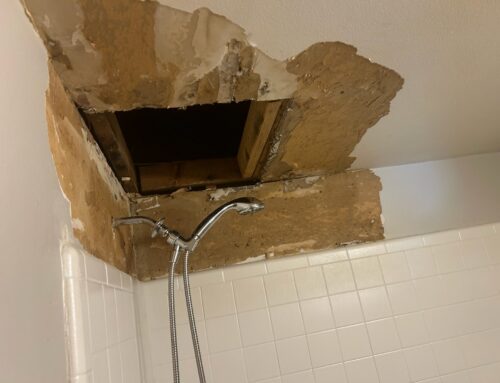
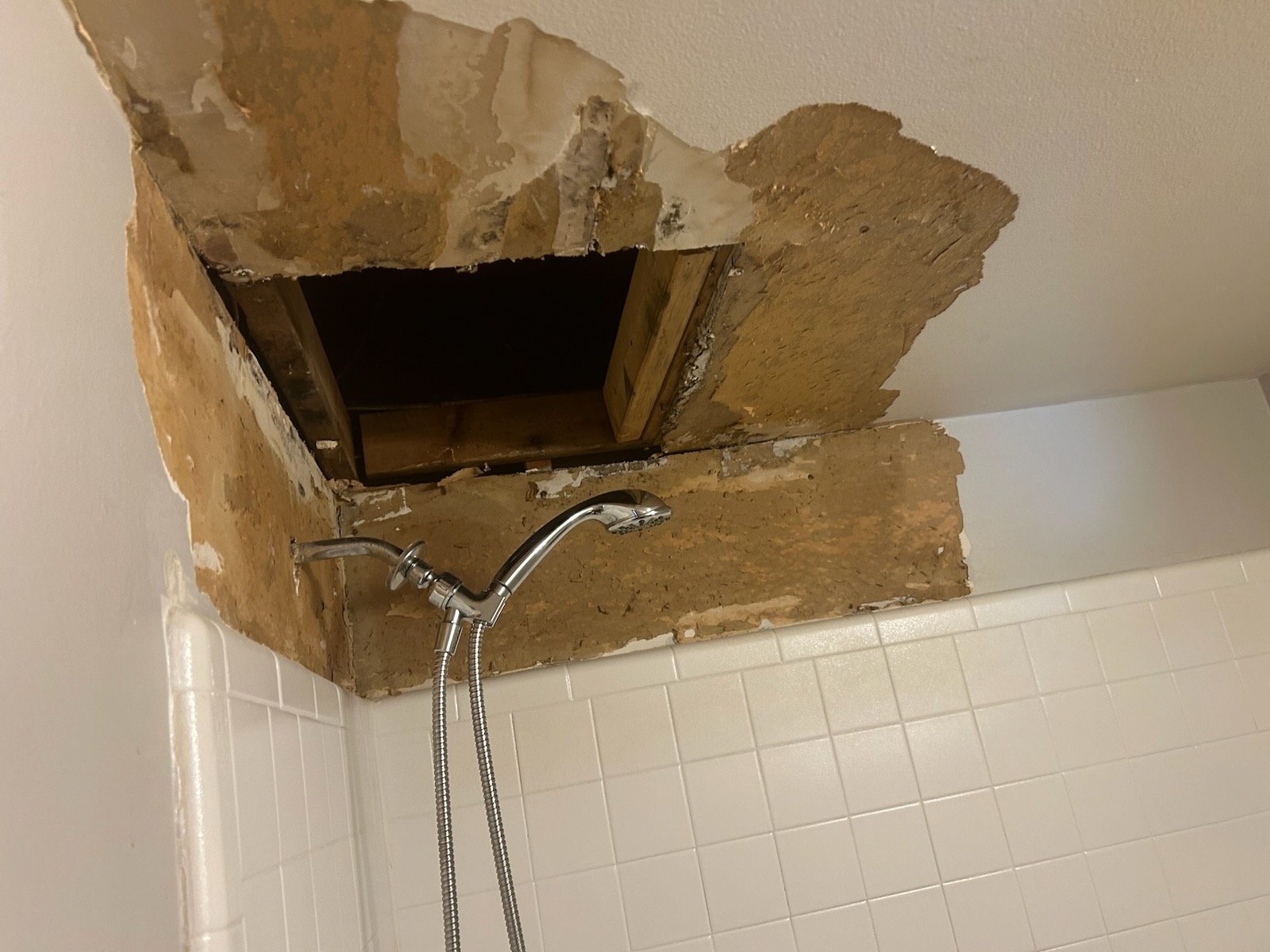
The biggest mistake is using standard drywall in a tiled shower simply because tile will cover it. Tile does not make drywall waterproof. Once moisture gets behind the tile through a failed grout joint, cracked caulk, or plumbing issue, paper-faced drywall can soften and deteriorate.
Another common mistake is assuming cement board makes every moisture concern disappear. It resists water damage, but it does not stop water from reaching the wall cavity unless the full waterproofing system is handled correctly.
It is also easy to overbuild. Putting cement board on every bathroom wall, ceiling, or painted area adds expense and makes finishing harder without improving the project. A well-planned bathroom often uses both materials: cement board and waterproofing in the shower area, drywall on the remaining painted walls and ceiling.
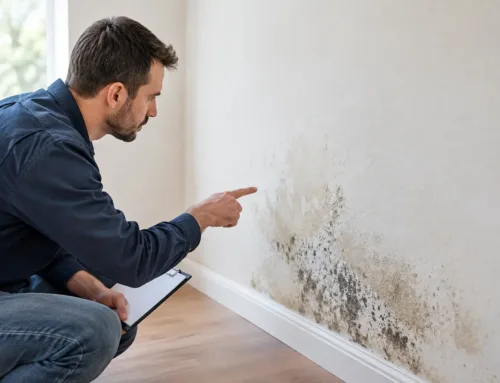
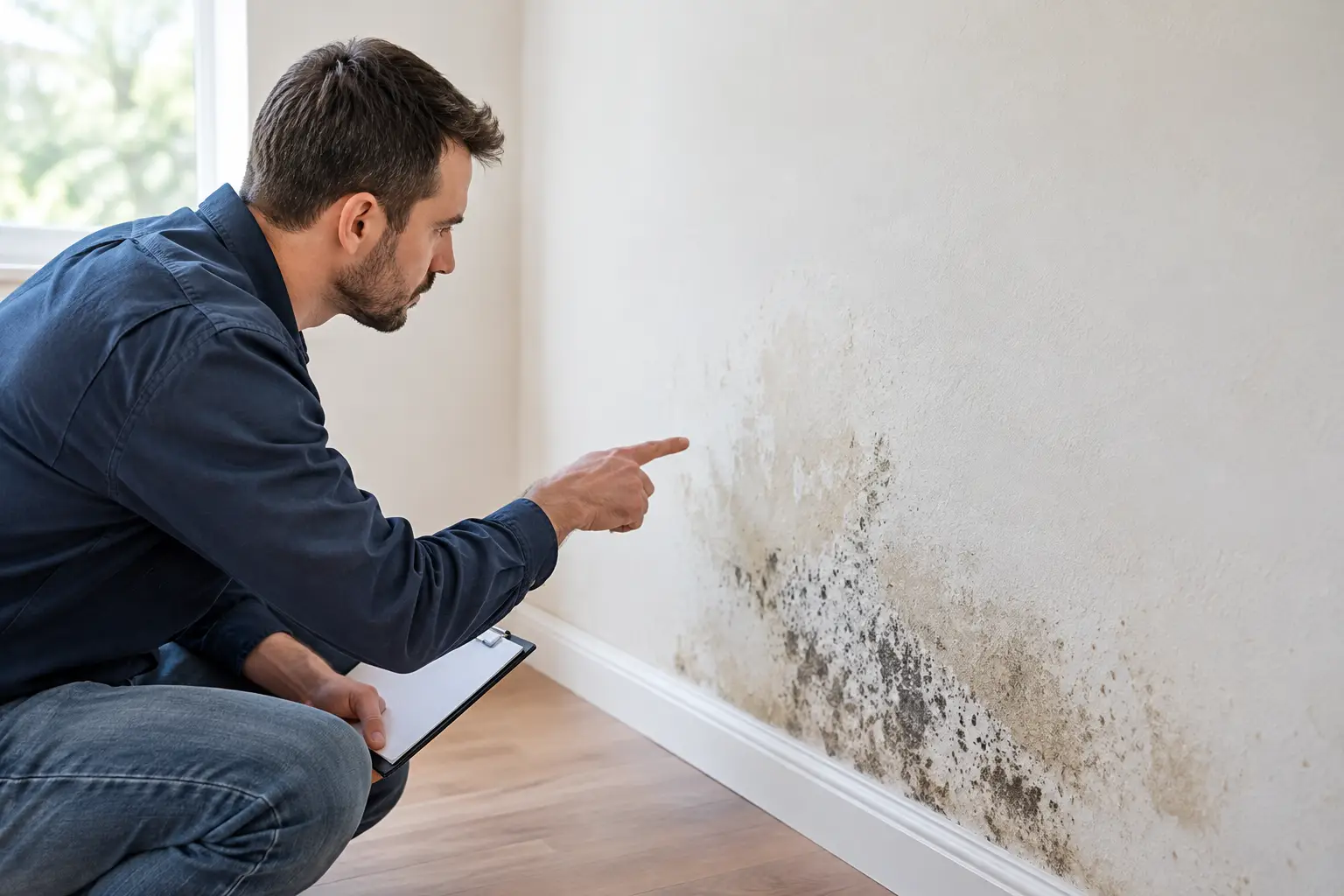
Finally, do not ignore existing water damage. If drywall is stained, soft, swollen, or has a persistent musty odor, the leak or humidity issue must be addressed before new material goes up. Replacing surface panels without fixing the moisture source only hides the problem temporarily.
Choosing the Right Board for Your Project
Start with the finished surface and the amount of direct water exposure. Painted interior walls and ceilings generally call for drywall. Tiled shower walls and tub surrounds exposed to routine spray call for cement board or another approved tile backer system with proper waterproofing. For areas in between, such as a bathroom wall outside the shower, moisture-resistant drywall may be appropriate.
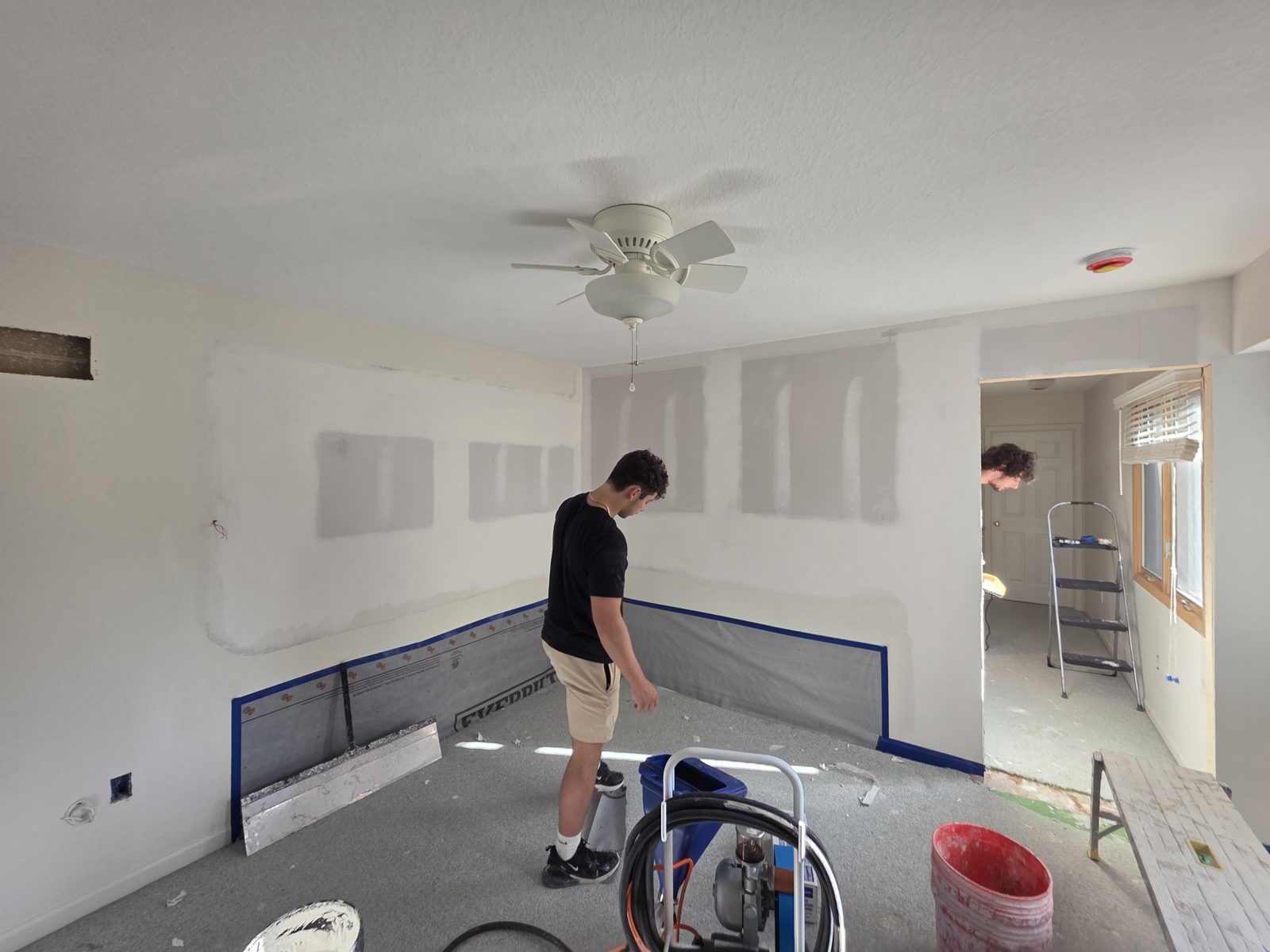
The details are especially important in older Southeast Michigan homes, where a bathroom update can reveal previous repairs, hidden water damage, uneven framing, or layers of old wall finishes. The right material is only part of the solution. Straight framing, secure fastening, correct seam treatment, clean transitions, and a finish that matches the rest of the room all affect the final result.
When a project includes drywall repair, replacement, texture matching, or finishing around a remodeled bath, experienced workmanship keeps the visible surfaces clean and paint-ready. TDM Drywall brings more than 32 years of hands-on experience to those details, with family-run accountability and careful attention to the finish.
Choose drywall where a smooth painted wall is the goal. Choose cement board where tile faces real water exposure. Then make sure the installation method matches the job, because the material behind the wall is what protects the work you see every day.