
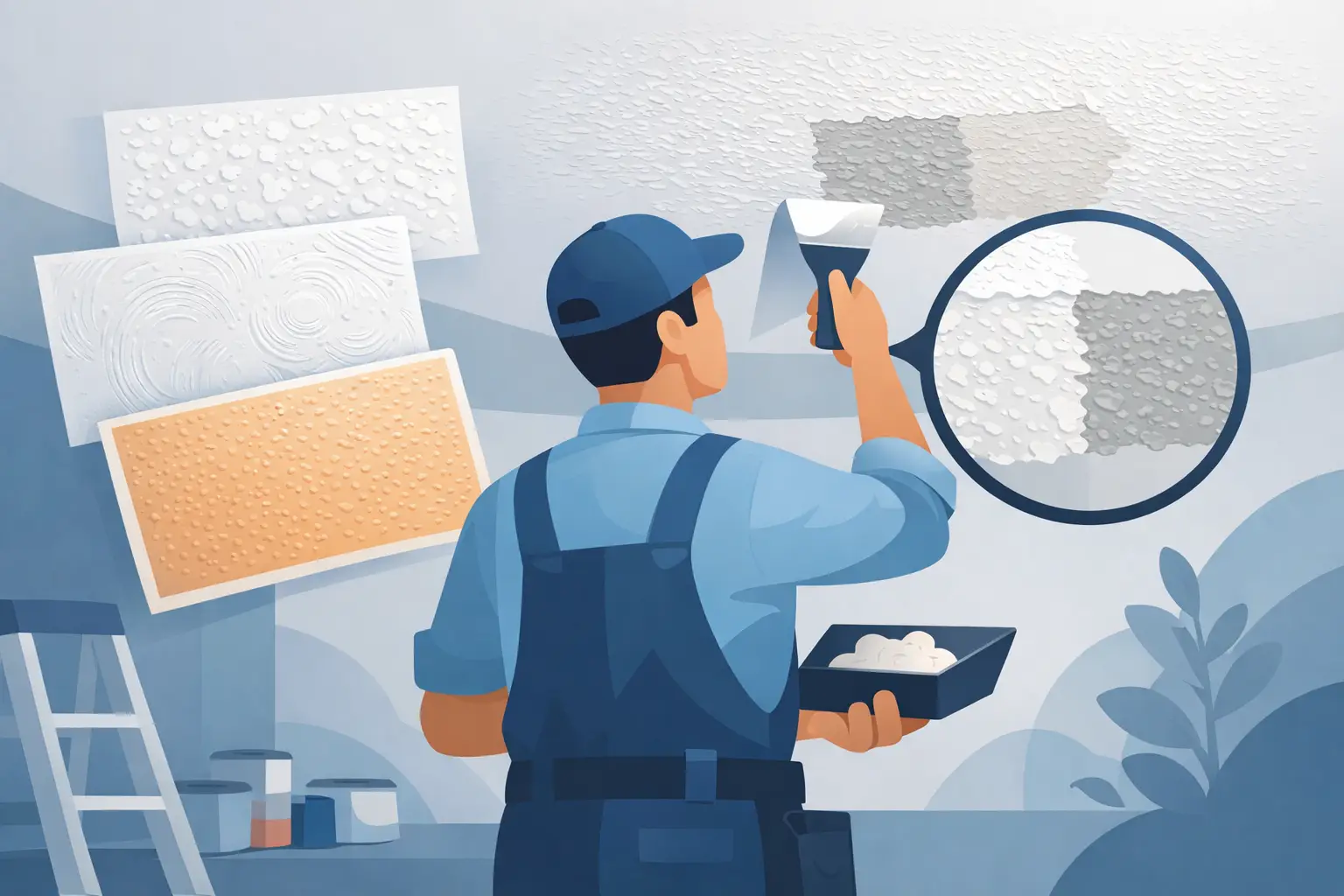
A ceiling patch can be structurally sound and still look wrong from across the room. That is the real challenge with ceiling texture matching. The repair itself may be straightforward, but getting the new area to blend with the original ceiling takes experience, a good eye, and the right finishing method.
For homeowners in Monroe and Southeast Michigan, this usually comes up after water damage, plumbing access, electrical work, settling cracks, or older ceiling repairs that never quite disappeared. In homes with textured ceilings, the patch is only half the job. If the texture does not match, the repair stays visible every time the light hits it.
Why ceiling texture matching is harder than it looks
Most ceiling textures are not as uniform as people think. Even when a pattern seems simple, there are small differences in thickness, spray pressure, knife angle, drying time, and paint buildup. A texture that looked consistent when the house was built may now have years of repainting, slight discoloration, and wear that change how it reads visually.
That is why ceiling texture matching is not just about copying a pattern. It is about blending the repair into the surrounding field so your eye does not stop at the patched area. In some cases, that means matching knockdown, orange peel, stomp, or a hand-applied pattern. In others, it means softening edges, adjusting the size of the texture, or retexturing a larger section so the repair disappears better.
Lighting also makes a big difference. Ceilings catch side light from windows, recessed fixtures, and hallway openings. A repair that looks fine head-on can stand out sharply when viewed from another angle. Good texture work has to hold up under real room conditions, not just while standing on a ladder.
What affects a good match
The age of the ceiling matters. Older ceilings may have texture materials or application styles that are less common today. Plaster-based surfaces can behave differently than newer drywall finishes, and repairs in older homes often need more care to avoid creating a spot that looks too crisp or too modern compared to the rest of the room.
Paint matters too. If a patch is textured well but the ceiling has uneven paint sheen, nicotine staining, water marks, or multiple old coats, a perfect texture match may still need repainting to fully blend. That is not a flaw in the repair. It is just the reality that texture and paint work together visually.
The size of the damaged area also changes the approach. A small plumbing cutout may be blended locally with a very controlled repair. A larger water-damaged section may require more surrounding texture work to create a natural transition. There is no one-size-fits-all method if the goal is a clean, seamless result.
Common situations where texture matching matters most
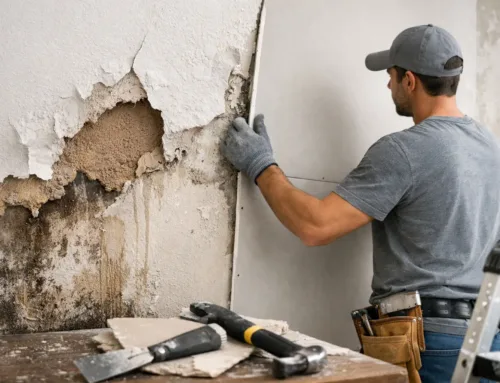
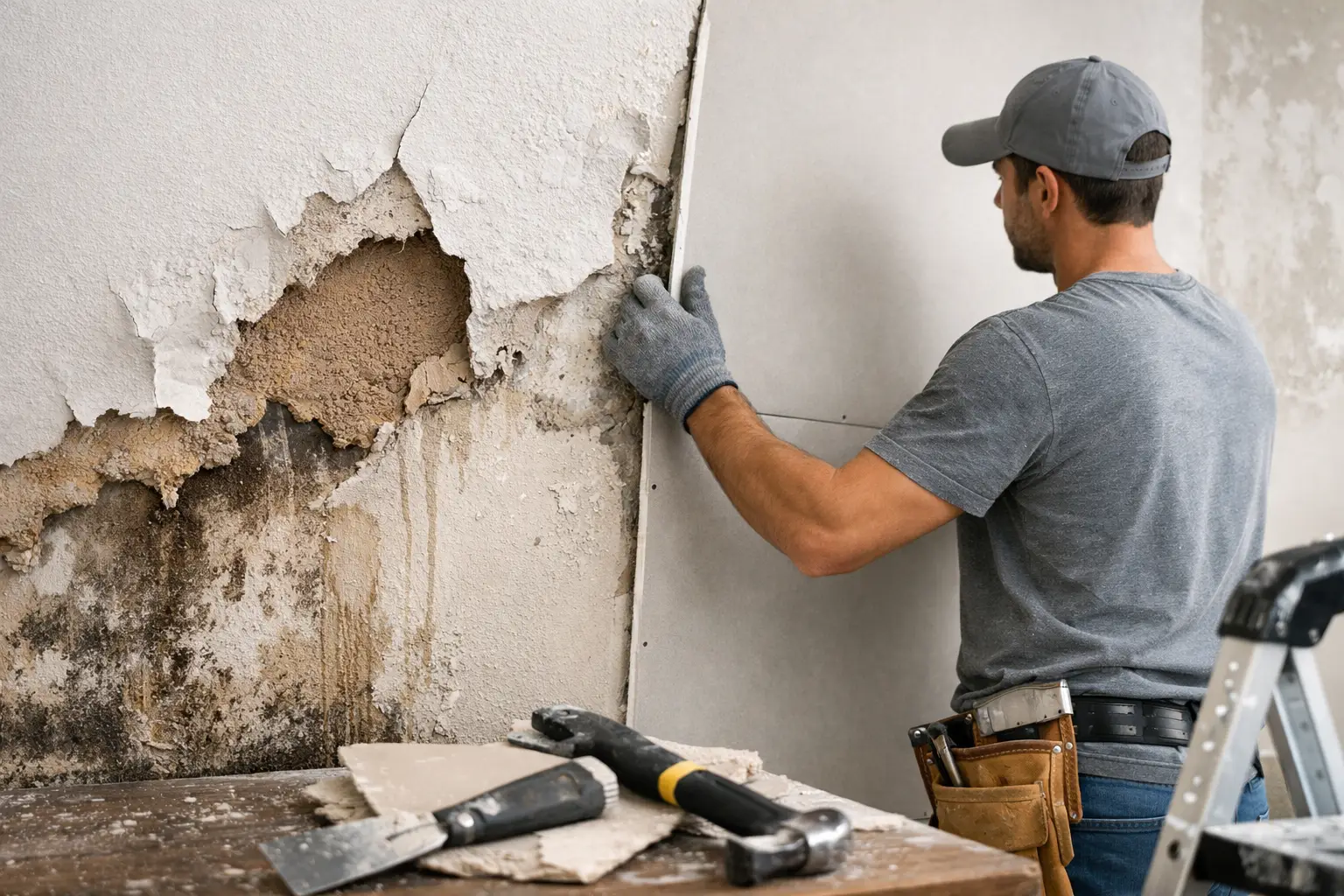
Water damage is one of the biggest reasons ceilings need repair. Once the source is fixed, stained or softened drywall often has to be cut out and replaced. The patch can be installed cleanly, but if the new surface is left smooth against an existing textured ceiling, it will stand out immediately.
Remodeling work creates another common issue. Electricians, plumbers, and HVAC crews sometimes need access above a ceiling. After the work is done, the opening has to be closed, taped, finished, and textured to match the surrounding area. Builders and remodelers usually want that final step handled by someone who can make the repair look original rather than patched.
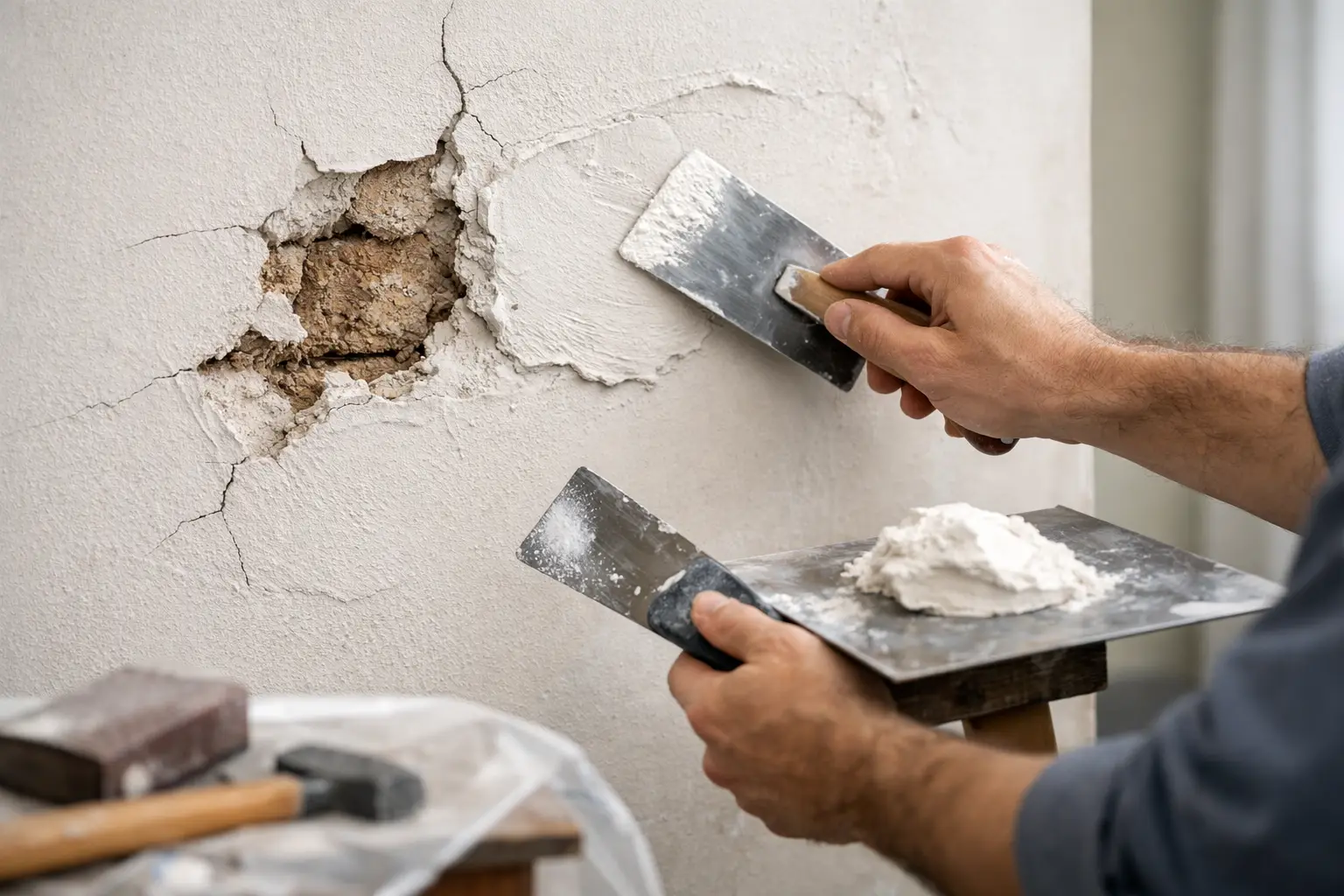
Settling cracks and old failed repairs are also frequent concerns, especially in older homes around Monroe and the Downriver area. A crack may be repaired correctly, but if the texture around it is not restored with the right pattern and depth, the area often remains visible.
Why DIY ceiling texture matching often falls short
Many homeowners can patch drywall well enough for a closet or utility area. Ceilings in finished living spaces are less forgiving. The biggest problem is that texture products and application methods are easy to misuse. Aerosol cans, hopper guns, brushes, rollers, and knives can all create different effects, but matching an existing ceiling takes more than choosing a tool off the shelf.
The first attempt is often too heavy, too uniform, or too sharp around the edges. Then comes sanding, patching again, and trying to feather it out without making the repair area larger. By that point, what started as a small fix can turn into a much more noticeable spot.
There is also the issue of timing. Some textures have to be knocked down at exactly the right stage of drying. Too soon and the material smears. Too late and it tears or leaves a rough, inconsistent finish. Experience matters here because small timing mistakes change the final look.
How a professional approaches ceiling texture matching
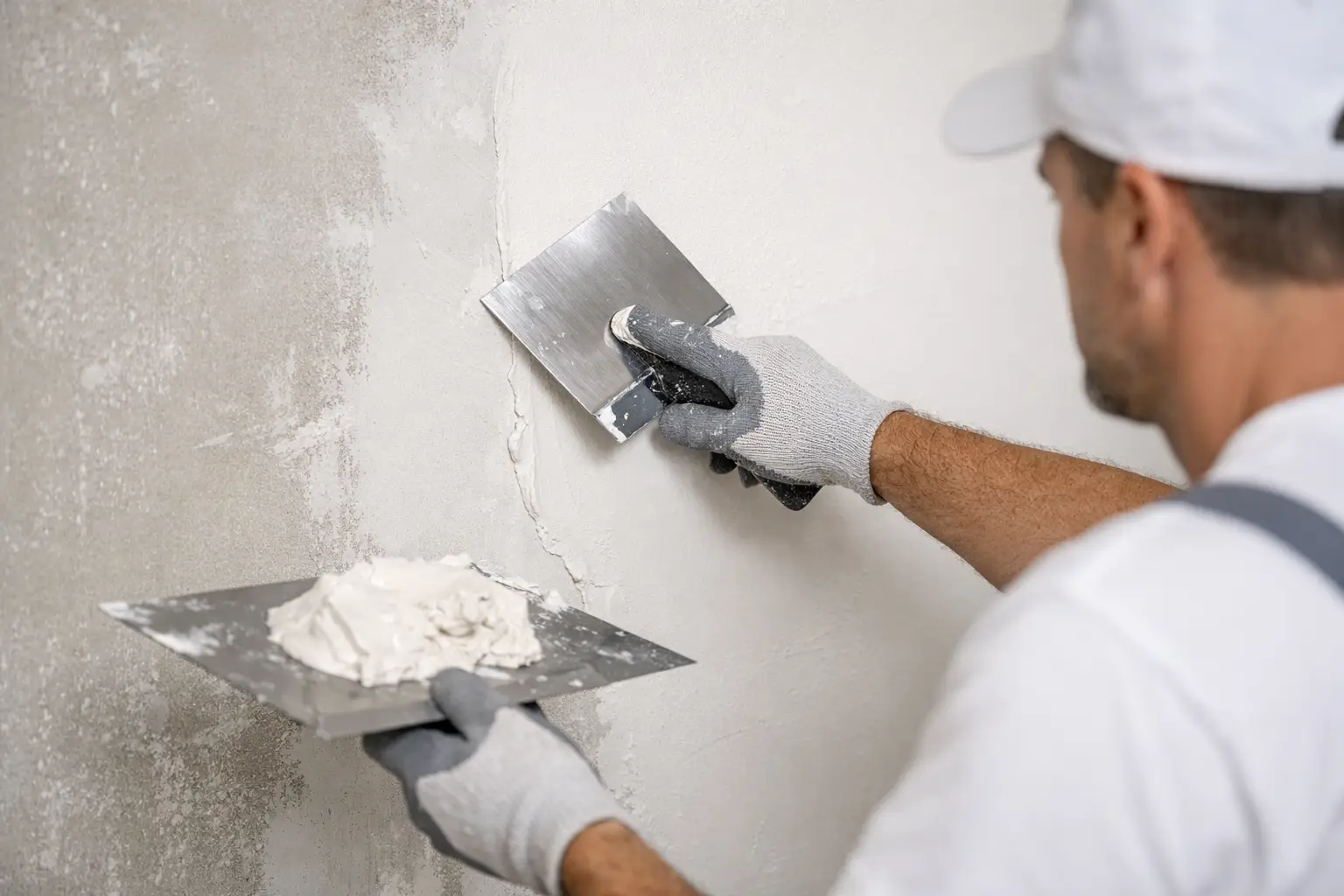
A good repair starts with evaluating the existing ceiling, not rushing to apply texture. The surface has to be stable, the patch has to be flat, and the joints need to be finished properly. If the base work is not right, the texture will not save it.
From there, the goal is to identify both the texture type and the character of the existing finish. That includes how coarse it is, how dense the pattern is, and whether the surrounding ceiling has softened over time under paint. Matching means recreating the look of the whole surface, not just the textbook version of a texture style.
Professional ceiling texture matching also includes knowing when to stop trying to make a tiny repair blend in isolation. Sometimes the best result comes from expanding the texture area slightly or reworking a full ceiling plane. That can sound like more work, but it often produces a much cleaner outcome than forcing a small patch to carry all the visual attention.
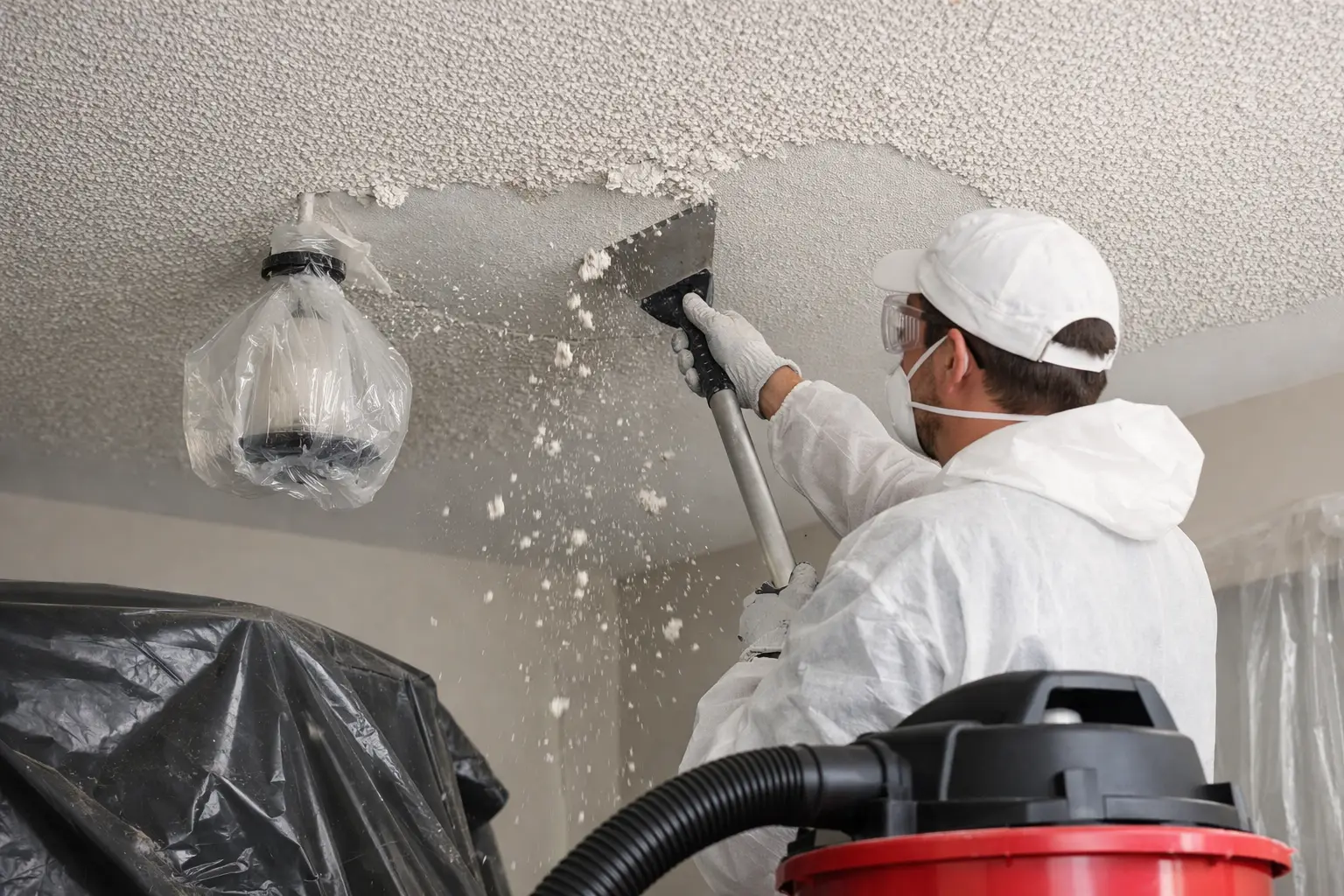
Cleanliness and protection matter as well. Ceiling work can create dust, overspray, and debris if it is not handled carefully. In occupied homes and active job sites, that part of the process is not a small detail. It is part of professional workmanship.
When a full ceiling retexture may make more sense
There are times when matching the existing texture is possible but not ideal. If the ceiling has been repaired several times, has inconsistent old patches, or has outdated texture that varies from one section to another, chasing an exact local match may cost more time without giving the best visual result.
In those cases, retexturing the entire ceiling or a full room can be the better option. It creates consistency, hides the history of previous repairs, and often gives the space a cleaner, more updated look. This comes up often with older popcorn ceilings, patchy knockdown finishes, or rooms that have had years of electrical and plumbing changes.
The right answer depends on the ceiling, the room, and the customer’s priorities. If the goal is the lowest short-term cost, a basic patch may be enough. If the goal is a finish that looks right for years, a broader repair sometimes makes more sense.
What property owners should expect from the finished result
A quality ceiling repair should not draw attention. That is the standard most people care about. They want the damage gone, the texture blended, and the room looking finished again.
That said, every ceiling has limits based on age, paint condition, and prior work. An honest contractor should explain those factors up front. In many cases, the texture can be matched extremely closely, but repainting the ceiling may still be recommended for the most uniform final appearance.
For homeowners, that kind of straight answer matters. For remodelers and builders, it matters even more because scheduling, finish quality, and client expectations all have to stay aligned. Reliable communication is part of doing the job right.
With more than 32 years of hands-on experience, TDM Drywall understands that ceiling repairs are not just about filling a hole. They are about restoring the surface so it looks like the damage never happened. That takes craftsmanship, patience, and a practical sense of what will give the best result in the real world.
If your ceiling has been patched, stained, cracked, or opened up for other work, do not judge the repair by whether the drywall is back in place. Judge it by whether the finish blends when the room is fully lit and lived in. That is when good texture work proves its value.

Leave A Comment