
A water stain spreading across a ceiling or a soft spot near a bathroom wall can make a small leak feel like a major renovation. The good news is that can drywall be repaired after leaks is often a yes – but only after you fix the source of water and honestly evaluate the affected material. A clean-looking patch will not last if moisture, mold, or weakened drywall remains behind it.
For homeowners and property managers, the decision usually comes down to three things: how long the drywall was wet, how much water it absorbed, and whether the surface has dried completely without losing its strength. A crew can dry, seal, and repair some areas. Others need removal and replacement for a durable, paint-ready result.
Can Drywall Be Repaired After Leaks? It Depends on the Damage
Drywall has a gypsum core and paper facing. When water reaches it briefly and someone stops it quickly, the board may remain solid enough to repair. When it stays wet, however, the paper can separate, the gypsum can soften, and the wall or ceiling can lose its shape. That is when a patch alone becomes a short-term cosmetic fix rather than a real repair.
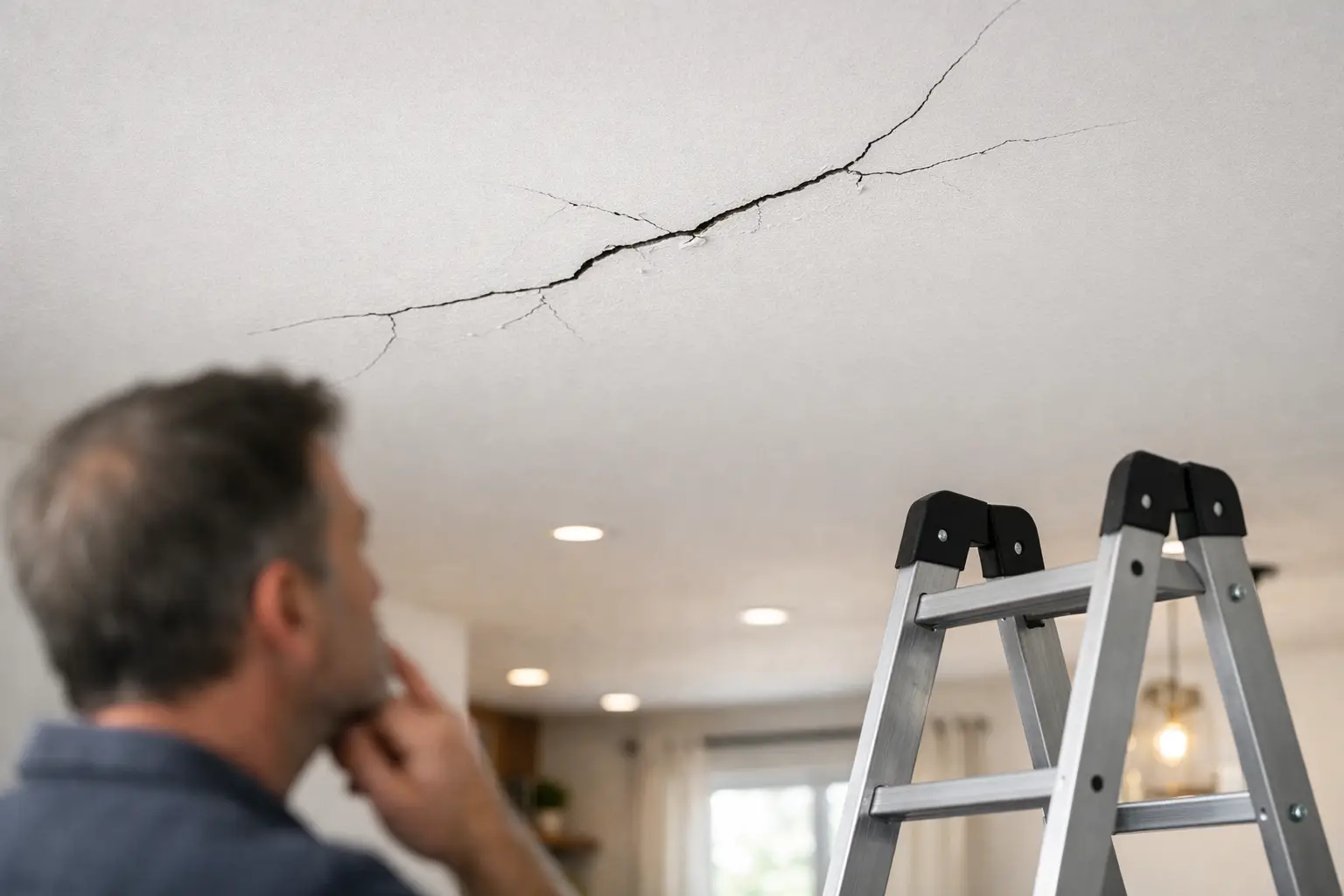
A small plumbing drip caught early may leave a light stain but no meaningful structural damage. A roof leak that soaked a ceiling through several rainstorms is a different situation. Ceiling drywall is especially worth treating carefully because water adds weight. Sagging, bulging, cracking, or loose fasteners are signs that replacement is generally the safer choice.
The same applies to walls affected by a dishwasher leak, overflowing toilet, foundation seepage, or burst pipe. Clean water from a supply line and water that may contain contaminants should not be handled the same way. If wastewater, floodwater, or suspected mold is involved, the damaged material may need a more extensive removal and cleanup process before a crew installs new drywall.
Start With the Leak, Not the Drywall
Repairing drywall before correcting the water source is one of the most common and expensive mistakes. A roof penetration, failed pipe fitting, leaking appliance hose, condensation issue, or exterior drainage problem must be addressed first. Otherwise, the next leak can damage fresh compound, paint, and texture again within days or weeks.
Once you resolve the leak, the area needs time and airflow to dry. Fans and dehumidification can help, but do not judge drying by appearance alone. Drywall can look dry on the surface while moisture remains in the cavity behind it. In some cases, a small inspection opening is the right way to check insulation, framing, and the back side of the board.
If insulation is wet, a crew may also need to remove or replace it. Leaving wet insulation inside a wall or ceiling cavity can trap moisture against framing and drywall, creating conditions that lead to odor, staining, and mold growth later.
Signs the Drywall May Be Salvageable
Drywall may be a candidate for repair when the leak was minor, stopped quickly, and the board has dried flat and firm. The paper facing should still be attached, with no fuzzy growth, crumbling edges, or soft spots. A stain by itself does not automatically mean the drywall must come out.
In these cases, the repair may involve treating the stain with the correct stain-blocking primer, repairing minor surface damage with joint compound, sanding the area smooth, matching the existing texture, and repainting. The goal is not just to hide the stain. It is to restore a stable surface that blends with the surrounding wall or ceiling.
Signs Replacement Is the Better Repair
Replacement is usually the right call when drywall is soft, swollen, sagging, warped, cracked, or visibly delaminating. Brown water rings that keep returning after painting can also indicate that moisture never fully resolved or that a crew did not properly seal the staining.
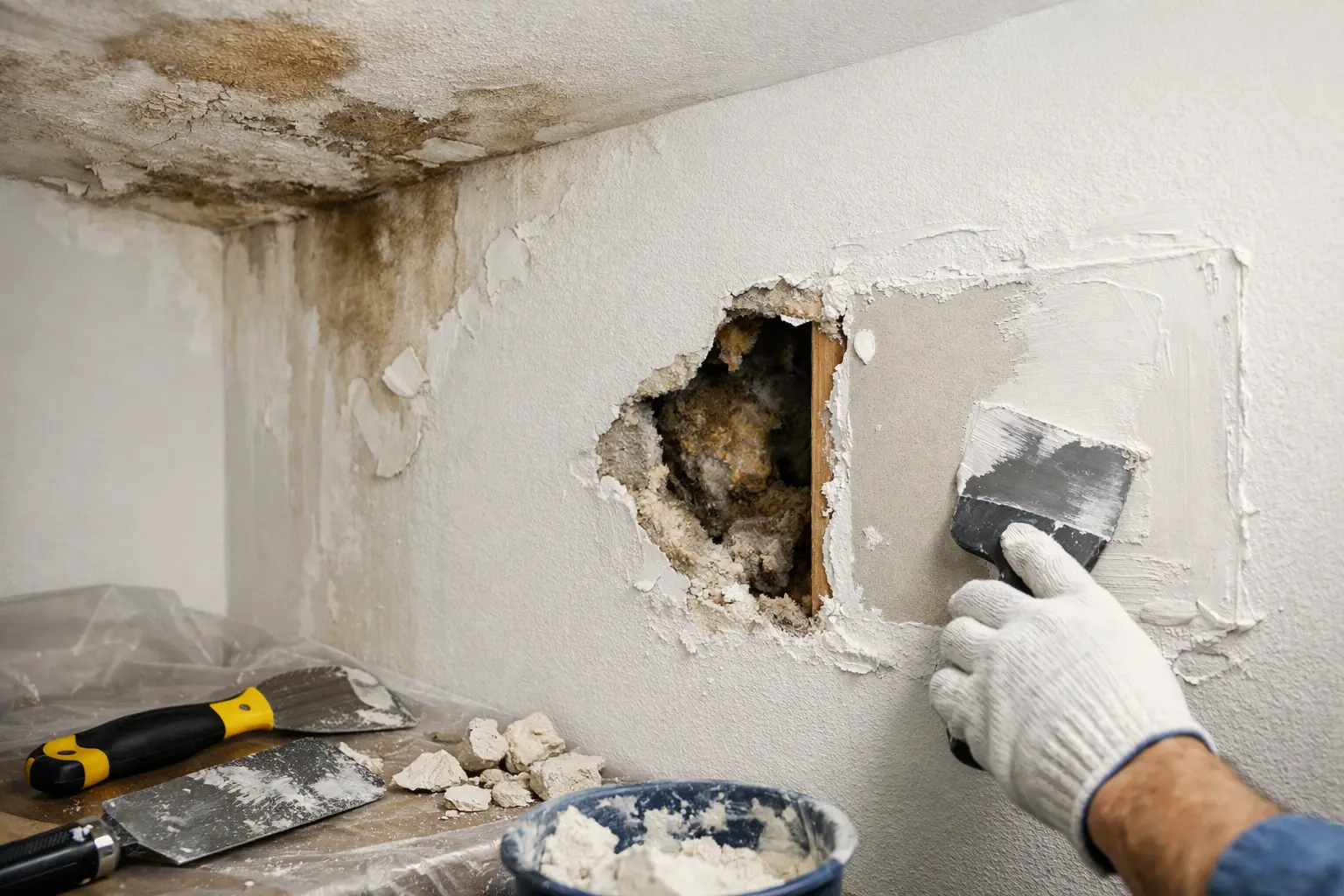
Watch for a ceiling that dips between joists, nails or screws pushing through the face paper, peeling paint, bubbling tape joints, or a musty smell. These conditions often mean the damaged area has lost integrity or moisture is still present. Removing the affected section gives the repair a sound edge to tie into and lets a crew inspect the cavity before closing it back up.
Mold is another reason not to simply cover the problem. Small, isolated surface growth may be manageable once you correct the moisture source, but widespread growth or strong odors require proper evaluation and cleanup. New drywall should never go over active moisture or contaminated material.
What a Proper Water-Damaged Drywall Repair Looks Like
A professional repair is more than cutting out a square and spreading compound over the seams. The repair needs to fit the condition of the wall or ceiling, the location of the damage, and the finish already in the room.
First, a crew removes loose or compromised drywall back to solid material. They square the opening as needed and add framing or backing so the new piece has proper support. If the leak affected a ceiling, the crew should check the surrounding board and fasteners closely. They then install the patch securely, tape it, and finish it in multiple thin coats to create a flat transition.
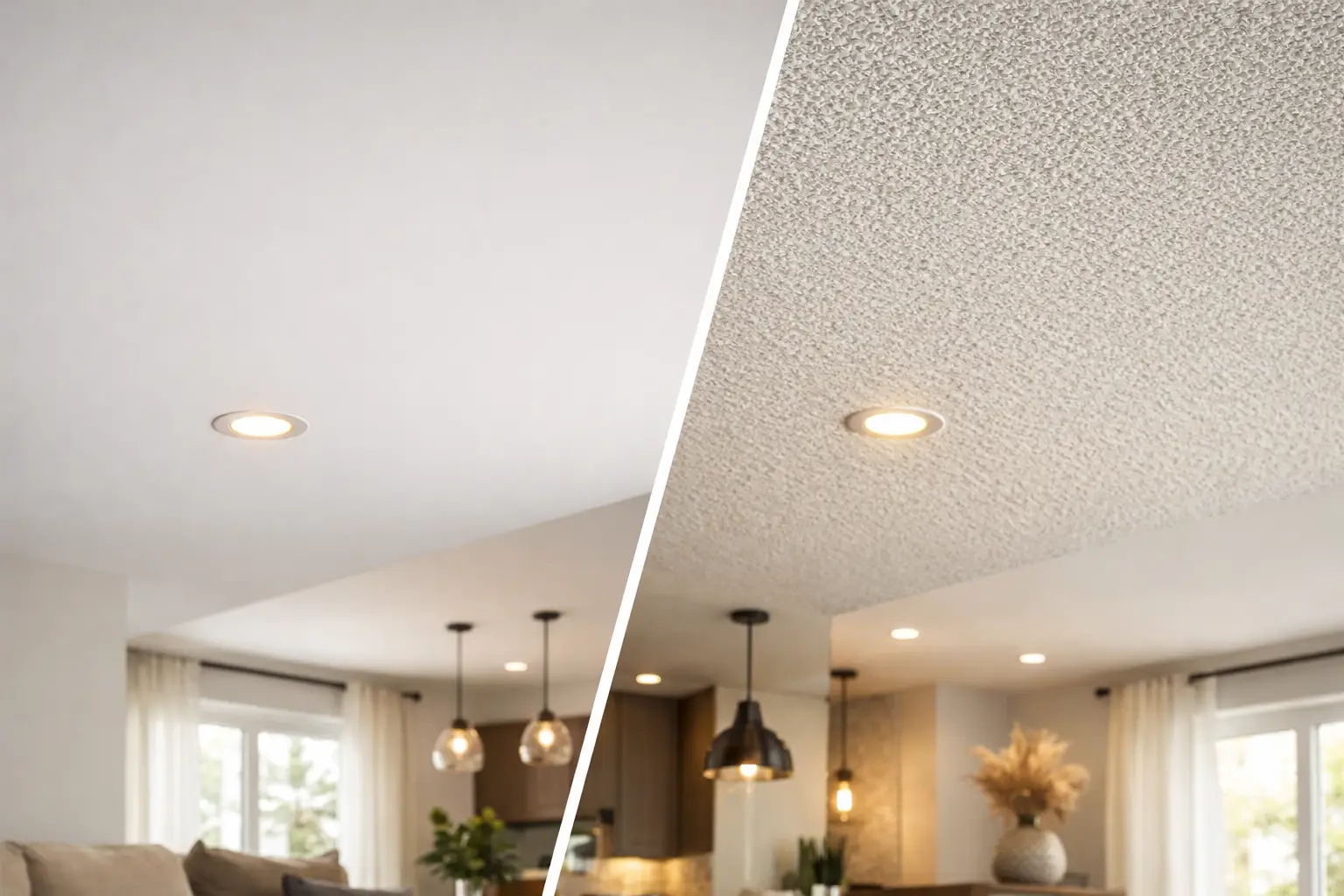
Drying time between coats matters. Rushing joint compound can lead to shrinkage, cracking, or visible seams after painting. Once the repair is smooth, a crew must match the existing finish. That can mean a light orange peel, knockdown, hand texture, smooth wall finish, or a more specialized ceiling texture. Texture matching is where an otherwise solid patch can stand out if a crew does not handle it with care.
Finally, a crew primes the repaired area and prepares it for paint. Stain-blocking primer is especially useful after water damage because ordinary paint may allow discoloration to bleed back through. A quality repair should look right from across the room and hold up after the paint dries.
Why Ceiling Leaks Need Faster Attention
Water-damaged ceilings deserve prompt attention even when the stain appears small. Water can travel along framing members and pool above a section of drywall away from the original leak. The visible stain is not always the full extent of the damage.
If a ceiling is bulging or feels soft, keep people and furniture away from the area. Do not puncture a water-filled ceiling without considering where the water will go and whether electrical fixtures may be involved. Turn off power to nearby affected fixtures when it is safe to do so, and have a professional assess the source and damage quickly.
After a crew replaces a ceiling section, blending the repair into the surrounding texture is just as important as the patch itself. A clean, even finish prevents the repaired area from becoming the first thing people notice when they walk into the room.
DIY Patch or Professional Repair?
A homeowner may be able to handle a very small, fully dry stain or a minor patch in a low-visibility area. The trade-off is that water damage can hide problems behind the surface, and finish work is unforgiving under paint and natural light. A repair that looks acceptable before painting can reveal raised seams, flashing, texture differences, or stain bleed afterward.
Professional help is especially worthwhile for ceiling damage, recurring leaks, larger openings, textured surfaces, plaster walls, suspected mold, or repairs near electrical fixtures. It also makes sense when the room needs to be back in service quickly, such as a rental property, office, bathroom, or kitchen.
For more than 32 years, TDM Drywall has helped Southeast Michigan homeowners and property owners restore water-damaged walls and ceilings with careful removal, solid patchwork, seamless texture blending, and clean, paint-ready finishes. The right repair protects the appearance of the room, but more importantly, it avoids covering up damage that will come back.
When a leak leaves drywall in question, do not judge it by the stain alone. Fix the water source, have a professional properly assess the area, and choose repair or replacement based on the condition of the material. That approach gives the finished surface the best chance to stay clean, solid, and trouble-free.
Our water damage repair services handle exactly this kind of assessment and repair for homes and businesses throughout Monroe and the Downriver area.