
A hairline crack above an old doorway can look minor until it spreads into a web across the wall. In an old home plaster repair example, the visible crack is often only the final symptom. The real question is whether the plaster surface is still firmly connected to the wood lath behind it. Repairing that connection, then matching the wall’s original finish, is what separates a durable repair from one that cracks again after the next Michigan winter.
A Typical Old Home Plaster Repair Example
Consider a common situation in a Southeast Michigan home built in the early 1900s: a living room wall has a long diagonal crack near a window, with several areas that sound hollow when lightly tapped. A previous owner filled parts of the crack with caulk or lightweight patching compound, but the line has reopened and the patched section sits flatter than the surrounding wall.
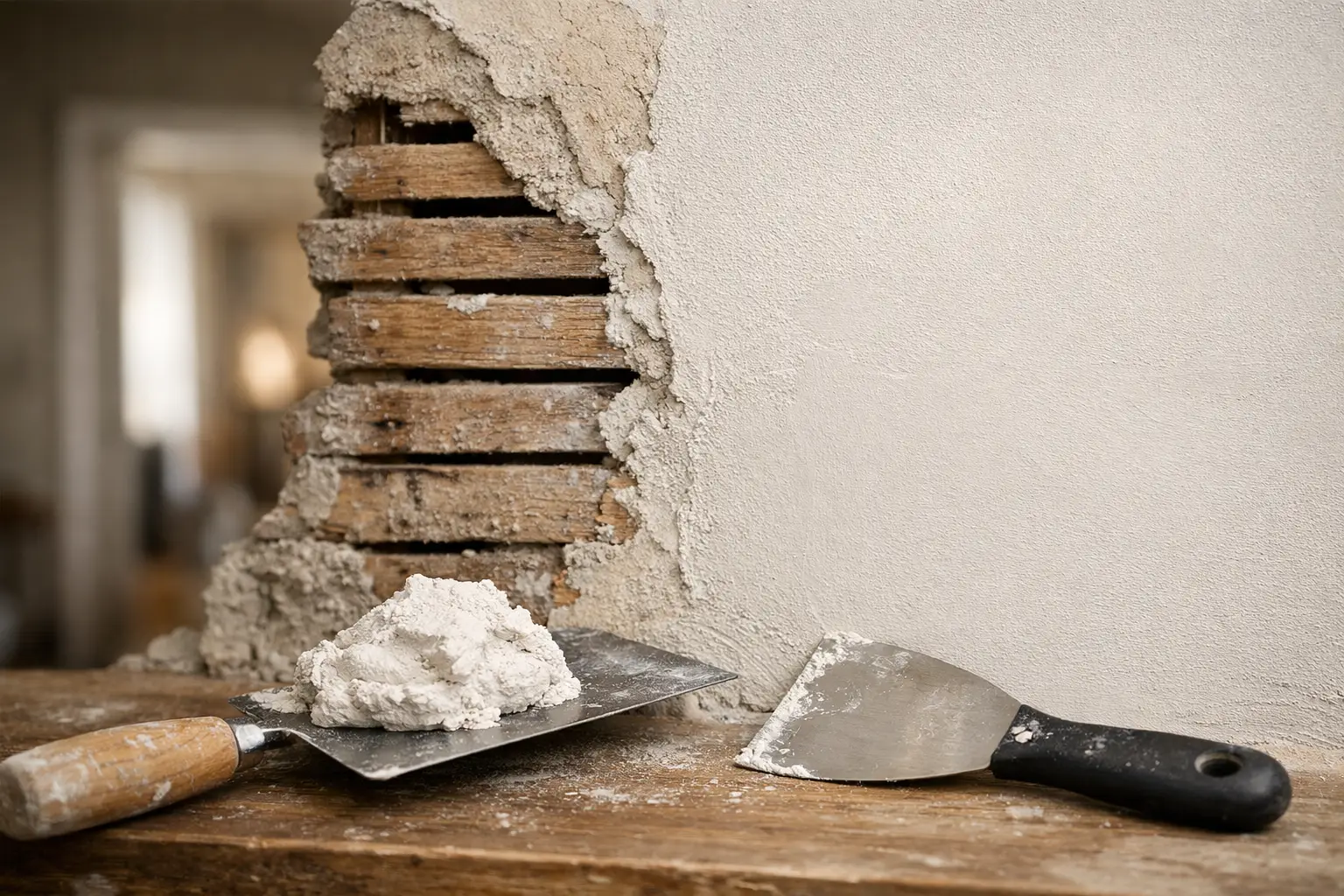
This is not necessarily a full-wall replacement project. The wall may still be structurally sound, and much of the original plaster can often be preserved. But simply filling the crack would not address the loose plaster behind it. In an older plaster wall, the base coat was originally pressed through narrow gaps in wood lath. That material hardened behind the lath to form small anchors, often called keys. Movement, moisture, vibration, or decades of seasonal expansion can break those keys loose.
The repair begins with a careful inspection. Loose material around the damaged area must be identified without disturbing plaster that remains secure. The crew checks for staining, active moisture, soft areas, bulges, and cracks that may point to movement beyond the plaster itself. If there is a plumbing leak, roof issue, or foundation concern, that needs to be corrected before the finish repair begins.
Repairing What Is Loose Before Finishing What Is Visible
Once the cause is understood, the repair area is prepared. Failing patch material and unstable plaster are removed cleanly, but the goal is not to tear out more of the wall than necessary. In homes with original lath-and-plaster construction, a controlled approach protects the surrounding surface and limits unnecessary dust.
Where plaster has separated but remains in good condition, it can sometimes be secured back to the lath. A contractor may use plaster washers and screws placed into solid lath, or another appropriate fastening method based on the wall condition. These fasteners pull the plaster gently back into position and provide mechanical support where the original keys have failed.
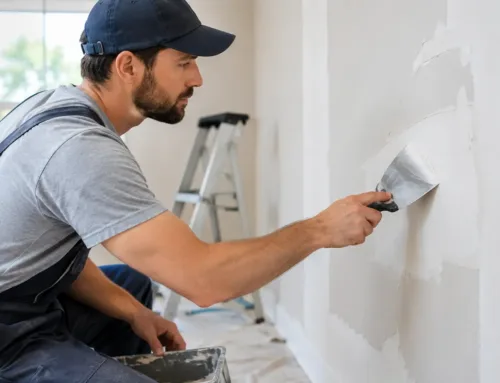
For a larger missing section, the damaged area may need to be opened back to stable edges. The lath is evaluated for damage, and a repair base is installed as needed. The new work is then built up in coats rather than treated like a shallow drywall dent. That difference matters. Old plaster walls often have depth, subtle waves, and hand-applied texture that need to be respected if the repair is going to disappear after painting.
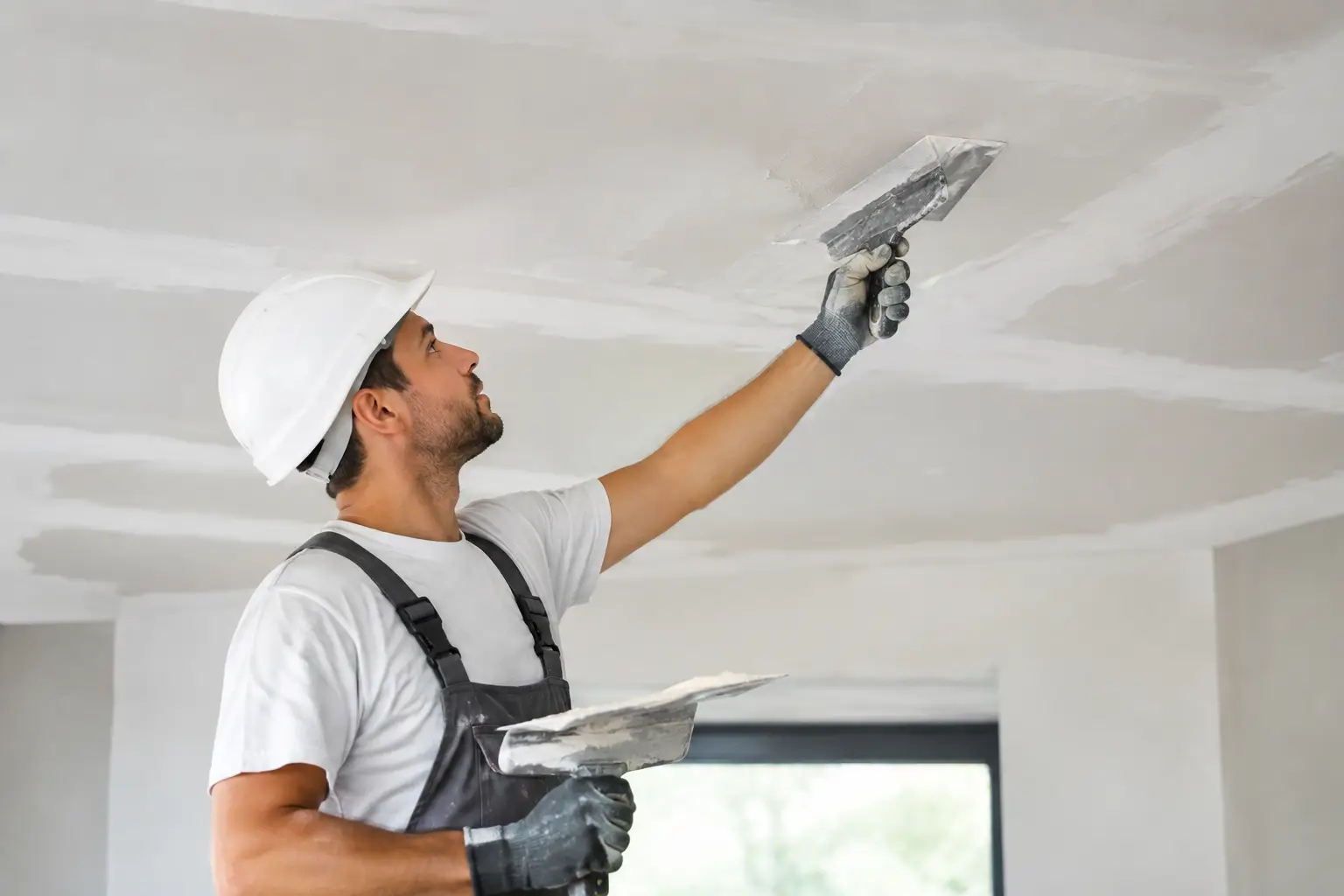
A quality repair usually includes reinforcing the crack area, rebuilding the missing depth, and allowing each material layer to set properly. Rushing heavy material into one pass can lead to shrinkage, weak bonding, or a patch that telegraphs through the paint.
Matching the wall is often the hardest part
A smooth-looking plaster wall is rarely perfectly smooth. Many older homes have a light sand finish, trowel marks, soft orange-peel texture, or gentle unevenness created by hand work decades ago. A patch that is technically flat can still stand out if it is too smooth, too sharp at the edges, or finished with the wrong texture.
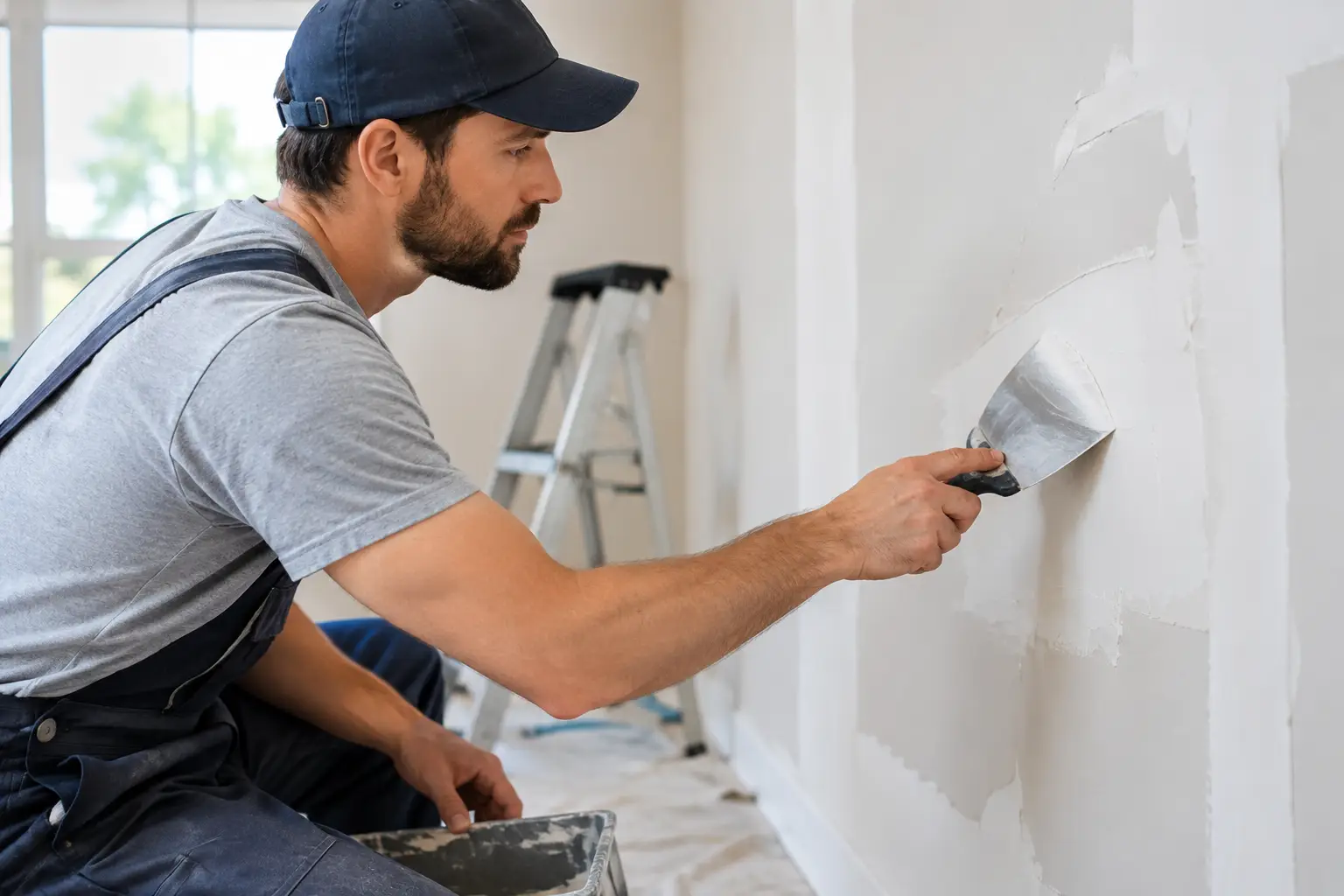
This is where experience makes a visible difference. The repaired area must be feathered well beyond the original crack so the transition does not create a raised outline. Texture is then blended into the surrounding field instead of applied as a separate, obvious spot. After primer and paint, the goal is a continuous wall surface – not a wall with a clearly defined repair in the middle of it.
TDM Drywall approaches older wall repairs with that finish standard in mind: secure the damaged area, rebuild it correctly, and leave a clean, paint-ready surface. For homeowners, the benefit is straightforward. You should not have to explain away a patch every time someone walks into the room.
When a Plaster Repair Is the Right Choice
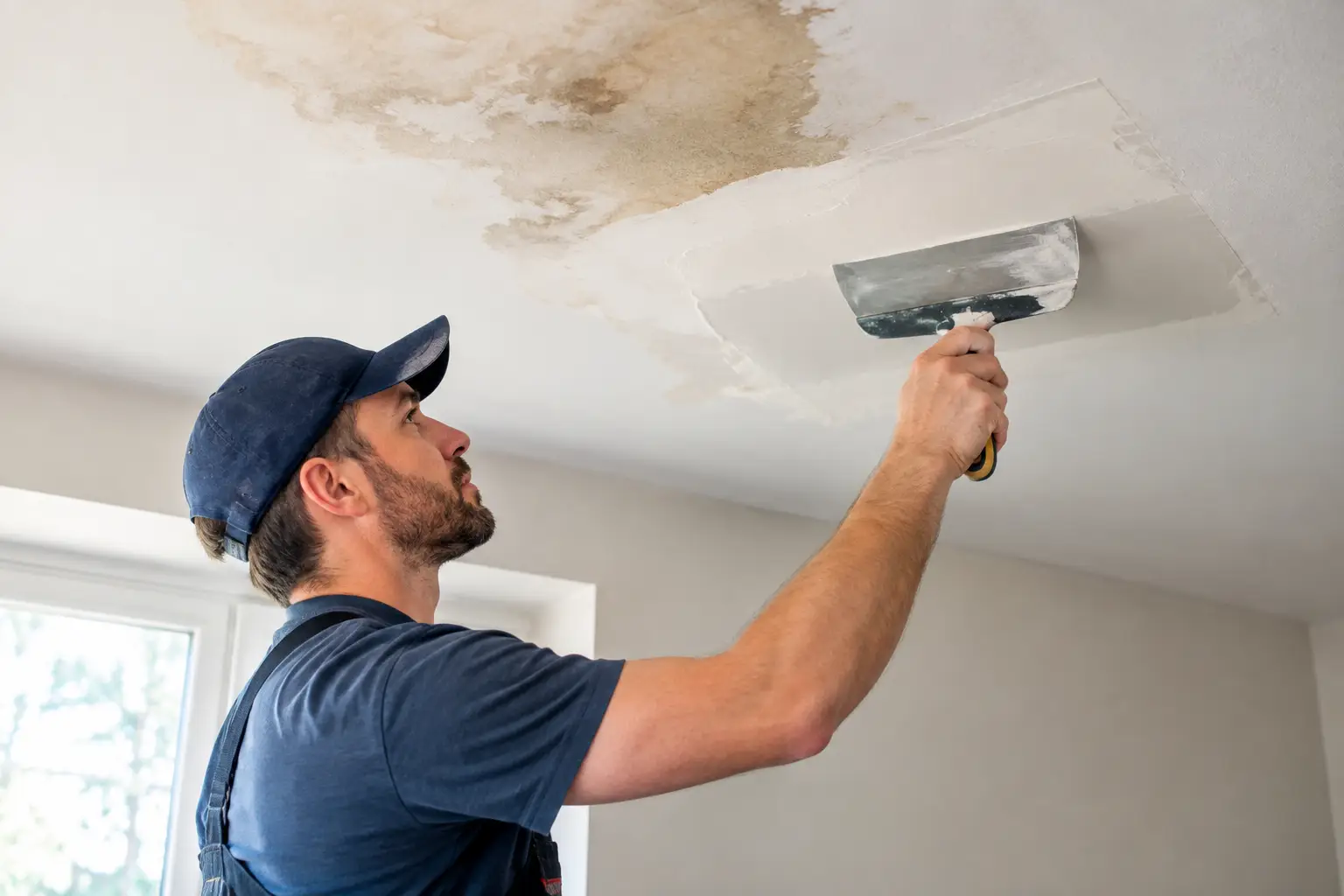
Plaster repair is often a good option when the damage is localized and the remaining wall is firmly attached. Cracks from normal age, a small area of water damage after the source has been fixed, holes from old electrical work, and loose sections around doors or windows can frequently be repaired without replacing an entire room.
It depends on the condition behind the surface. If multiple areas across the wall or ceiling are loose, if the lath is badly compromised, or if ongoing moisture has damaged the assembly, replacement may be the better long-term value. Covering a failing ceiling with a new finish layer, for example, does not solve a widespread separation problem above it.
There is also a practical decision between preserving original plaster and installing drywall over or in place of it. Preserving plaster can retain the character and solid feel of an older home. Replacement may make more sense when extensive deterioration, major remodeling, insulation upgrades, or repeated repairs have left the surfaces beyond a reasonable repair scope. An honest assessment should weigh the condition of the room, not just the quickest fix for one crack.
Signs the Damage Needs Professional Attention
A small, stable hairline crack can sometimes be monitored or lightly repaired. However, certain signs call for a closer look before anyone applies compound or paint. Hollow-sounding plaster, sagging ceilings, recurring cracks, crumbling material near a stain, and wall sections that move when pressed are all signs that the issue may be deeper than the finish coat.
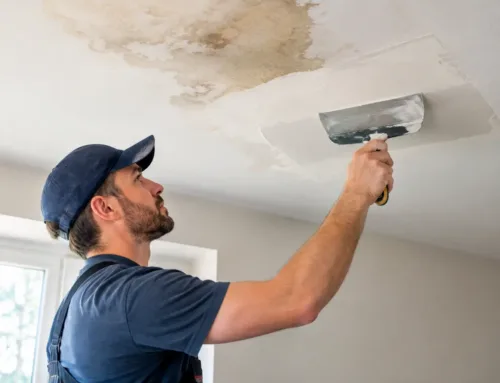
Ceiling damage deserves particular caution. Loose plaster is heavy, and a ceiling that is bulging or separating should not be ignored. Keep people away from the area, avoid probing it aggressively, and arrange for a qualified professional to evaluate it.
Older homes can also contain materials that require care. If a repair will disturb old paint, insulation, flooring, or other building components, appropriate testing and safe work practices may be necessary. A clean workspace matters, but so does making sure the project is planned for the age and condition of the home.
Why Quick Patches Often Fail
The most common failed plaster patch is a cosmetic one. Someone fills a crack, sands it smooth, paints it, and sees the same line return months later. This happens because the crack edges were never stabilized, the loose plaster was not reattached, or movement and moisture were not addressed first.
Another common problem is using the wrong material thickness. Lightweight spackle is useful for small nail holes, but it is not designed to rebuild a deep plaster repair. Similarly, drywall compound can be part of a successful finish process, but it cannot compensate for detached plaster or an unstable base.
Paint can also expose workmanship that looked acceptable before finishing. Side light from a window or overhead fixture reveals ridges, shallow spots, and texture differences quickly. Proper sanding, feathering, and texture matching are not extra touches. They are the steps that make the repair look like it belongs to the wall.
A Better Result Starts With the Right Scope
A dependable plaster repair starts with listening to what the house is showing you. Is the crack isolated? Is there moisture nearby? Does the wall sound solid, or has the plaster released from the lath? The answers determine whether the job calls for a focused repair, larger stabilization work, or replacement.
For property owners in Monroe, Downriver, and Southeast Michigan, choosing an experienced, insured repair contractor can prevent a small plaster issue from turning into repeated patching and repainting. Ask how loose material will be handled, how the repair will be reinforced, and how the existing texture will be matched. Clear answers are a good sign that the work will be done right the first time.
An old plaster wall does not need to look new in a way that erases the home’s character. It needs to feel solid, stay intact, and accept paint without advertising where the damage used to be.