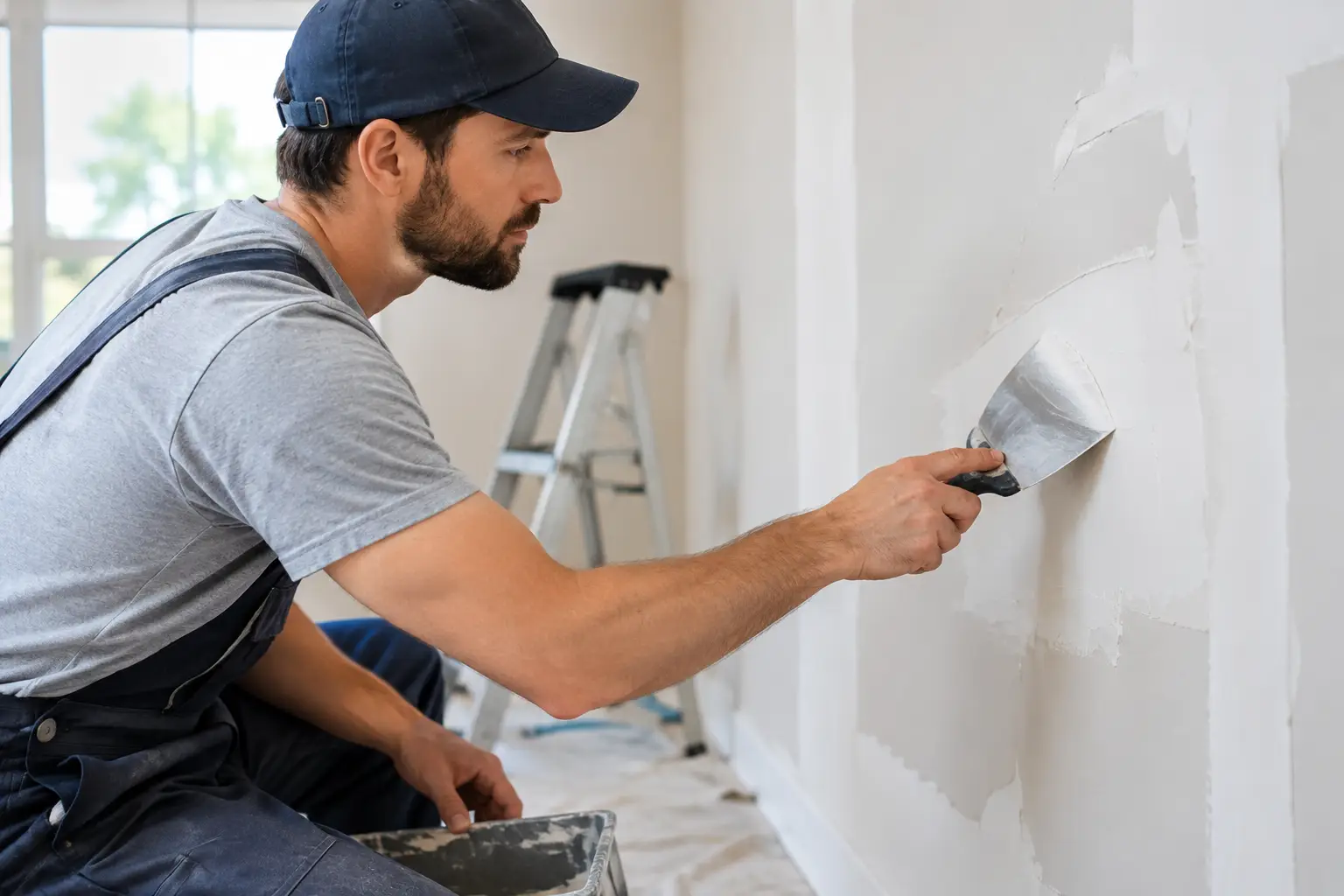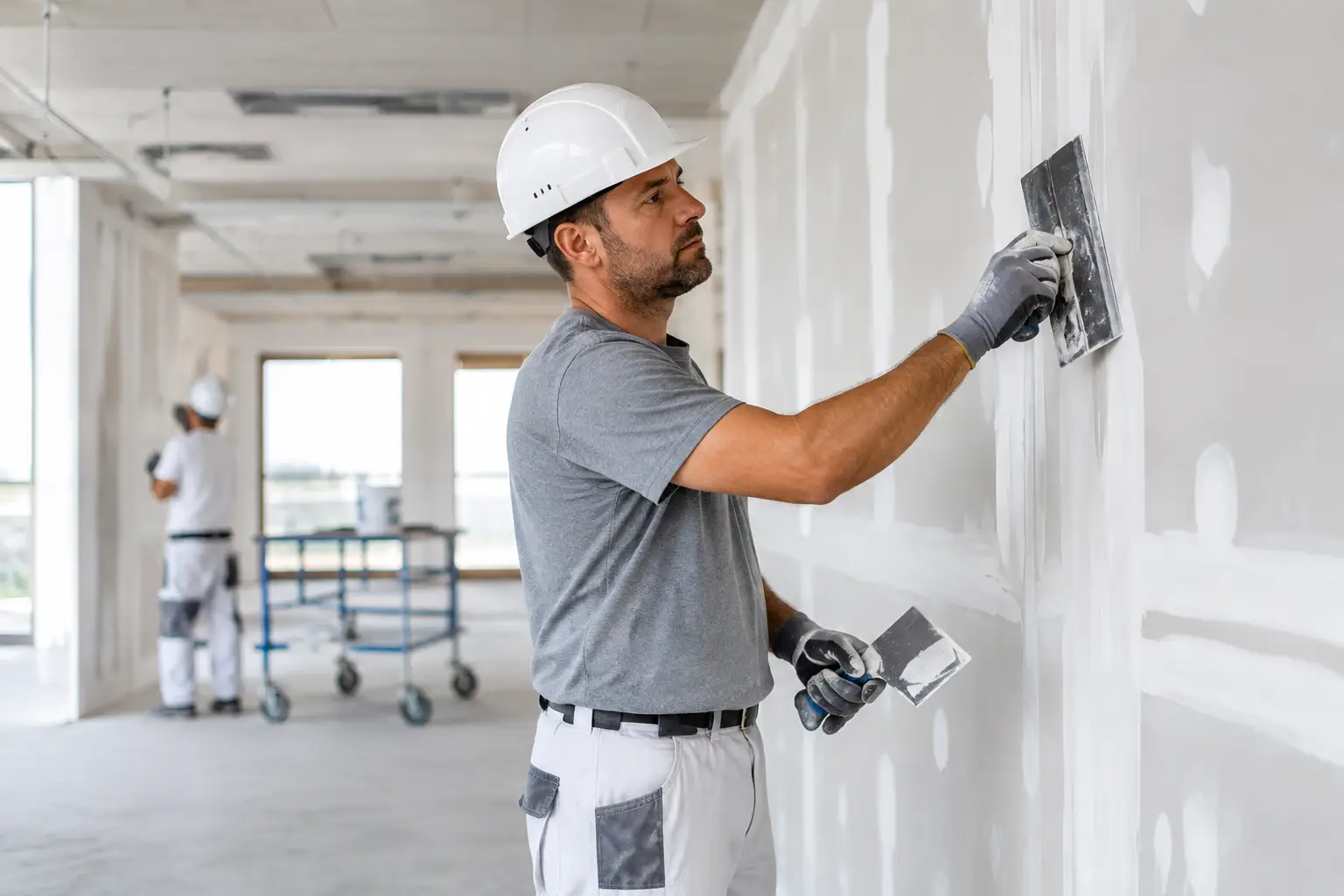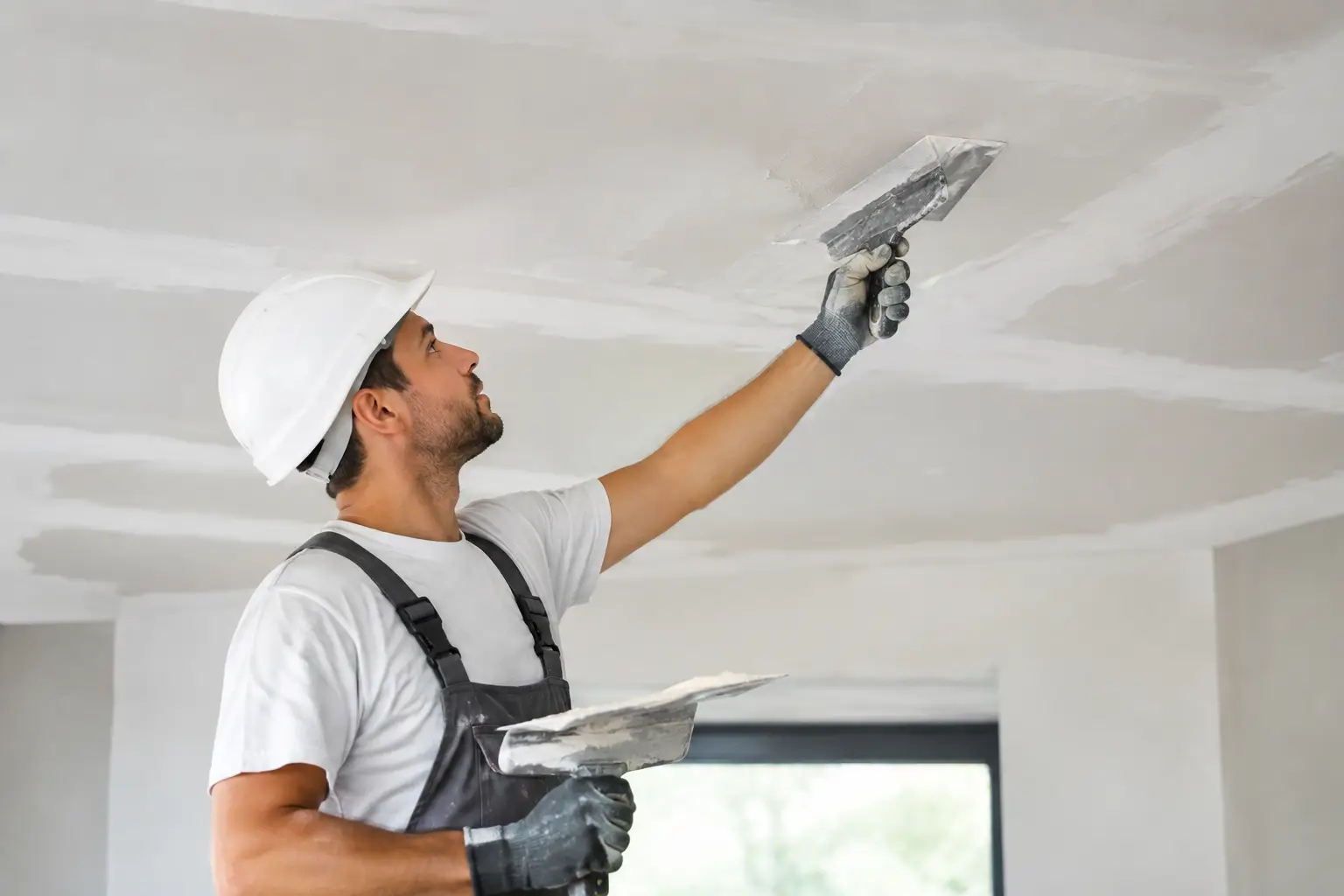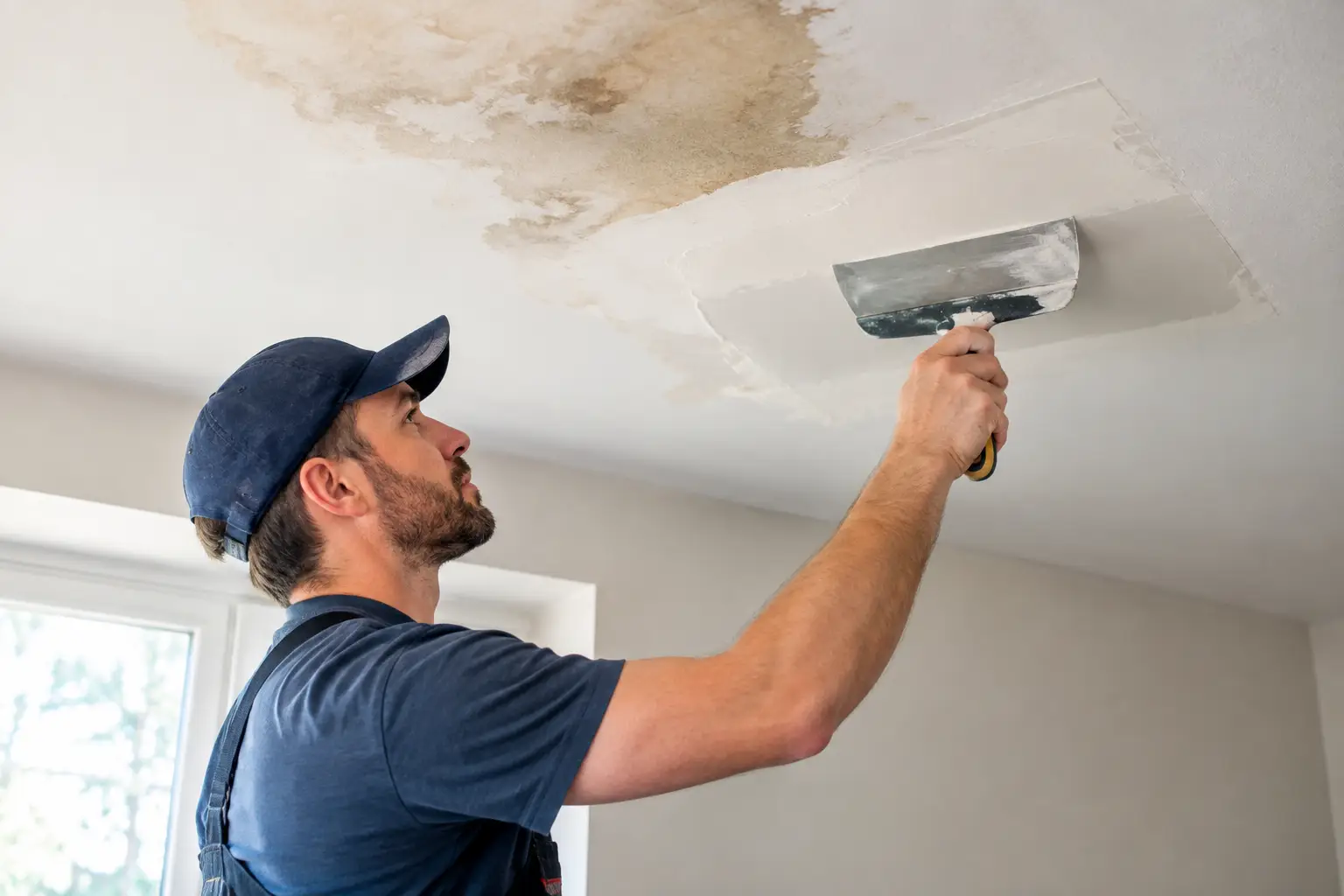
A wall can look rough for very different reasons. Old paint may highlight every patch, a previous repair may sit proud of the surface, or moisture may have weakened the drywall behind the finish. The decision to skim coat or replace drywall should be based on what is happening beneath the paint, not just how noticeable the damage looks from across the room.
For homeowners and property managers, the right choice protects both the appearance of the room and the budget. Skim coating can restore a broad, uneven surface without opening every wall. Full replacement is often the smarter, more durable solution when drywall has lost its strength, absorbed water, or has damage that cannot be reliably repaired. A professional inspection helps separate a cosmetic problem from a wall-system problem.
Skim Coat or Replace Drywall: Start With the Wall’s Condition
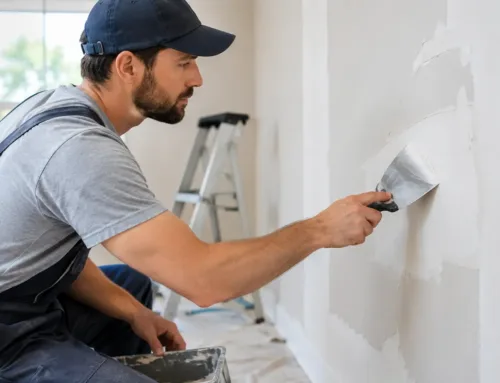
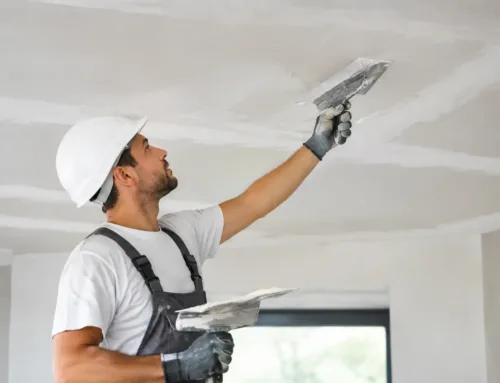
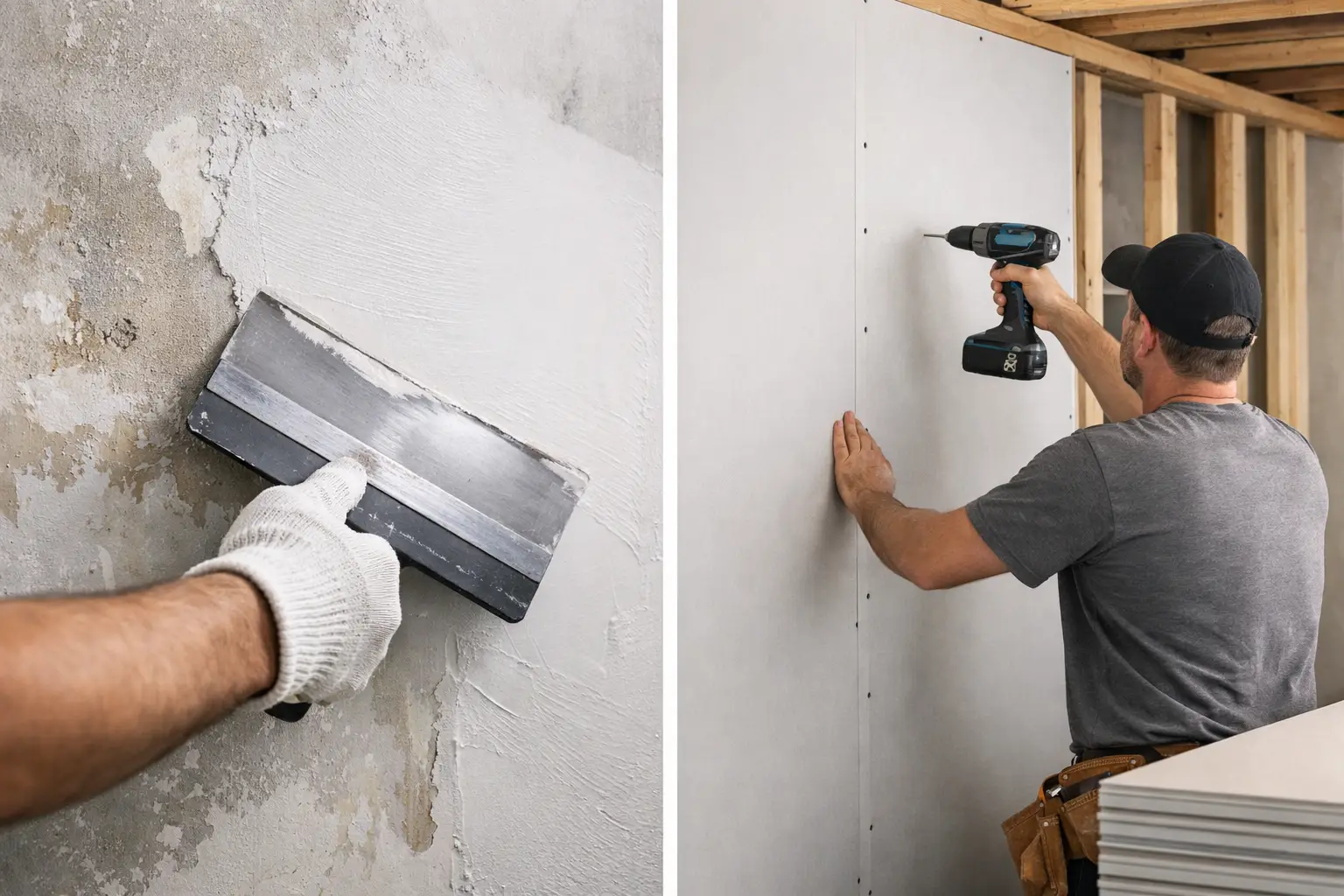
A skim coat is a thin, carefully applied layer of joint compound spread across all or part of a wall or ceiling. Its purpose is to level minor imperfections and create a smooth, paint-ready finish. It is especially useful when the drywall itself is sound but the surface has years of patches, texture, shallow dents, poor previous finishing, or paint damage.
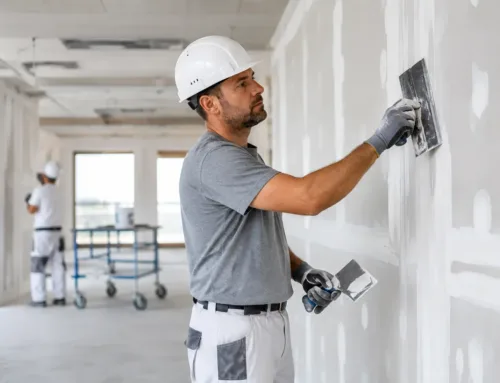
Drywall replacement means removing damaged panels, checking the framing and insulation behind them when needed, hanging new drywall, finishing the seams, and matching the surrounding texture. It is more involved, but it gives the contractor a clean, stable base when the existing board is no longer worth saving.
The key question is simple: Is the damage limited to the finish, or has it affected the drywall panel itself? Joint compound can correct surface flaws. It cannot make swollen gypsum, crumbling board, active mold growth, or a loose panel structurally sound.
When Skim Coating Is the Right Repair
Skim coating is often the best value when a wall feels solid, dry, and securely fastened but looks tired or uneven. It can be applied over existing smooth drywall, repaired plaster, and certain lightly textured surfaces after proper preparation. The work is detailed, but it avoids the demolition and disposal involved with removing otherwise good drywall.
A skim coat may be a strong option when you are dealing with shallow scratches, old anchor holes, visible patch edges, minor seam ridges, roller marks, light orange-peel texture, or walls with repeated small repairs. It is also a practical choice before repainting a room where flat lighting from windows or recessed fixtures makes every imperfection stand out.
Older Southeast Michigan homes often have a mix of plaster repairs and drywall additions from different remodels. In those cases, a skilled skim coat can help bring uneven transitions into one clean visual plane. The surface still needs to be properly prepared. Loose paint, dusty residue, wallpaper adhesive, and failing tape must be addressed before compound is applied.
Skim coating is not a shortcut. Achieving a smooth result usually requires multiple thin coats, drying time, sanding, and careful cleanup. The value comes from the finished appearance: a consistent surface that is ready for primer and paint without the patchwork look many homeowners are trying to eliminate.
What a Skim Coat Cannot Fix
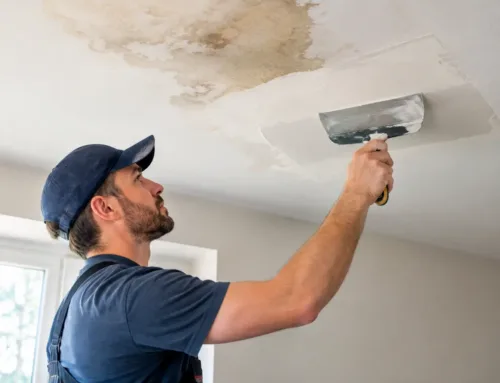
There are limits to even the best finish work. A skim coat will not correct a bowed stud wall, drywall that is detached from framing, or deep impact damage where the face paper and gypsum core are broken. It also should not be used to cover recurring water stains until the leak or moisture source has been corrected.
If cracks continue to open after prior repairs, the issue may be movement at a seam, settling, truss uplift, or framing changes. The repair may still involve finishing work, but the cause needs attention first. Simply applying more compound over an active crack can lead to another visible failure after the next season changes humidity or temperature.
Signs You Should Replace Drywall Instead
Replacement is typically the better choice when the drywall has been compromised beyond the surface. Water damage is one of the clearest examples. A brown stain is not always a reason to tear out a panel, but soft drywall, bubbling paper, sagging ceilings, swelling along edges, or a musty odor are warning signs that the board may need to go.
Drywall replacement also makes sense after a major plumbing leak, roof leak, flood, or long-term condensation issue. Once the affected area is opened, the framing cavity can be checked for moisture, mold-related concerns, insulation damage, and hidden deterioration. That work helps prevent a clean new finish from covering a problem that will return.
Consider replacement when damage includes large holes, extensive crumbling, multiple failed patches in the same area, or heavy texture that would take more labor to flatten than to remove and replace. A ceiling with widespread water damage is another situation where a full replacement can be safer and more predictable than trying to preserve weak material overhead.
For commercial spaces and rental properties, replacement may be the practical answer when a wall has accumulated years of repairs, impact damage, and mismatched textures. Starting fresh can reduce maintenance headaches and produce a consistent finish that holds up better for the next tenant or repainting cycle.
Replacement Is Also an Opportunity to Correct Hidden Problems
Opening a wall is not always welcome, but it can be useful during a remodel or after damage. It provides access to add or adjust insulation, confirm framing is secure, install blocking for fixtures, or coordinate electrical and plumbing work. If a homeowner is already changing the room layout, replacing drywall may fit the project better than trying to blend old walls into new construction.
The trade-off is disruption. Replacement involves removal, debris handling, new materials, drying time between finish coats, and texture matching or skim coating around adjacent surfaces. A clean, organized contractor can keep that disruption manageable, but it is still more extensive than a surface repair.
Cost Depends on More Than Square Footage
It is tempting to assume skim coating is always cheaper and drywall replacement is always more expensive. Often that is true, but not always. The condition of the room matters. A small, badly damaged section may be faster to cut out and replace than to build up with repeated compound applications. On the other hand, replacing an entire room of structurally sound drywall simply to remove light texture can add unnecessary demolition and finishing costs.
Access also affects the quote. High ceilings, stairwells, occupied rooms, built-in cabinetry, furniture protection, and detailed texture matching all require more labor. Water-damaged work may include removal of insulation or coordination after the leak source is repaired. A clear estimate should explain whether the scope covers repair, replacement, finishing, texture work, and paint-ready preparation.
The lowest initial number is not always the best value. Poorly blended patches, visible seams, and repairs that fail after a few months can lead to another round of work. Choosing the right repair scope at the beginning is usually the more affordable path.
A Practical Way to Make the Decision
Before approving either option, look closely at the affected area in good light and press gently around the damage. Drywall should feel firm, dry, and stable. Stains should be investigated, especially on ceilings or near plumbing fixtures, exterior walls, windows, and roof lines. If the area is soft, swollen, damp, or smells musty, replacement and source correction deserve serious consideration.
If the wall is solid but visually inconsistent, ask whether a localized patch will blend well or whether a broader skim coat will produce the cleaner result. This is particularly important with smooth walls. Smooth finishes show imperfections more readily than textured surfaces, so blending often requires treating a larger area than the original blemish.
It also helps to consider your plans for the room. If you are repainting, remodeling, selling, or preparing a rental unit, a paint-ready finish can make a noticeable difference. If you expect future plumbing or electrical work in the same wall, timing the drywall replacement with that work may avoid doing the job twice.
Choose a Repair That Will Still Look Right After Paint
The best drywall decision is not the one that hides damage for a week. It is the one that leaves a stable wall, a matched texture, and a finish that looks right once primer and paint expose every detail. Whether the answer is a careful skim coat or complete drywall replacement, the workmanship between the initial inspection and the final sanding matters.
TDM Drywall brings more than 32 years of hands-on experience to repairs, replacement, texture matching, and paint-ready finishing throughout Monroe and the Downriver area. A qualified, insured drywall contractor can assess the cause of the damage, explain the practical options clearly, and complete the work with clean, durable results that last.