
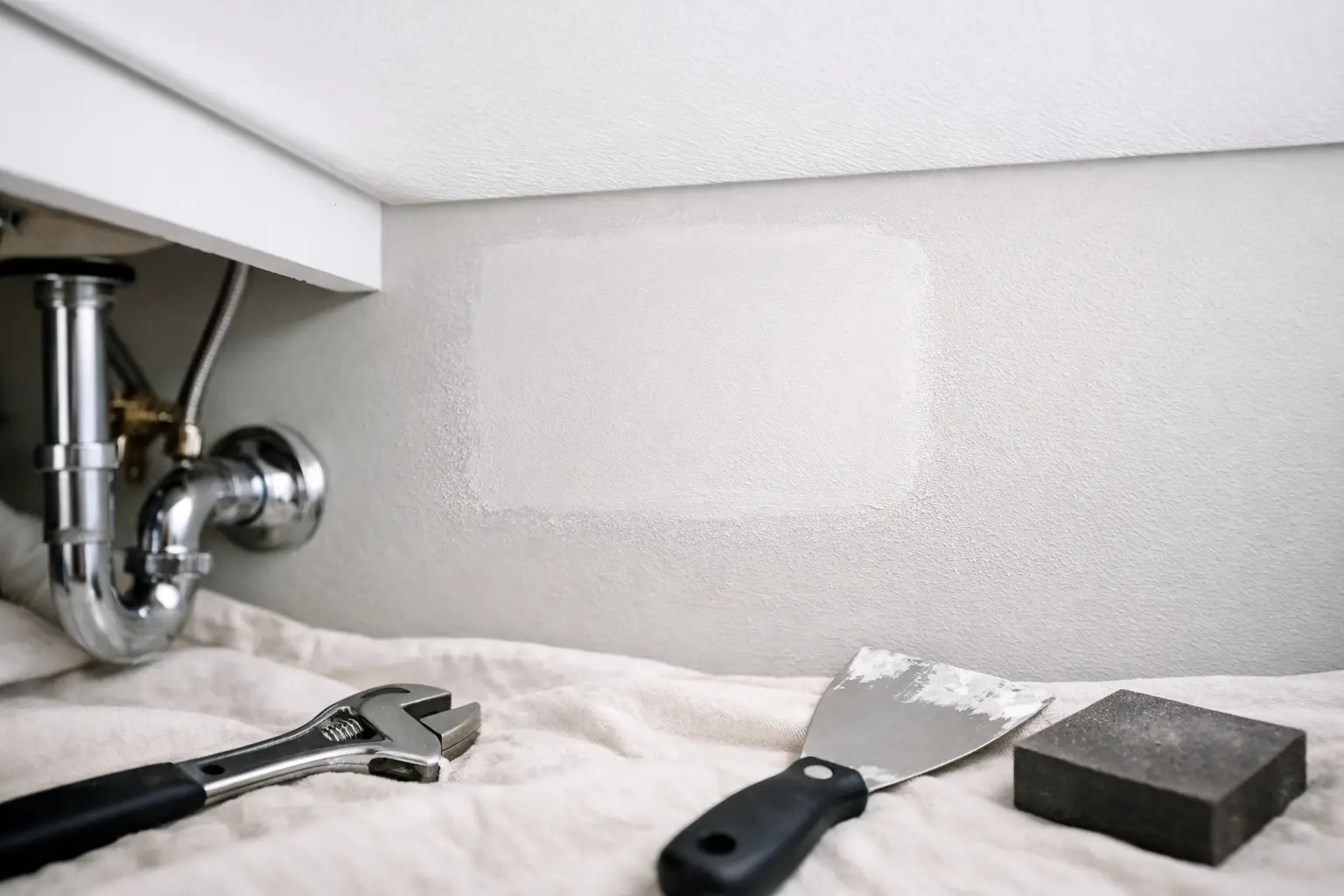
A drywall patch after plumbing work can look simple from across the room, but the details decide whether it disappears into the wall or becomes the spot you notice every day. Plumbing repairs often require opening walls or ceilings to reach a leaking pipe, replace a valve, or repair a drain line. Once the plumber is finished, the opening needs more than a piece of drywall and a quick coat of mud. It needs to be dry, properly supported, blended to the existing surface, and ready for paint.
For homeowners, property managers, and remodeling contractors, the best time to plan the wall repair is before the plumber closes out the job. A little coordination prevents repeat work, helps protect the repair from hidden moisture, and produces a cleaner result.
Make Sure the Plumbing Problem Is Actually Solved
Drywall should not be repaired until the source of the water or plumbing issue has been corrected. This sounds obvious, but it is one of the most common reasons a new patch fails. A slow leak inside a wall can soak insulation, framing, and the back of a new drywall patch long before staining becomes visible again.
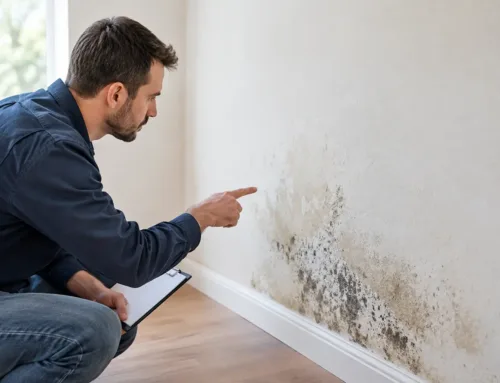
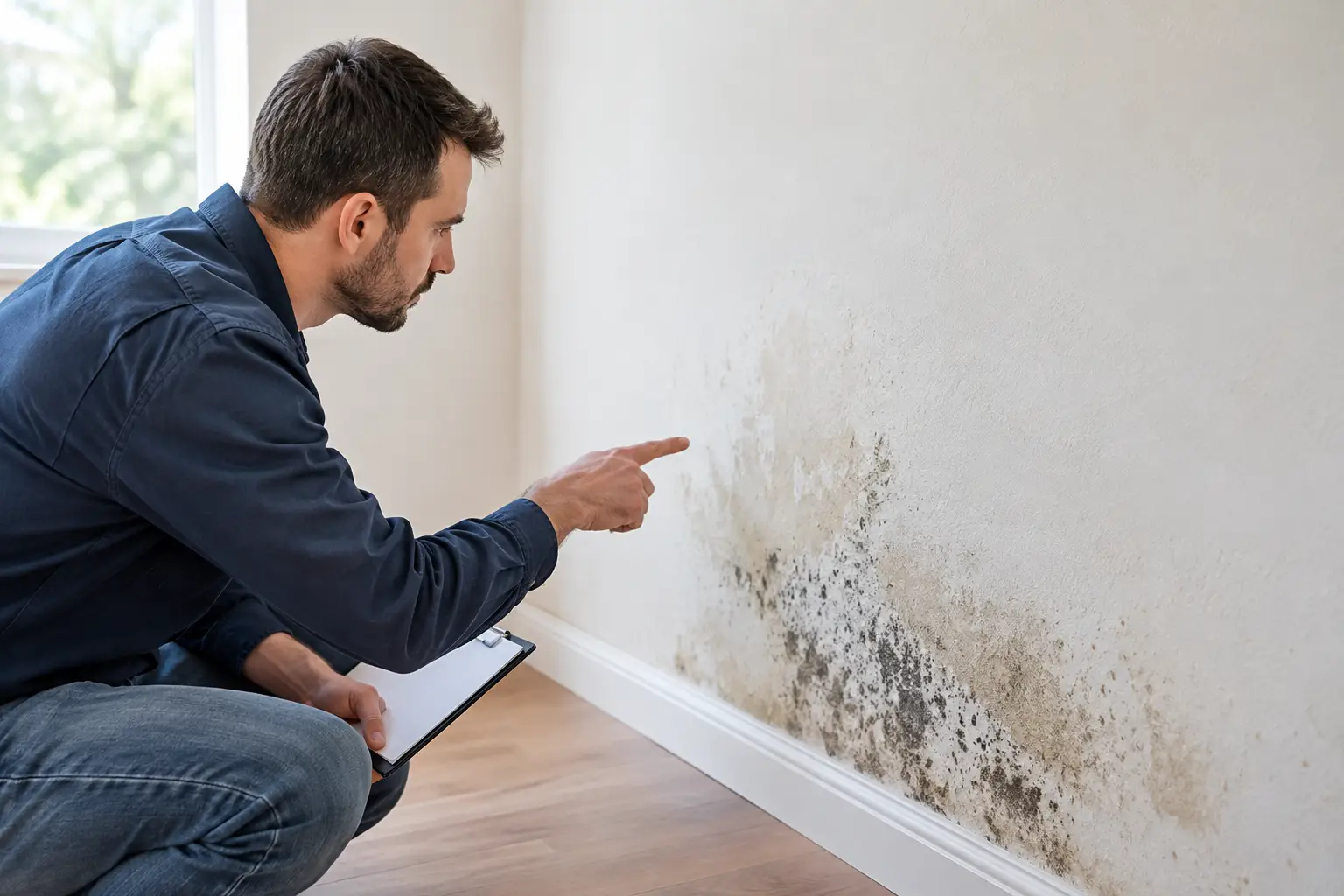
After a pipe repair, give the plumbing work time to be tested. The plumber may run water, pressurize the line, or check drains for seepage. If the opening was caused by a leak, the affected area should also be checked for damp insulation, wet framing, rusted fasteners, or signs of mold growth. Covering those conditions only traps a problem that should be addressed first.
In many cases, drying time matters as much as repair time. A small access opening made for a clean pipe repair may be ready to patch quickly. A larger ceiling opening below an upstairs bathroom, however, may need fans, dehumidification, or moisture readings before new material goes in. The right answer depends on how long the leak ran and how much water reached the surrounding materials.
When Is a Drywall Patch After Plumbing Ready?
The wall or ceiling is generally ready for repair when the plumbing has been tested, the cavity is dry, and any damaged materials have been removed. Drywall that has softened, swelled, crumbled, or developed staining from contaminated water should usually be cut back to solid material rather than patched over.
A clean, square opening is easier to repair than a jagged hole. During plumbing work, the opening may be cut wherever access is needed, which is understandable. Before patching, a drywall professional can trim it back to straight, stable edges and add backing where necessary. This creates a solid foundation for the new piece and helps prevent cracking along the seam later.
Ceilings deserve extra attention. Gravity works against every ceiling repair, and sagging or poorly secured patches can show up quickly under ceiling paint. If the opening is near a joist, light fixture, vent, or existing crack, the repair plan may need to change slightly to create a durable finish.
The Difference Between a Patch and a Paint-Ready Repair
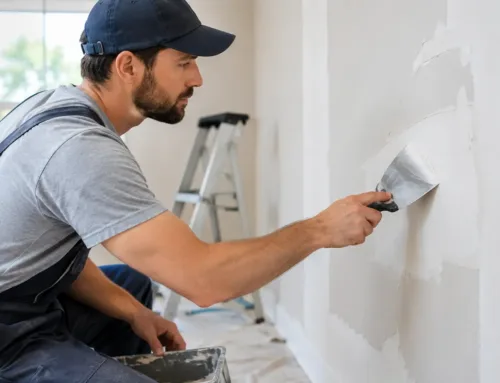
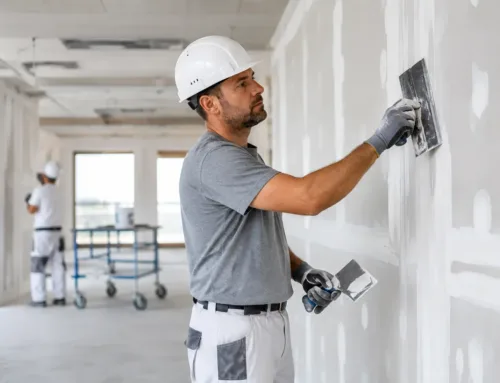
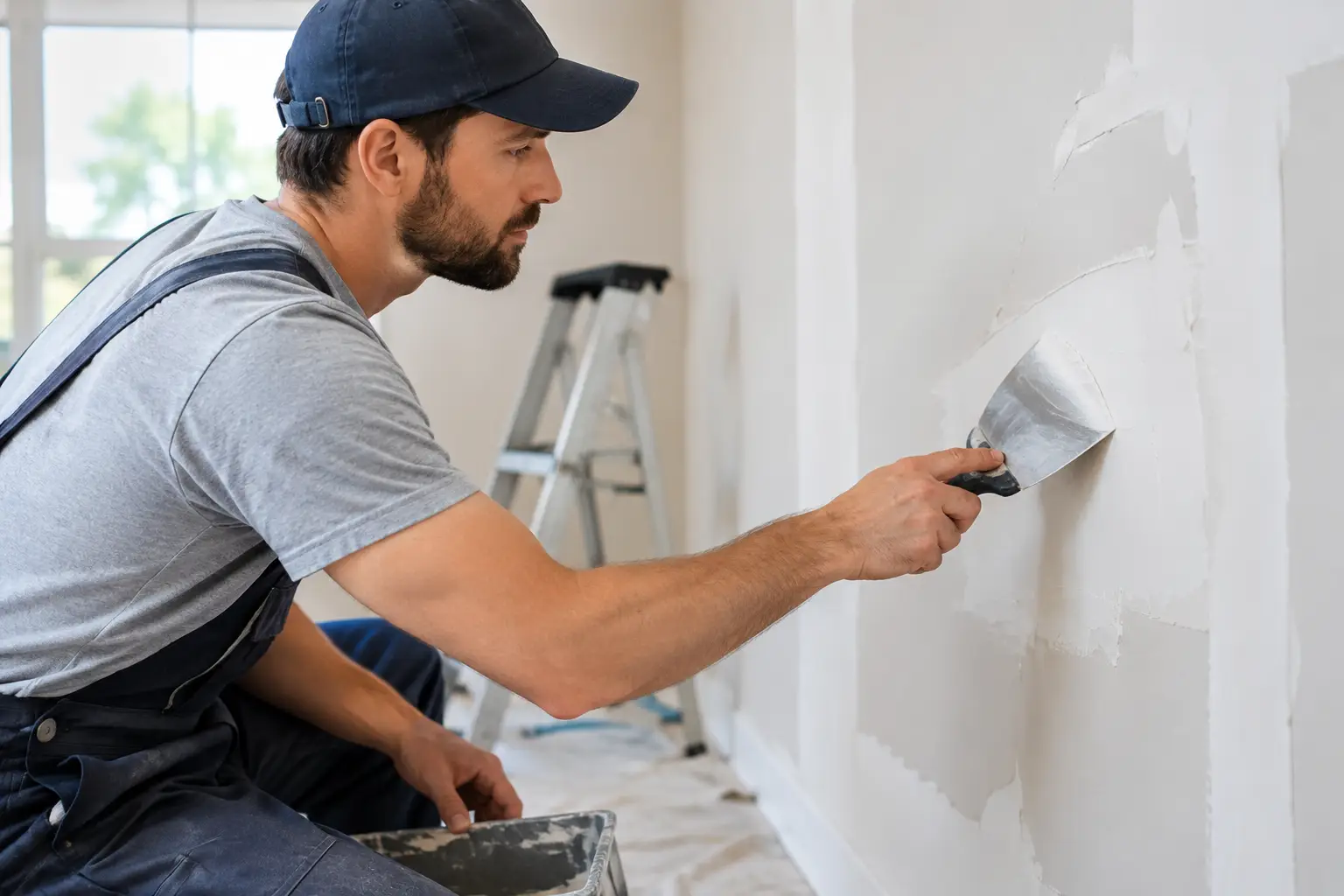
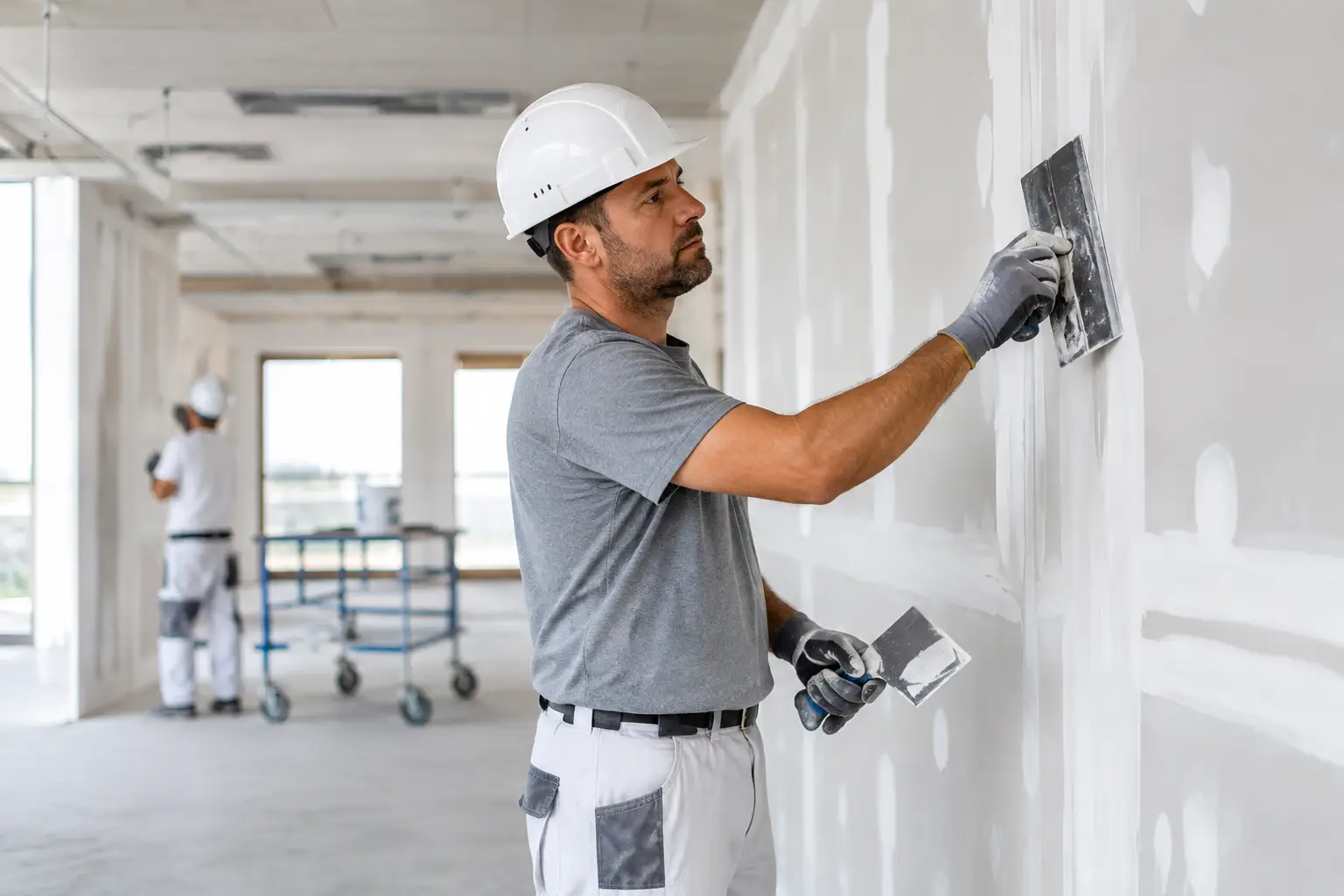
Installing a piece of drywall is only the first stage. The real workmanship is in rebuilding the surface so it matches the rest of the room. A proper repair includes securing the patch to solid backing or framing, taping the seams, applying joint compound in multiple coats, and sanding the area smooth without damaging the surrounding wall.
The compound must extend well beyond the opening. This gradual feathering is what prevents a repaired area from looking like a raised square after painting. Small patches can still require a surprisingly wide finish area, especially on smooth walls, ceilings, hallways, and rooms with strong side lighting from windows.
Texture matching adds another level of difficulty. Orange peel, knockdown, skip trowel, hand-applied plaster textures, and older ceiling finishes all reflect light differently. A patch may be smooth and structurally sound yet still stand out if the texture is not blended correctly. Matching the pattern, thickness, and edge transition takes experience, particularly where an older finish has been painted several times.
For this reason, a repair that looks acceptable before paint can look very different afterward. Flat paint is more forgiving than satin or semi-gloss, while glossier finishes can highlight even minor ridges or sanding marks. Paint-ready does not simply mean the hole is covered. It means the repaired area has been finished with the same care as the original surface.
Should You Leave an Access Panel Instead?
Not every plumbing opening should be closed permanently. If the hole provides access to a shutoff valve, shower valve, cleanout, or another component that may need service later, an access panel can be the smarter choice. It avoids cutting into a finished wall again if future maintenance is needed.
The trade-off is appearance. Access panels are available in paintable styles and can be placed in closets, utility rooms, or less visible wall areas when possible. In a highly visible finished room, many homeowners prefer a permanent drywall repair once the plumbing professional confirms that future access is not necessary.
This decision is easiest when the plumber, homeowner, and drywall contractor discuss it before the patch is installed. Moving an access point after finishing is possible, but it creates unnecessary disruption and expense.
Why Water-Damaged Drywall Needs a Different Approach
A plumbing repair is not always a water-damage repair. A plumber may open a dry wall to replace a pipe or update a valve, leaving clean, undamaged drywall around the opening. That is usually a straightforward patching project.
When water has been involved, the condition of the materials changes the scope. Clean water from a supply-line leak may cause visible staining and soft drywall, while a drain or sewage backup requires more caution because contamination may be present. Materials affected by contaminated water often need removal rather than drying and cosmetic repair.
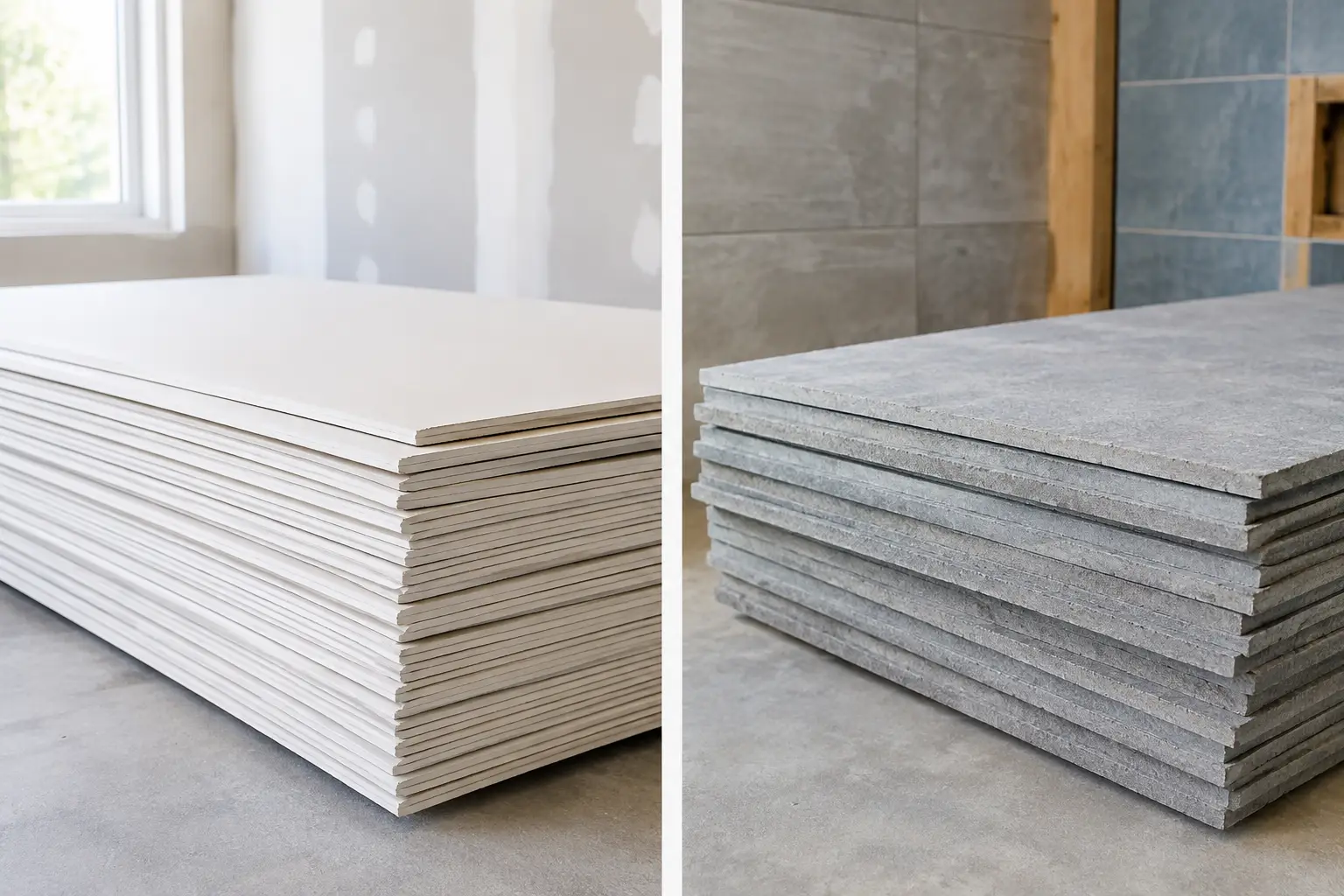
Older plaster walls can also need a different method. Plaster may crack beyond the immediate plumbing opening, and loose sections may not become apparent until the wall is evaluated. A durable repair may require stabilizing the surrounding area, applying the right base material, and blending the finish into the existing plaster. A quick patch can conceal the opening temporarily, but it may not hold up if the surrounding surface is already loose.
What Homeowners Can Do Before the Repair Crew Arrives
Once the plumbing repair is complete, clear a path to the work area and move fragile items, furniture, and wall décor away from the immediate space. Drywall work creates fine dust during sanding, even when the area is carefully contained. A professional crew should protect floors and nearby furnishings, but a little preparation helps the project move efficiently.
It also helps to save any information from the plumbing visit. Knowing where the leak occurred, what was repaired, and whether the plumber found additional moisture gives the drywall contractor a clearer picture of what is behind the wall. If insulation was removed or a cavity was left open to dry, mention that before scheduling the patch.
Do not rush to prime or paint around the opening before the repair is complete. Fresh paint can make texture matching and blending more difficult, and water stains need to be sealed correctly after the surface has been repaired. If the room will be repainted, plan for that after the patch has fully dried and been inspected under normal lighting.
A Clean Repair Protects the Rest of the Room
A dependable drywall repair should solve the visual problem without creating a mess or adding stress to an already inconvenient plumbing issue. That means protecting the work area, controlling dust, communicating clearly about drying time and scope, and leaving a durable, smooth surface ready for the next step.
At TDM Drywall, more than 32 years of hands-on experience goes into the details that make patches blend naturally, from clean seam work to careful texture matching. Whether a plumber opened one small wall section or a leak damaged part of a ceiling, the goal is the same: a clean, seamless result that belongs in the room.
If you are looking at an open wall after a plumbing repair, resist the urge to close it before the area is dry and the repair has been tested. A properly timed, professionally finished patch is a small investment in keeping one plumbing problem from becoming a recurring wall problem.