

A crack spreading above a doorway, a ceiling stain after a leak, or a wall surface that crumbles when touched can make an otherwise well-kept property feel neglected. Professional plaster services address more than the visible flaw. The right repair restores the strength, shape, and finish of the surface so it is ready for paint and built to hold up through everyday use.
For homeowners, property managers, remodelers, and business owners, plaster work is often needed when a repair must blend into an existing interior without leaving a patch that catches the eye. That takes a careful assessment, the right materials, and the patience to build a smooth, durable finish. It is not a job to rush with a quick layer of compound and a coat of paint.
When Plaster Repair Is the Right Call
Plaster remains common in older homes throughout Monroe, Downriver, and Southeast Michigan. It is valued for its solid feel, sound control, and long service life. However, plaster can crack or separate from its backing as a home settles, moisture enters the structure, or previous repairs begin to fail.
Hairline cracks are not always a major concern, but they should be watched. A crack that widens, repeats after being patched, or appears alongside a sagging area may point to loose plaster, movement, or a moisture issue. A professional can determine whether the surface can be stabilized and repaired or whether a larger section needs to be removed and rebuilt.
Water damage deserves prompt attention. A stained plaster ceiling or wall may look dry on the surface while the material beneath remains weakened. The source of the water must be corrected first. Once the area is dry and stable, damaged material can be removed, repaired, and finished to match the surrounding surface. Covering a water stain without addressing the underlying damage usually leads to another repair later.
Plaster repair is also a practical choice after electrical, plumbing, or remodeling work. Openings made to access wiring or pipes need more than a simple fill. The repaired area has to be built back to the proper depth, reinforced where needed, and blended so the wall or ceiling looks consistent after painting.
What Quality Plaster Services Should Include
Good plaster work is measured by what you do not notice when the job is complete. The repaired area should lie flat, feel solid, and blend with the rest of the room under normal lighting. Achieving that result begins with preparation.
A clear look at the cause of damage
Before repairs start, the contractor should inspect the surrounding area instead of treating every crack or hole the same way. A small impact hole has a different solution than deteriorated plaster around a window, a sagging ceiling, or recurring damage from a roof or plumbing leak.
This step helps avoid patching over a problem that is still active. If moisture, structural movement, or loose material is left in place, even a clean-looking repair can fail prematurely.
Proper removal and stabilization
Loose, soft, or detached material needs to be addressed before new plaster or repair material is applied. Depending on the condition of the wall or ceiling, that can mean securing sound plaster, removing failed sections, adding reinforcement, or replacing a damaged area with drywall before finishing it to match.
There is no single answer for every property. Preserving original plaster makes sense when the surrounding surface is solid and the damage is limited. In other cases, replacement provides a more dependable long-term repair. An experienced contractor should explain the difference plainly, including what each option means for cost, appearance, and durability.
A finish that matches the room
The final finish is where craftsmanship matters most. Smooth walls need careful skim coating and sanding so repaired spots do not show through new paint. Textured walls and ceilings require an even closer eye. A mismatch in knockdown, orange peel, stipple, or other texture can be visible from across the room, especially when sunlight hits the wall at an angle.
Professional texture matching is not about making the repair merely acceptable. It is about making the finish look like it belongs there. That is particularly important in living rooms, entryways, kitchens, hallways, and commercial spaces where customers or guests notice the details.
Plaster Repair, Skim Coating, or Drywall Replacement?
The best solution depends on the condition of the existing surface and the goals for the space. A localized plaster repair is often the best value when damage is limited and the remaining wall is sound. It keeps the project focused and preserves the existing surface.
Skim coating is useful when a wall has widespread small cracks, old repairs, heavy texture, uneven paint buildup, or minor surface imperfections. A thin, carefully applied coat creates a smoother base for painting. It can refresh a room without the disruption of removing every wall surface.
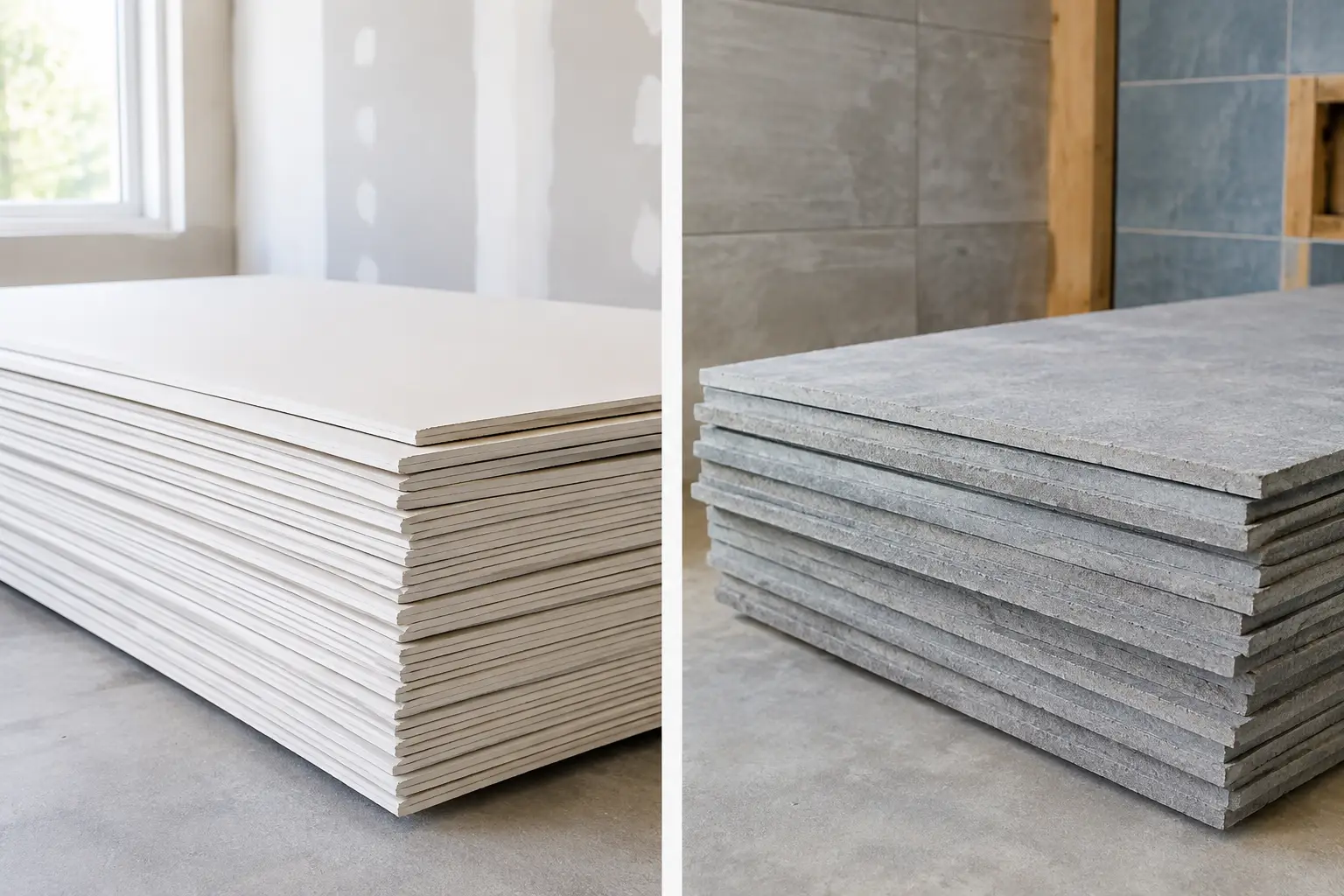
Full drywall replacement is worth considering when plaster has extensive water damage, large areas of detachment, severe cracking, or repeated patch failures. It may also be the practical choice during a major remodel, basement finish, addition, or commercial renovation where walls are already open for other work.
Replacing plaster is not automatically better, and repairing it is not always cheaper in the long run. The right recommendation comes from the actual condition of the room. A trustworthy contractor will not push a larger job when a durable repair will do, but will also be honest when patching is likely to become a cycle of repeat work.
Why Ceiling Repairs Need Extra Care
Ceilings show flaws differently than walls. Light from windows and fixtures can reveal uneven joints, sanding marks, patch edges, and texture differences immediately. Damaged ceiling plaster also raises a safety concern when it is loose or sagging.
A ceiling repair should begin with protecting the room and checking the source of any moisture damage. The damaged area may need removal, reinforcement, replacement, or a new drywall section, followed by taping, finishing, and texture matching. For smooth ceilings, the goal is a consistent, paint-ready surface without visible transitions.
Popcorn ceiling removal can be part of this work when homeowners want a cleaner, more current look. The project requires careful containment and preparation, particularly in older properties where testing may be appropriate before disturbing existing materials. Once the old texture is removed, the ceiling often needs repairs and skim coating before it can receive a smooth finish.
What to Expect From a Professional Plaster Contractor
Interior repair work takes place in the rooms people use every day, so communication and cleanliness matter. A dependable contractor should discuss the scope of work, identify likely repair steps, protect nearby floors and furnishings, and keep the workspace organized. Dust control and cleanup are not extras. They are part of respecting the property.
Scheduling also matters, especially for rental turnovers, occupied commercial spaces, and remodeling projects with multiple trades. Prompt communication helps owners, builders, and property managers plan around drying times, painting, inspections, and the next phase of work.
TDM Drywall brings more than 32 years of hands-on experience to plaster, drywall, wall, and ceiling repairs. As a licensed and insured family-run contractor, the focus is on clean workspaces, clear communication, seamless texture blending, and durable finishes that are ready for paint. That level of accountability matters when the goal is not just to cover damage, but to make the room feel finished again.
Protecting the Repair After the Work Is Done
Once a plaster repair is complete, allow the finished surface to dry as recommended before priming and painting. Use a quality primer suited to the repaired area so the paint absorbs evenly and the sheen stays consistent. This is especially important over new skim coating or repairs near old painted surfaces.
Keep an eye on the area over the next few weeks. If a new crack appears in the same location, it may be a sign of ongoing movement rather than a finish issue. Addressing it early gives you the best chance of protecting the repair and avoiding larger damage.
A well-repaired plaster wall or ceiling should not become the focal point of the room. With sound preparation, skilled finishing, and an honest recommendation on repair versus replacement, it can quietly do its job for years while the rest of the space looks exactly as it should.