
A doorknob-sized hole and a ceiling stained by a long-running roof leak may both be called drywall damage, but they should not be repaired the same way. The drywall patch vs full sheet decision affects the appearance of the finished wall, the durability of the repair, the amount of disruption in the room, and the final cost. The right choice comes down to what caused the damage, how far it extends, and whether the surrounding drywall is still sound.
A small, well-planned repair can disappear into the wall when it is properly supported, finished, and texture-matched. On the other hand, trying to save a sheet that is soft, warped, mold-affected, or heavily patched can leave a homeowner paying twice for the same problem. With more than 32 years of hands-on experience, TDM Drywall approaches each repair by looking beyond the visible mark and recommending the work that will hold up.
Drywall Patch vs Full Sheet: The Core Difference
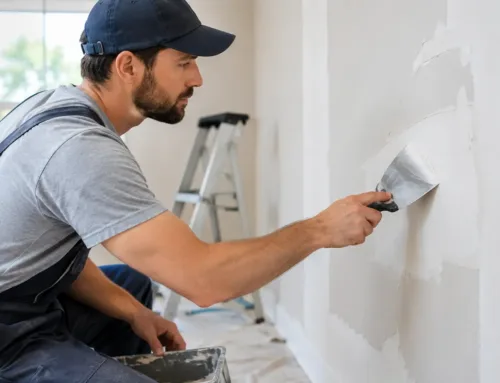
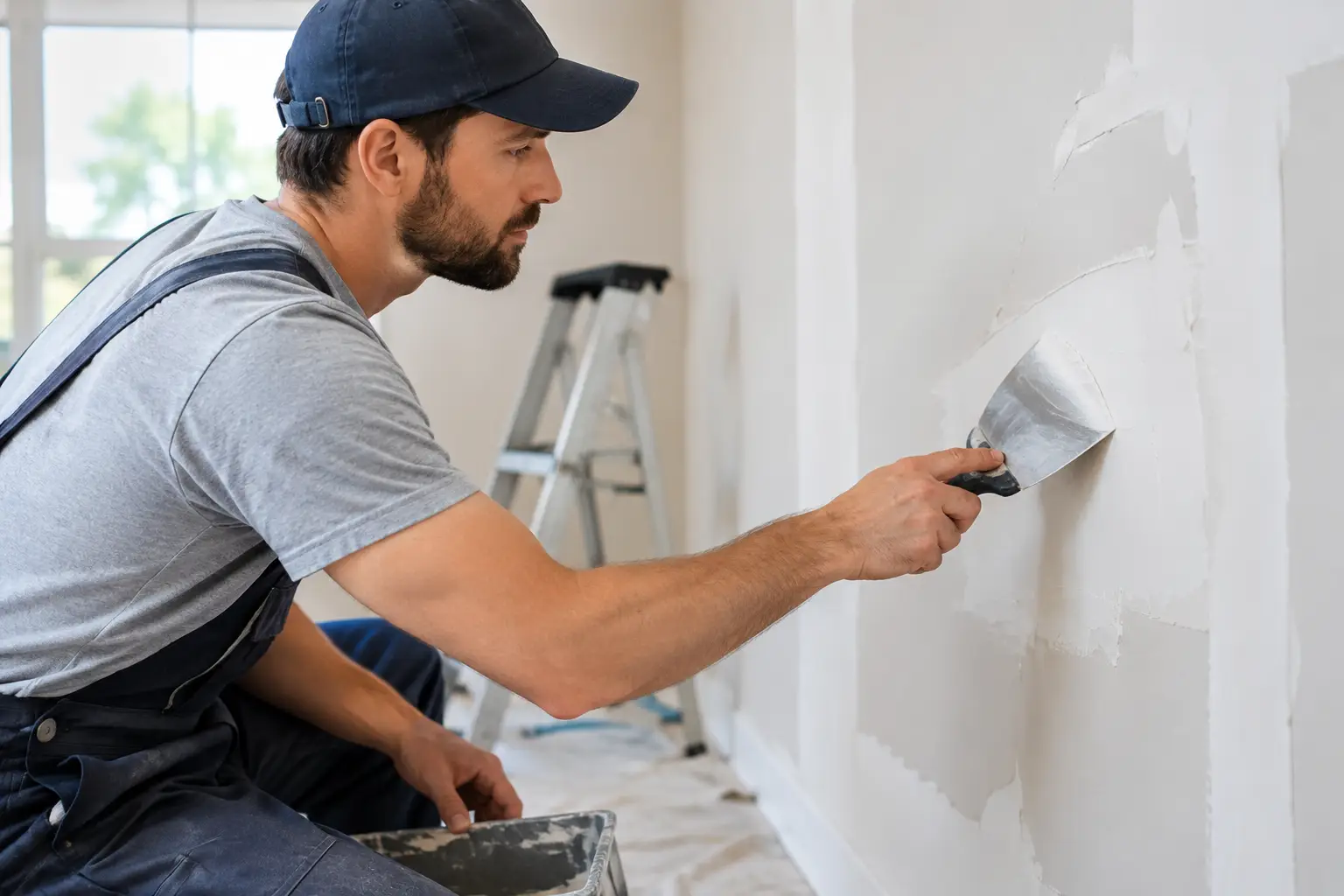
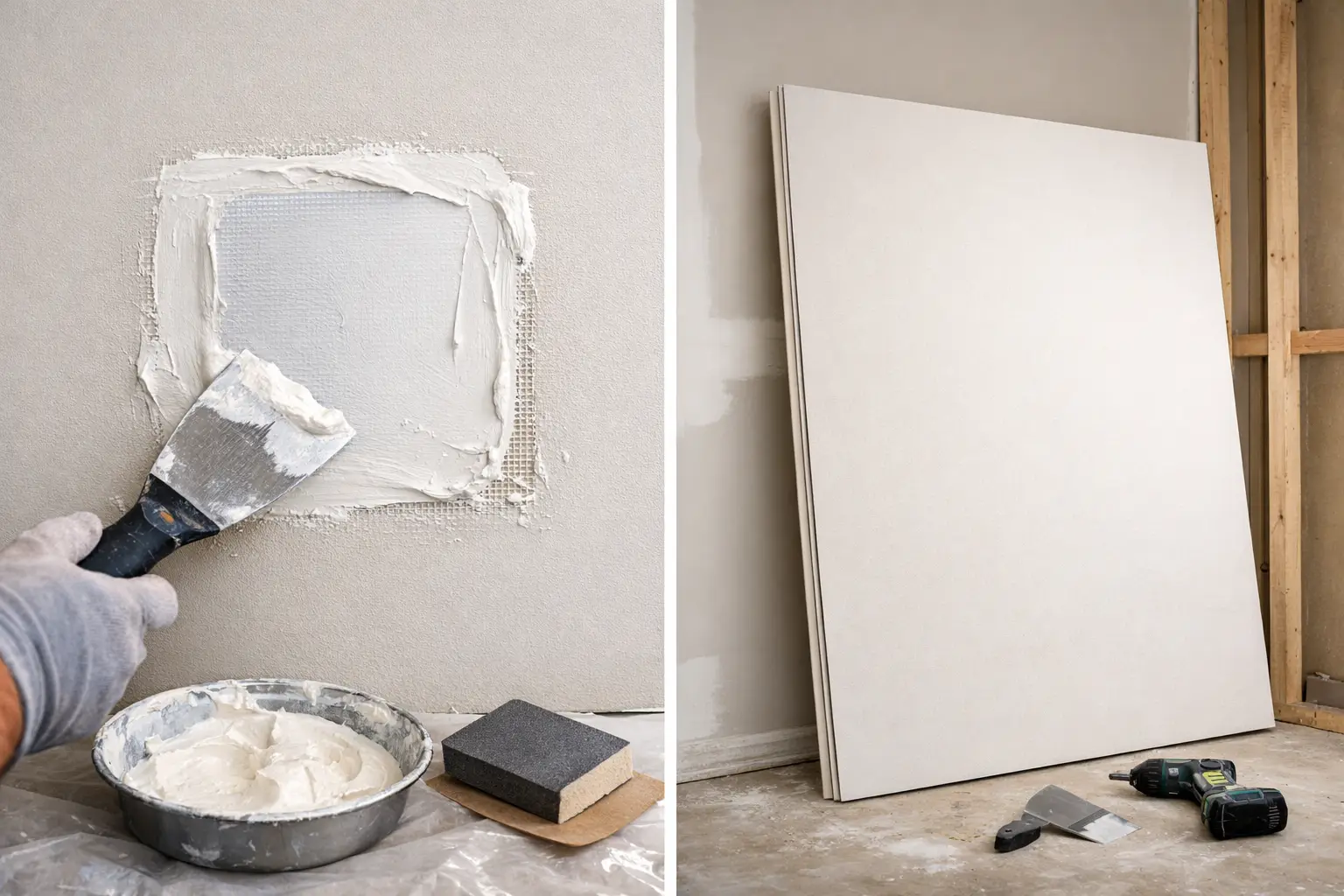
A drywall patch removes only the damaged area and replaces it with a new piece of drywall. The repair is taped, coated with joint compound, sanded, and blended into the existing surface. It is usually the practical option for isolated damage where the surrounding board remains dry, flat, and firmly attached to the framing.
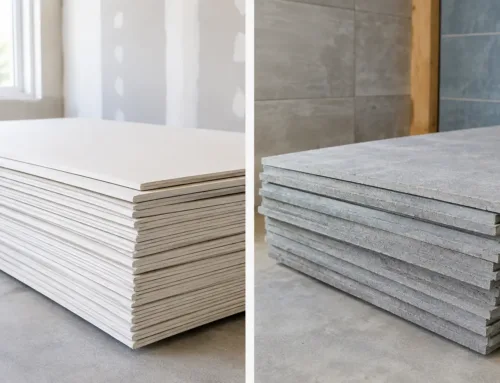
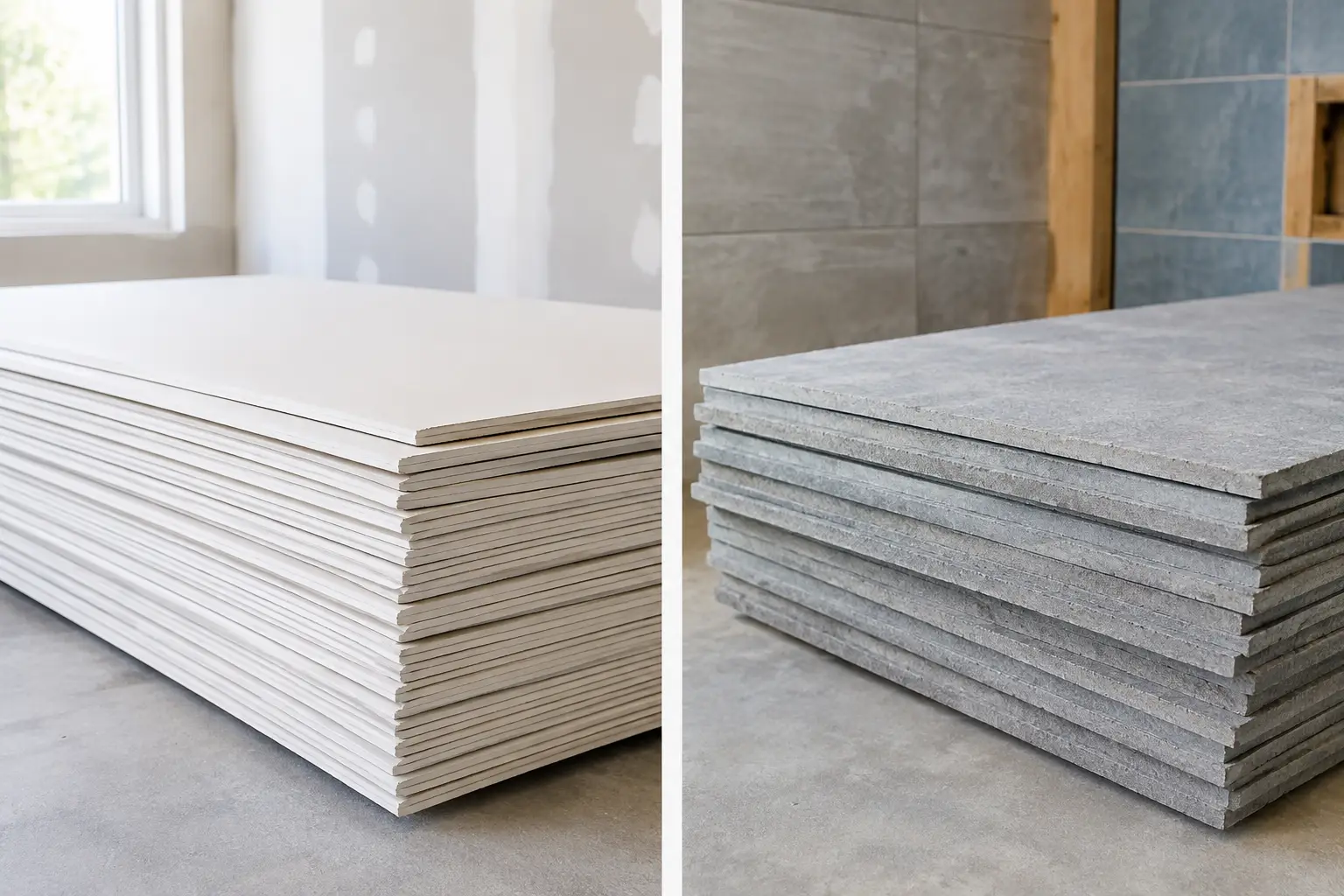
A full sheet replacement means removing a larger section of drywall, often from stud to stud or across an entire wall or ceiling area. This creates fewer seams in a damaged zone and gives the installer access to framing, insulation, plumbing, wiring, or moisture issues behind the wall. It is often the better long-term repair when damage is widespread or the existing drywall has lost its strength.
Neither option is automatically better. A full sheet is not always necessary, and a small patch is not always the most affordable choice once repeated repairs, texture matching, and paint touch-ups are considered.
When a Drywall Patch Is the Right Repair
Patching works well when damage is contained and there is solid drywall around it. Common examples include nail pops, minor cracks, dents from furniture, small holes from wall anchors, access openings for plumbing work, and limited damage from a door handle.
A good patch requires more than cutting a square around the hole and covering it with compound. The opening needs solid backing or framing support, the replacement drywall must match the existing thickness, and the seams need to be taped correctly. Thin coats of compound, proper drying time, and careful sanding are what keep the repair from showing through after paint.
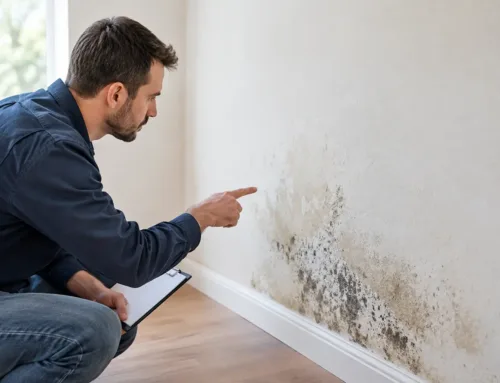
Patching can also make sense for a small water stain, but only after the leak has been fixed and the drywall has been inspected. If the board is firm, dry, and has not swelled or separated, a localized repair may be enough. Painting over a stain without correcting the cause is not a repair, and neither is patching wet drywall that will continue to deteriorate.
The main advantage of a patch is that it limits demolition. Less drywall is removed, less dust is created, and surrounding trim or finishes may be easier to protect. For one isolated problem, that can mean a faster and more cost-effective path to a clean, paint-ready wall.
Texture Matching Matters as Much as the Patch
A smooth wall can be challenging enough, especially when light hits it at an angle. Textured walls and ceilings add another level of detail. Orange peel, knockdown, hand texture, and older plaster-like finishes must be blended beyond the patch itself so the repair does not look like a separate island on the wall.
This is where a small patch can become more involved than homeowners expect. The hole may be only a few inches wide, but the finish area often needs to extend well beyond it. A professional repair focuses on making the surface read as one continuous wall after primer and paint, not simply filling the opening.
When Full Sheet Replacement Makes More Sense
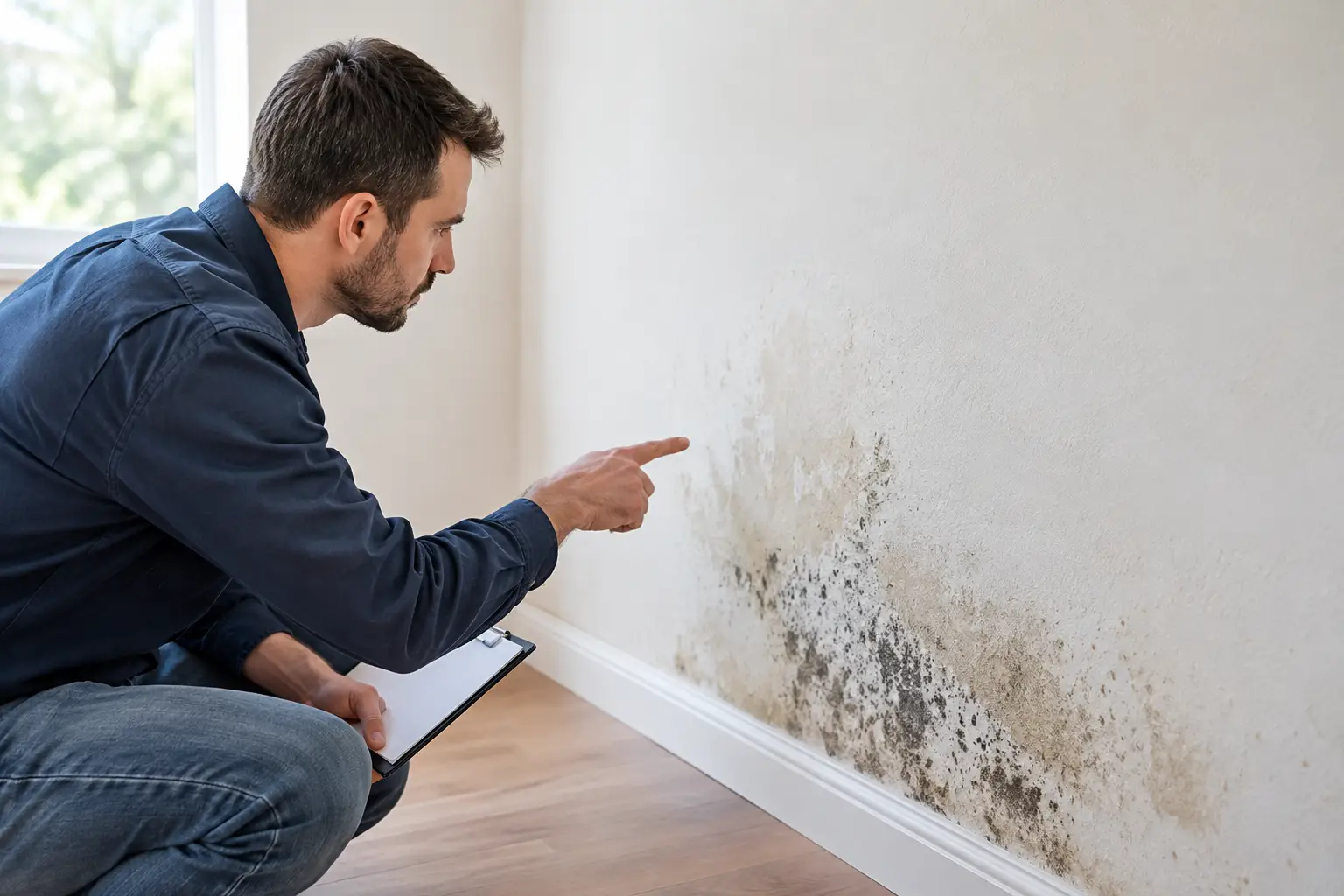
Full sheet replacement becomes the smarter choice when damage covers a broad area or compromises the drywall’s integrity. Water damage is a common reason. Drywall that has absorbed enough moisture to sag, crumble, swell at seams, or grow mold should be removed rather than skimmed over. The same is true when a ceiling has been weakened by a leak.
Multiple patches in one small area are another warning sign. If a wall has large holes, old repairs, cracks, loose tape, and damaged corners spread across several feet, replacing a larger section can create a cleaner result with fewer visible transitions. It may also save labor compared with rebuilding a surface one patch at a time.
A full sheet is also useful during remodeling. When electrical work, plumbing changes, insulation upgrades, or framing repairs require opening most of a wall, replacing the sheet after the work is complete often produces the best finish. The installer can fasten new drywall securely to the framing and plan seams where they are least noticeable.
Ceilings deserve particular care. A sagging ceiling seam or water-damaged section can be more than a cosmetic issue. Gravity puts continuous stress on ceiling drywall, so weakened board, failed fasteners, or compromised framing need to be evaluated before new material goes up. A larger replacement may be the safer, more durable choice.
Factors That Decide the Best Option
The size of the visible damage matters, but it is not the only factor. The cause of the damage matters just as much. A two-foot water-damaged area may call for a larger replacement if moisture traveled farther behind the surface. A larger opening made for an HVAC or plumbing repair may only need a patch if the adjacent drywall is dry, stable, and in good condition.
Location can change the approach as well. Repairs near corners, windows, doors, soffits, and ceiling joints may require more careful planning because these areas are more likely to crack or reveal seams. In older Southeast Michigan homes, drywall repairs may also involve previous patchwork, plaster transitions, uneven framing, or layers of paint that make blending more demanding.
The existing finish is another practical consideration. If the wall has a heavy texture, a large texture pattern, or a finish that has aged over time, a wider repair area may blend better than a tight patch. If the room is scheduled for complete repainting, homeowners have more flexibility than if they need a repair blended into a wall with no plans to paint the full surface.
Cost, Time, and the Value of Doing It Once
A drywall patch usually costs less than replacing a full sheet because it uses less material and requires less removal. But material cost is only one part of the job. Protecting the work area, cutting out damage, adding backing, taping, applying multiple finish coats, sanding, matching texture, and cleaning up all require skilled labor.
Full sheet replacement uses more material and can involve removing baseboards, trim, or fixtures. It may also create more dust and require more room preparation. Yet it can be more economical when the alternative is several separate patches or extensive compound work over damaged drywall.
The least expensive estimate is not always the lowest overall cost. A repair that leaves weak drywall in place, skips moisture investigation, or produces obvious seams can lead to repainting, repeat repairs, and frustration. The goal should be a clean, durable surface that is ready for paint and does not draw attention after the room is put back together.
What a Professional Evaluation Should Include
Before deciding between a patch and replacement, the damaged area should be checked for softness, staining, movement, loose fasteners, failed tape, and hidden moisture. If water was involved, the source must be corrected first. A drywall contractor should also consider the wall or ceiling texture, the condition of nearby seams, access to framing, and how the finished repair will blend with the rest of the room.
Clear communication helps homeowners make the right call. You should know what will be removed, why that scope is recommended, how the work area will be protected, and whether the finish will be ready for primer and paint. For property managers, builders, and commercial clients, dependable scheduling and a clean handoff matter just as much as the repair itself.
When damage is limited and the surrounding drywall is healthy, a properly finished patch is often all the wall needs. When the board is compromised or the damage has spread, replacing a larger section is the better investment. Start with the condition behind the surface, not just the size of the hole, and the repair is far more likely to look right and last.