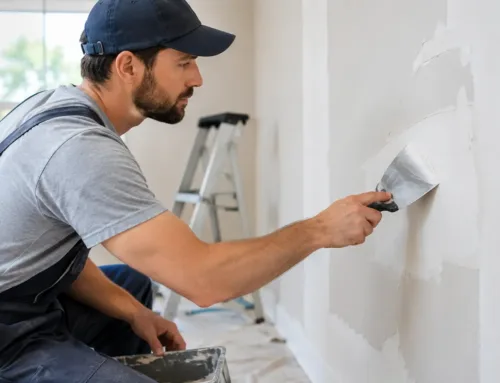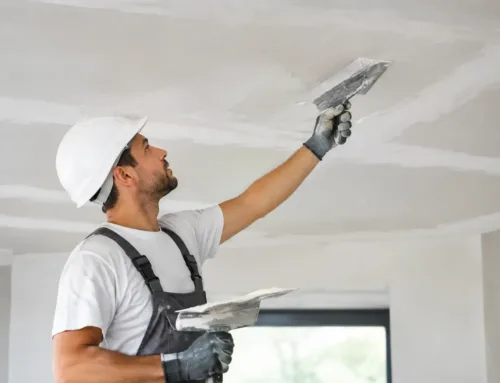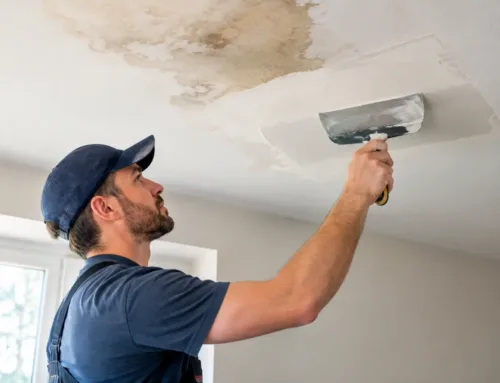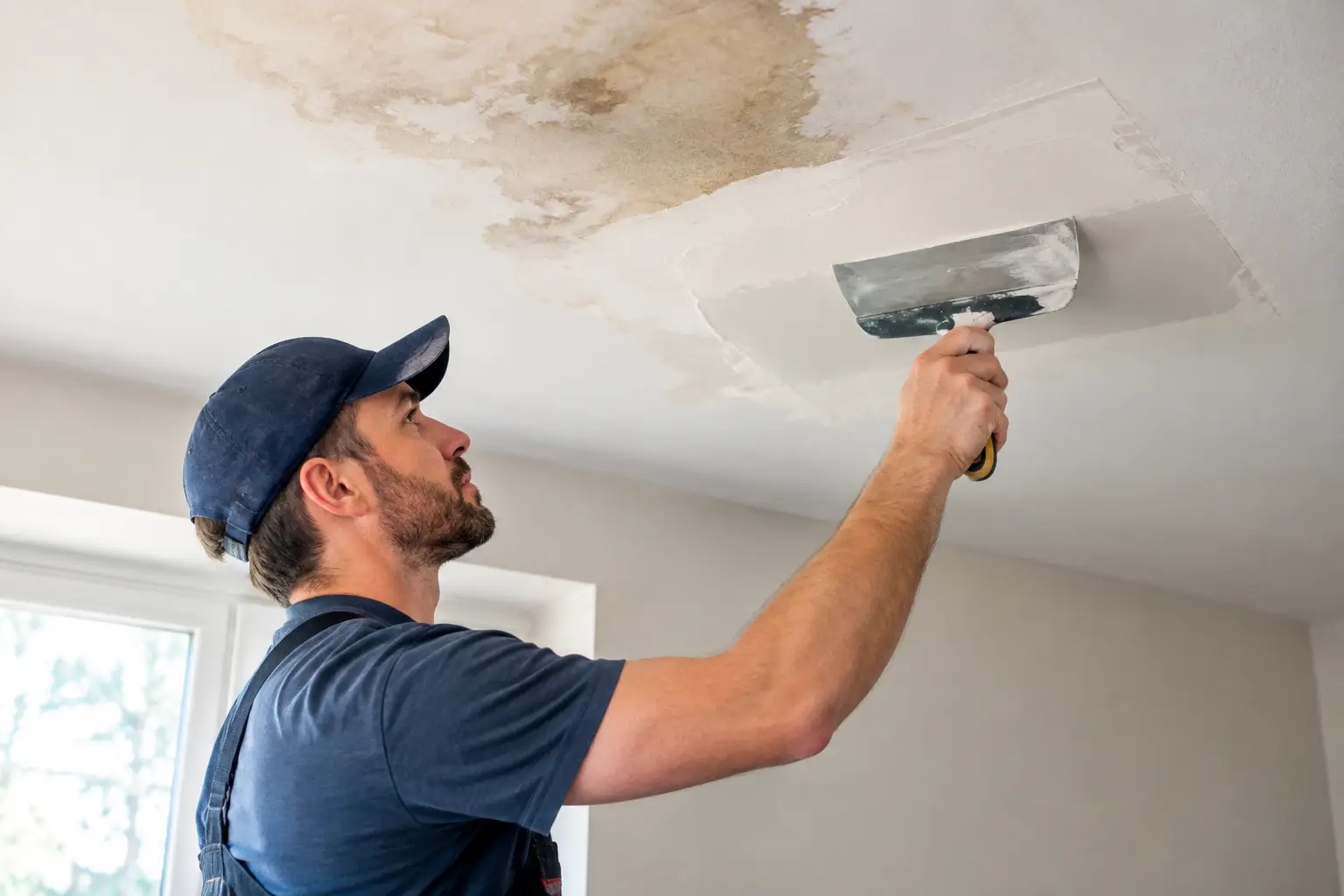

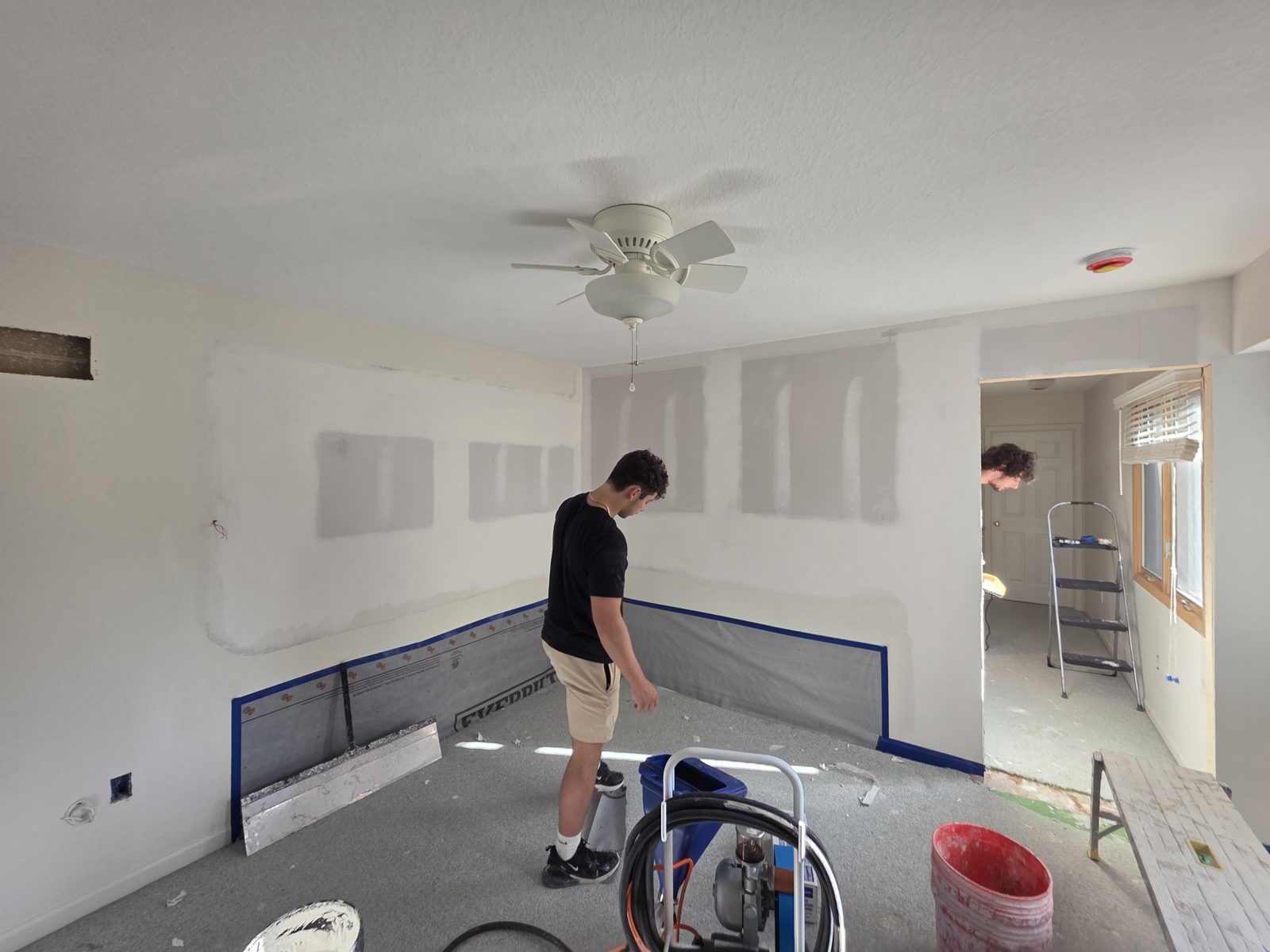
A nail hole from a picture frame is one thing. A sagging ceiling, a spreading crack, or a wall softened by a leaking pipe is another. Knowing when to hire a drywall professional can save you from patching the same area twice, wasting money on materials, or covering up a problem that is still getting worse behind the wall.
Some small repairs are reasonable weekend projects. Others require the kind of preparation, blending, and finish work that only becomes noticeable after the paint goes on. The goal is not to call a contractor for every mark on a wall. It is to recognize when a repair needs a clean, durable, paint-ready result rather than a temporary fix.
When to Hire a Drywall Professional Instead of DIY
Drywall work looks simple until the patch is dry and the surrounding wall does not match. A repair can be structurally secure yet still look rough under natural light. Raised seams, visible patch edges, uneven sanding, and mismatched texture are common signs that the finish process was rushed or the repair needed more experience than expected.
A homeowner can often handle a very small dent, a shallow nail hole, or minor scuffing with spackle, sandpaper, and touch-up paint. The trade-off is that even small patches can flash through paint if the surface is not feathered carefully. If the wall has a noticeable texture, dark paint, a glossy sheen, or bright side lighting from windows, professional finishing is often worth it.
It is also smart to bring in a drywall contractor when the repair affects more than one spot or involves an area that people will notice every day. An entryway wall, living room ceiling, stairwell, or kitchen soffit needs more than a quick cover-up. Those surfaces should look intentional and blend with the rest of the room.
Water Damage Needs More Than a Surface Patch
Brown stains, bubbling paint, crumbling drywall, and soft spots are clear reasons to call a professional. Water-damaged drywall can lose its strength quickly, and painting over a stain does not solve the moisture problem. Before the drywall is repaired, the source of the water must be corrected, whether it is a roof leak, plumbing issue, appliance leak, overflowing fixture, or condensation concern.
Once the area is dry and the leak has been resolved, damaged drywall may need to be cut out and replaced. This is especially true when the board is swollen, moldy, sagging, or deteriorating around fasteners. Trying to preserve severely damaged material can leave weak sections behind the finished surface.
Ceiling leaks deserve particular attention. Water can travel along framing and show up several feet away from the actual source. A professional can assess the visible damage, remove compromised material where needed, and restore the ceiling with properly supported drywall, finished seams, and stain-blocking preparation before painting.
For homes in Monroe and Southeast Michigan, seasonal weather can make small exterior leaks harder to notice until interior damage appears. Addressing the wall or ceiling promptly helps limit the size of the repair and protects the finish around it.
Recurring Cracks Are a Reason to Look Closer
Not every crack means there is a serious structural issue. Homes settle, framing expands and contracts, and seasonal changes can create minor movement. A thin hairline crack at a seam may be repairable with proper tape, joint compound, and finishing.
The concern is when cracks return after being patched, continue to grow, run diagonally from doors or windows, or appear alongside sticking doors, uneven floors, or other signs of movement. In those cases, the drywall repair should not begin with compound alone. The cause needs to be considered first.
A drywall professional can determine whether the repair calls for retaping a failed joint, reinforcing a damaged corner, replacing a section of board, or coordinating around another underlying issue. The right repair depends on why the crack formed. Simply filling it may make it disappear for a few months, but it will not necessarily keep it from returning.
Ceiling Repairs Are Less Forgiving Than Wall Repairs
Ceilings are one of the clearest cases for professional drywall help. Working overhead is physically demanding, but the bigger challenge is achieving a flat, consistent finish across a broad, highly visible surface. Light from windows and ceiling fixtures exposes ridges and uneven sanding that may not show on a wall.
Hire a professional if a ceiling is sagging, cracked along seams, damaged by water, or affected by an old repair that is starting to show through. Loose drywall can be a safety concern, especially around larger damaged areas. A qualified contractor can secure or replace the affected section, address seam failures, and finish the ceiling repair so it blends into the ceiling plane.
Popcorn ceiling removal is another job where experience makes a real difference. Older textured ceilings may require careful testing and containment before work begins. Once removal is appropriate, the ceiling still needs skilled skim coating and sanding to become smooth and paint-ready. That finish work is what separates a clean update from a ceiling that looks wavy after the first coat of paint.
Texture Matching Is a Specialized Repair
Orange peel, knockdown, skip trowel, hand-applied plaster textures, and older ceiling patterns all create a challenge: the patch cannot look like a patch. Matching texture involves more than spraying or brushing material onto the wall. The size, depth, spacing, and direction of the existing pattern all matter.
This is one of the most common reasons homeowners hire a drywall professional. The repair itself may be small, but an unmatched texture can draw attention across the entire room. A skilled finisher can blend new material into the existing surface, feather the transition, and leave the area ready for paint.
Texture matching matters even more in older homes, where plaster walls or previous repairs may have created a finish that is not easily duplicated with standard store-bought products. A contractor experienced with both drywall and plaster repair can choose the right approach instead of forcing a modern patch into an older surface.
Larger Openings and Remodel Work Need Proper Support
A hole from a door knob, moving furniture, or an access opening may look manageable from the front, but a lasting repair needs support behind the drywall. Larger patches usually require backing, accurately cut replacement board, taped seams, multiple finish coats, sanding, and texture or paint preparation.
The same is true for basement finishing, additions, room remodels, and wall changes after electrical or plumbing work. New drywall installation is not just about hanging sheets. Framing should be checked, seams should be planned, fasteners should sit correctly, and corners and transitions should be finished cleanly. Poor installation can create visible seams, nail pops, and cracking later.
For builders, property managers, and business owners, hiring a dependable drywall crew also helps keep schedules moving. Reliable communication, clean work areas, and a clear understanding of the finish expected can prevent the drywall phase from holding up painters, flooring installers, trim carpenters, or tenants.
What a Professional Repair Should Include
A quality drywall repair is usually a process, not one coat of mud and a quick sanding pass. The damaged area should be assessed, loose material removed, and the repair properly supported. Seams need tape and compound applied in thin, controlled coats, with enough drying time between steps to avoid cracking or shrinkage.
The final finish should be feathered beyond the immediate patch so it disappears into the surrounding wall. If texture is present, it should be blended before paint. The workspace should also be protected and cleaned, because drywall dust has a way of reaching far beyond the repair area when containment is ignored.
This is where experienced, fully insured contractors provide value. TDM Drywall brings more than 32 years of hands-on drywall and plaster experience to repairs, replacements, ceilings, texture matching, and new installation work. The focus is not simply covering damage. It is delivering a durable repair that looks right when the job is complete.
A Good Time to Get an Estimate
If you are unsure whether a repair is too large for DIY, an estimate can give you a practical answer before you spend a weekend experimenting. Take note of when the damage appeared, whether it is spreading, and whether water, movement, or a recent renovation may be involved. Photos can help explain the issue, but an in-person look is often the best way to identify what the repair actually requires.
The right time to hire a professional is usually before a small issue becomes a larger restoration. A clean repair done correctly can protect the look of your home or property, keep paint work on track, and let you move on without wondering when that crack, stain, or uneven patch will show up again.
Not sure if your repair needs a pro? Call TDM Drywall at (734) 341-3334 or request a free estimate. We serve Monroe County, Downriver and Western Wayne.