
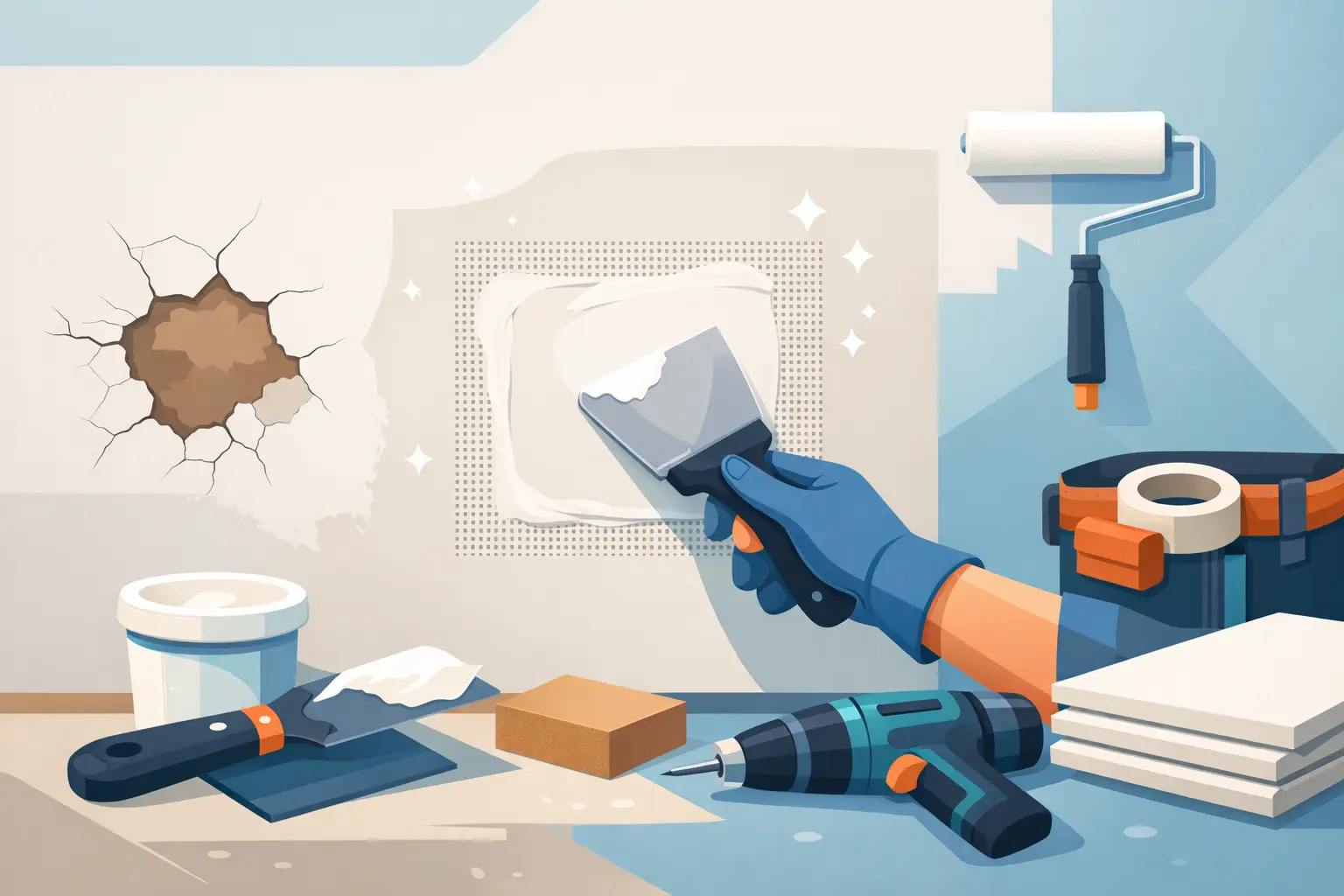
A wall patch should disappear when the job is finished. If you can still see the outline after paint, nobody really did the repair right. That is why drywall patch repair is not just about filling a hole. It is about restoring the surface so it looks consistent, holds up over time, and blends with the rest of the room.
For homeowners and property managers, that difference matters more than it may seem. Small damage can make an otherwise clean room look neglected. In remodeling work, a poor patch can stand out even more once new lighting, trim, or paint goes in. And in older homes, patching the wrong way can create a bigger finishing problem than the original damage.
What drywall patch repair actually fixes
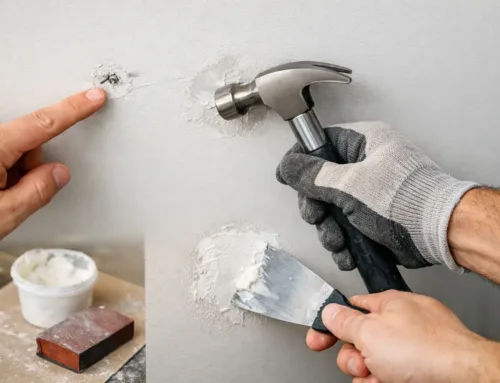
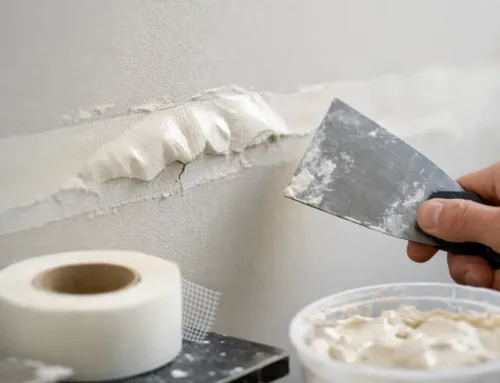
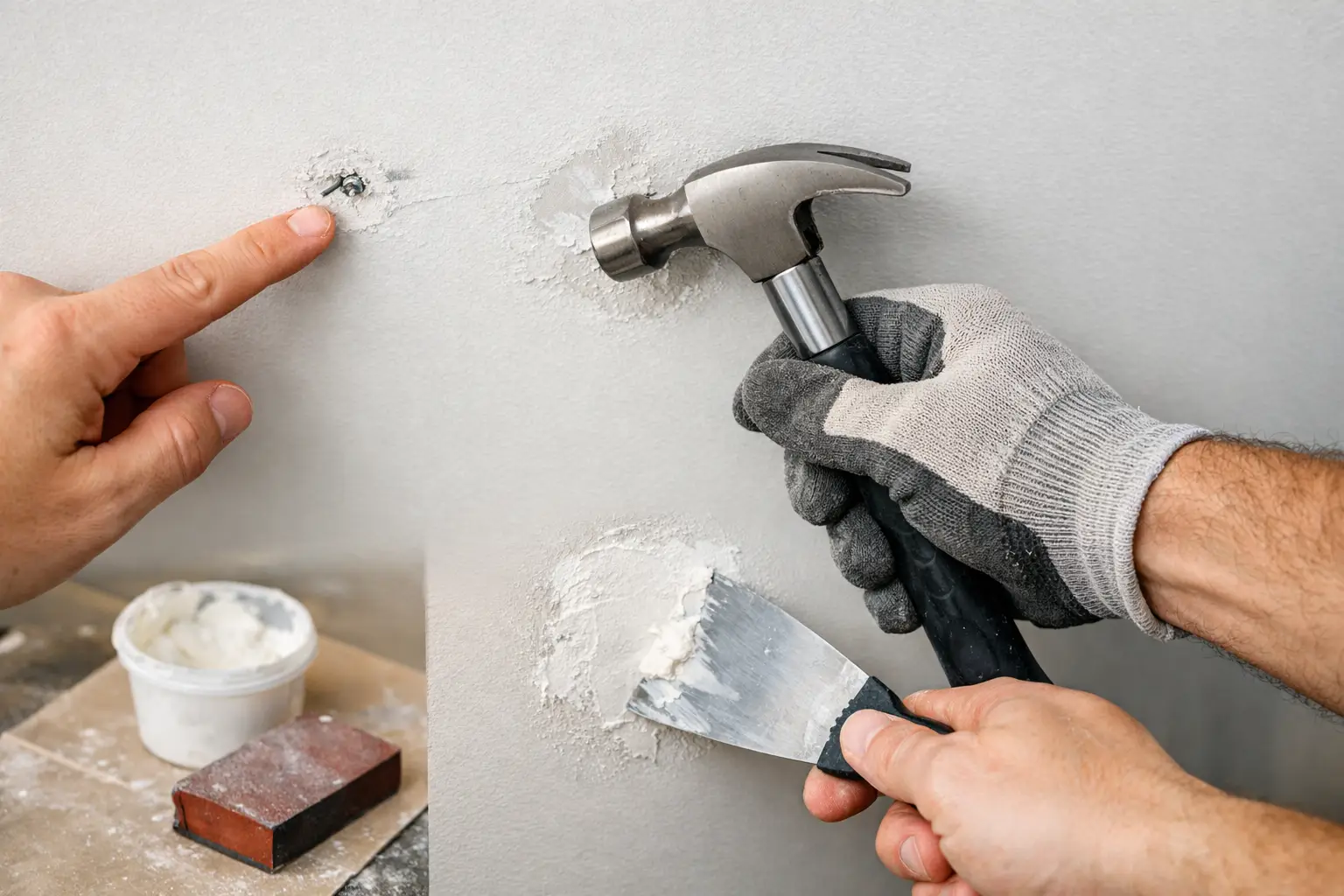
Most people think of patching as a fix for nail holes or a doorknob hole in the wall. For step-by-step guidance, see how to patch drywall holes the right way. Those are common repairs, but they are only part of the picture. You may also need a proper patch for stress cracks, cutouts from plumbing or electrical work, ceiling damage, water-stained sections, loose tape joints, and areas where old repairs have failed.
The size and cause of the damage matter. A crew handles a small dent from furniture differently than a soft spot caused by a roof leak. A crack over a doorway may point to simple movement, or it may keep reopening if nobody addresses the underlying issue. Good repair work starts with identifying what happened, not just covering what is visible.
That is one reason patching can be deceptive. On the surface, it looks simple. In practice, a durable result depends on the condition of the drywall, the surrounding finish, and whether the repair needs to match a smooth wall, orange peel, knockdown, or an older textured ceiling.
When a drywall patch repair is simple and when it is not
Some repairs are straightforward. A clean hole in solid drywall with no moisture damage and a smooth painted finish is usually a good candidate for a standard patch. If the surrounding area is stable and the surface is flat, the work is mostly about proper backing, setting the patch, finishing the seams, and sanding it smooth.
Other jobs take more judgment. Ceiling patches are harder because they are overhead and often catch light from windows or fixtures. Water damage is another example. If the drywall is swollen, soft, or stained through multiple layers, a crew often needs to cut out and replace the damaged section rather than skim over it. Trying to save compromised material may look fine for a short time, then fail later.
Older homes in Monroe and the Downriver area can add another layer of complexity. Some walls have plaster, mixed substrates, or previous repairs done over many years. In those cases, getting a flat, paint-ready finish may require more prep and more blending than a newer drywall surface.
Small patches still need proper finishing
A common mistake is assuming that a small repair does not need much attention. In reality, small patches are often the most noticeable because they are usually in high-visibility areas – hallways, living rooms, entryways, and around switches or outlets. If a crew builds the mud up too high, if the sanding leaves scratches, or if the texture is off, the repair can flash through paint right away.
That is why experienced finish work matters. The goal is not just to fill the damaged spot. It is to feather the repair far enough into the existing wall so the transition disappears.
Why some patches fail after painting
Many drywall repairs look acceptable before primer and paint. Then the finish goes on, the light hits the wall, and every edge shows. That usually happens for a few predictable reasons.
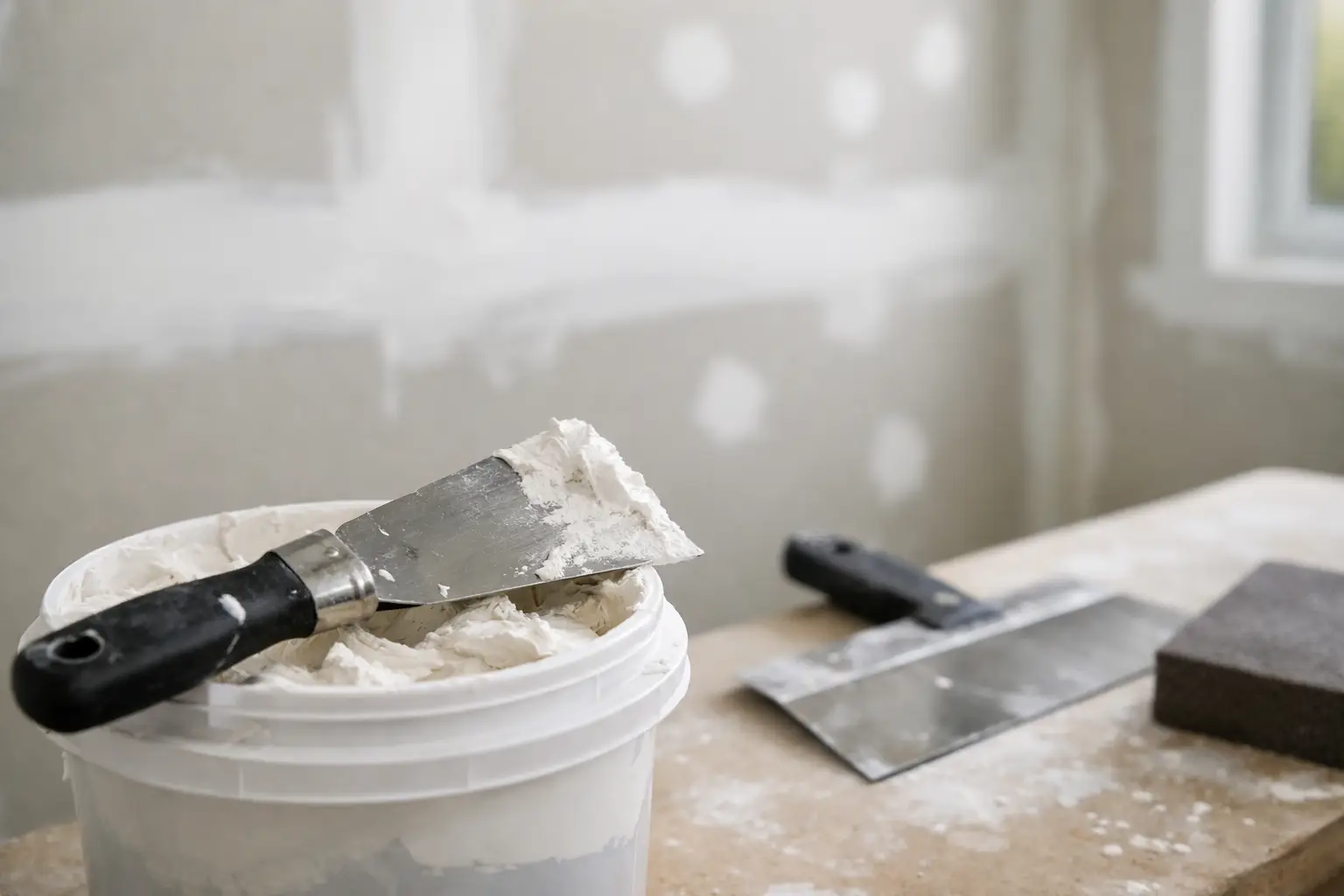
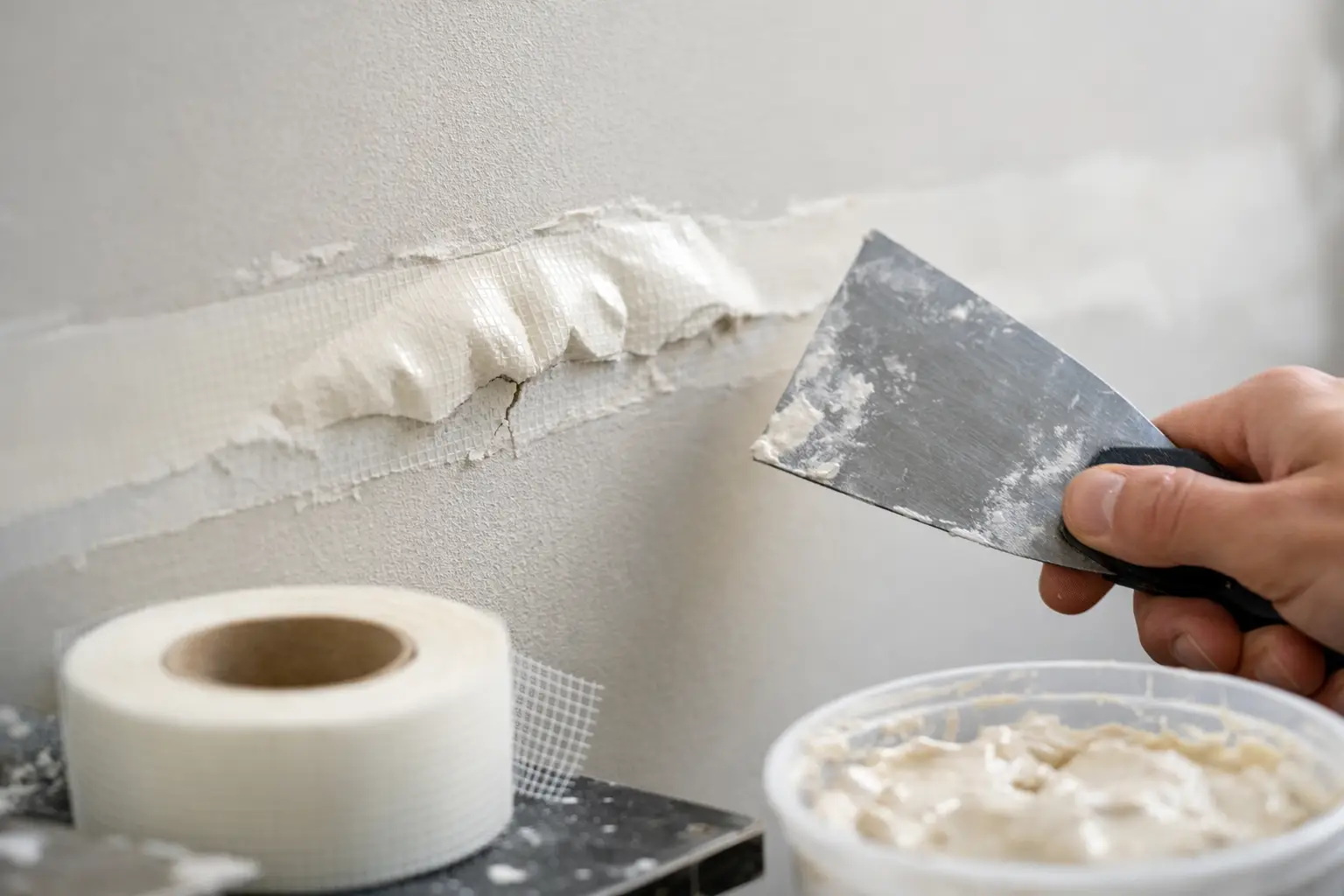
The first is poor surface prep. Dust, loose paper, damaged gypsum, or unstable edges can all weaken the patch. The second is using the wrong repair method for the size of the opening. The third is rushing the finishing process. A crew needs to apply joint compound in controlled coats, let it dry or set properly, and sand it without leaving a hump or dish in the wall.
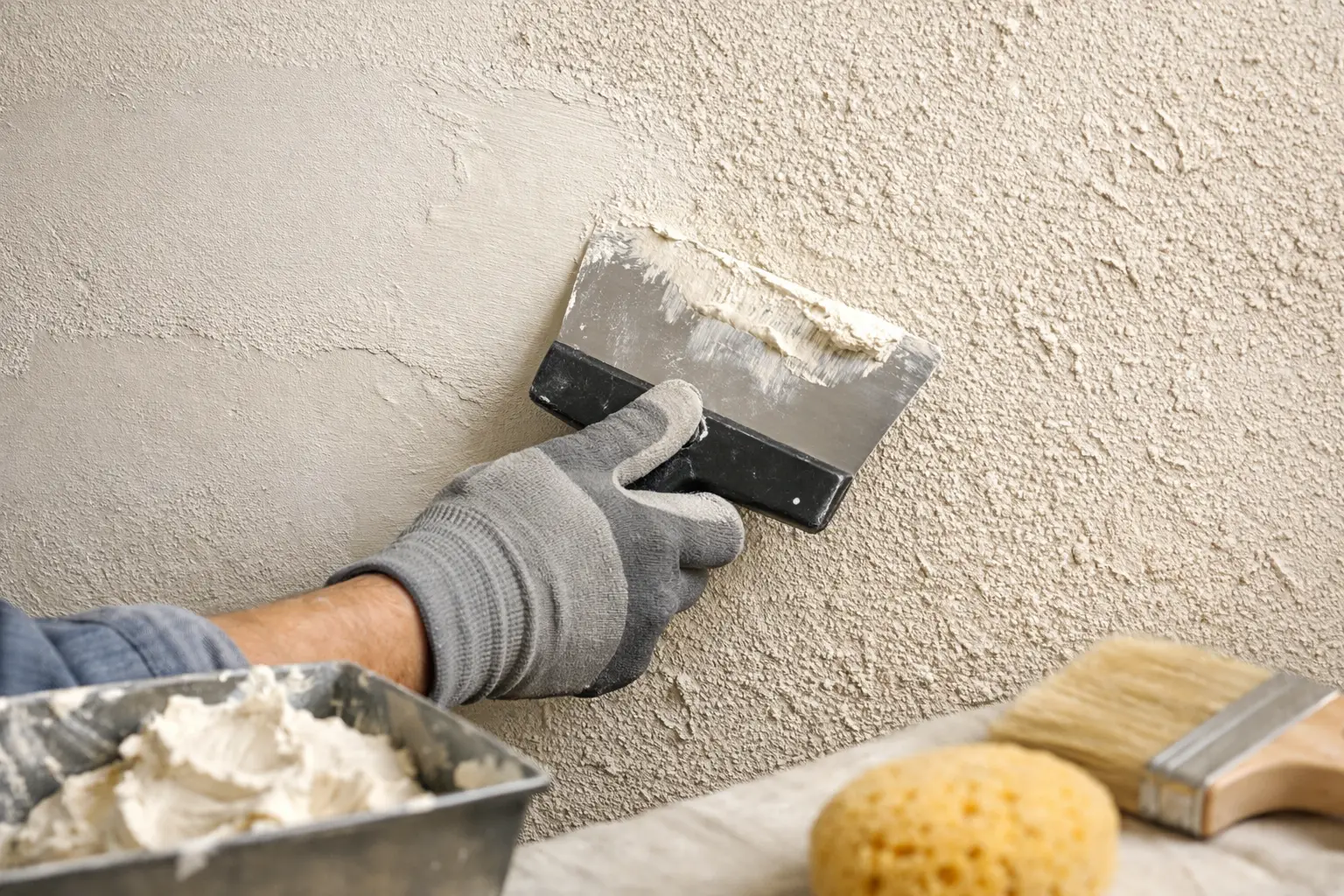
Texture mismatch is another common issue. A smooth patch in the middle of a lightly textured wall will stand out. So will a heavy knockdown repair that does not match the surrounding pattern. This is where craftsmanship makes the difference between a repair that looks obvious and one that disappears once painted.
Matching the wall matters as much as fixing the hole
A strong patch is only half the job. The final appearance depends on how well the repaired area matches the existing finish. On smooth walls, that means flatness, clean edges, and careful sanding. On textured surfaces, it means recreating the right pattern and blending it into the surrounding area rather than leaving a hard transition.
Ceilings are especially unforgiving. Even a minor variation in texture can show from across the room. The same goes for repairs near windows, where side lighting exposes every imperfection. When a contractor has real patching experience, they account for these details from the start instead of treating them like an afterthought.
Paint can hide less than people expect
A lot of people assume fresh paint will cover a mediocre repair. Usually, it does the opposite. Paint highlights uneven surfaces, sanding marks, and ridges around the patched area. Higher sheen paints make that even more obvious.
That does not mean every repaired wall needs full repainting corner to corner, but it does mean a crew needs to finish the repair correctly before applying paint. Otherwise, the wall may look technically repaired and still damaged.
Professional drywall patch repair vs. a quick DIY fix
There are cases where a basic DIY patch makes sense. A tiny nail hole or a light surface ding in a low-visibility area may be easy enough for a homeowner to handle. But once the damage involves larger openings, recurring cracks, water damage, ceiling work, or texture matching, the margin for error gets much smaller.
Most people do not call a pro because the hole itself is impossible. They call because they want the repair to blend in, hold up, and stop taking time away from everything else. That is especially true before listing a home, finishing a remodel, turning over a rental, or cleaning up after another trade opened the wall.
A professional also helps prevent partial fixes. If a crew installs the patch over damaged material, ignores the crack source, or moisture is still present, the repair may fail again. Getting it done once is usually less expensive than repairing the same area twice.
What to expect from a quality patch job
A quality drywall patch repair should start with a clear look at the damaged area and the surrounding surface. From there, a crew should size the repair correctly, secure it properly, and finish it to match the wall or ceiling as closely as possible. Clean work habits matter too, especially inside occupied homes and businesses.
Customers also care about timing and communication. They want to know what needs cutting out, how the crew will match the finish, how long drying time may take, and whether the area will be ready for paint right away or after final touch-up. Straight answers build trust, especially when the repair is tied to a larger project schedule.
That practical, no-drama approach is one reason local property owners turn to experienced contractors like TDM Drywall. They are not just looking for someone to spread compound over damage. They want responsive service, durable workmanship, and a finished result that looks like the problem never happened.
Choosing the right repair approach
Not every damaged wall needs replacement, and not every patch should be treated as minor cosmetic work. The right approach depends on the cause of the damage, the condition of the surrounding area, the type of finish a crew is matching, and how visible the repair will be once the room is back in use.
That is where experience shows up. Knowing when to patch, when to cut back farther, and when to recommend additional repair work can save time and frustration later. It also protects the final appearance, which is what most customers care about when the job is complete.
A good patch does more than close a hole. It restores the wall or ceiling to a condition that feels finished, solid, and clean. When a crew does that work with care, the room looks better, paint goes on the way it should, and the repair stops being something you notice every time you walk by. That is the standard worth expecting.
Our drywall repair services deliver exactly that standard for homes and businesses throughout Monroe and the Downriver area.

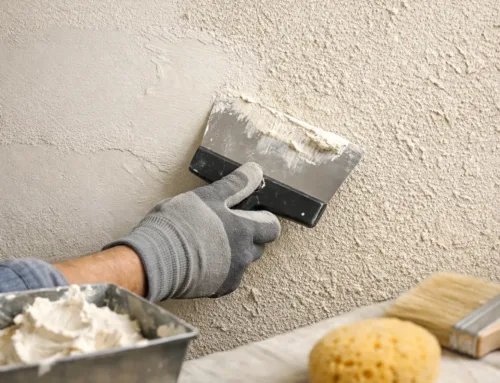
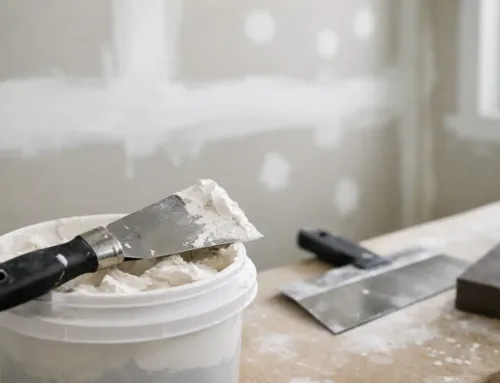
Leave A Comment