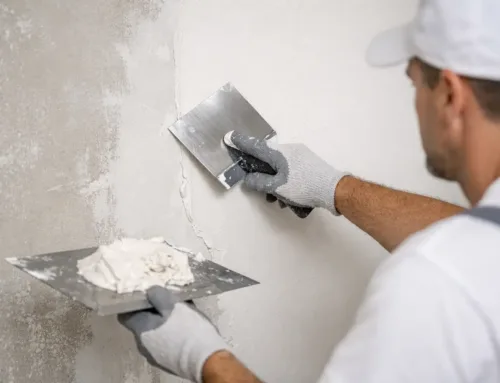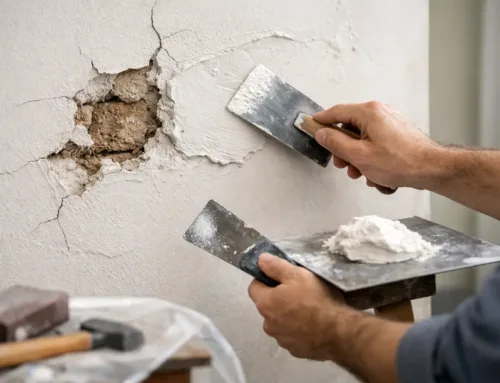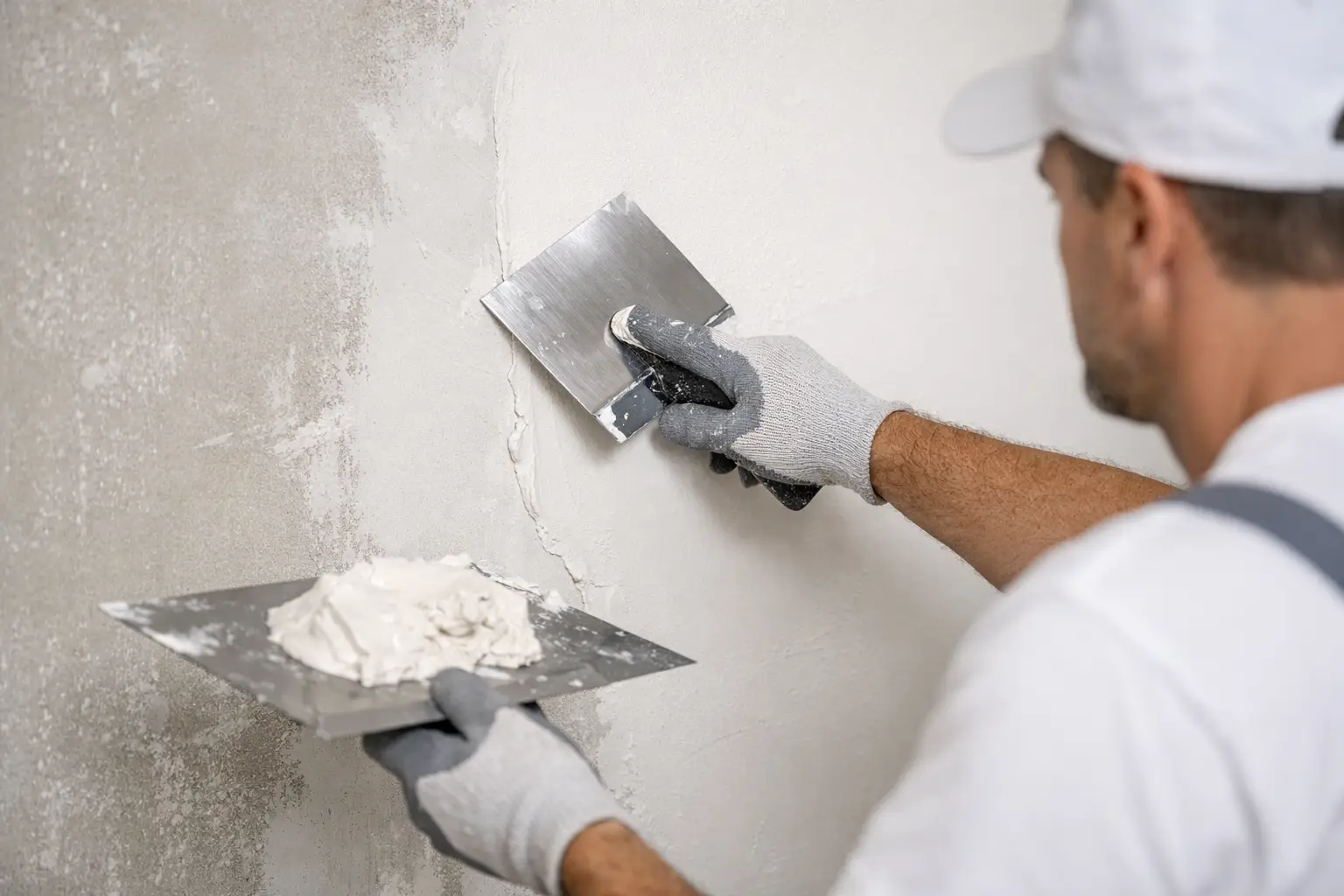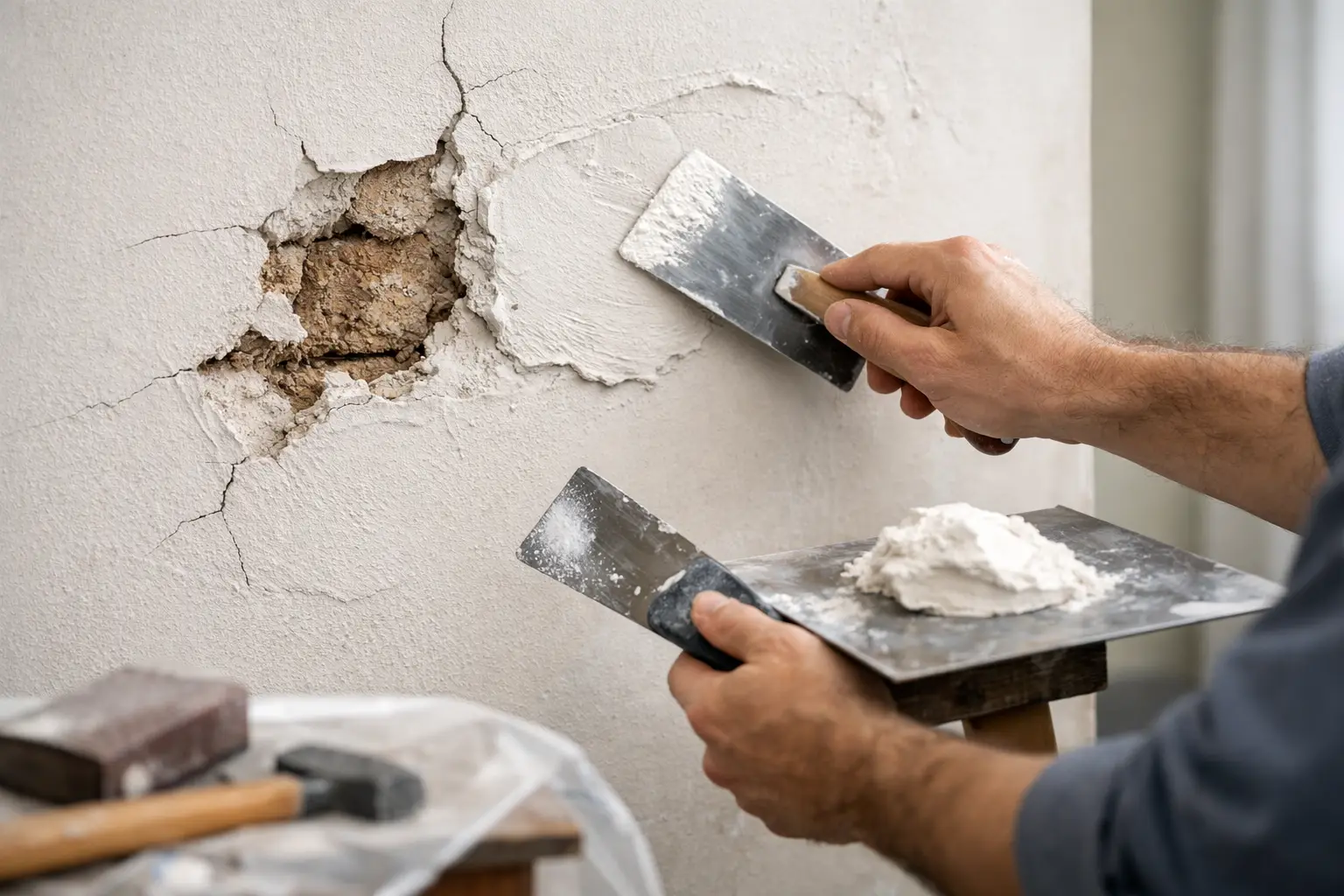


A crack running across a plaster ceiling, a soft spot after a roof leak, or a wall patch that never quite matches can make an otherwise well-kept room look unfinished. The right plaster repair contractor does more than fill the damaged area. They identify what caused the problem, stabilize the surface, and restore the wall or ceiling so the repair blends into the surrounding finish.
For homeowners in Monroe and Southeast Michigan, that distinction matters. Many homes have older plaster walls, textured ceilings, additions built at different times, or layers of previous repairs. Plaster can last for generations, but it needs the right approach when it begins to fail. Choosing a qualified contractor helps prevent a quick patch from becoming a recurring problem.
What a Plaster Repair Contractor Should Actually Fix
Plaster repair is not one-size-fits-all work. A small hairline crack may only need proper preparation, reinforcement, and finishing. A ceiling with broad cracking, sagging sections, or staining from water damage may require removal of loose material, repair of the underlying structure, and replacement of damaged wallboard or plaster.
A capable contractor should be prepared to evaluate common issues such as cracks around doors and windows, loose or crumbling plaster, damaged corners, holes from electrical or plumbing work, water-stained ceilings, and failed repairs from past work. They should also be able to address surface concerns after finishing the structural repair, including smooth-wall finishing, skim coating, and matching existing texture.
The visible repair is only part of the job. If water is still entering through a roof, pipe, window, or foundation issue, you must correct the source before interior repair begins. If movement is continuing because of framing or settlement, the contractor should explain what can be repaired cosmetically and when another trade may need to be involved.
Look for Experience With Plaster and Drywall
Plaster repair and drywall repair may look similar once painted, but they behave differently. Traditional plaster is hard, dense, and often installed over wood or metal lath. It can crack because of seasonal movement, vibration, age, moisture, or separation from the lath behind it. Drywall repairs have their own requirements, especially when seams, corner bead, or textured finishes are involved.
A contractor who regularly works with both materials can recommend the repair method that fits the condition of the surface. In some cases, the best answer is a targeted plaster repair. In others, covering a badly cracked area with new drywall, replacing a damaged ceiling section, or skim coating a room may provide a cleaner, longer-lasting result.
Ask how the contractor plans to prepare the area, reinforce cracks, and finish the repair. You do not need a technical lecture, but you should receive a clear explanation. A professional should be able to tell you whether loose material needs removal, how they will secure edges, and what steps they will take to keep the repaired area from telegraphing through the paint.
Ask About Texture and Finish Matching
A durable repair still falls short if it is easy to spot from across the room. This is especially true with orange peel, knockdown, stipple, popcorn ceilings, and older hand-troweled finishes. Matching texture takes practice, patience, and an eye for how the surrounding surface was originally finished.
Before work begins, ask whether the contractor will blend the repair into the existing wall or ceiling rather than leave a hard, visible patch line. Smooth walls require the same attention. A patch may sit level, yet still show through paint if the surface did not get proper feathering and finishing.
If the existing texture is outdated or inconsistent, full skim coating or ceiling refinishing may be worth discussing. It costs more than a small repair, but it can make sense when multiple patches would otherwise remain visible.
Questions to Ask Before Hiring a Plaster Repair Contractor
The estimate conversation is where you can learn a great deal about the contractor’s process. A reliable professional will inspect the damage, ask about its history, and explain the scope of work in plain language. Be cautious with anyone who offers a firm price without seeing the area or who dismisses signs of moisture, movement, or loose material.
Ask whether the estimate includes protection for floors and furniture, removing damaged material, surface preparation, finishing coats, texture matching, and cleanup. It is also reasonable to ask about insurance, scheduling, expected drying time, and whether painting is included or should be handled separately.
For larger repairs, get clarity on the sequence of work. Water-damaged ceilings, for example, may need time to dry fully before repairs can begin. A contractor may also need to coordinate with a plumber, roofer, electrician, or restoration company before closing the wall or ceiling.
Price matters, but the lowest number is not always the best value. A low quote may leave out prep work, cleanup, proper finishing, or the return visit sometimes needed for texture and final touch-ups. Compare the work the contractor is proposing, not just the total at the bottom of the estimate.
Watch for Signs That a Small Repair Is Not Enough
Some plaster damage is limited and straightforward. Others point to a broader problem that should not be covered up. Repeated cracking in the same location, sagging ceilings, widespread bubbling, large areas that sound hollow when lightly tapped, or persistent staining all deserve closer evaluation.
Older homes can have several generations of repairs beneath the paint. That does not automatically mean a full replacement is necessary. A skilled contractor can often save sound plaster and repair only the failed sections. Still, replacement may be the better long-term choice when the surface has extensive damage, poor previous patchwork, or ongoing detachment.
This is where an honest recommendation matters. The best option depends on the room, the extent of damage, the desired finish, and the budget. A bathroom ceiling with recurring moisture needs a different solution than a living room wall with one settled crack. The goal should be a repair that looks right and holds up, not simply the fastest way to make damage disappear for the moment.
Why Communication Matters During Interior Repairs
Wall and ceiling work affects the rooms people use every day. Homeowners need to know when workers will arrive, how long the area will be unavailable, and what to expect from dust control and cleanup. Builders and remodelers need a subcontractor who can keep a schedule, communicate changes early, and deliver finishes ready for the next trade.
Good communication also prevents misunderstandings about the final appearance. Fresh repairs can look slightly different until primer and paint are applied. Ceiling texture can vary depending on age, lighting, and previous paint layers. A professional contractor should set realistic expectations while working carefully to make the repair as inconspicuous as possible.
At TDM Drywall, more than 32 years of hands-on experience informs every repair, from a single damaged wall section to a larger ceiling replacement. That experience is especially valuable in older Southeast Michigan homes, where the right preparation and finish work make all the difference.
Prepare Your Home for a Cleaner Repair
Most contractors will handle protection and cleanup, but a little preparation helps the project move efficiently. Remove pictures, curtains, small furniture, and fragile items near the work area. Clear a path from the entry to the room, and let the contractor know about pets, alarm systems, parking limitations, or rooms that need to remain accessible.
Dust is part of many plaster and drywall repairs, particularly when damaged material must be removed or surrounding surfaces need to be sanded. Professional containment and careful cleanup reduce the impact, but it is smart to discuss dust control before the job starts. If anyone in the home has respiratory sensitivities, mention that during the estimate so the work plan can account for it.
A well-repaired wall or ceiling should not draw attention to itself. Take the time to choose a contractor who understands the material, explains the scope clearly, protects your home, and takes pride in the final finish. That is how a damaged surface becomes a room that feels complete again.