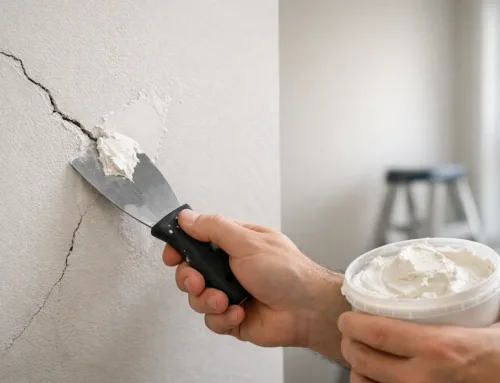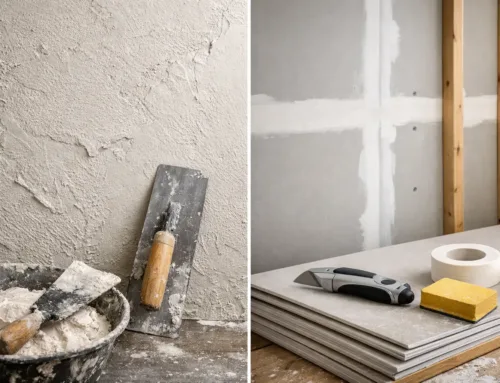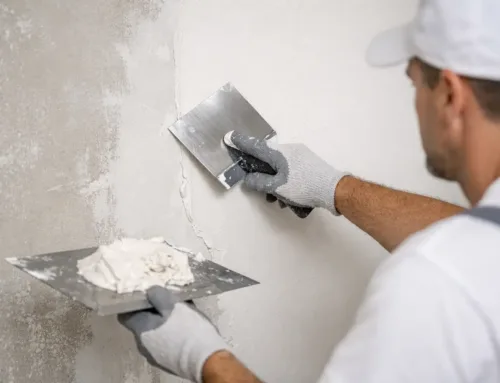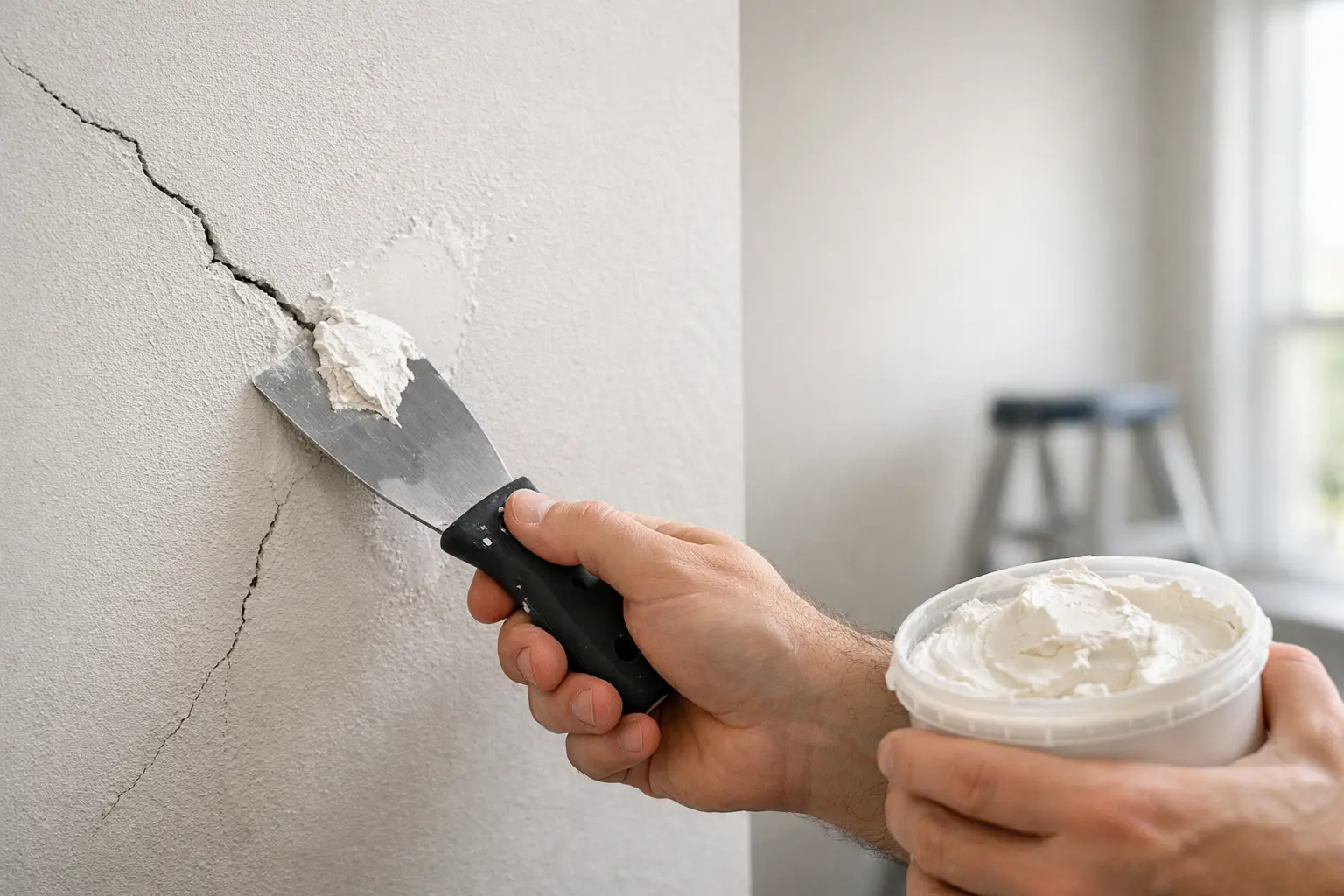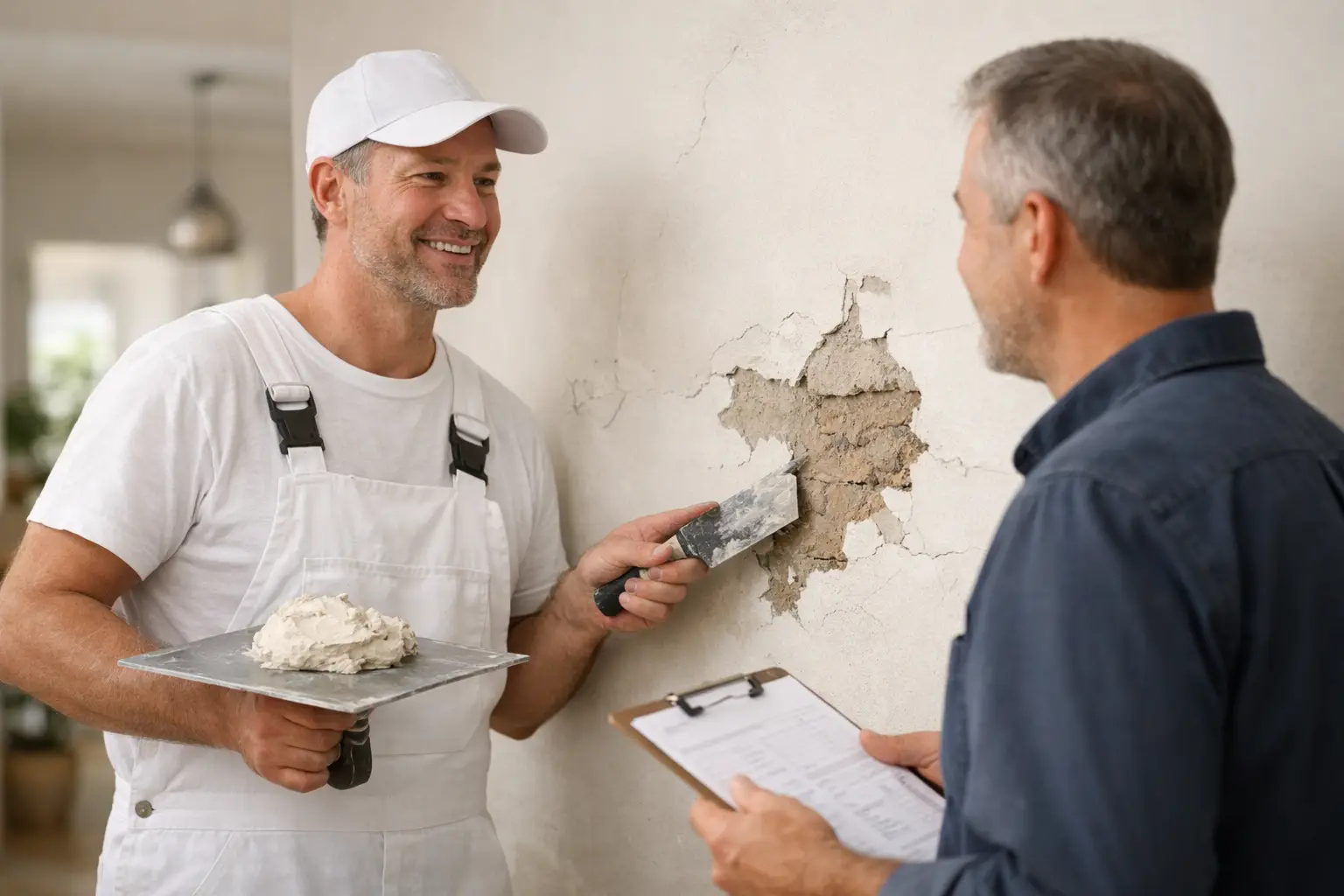

If you are looking at wavy walls, heavy texture, old patchwork, or peeling paint, one question usually comes up fast: what does skim coating walls cost? The short answer is that price depends on wall condition, room size, surface prep, and how smooth the final finish needs to be. A small repair can be fairly affordable. A whole-house skim coat is a bigger investment, but it can completely change how a space looks and paints.
What skim coating walls cost depends on
Skim coating is not just rolling on a product and calling it done. It is a finish process that takes surface prep, skilled application, drying time, sanding, and a careful eye for consistency. That is why pricing can vary more than many homeowners expect.
In most cases, contractors price skim coating by square footage, by room, or as part of a larger drywall repair or remodeling quote. A wall with light cosmetic flaws will cost less than walls with deep gouges, multiple patches, water damage, or failed texture that a crew needs to correct first. Ceiling work can also cost more because it is slower and more physically demanding.
For many homes, the biggest driver is the amount of prep. If a crew has to move furniture, protect floors, scrape loose material, repair damaged drywall, and stabilize old surfaces before the skim coat begins, that labor shows up in the final price.
Typical price range for skim coating walls
For straightforward projects, skim coating often falls in the range of about $1 to $3 per square foot. On more difficult surfaces or detailed jobs, the cost can climb higher. If a room has extensive repairs, tricky corners, high walls, or layered texture that needs extra passes, you may see pricing closer to $3 to $5 per square foot.
A single room may cost a few hundred dollars on the low end for light work, while larger rooms or whole-home projects can run into the thousands. That range is wide for a reason. A clean, newer room with minor imperfections is a very different job than an older home with settlement cracks, patched plaster, and years of repainting.
If you are comparing bids, make sure you are comparing the same scope. One quote may include prep, minor drywall repair, sanding, and cleanup, while another only covers the skim coat itself. Lower numbers do not always mean better value if the finish work is incomplete.
Why wall condition changes the price
The condition of the existing surface matters as much as the square footage. Smooth walls are unforgiving. Every hump, seam, crack, and patch can show through paint if the crew does not handle the underlying surface properly.
A wall with minor roller texture or small cosmetic flaws may only need one or two tight coats. A wall with peeling layers, heavy orange peel, old wallpaper damage, or uneven previous repairs may need much more labor. In older homes, plaster walls can add another layer of complexity. They may be solid and worth restoring, or they may need repair before any skim coating can hold up well.
Water-damaged areas are another common factor. If nobody fixes the source of the moisture and addresses the damaged material first, skim coating over it is not a real solution. Professional contractors will usually recommend repairing the substrate before finishing the surface.
What is usually included in a skim coating quote
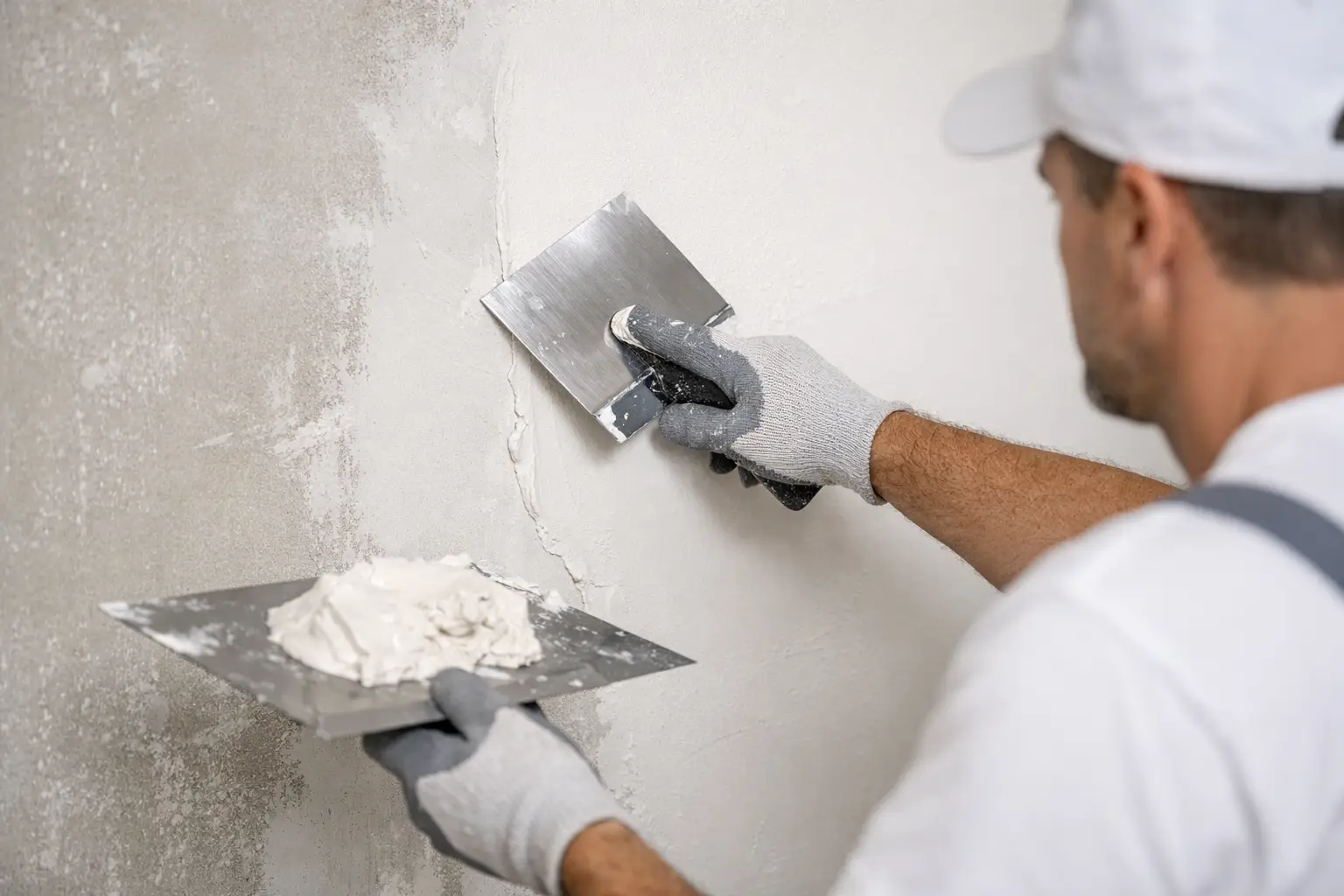
A proper quote should spell out what work the crew is actually doing. In many cases, that includes protecting nearby surfaces, scraping loose material, filling and repairing problem areas, applying one or more skim coats, sanding, and getting the walls ready for primer and paint.
Some contractors include priming in the price, and some do not. The same goes for paint-ready finishing versus a more basic level of smoothness. If you want walls that look especially clean in bright light, discuss that expectation up front. Lighting reveals flaws, and a higher-end finish often takes more time.
This is one of the reasons homeowners sometimes feel surprised by pricing. They are not just paying for mud on the wall. They are paying for the prep, the finish quality, and the experience it takes to leave the surface clean and consistent.
Skim coating vs replacing drywall
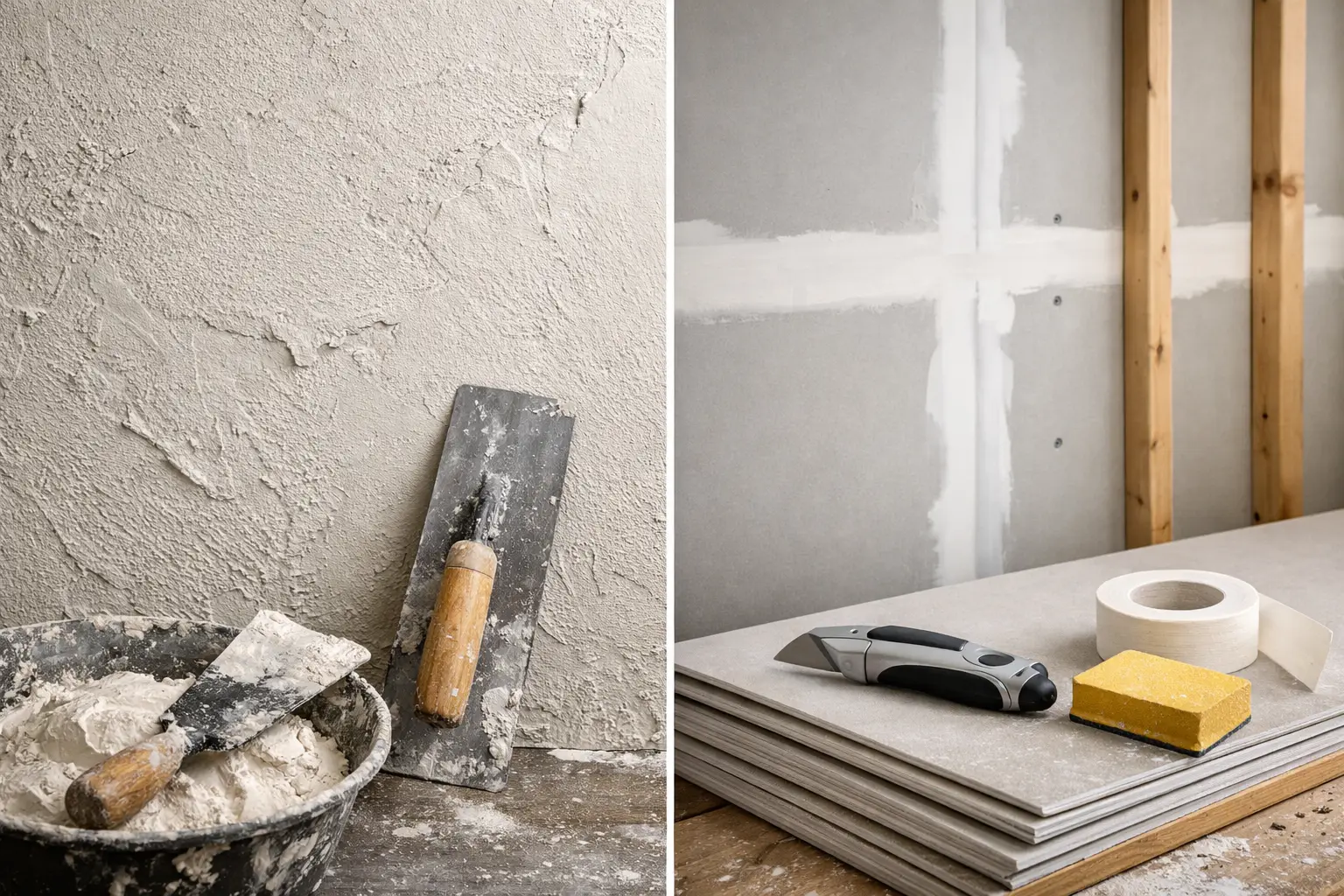
Sometimes skim coating is the right fix. Sometimes replacement makes more sense. If drywall is structurally sound but ugly, uneven, or heavily textured, skim coating can be a smart way to save the walls and create a smooth new finish. It is often a good option in remodels, after wallpaper removal, or when blending repaired sections into surrounding walls.
If drywall is badly damaged, soft from water, mold-affected, or full of failing patches, replacement may be the better long-term value. Skim coating over severely compromised material can turn into spending money twice.
That is where an experienced contractor helps. A good assessment can tell you whether the surface needs restoration, replacement, or a mix of both. In many homes, the best result comes from targeted drywall repair first and skim coating second.
When skim coating is worth the cost
Skim coating is worth it when the goal is a cleaner, more finished look that lasts. It can make a huge difference before painting, especially in rooms with side lighting, updated trim, or new fixtures that make wall flaws stand out more than they used to.
It is also worth considering when patchwork has gotten out of control. Many homeowners live with walls that a crew has repaired over and over, and the surface ends up looking uneven from every angle. A full skim coat can bring those walls back together visually.
For resale, it can also be a strong improvement. Fresh paint looks better on a properly finished surface. If walls are rough, textured, or obviously repaired, buyers notice. Smooth, consistent walls help the entire room feel more cared for.
What can make skim coating cost more
A few common conditions can push the price upward. High ceilings, stairwells, tight work areas, and occupied homes with lots of furnishings all add labor. So do surfaces that need multiple coats to flatten out heavy texture or hide broad imperfections.
Timing can matter too. If the work needs to fit around other trades, finish on a tight deadline, or match adjacent repaired areas, there is more coordination involved. Fast turnaround is valuable, but a crew still has to do it correctly.
There is also a finish-quality difference between getting a wall acceptable and getting it truly paint-ready. For customers who care about clean lines and seamless results, that last stretch of detail work is often what separates average from professional.
How to compare estimates the right way
When reviewing bids, ask how much prep is included, whether repairs are part of the price, how many coats to expect, and whether the price includes sanding and cleanup. Also ask what the finished surface will be ready for. Primer? Paint? Additional touch-up by others?
It also helps to ask how the contractor handles texture transitions and patched areas. A reliable drywall and plaster contractor should be able to explain the process clearly and set realistic expectations. A crew cannot make every wall perfect without significant work, but you should know what result you are paying for.
In Southeast Michigan, many customers are dealing with older homes, mixed materials, and walls that crews have repaired over decades. That is exactly where experience matters. TDM Drywall sees this kind of work every day, and the difference shows in how smoothly those surfaces come back together.
The cheapest price is not always the best price
Skim coating is finish work. If a crew rushes it or skips proper prep, defects tend to show up after paint goes on. Lines, ridges, flashing, rough sanding, and uneven spots can turn a budget job into a frustration.
Paying for skilled workmanship usually means better surface preparation, cleaner application, and less rework later. That matters in living rooms, kitchens, hallways, offices, and anywhere light hits the wall hard enough to show every shortcut.
If you are trying to budget for the project, the best next step is getting a quote based on the actual condition of your walls. Square footage gives a rough range, but the real cost comes down to what the surface needs and what level of finish you want. A good contractor will walk you through the trade-offs, explain the scope clearly, and help you decide whether skim coating is the right investment for the space.
Our plaster repair services include skim coating and estimates based on your walls’ actual condition, for homes and businesses throughout Monroe and the Downriver area.