
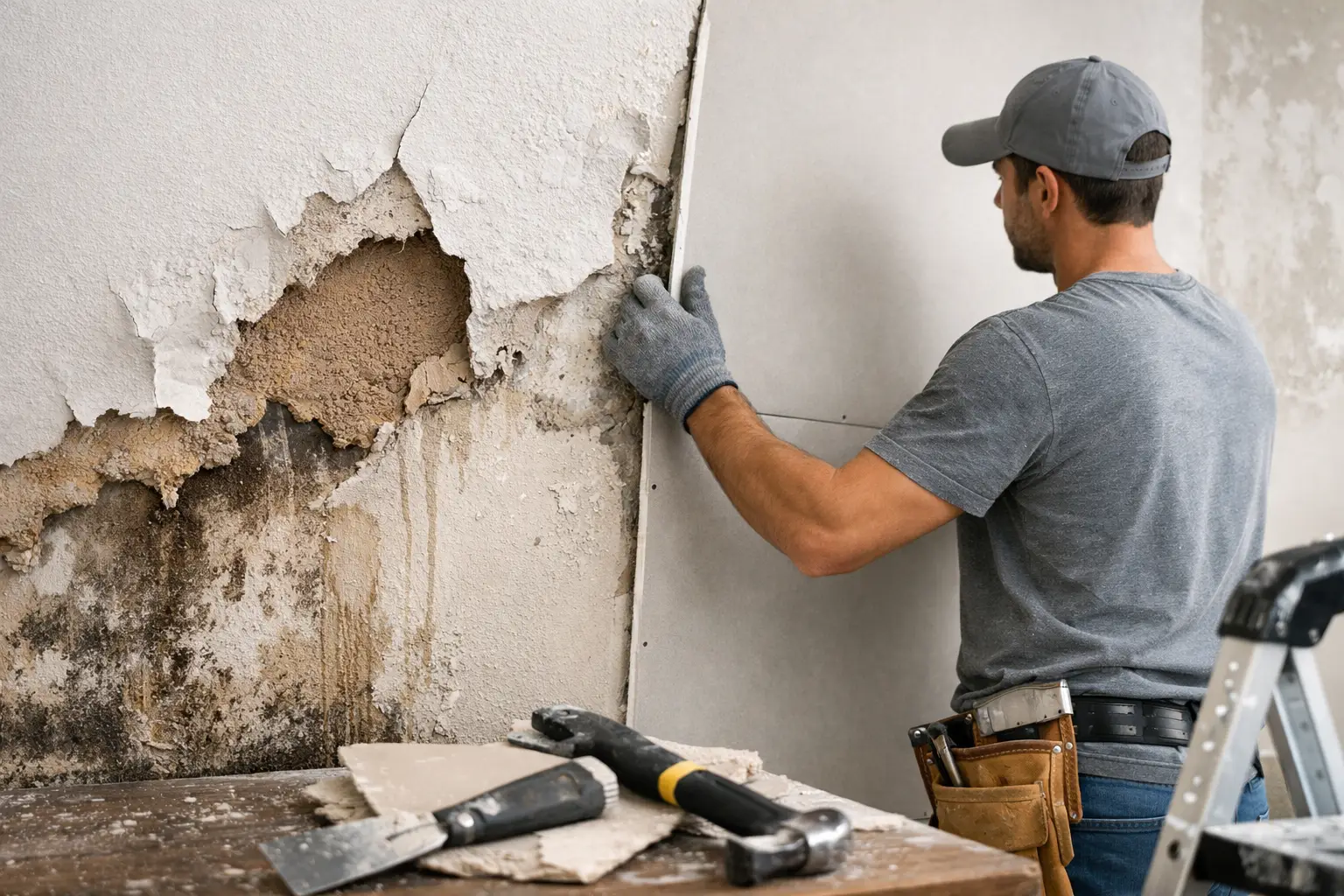
A wall with a small dent is one thing. A ceiling that sags, smells musty, or keeps cracking in the same spot is something else entirely. If you are wondering when should drywall be replaced, the short answer is this: replace it when the damage affects the drywall’s strength, cleanliness, or ability to hold a smooth, lasting finish.
That does not mean every flaw calls for tearing out a wall. In many homes, drywall can be patched, skim coated, or repaired with excellent results. The key is knowing the difference between cosmetic damage and material that has already failed.
When should drywall be replaced instead of repaired?
Drywall should usually be replaced when it has been saturated by water, weakened by mold, broken through in multiple areas, or damaged badly enough that repairs would be less reliable than starting fresh. It should also be replaced when previous patchwork has piled up over time and the surface is no longer flat, stable, or worth refinishing.
A good repair can make damaged drywall disappear. But repair has limits. Once the core has softened, crumbled, warped, or started separating from framing, replacement is often the better long-term choice. That is especially true on ceilings, where loose or sagging material means more than just an appearance issue.
Signs your drywall may need full replacement
Some warning signs are easy to spot. Others show up slowly and keep getting worse until the wall or ceiling cannot be trusted to hold a clean finish.
Water damage that soaked the panel
One of the clearest reasons to replace drywall is water intrusion. A light stain from an old issue might only need sealing and refinishing if the drywall is still solid. But if the panel swelled, softened, sagged, or began to crumble, replacement is usually the right move.
Drywall cannot handle staying wet. Once water gets into the gypsum core, the panel can lose strength fast. In bathrooms, basements, kitchens, and around roof or plumbing leaks, what looks like a simple stain may hide a larger problem behind the surface.
Mold or musty odor
If drywall has visible mold growth or holds a persistent musty smell after a water event, replacement is often safer than trying to save it. Surface cleaning may help in limited cases, but mold inside the wallboard or paper facing is a different issue.
This is where experience matters. Some situations call for targeted removal of only the affected section. In other cases, a larger area needs to come out so the space can dry properly and be rebuilt with a sound finish.
Sagging ceilings or bowed walls
Drywall should sit flat and secure. If a ceiling is drooping between joists, seams are pulling apart, or screws are popping repeatedly, the board may have lost its hold or structural integrity. That does not always mean the entire ceiling must go, but it often means more than a patch is needed.
Sagging is common after leaks, high humidity, poor original fastening, or old materials that have simply reached the end of their useful life. On ceilings especially, replacement is often the safer and cleaner repair path.
Large holes or widespread damage
A single hole from a door knob or plumbing access panel is usually repairable. Multiple large holes, broken corners, crushed sections, or repeated damage across the same wall can change that equation.
At a certain point, patching becomes more labor-intensive than replacement, and the final result may still show unevenness under paint or side lighting. When too much of the panel is compromised, replacing the section gives a flatter, stronger result.
Repeated cracking in the same area
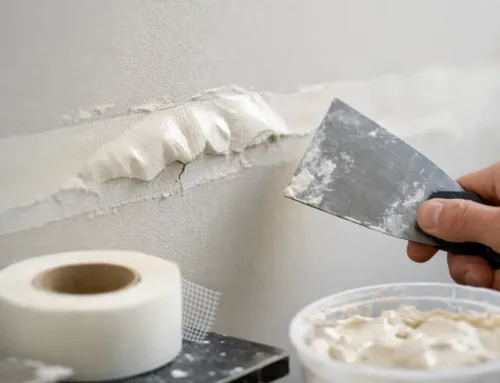
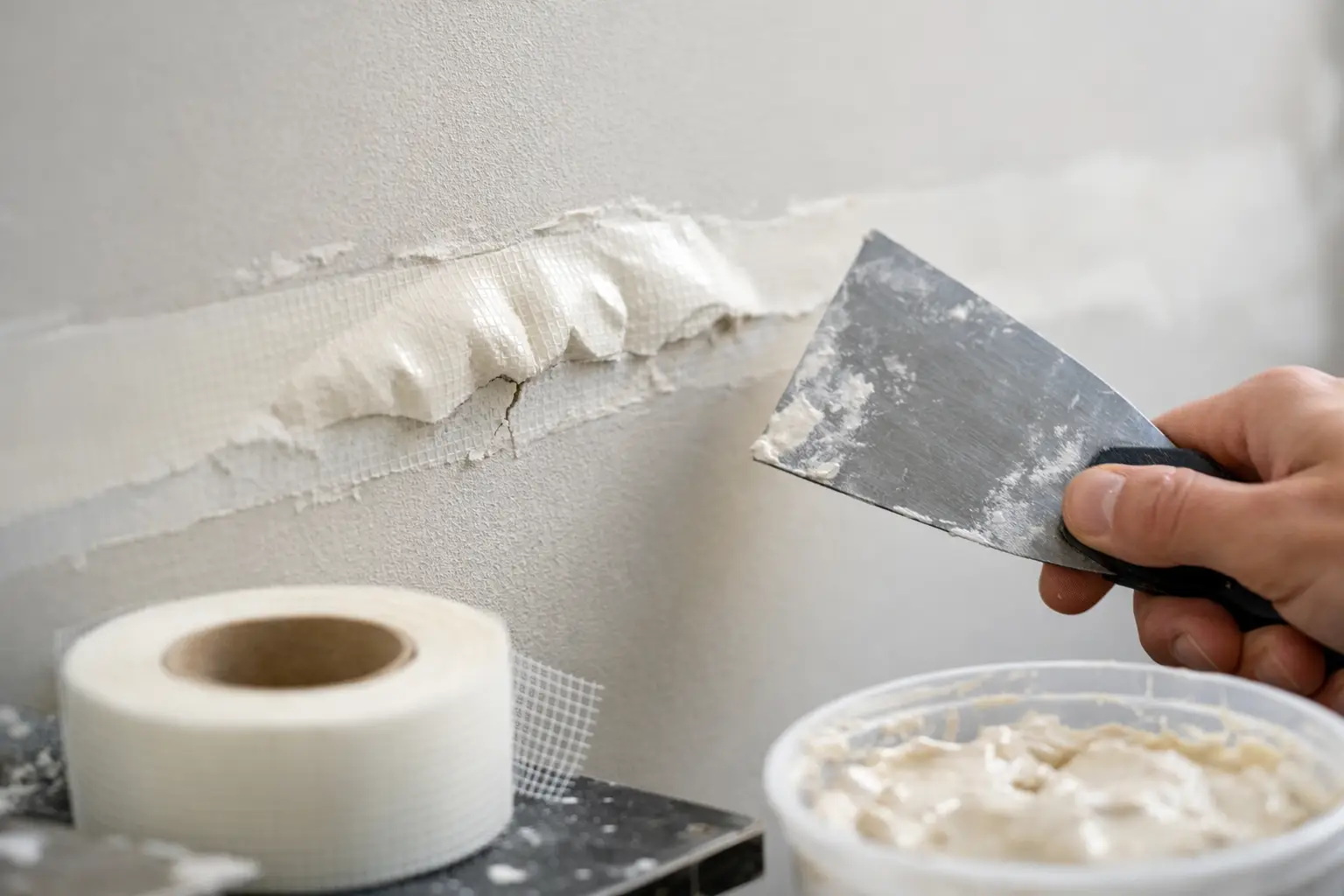
Hairline cracks can happen from normal settling, especially around corners and joints. But cracks that keep reopening after repair usually point to movement, loose board, framing issues, or failed seams.
If the drywall around those areas is no longer stable, replacing and refastening the affected section may be the only way to get a repair that lasts. Simply covering the crack again rarely solves the cause.
Old, patched surfaces that will not finish cleanly
Older homes often have walls and ceilings with years of patching, texture mismatch, tape issues, and uneven transitions between drywall and plaster repairs. Technically, a crew can still work on many of these surfaces. Practically, replacement may be the better investment if you want a clean, updated finish.
This comes up often during remodeling. If a room already has heavy damage, outdated texture, or multiple generations of repair work, replacing key sections can save time and produce a much better final appearance.
Damage that can often be repaired
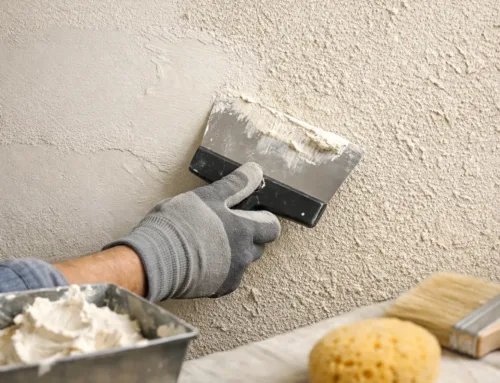
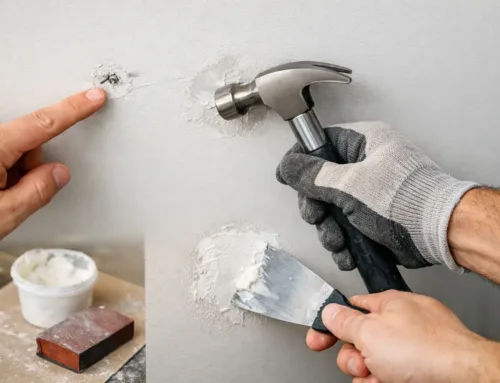
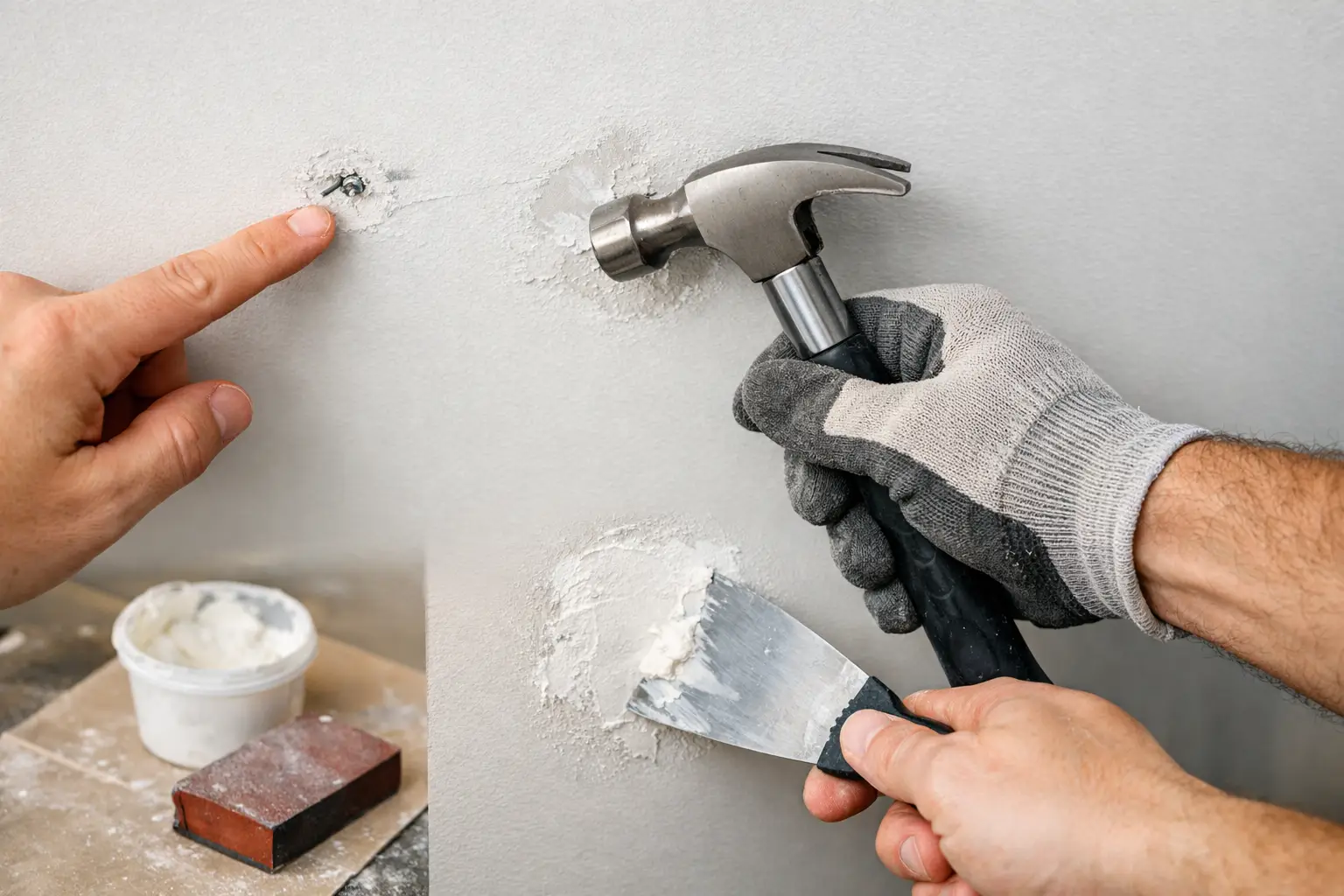
Not every crack, stain, or dent means the drywall has to come out. Small holes, minor scuffs, popped fasteners, limited seam cracks, and isolated surface damage are often very repairable. The same goes for many localized issues where the surrounding drywall is still dry, firm, and properly attached.
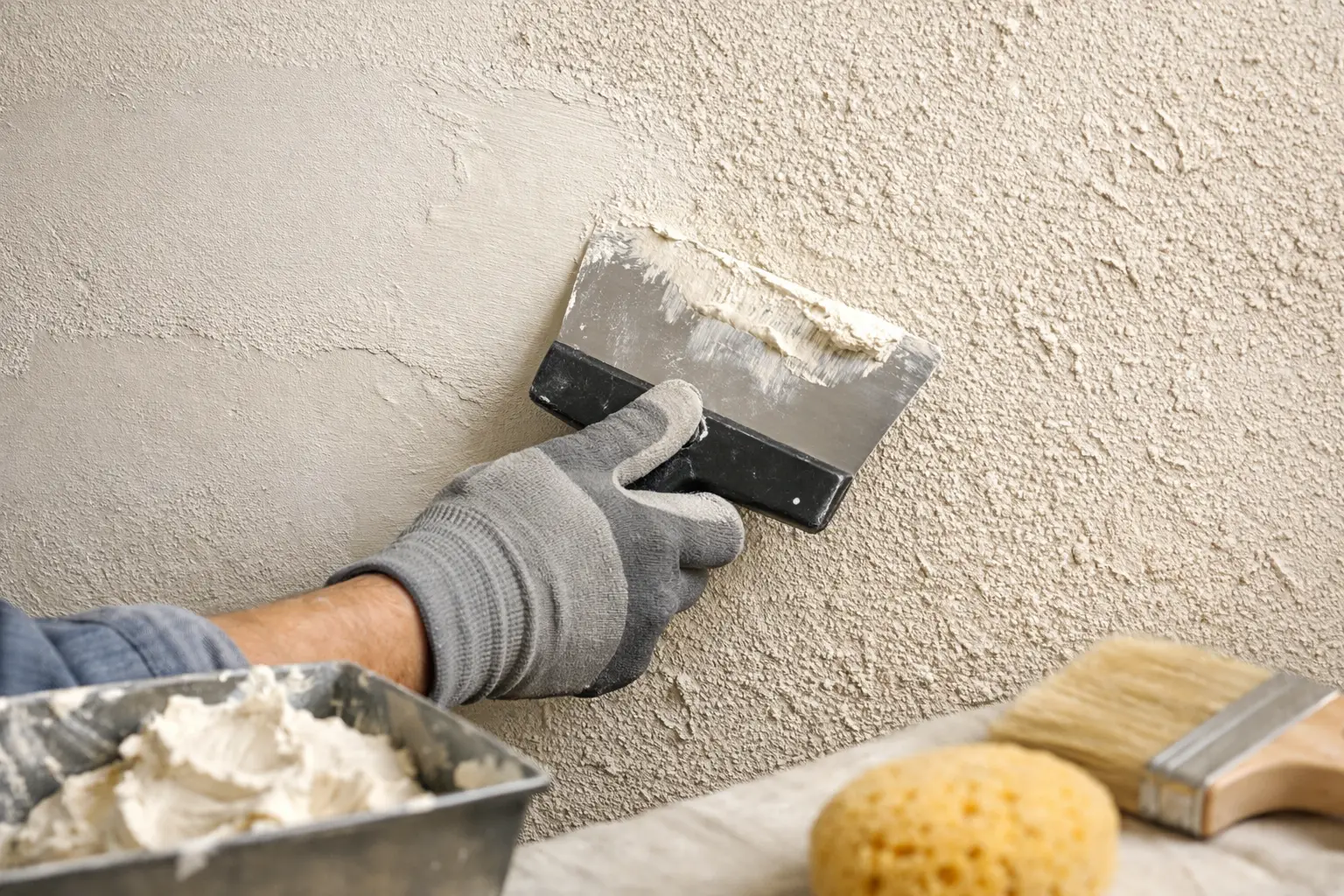
A quality repair depends on more than filling the visible spot. A crew has to cut the damaged area cleanly if needed, reinforce it properly, finish it flat, and blend it so the repair disappears under primer and paint. Texture matching also matters. A patch that is structurally sound but visually obvious is not a finished job.
It depends on the location of the damage
Where the drywall is located matters almost as much as the damage itself. A small area of compromised drywall in a spare bedroom is different from damaged drywall in a bathroom ceiling, finished basement, or commercial space with ongoing moisture exposure.
Ceilings deserve extra caution because gravity works against every repair. Never treat wet or sagging ceiling drywall as a cosmetic issue alone. In high-moisture areas, repeated staining or softening may also point to ventilation or leak problems that you need to handle before new drywall goes in.
In garages, basements, and older homes, there can also be code, fire-rating, or material-transition concerns that affect whether repair or replacement makes the most sense. That is why a site-specific evaluation is worth it.
Repair vs. replacement often comes down to cost and finish quality
Homeowners sometimes assume repair is always cheaper. Not necessarily. If a wall has widespread damage, multiple bad seams, and old texture that is difficult to match, spending money on several separate repairs can cost more in the long run than replacing the affected section once and finishing it properly.
The opposite is also true. Tearing out drywall for minor cosmetic damage is unnecessary and can add cost, dust, and disruption. The right answer is the one that gives you a durable result without paying for more work than you need.
For remodelers and builders, the decision often comes down to schedule and finish expectations. If replacement creates a cleaner substrate and reduces callbacks, it can be the smarter path even when repair is technically possible.
When should drywall be replaced after a leak?
After a leak, drywall should be replaced if it stayed wet long enough to soften, swell, sag, grow mold, or lose its bond to the framing. If the leak was minor, caught quickly, and the drywall dried without deforming, repair may still be possible.
The problem is that water damage is not always visible from the front. The paper facing may look mostly intact while the back side has absorbed moisture. That is why staining alone should not be the only thing you judge by. Firmness, shape, odor, and moisture history all matter.
If you do not fully correct the source of the leak first, even the best drywall work will fail again. Good replacement starts with solving the cause.
What a professional looks for before recommending replacement
A professional drywall contractor will usually check how solid the panel feels, whether the seams are intact, how far the damage spreads, and whether they can finish the area cleanly enough to match the surrounding surface. They may also look for signs of hidden moisture, framing movement, or failed previous repairs.
This is where experienced drywall work pays off. The goal is not to sell more demolition than necessary. The goal is to leave you with walls and ceilings that look right, hold up, and do not need a redo six months later.
For homeowners in Monroe and Southeast Michigan, that often means balancing speed, cost, and finish quality. TDM Drywall approaches that decision the same way most customers do – fix what can be fixed, replace what should not be trusted, and make the final surface look seamless.
If you are staring at cracked, stained, or sagging drywall and wondering whether it is still worth saving, trust what the material is telling you. Cosmetic damage can be repaired. Soft, loose, wet, or failing drywall usually needs to go. The sooner you address it, the easier it is to protect the rest of the room and get back to a clean, solid finish.
If you’re not sure which way to go, our drywall repair services cover everything from small patches to full section replacement for homes and businesses throughout Monroe and the Downriver area.