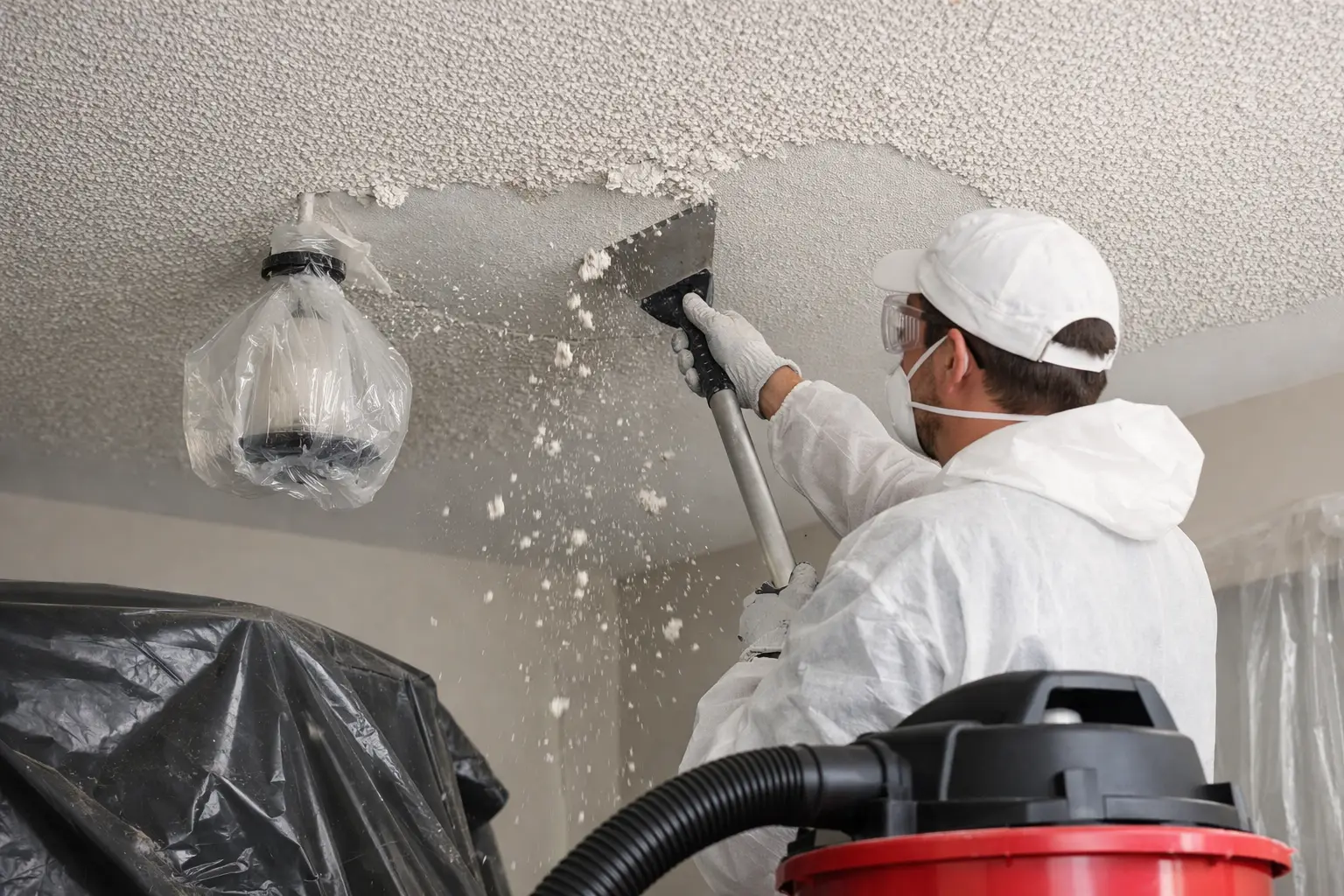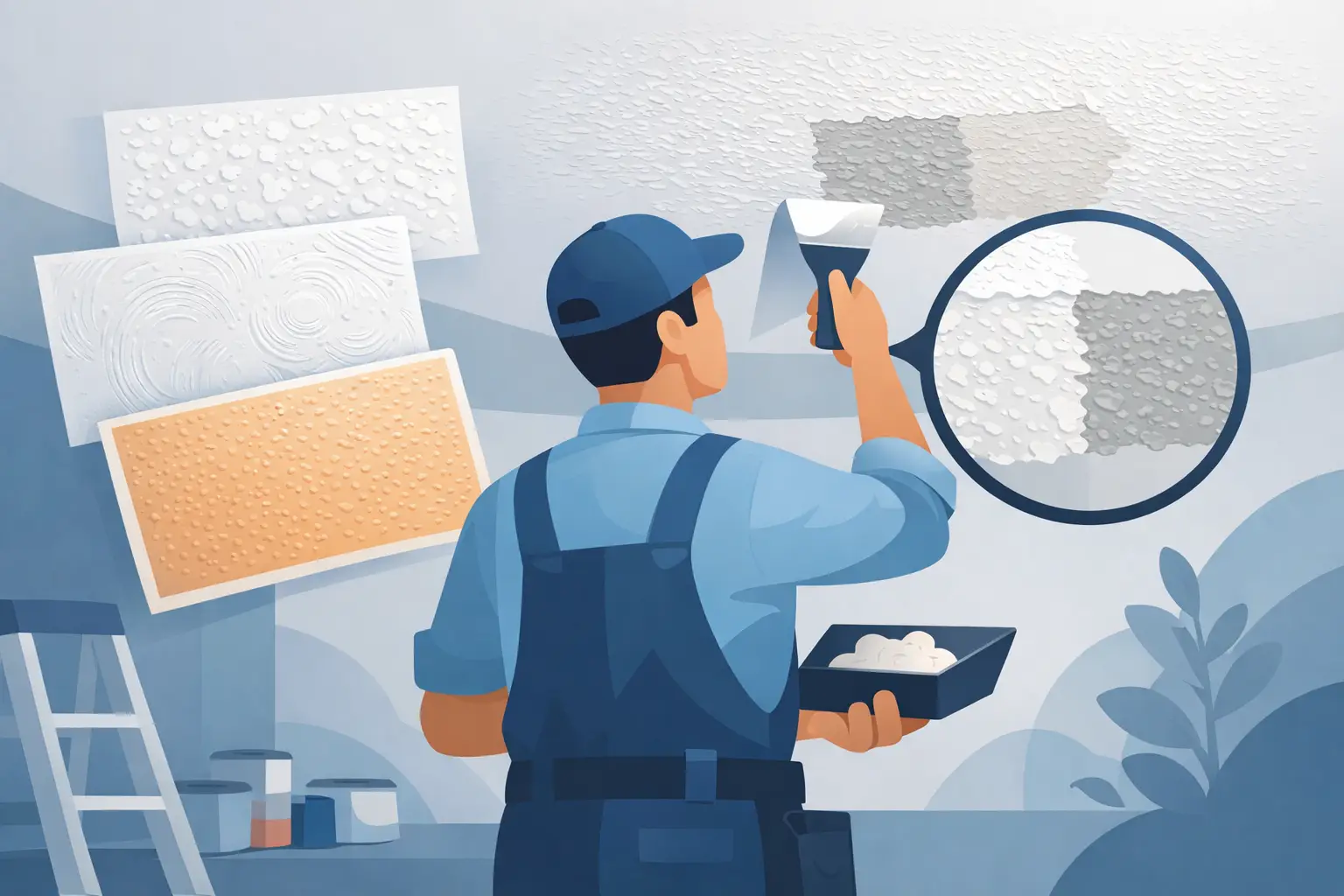


If you are looking up popcorn ceiling removal cost, you are probably standing in a room that makes the whole house feel dated. In many homes, the ceiling is the last surface people think about until they repaint a wall, update lighting, or start a remodel and realize that rough texture overhead changes the entire look of the space.
The good news is that popcorn ceiling removal is a very straightforward improvement when a crew handles it the right way. The catch is that pricing can vary more than homeowners expect. A small bedroom with an easy-to-scrape ceiling is one thing. A large living room with repairs, stain damage, furniture protection, and a smooth finish afterward is another.
What affects popcorn ceiling removal cost
The biggest factor is square footage. Most contractors price this type of work by the size of the ceiling because labor, prep, cleanup, and finishing all scale with the room. A single small room may have a higher per-square-foot rate than a whole-house project, simply because setup and protection still take time.
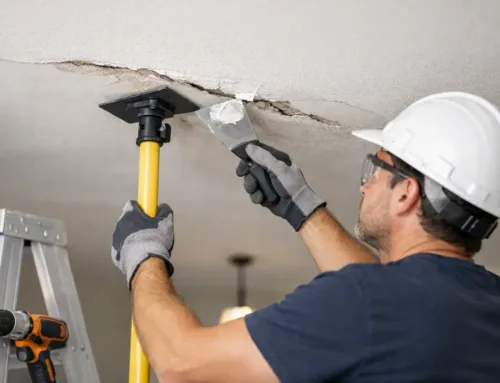
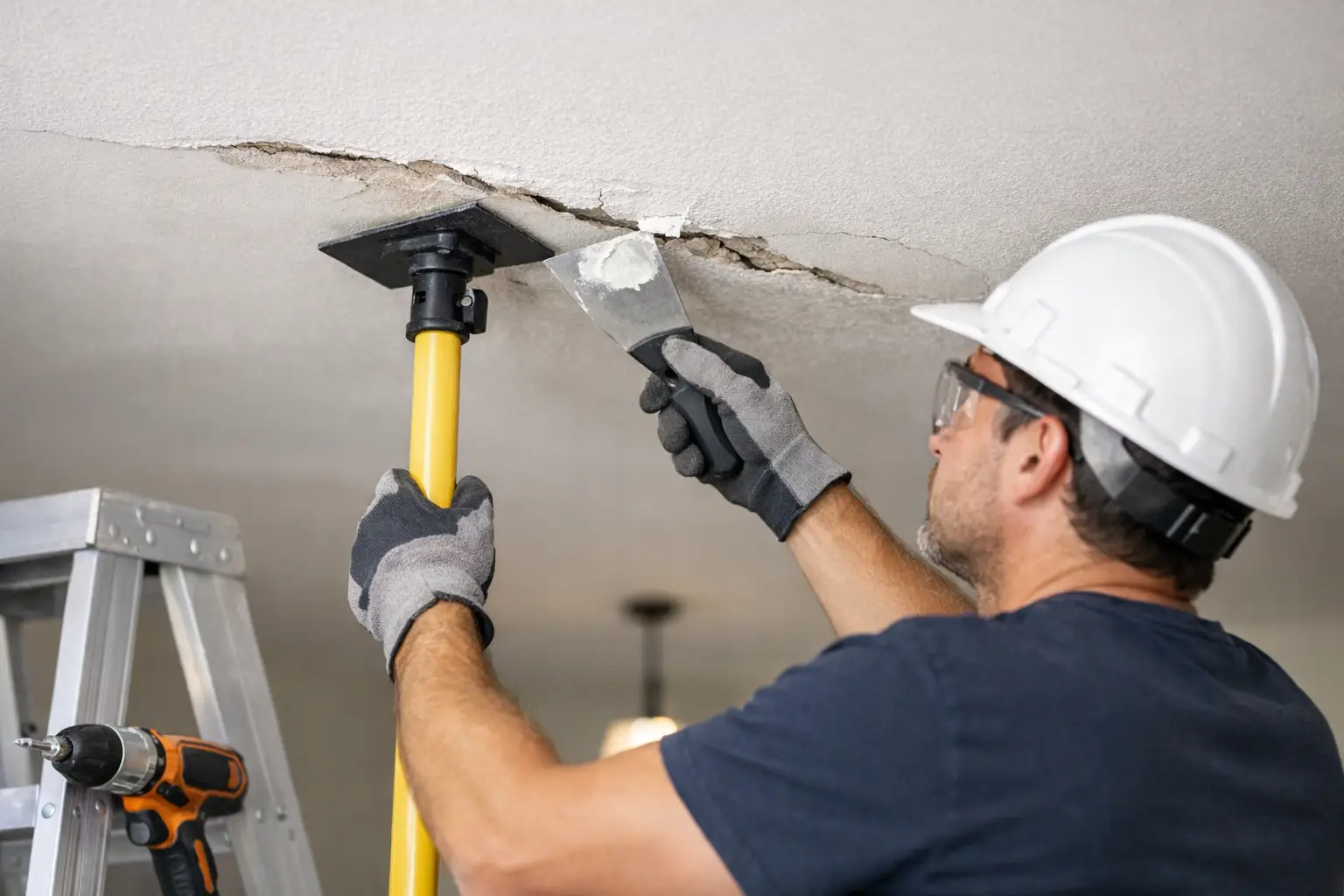
Ceiling condition also matters. If the texture is flaking, stained, previously painted, or covering cracks and patches, removal usually takes more effort. Painted popcorn is especially important because it often does not scrape off as easily as untreated texture. In those cases, the work can shift from basic removal to more intensive scraping, repair, and skim coating.
Then there is the finish you want afterward. Some homeowners only want the popcorn gone and plan to handle priming and painting later. Others want a ready-to-paint smooth ceiling with all repairs completed. That difference has a real impact on cost because a clean final appearance depends on more than scraping off the old texture.
Typical popcorn ceiling removal cost range
In general, popcorn ceiling removal cost is often priced somewhere around $1 to $3 per square foot for basic removal, but many real-world projects land higher once you include prep, repairs, skim coating, priming, and painting. For a more complete professional finish, many homeowners end up in the range of $2 to $6 per square foot, depending on the condition of the ceiling and the level of finish expected.
That means a 12-by-12 bedroom may cost a few hundred dollars on the low end for simple removal, while a larger room or a ceiling that needs finish work can move well beyond that. Whole-home projects usually provide better overall value per square foot, but the total investment is naturally higher.
This is why ballpark pricing online can be misleading. Two homes with the same square footage can have very different ceilings. One may scrape cleanly and need minimal touch-up. The other may need patching, stain-blocking primer, sanding, and a full skim coat to look right under natural light.
Why asbestos can change the price fast
If the home was built before the 1980s, asbestos testing may be necessary before anyone disturbs the ceiling texture. That is not a sales tactic. It is a safety issue and, in many cases, the responsible first step.
If testing comes back clear, the project can usually move forward with normal removal procedures. If asbestos is present, the work becomes a different type of job entirely, with specialized containment, removal, and disposal requirements. That can increase cost substantially.
For homeowners in older Southeast Michigan homes, this is one of the biggest reasons an on-site evaluation matters. Age of home, ceiling history, and previous remodeling work all help determine the safest and most accurate path forward.
Removal only versus a finished ceiling
A lot of confusion around popcorn ceiling removal cost comes from one simple question: what exactly is included?
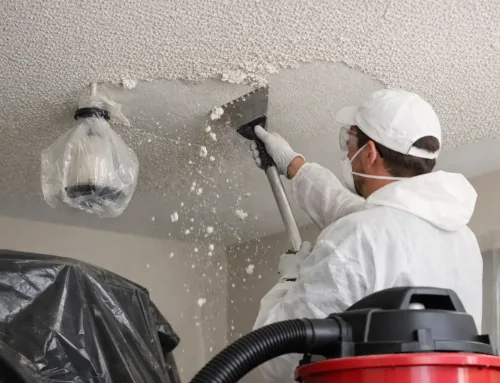
Removal only means the contractor scrapes down the texture and may perform basic cleanup, but the ceiling can still show imperfections afterward. Once popcorn comes off, old seams, patches, nail pops, and surface unevenness often become visible. That does not mean the crew did the work poorly. It means the texture had been hiding flaws for years.
A finished ceiling usually includes protection of the room, removal of the popcorn texture, surface repairs, skim coating where needed, sanding, and preparation for paint. This is the option most homeowners expect when they picture a modern, smooth ceiling. It costs more, but it also delivers the result people are actually after.
Factors that raise or lower the price
Room access is one detail many people overlook. High ceilings, stairwells, tight furniture layouts, and occupied rooms all make the work slower. Empty rooms are usually more efficient and can help control labor costs.
Water damage is another common price factor. If the ceiling has staining or soft spots from a roof leak, plumbing issue, or past condensation problem, a crew may need to repair those areas before applying the final finish. Covering damaged drywall is rarely the right answer if you want lasting results.
The number of fixtures matters too. Recessed lights, ceiling fans, vents, smoke detectors, and decorative trim all create extra detail work. None of this makes the job impossible, but it affects labor time and cleanup.
Location in the home can play a role as well. Kitchens and bathrooms may have older coatings, higher moisture exposure, or heavier buildup. Basements can present different access and lighting challenges. Every one of those details affects how much finish work is needed to get a clean result.
Why DIY can cost more than expected
On paper, doing it yourself may seem like the cheapest option. In reality, popcorn ceiling removal is one of those projects that looks simple until the mess starts and the ceiling underneath tells a different story.
Scraping texture is only one phase of the work. The harder part is protecting the room properly, controlling dust and debris, repairing what is uncovered, and getting the surface flat enough that it looks good once painted. A ceiling does not have to be badly done to look bad. Even small ridges, gouges, or patch marks become obvious overhead.
There is also the issue of safety. Without testing, disturbing an older ceiling can create avoidable risk. Even when asbestos is not present, the process is messy and time-consuming. Many homeowners start the job planning to save money and end up calling a contractor after realizing the finish work is more demanding than expected.
What a professional quote should include
A good quote should explain more than just price. It should tell you whether the contractor is including setup and floor protection, scraping, disposal, patching, skim coating, sanding, priming, and paint prep. If a quote excludes any of those, you should know that upfront.
It should also reflect the actual condition of the ceiling, not just a quick square-foot estimate. Experienced drywall and plaster contractors know that the difference between a fair price and a surprise change order usually comes down to how carefully they evaluated the ceiling from the start.
For homeowners and remodelers, communication matters just as much as pricing. You want to know how long the room will be out of use, how the crew will control dust, and what the finished surface will realistically look like. That kind of clarity saves time and frustration.
Is popcorn ceiling removal worth it?
In many homes, yes. Removing popcorn texture can make a room feel brighter, cleaner, and more current without changing the entire layout. It also pairs well with new paint, updated lighting, and other remodeling work. If you are already improving a kitchen, bathroom, basement, or main living area, the ceiling can quickly become the surface that holds everything back.
The value is not just cosmetic. A professionally finished ceiling is easier to maintain, easier to repaint, and more consistent with what buyers and homeowners expect in updated interiors. The key is doing it thoroughly, not just scraping texture and hoping the surface underneath looks finished.
For that reason, the most useful way to think about popcorn ceiling removal cost is not as a generic per-square-foot number. It is the cost of taking an outdated, often imperfect ceiling and turning it into a clean finished surface that fits the rest of your home. When a crew does the work with proper prep, careful repairs, and a smooth final finish, it tends to be one of those upgrades people wish they had handled sooner.
If your ceiling is dated, damaged, or just dragging down the room, the right next step is a real quote based on the actual condition of the surface – because the best price is the one that gets the job done right the first time.
Our ceiling repair services include popcorn ceiling removal and finishing for homes and businesses throughout Monroe and the Downriver area.