
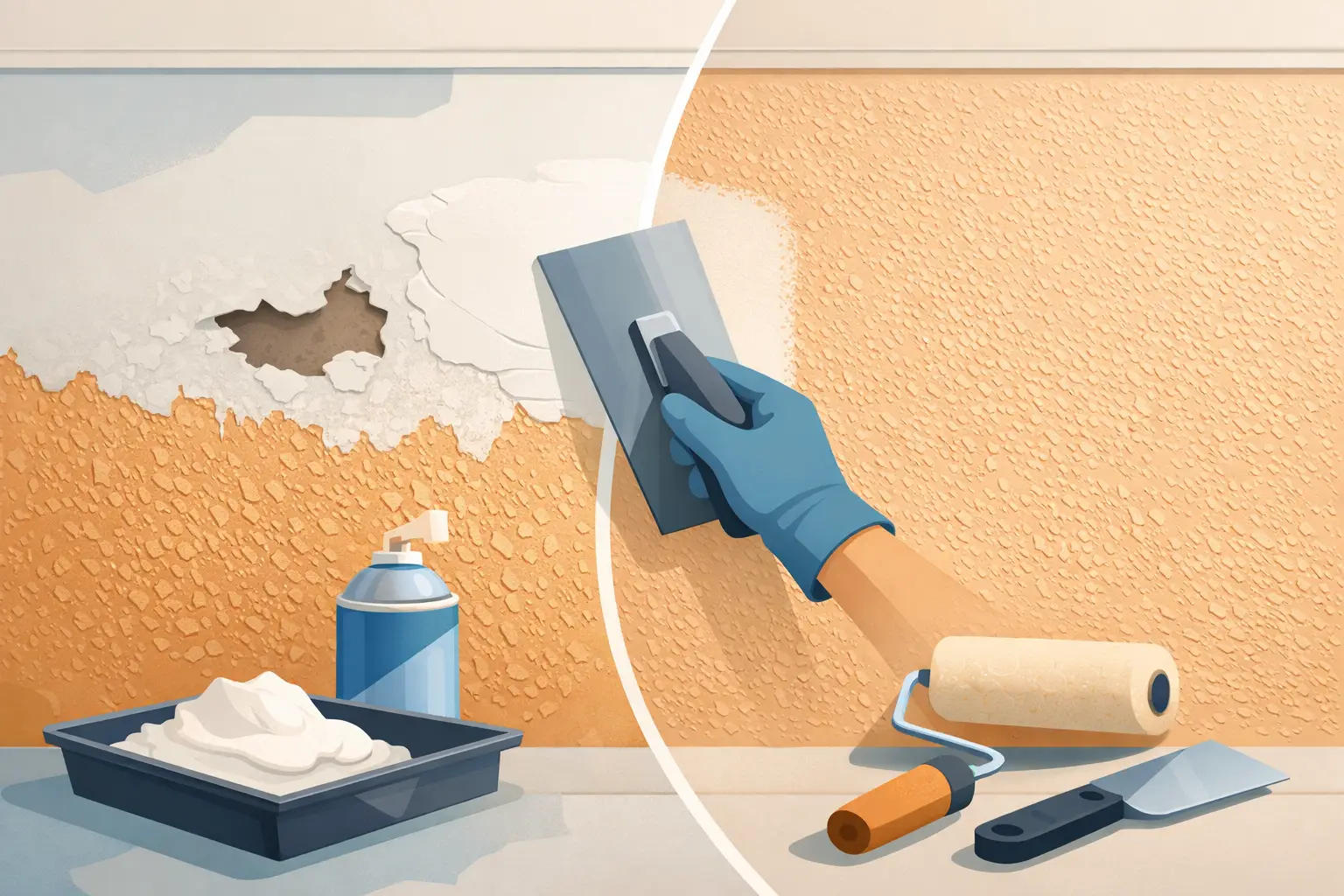
A bad patch on a textured wall stands out fast. You notice it every time the light hits the surface, especially in hallways, living rooms, and ceilings. That is why textured wall repair is not just about filling damage – it is about making the repair disappear.
For homeowners and property managers, that usually means fixing more than one problem at once. There may be a dent from moving furniture, a crack from settling, old tape lines showing through, or water damage that changed the surface and the texture. The repair has to address the underlying issue, restore the wall or ceiling, and then match the existing finish closely enough that the patched area does not call attention to itself.
Why textured wall repair is harder than it looks
Smooth drywall is straightforward by comparison. If the framing is sound and the damaged area is properly patched, the finish work is mostly about getting the surface flat. Texture changes that. The final look depends on pattern, depth, material thickness, application method, and how the surface was painted over time.
Even within the same home, textures often vary from room to room. A hand-applied stomp texture in one area may sit next to a lighter orange peel in another. Older plaster repairs can also complicate the job, especially when previous patchwork was done unevenly or with the wrong materials. On ceilings, lighting makes small differences even more obvious.
That is where experience matters. Matching texture is part technical skill and part judgment. The repair has to be built in layers, blended into the surrounding area, and finished cleanly enough that it looks intentional from every angle, not just straight on.
What causes textured walls and ceilings to fail
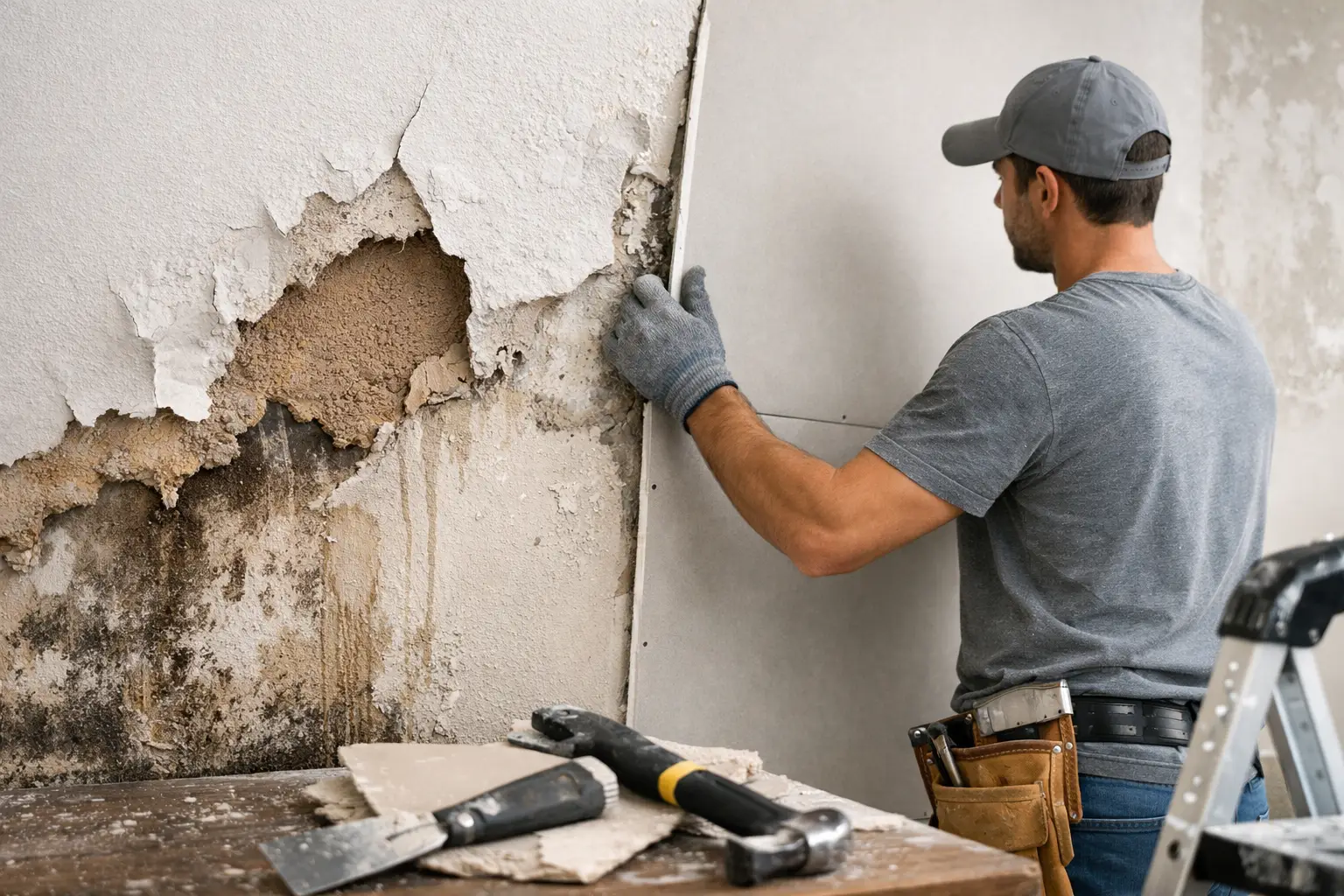
The visible damage is not always the full story. A crack in texture may be caused by normal settling, but it can also point to drywall joint movement, poor original fastening, or moisture problems. Bubbling, peeling, or softened areas often suggest water intrusion. Impact damage from doors, furniture, or everyday wear is common in busy homes and rental properties.
In older houses, repairs may uncover patched plaster, multiple paint layers, or texture that has been touched up several times over the years. That does not mean the repair cannot be done well. It does mean the approach may need to change. Sometimes a small spot repair is enough. Other times, the best result comes from repairing the damaged section and feathering the texture over a wider area so the finish blends naturally.
When a small patch works and when it does not
Homeowners often ask whether one damaged spot can be fixed without disturbing the rest of the wall or ceiling. Sometimes yes. A small hole or isolated crack can often be repaired and matched effectively if the surrounding texture is stable and consistent.
But there are trade-offs. If the existing texture is heavy, irregular, or worn down by years of repainting, a tiny patch may still be visible under certain light. If the damage sits in the middle of a large wall with strong side lighting, blending becomes more demanding. In those cases, widening the finish area often produces a cleaner result than trying to confine the repair too tightly.
Ceilings are especially unforgiving. The larger the open plane, the easier it is to spot a mismatch. That is why a repair strategy should be based on what will look best after paint, not just what keeps the patched area smallest.
The process behind quality textured wall repair
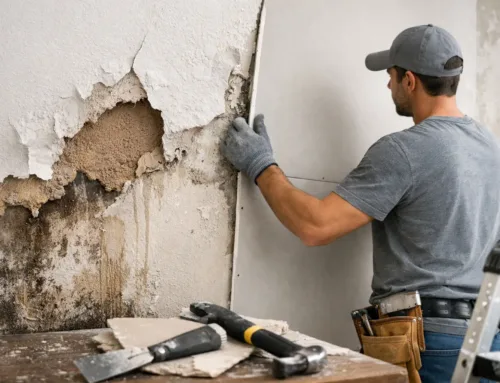
A proper repair starts with removing loose or failed material. If drywall is soft from water damage, crumbling, or separating at the seams, that section needs to be cut out and rebuilt correctly. Patching over weak material usually leads to the same problem showing back up.
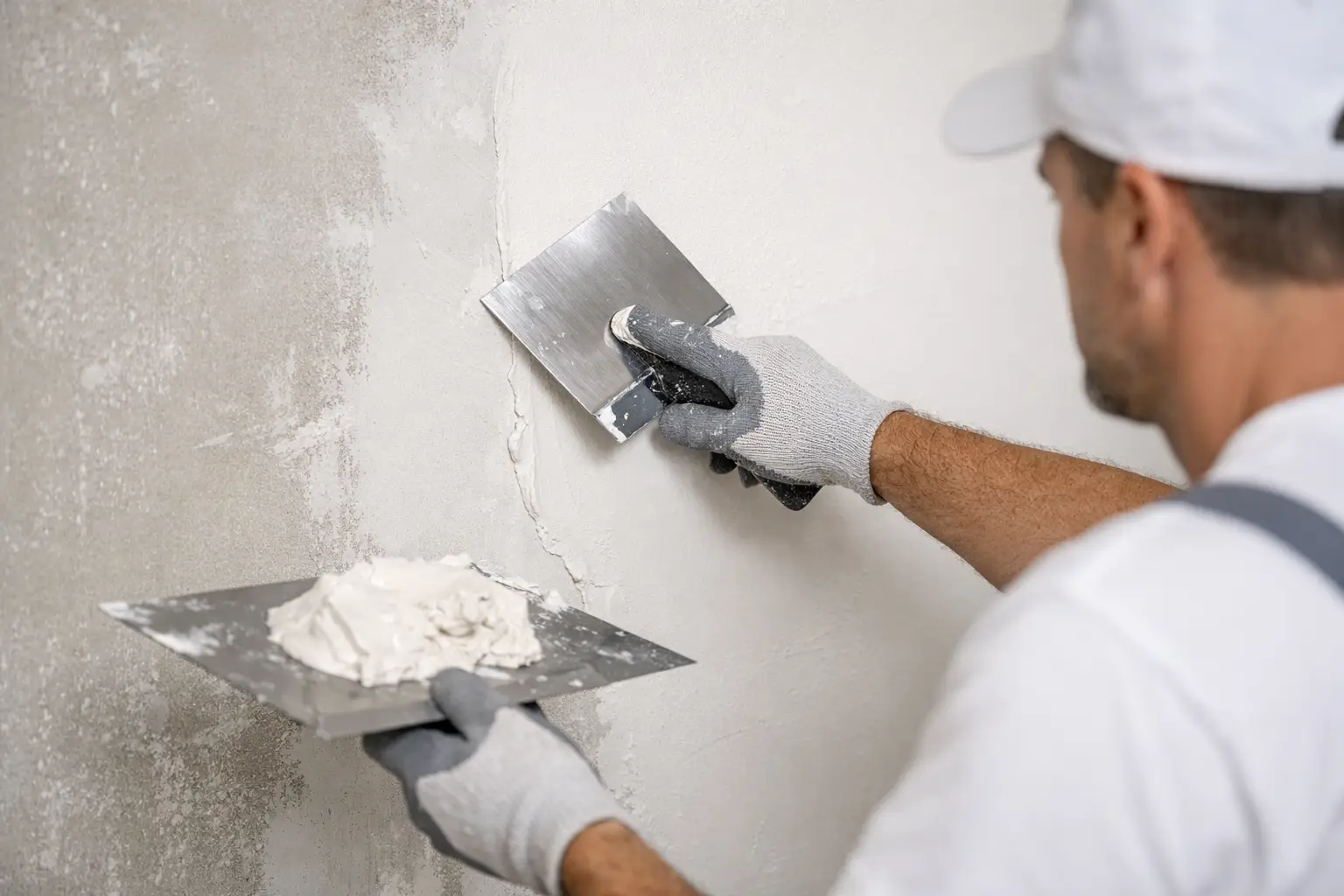
Once the substrate is sound, the repair area is taped, filled, and sanded as needed to create the right base. That step matters because texture will not hide poor prep. A hump, depression, or rough edge underneath the finish tends to show through.
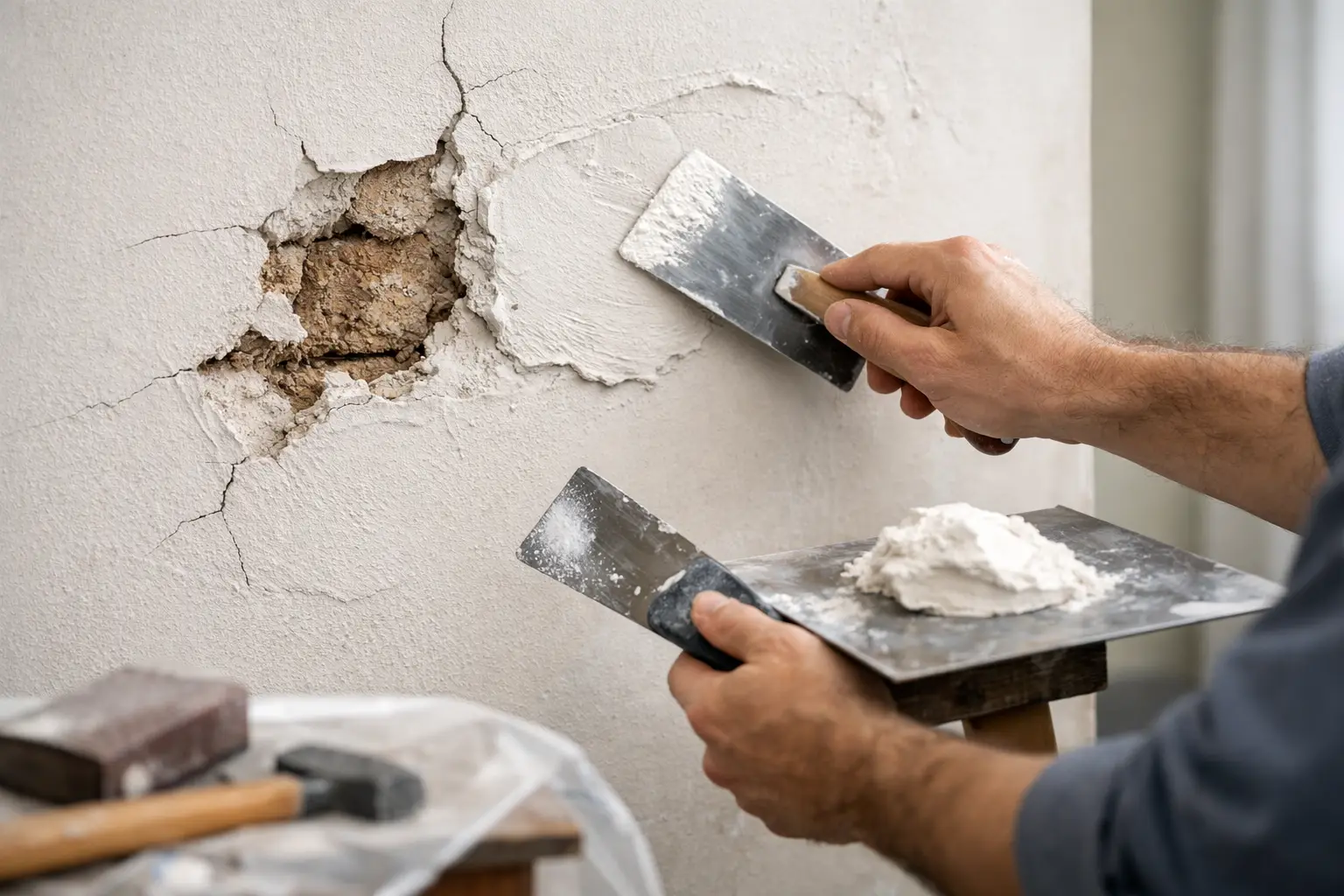
Then comes the texture matching. Depending on the surface, that may involve spray application, hand-applied texture, knockdown work, or a custom method to mimic the original pattern. This is where rushed work often fails. If the material is too wet, too dry, too heavy, or applied with the wrong tool, the patch can look separate from the rest of the wall.
After texture cures, the repaired area is ready for primer and paint. Paint also affects the final appearance. Even a well-matched repair can stand out if sheen or color varies from the surrounding surface. In many cases, the best visual result comes from painting the full wall or ceiling plane rather than only touching up the patch.
Common textured surfaces that need repair
Not every texture behaves the same way. Orange peel is common and often repairable in a focused area, but matching the droplet size and density still takes care. Knockdown requires consistency in both spray and flattening technique. Skip trowel and other hand textures demand even more skill because the finish has a custom, artistic pattern that cannot be copied by guesswork.
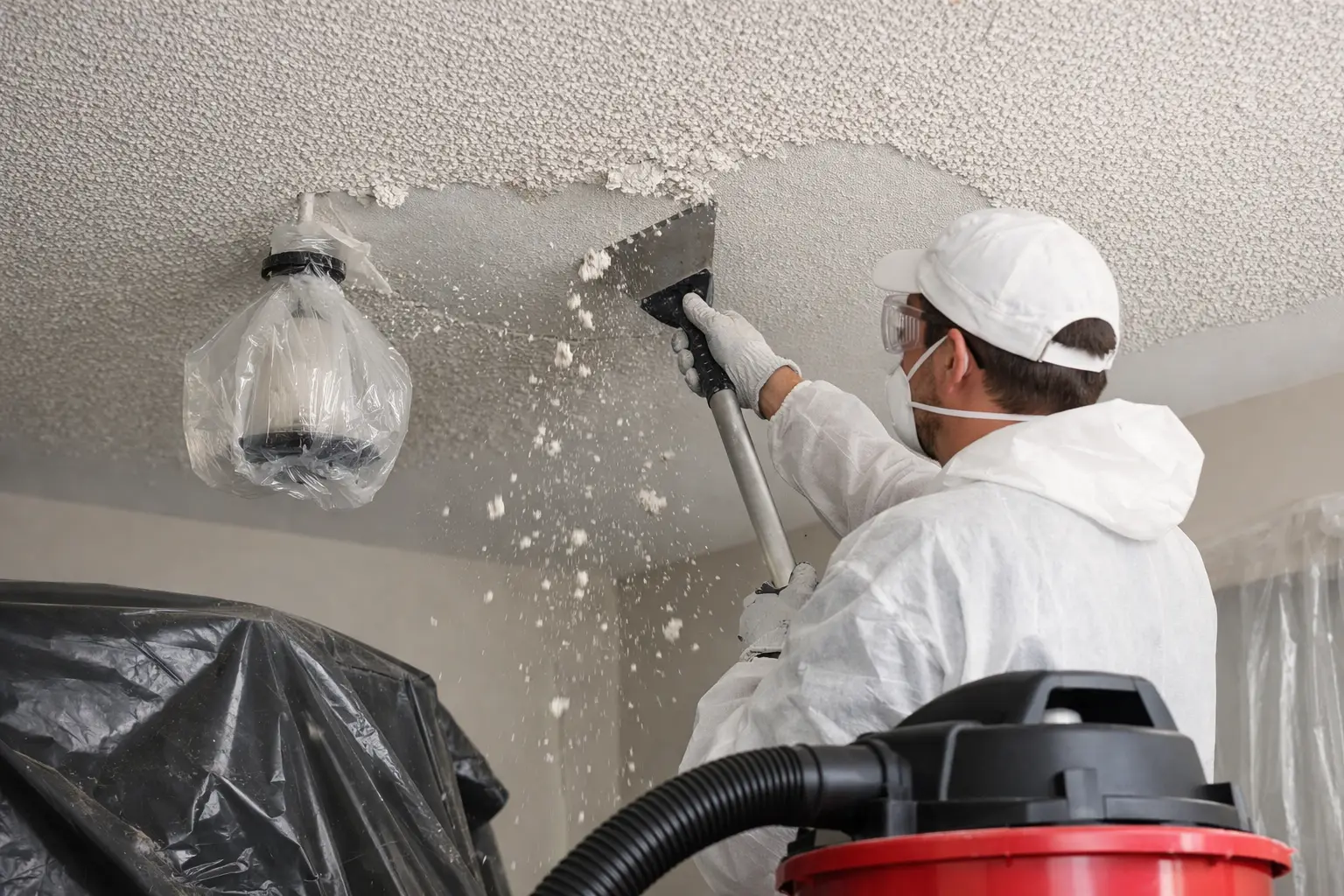
Popcorn ceilings are their own category. Repairs can be done, but texture matching may be limited if the existing material is old, brittle, or previously painted many times. In some homes, removal and refinishing is the better long-term option, especially when multiple repairs are needed.
Plaster textures add another layer of complexity. Older homes in Monroe and across Southeast Michigan often have surfaces that do not respond like modern drywall. They can still be repaired successfully, but the materials and finishing approach need to fit the structure underneath.
DIY textured wall repair versus hiring a pro
There are small repairs a handy homeowner can attempt, especially in low-visibility areas. A basic patch behind a door or in a utility space may not justify bringing in a contractor. If the texture is light and the expectations are modest, a store-bought patch kit can sometimes get the job done.
The problem is that most textured repairs are judged by appearance, not by whether the hole is filled. Living rooms, foyers, kitchens, and ceilings are high-visibility surfaces. A patch that is structurally fine but visually obvious still feels unfinished. That is usually where DIY work starts costing more – not because the repair was impossible, but because matching texture cleanly takes repetition, control, and the right materials.
For contractors and remodelers, that matters too. Finish quality reflects on the whole project. If the drywall repair stands out, clients notice, even when the rest of the renovation went smoothly.
What to expect from a professional repair
A dependable repair company should look at more than the damaged spot. The right questions are about cause, surrounding surface condition, texture type, and what level of blending will produce the best finished look. Good communication matters here. Customers want to know what can be matched closely, what may require a wider repair area, and how the final paint stage affects the result.
Cleanliness and scheduling matter just as much as technique. Repair work happens in occupied homes, rental units, offices, and active job sites. The process should be efficient, respectful of the space, and built around durable results rather than quick cosmetic fixes.
That is the value of working with a contractor who handles textured wall and ceiling repairs regularly. With more than 32 years of hands-on experience, TDM Drywall approaches these repairs the way they should be handled – by fixing the problem correctly, blending the finish carefully, and keeping the process straightforward for the customer.
How to know it is time to repair textured walls
If the damage catches your eye now, it will not improve with time. Small cracks can spread, soft spots can worsen, and failed patches usually become more visible after another coat of paint. Water damage should be addressed once the source is corrected, before the surrounding material breaks down further.
A repair also makes sense before listing a home, finishing a remodel, turning over a rental, or updating a room that still shows old patch marks. Textured surfaces have a way of making even minor flaws look bigger than they are. Getting them repaired properly can change how clean and finished the whole space feels.
The best results come from treating textured wall repair as finish work, not just damage control. When the patch is solid, the texture is matched well, and the surface is ready for paint, the room feels right again. That is what people are really paying for – not a patched spot, but a wall or ceiling that no longer looks repaired.

Leave A Comment