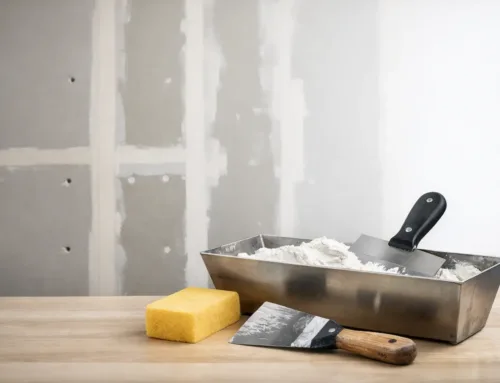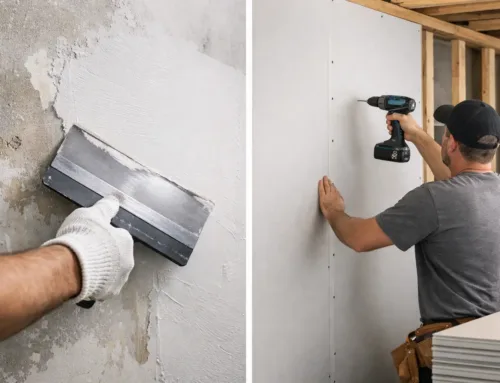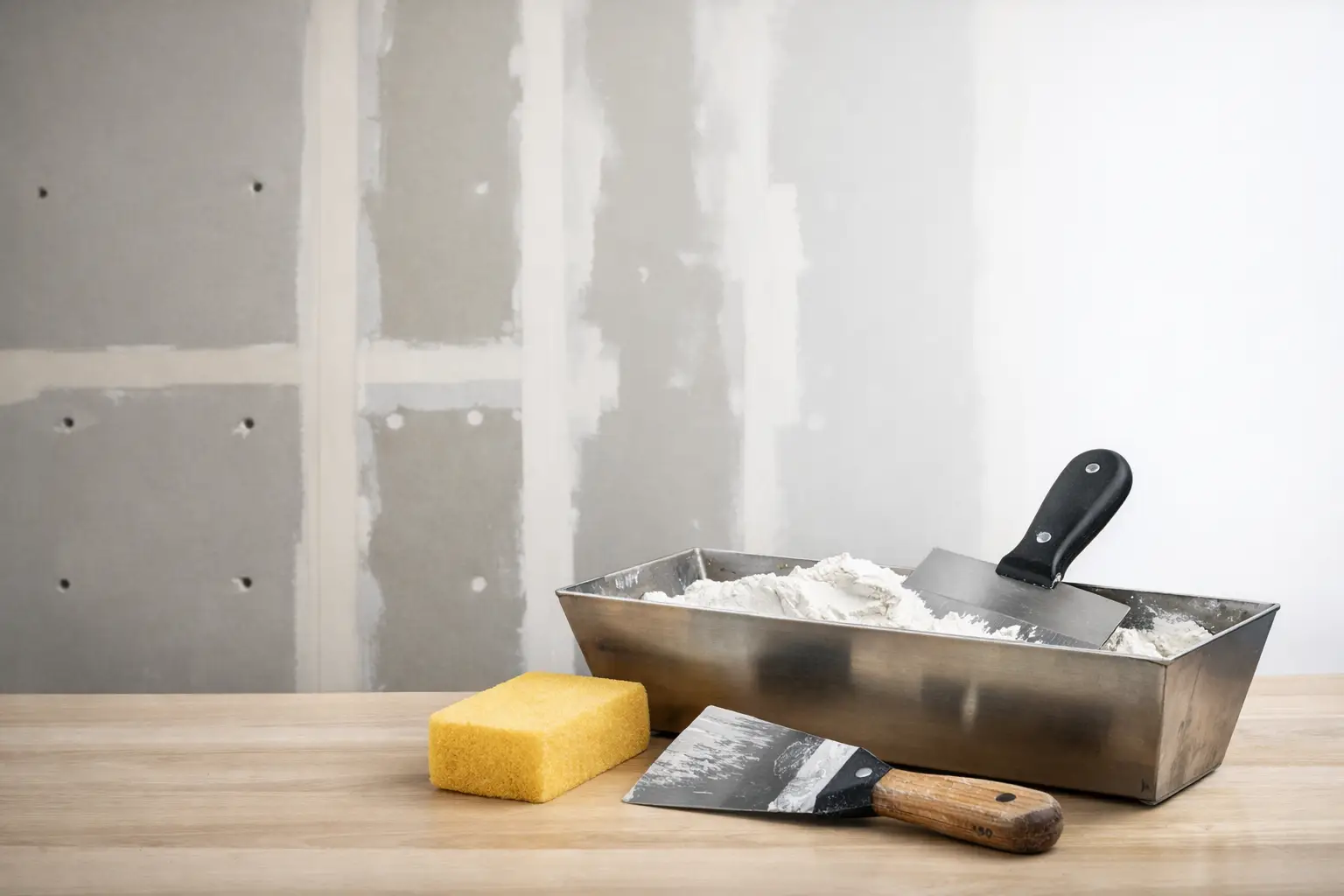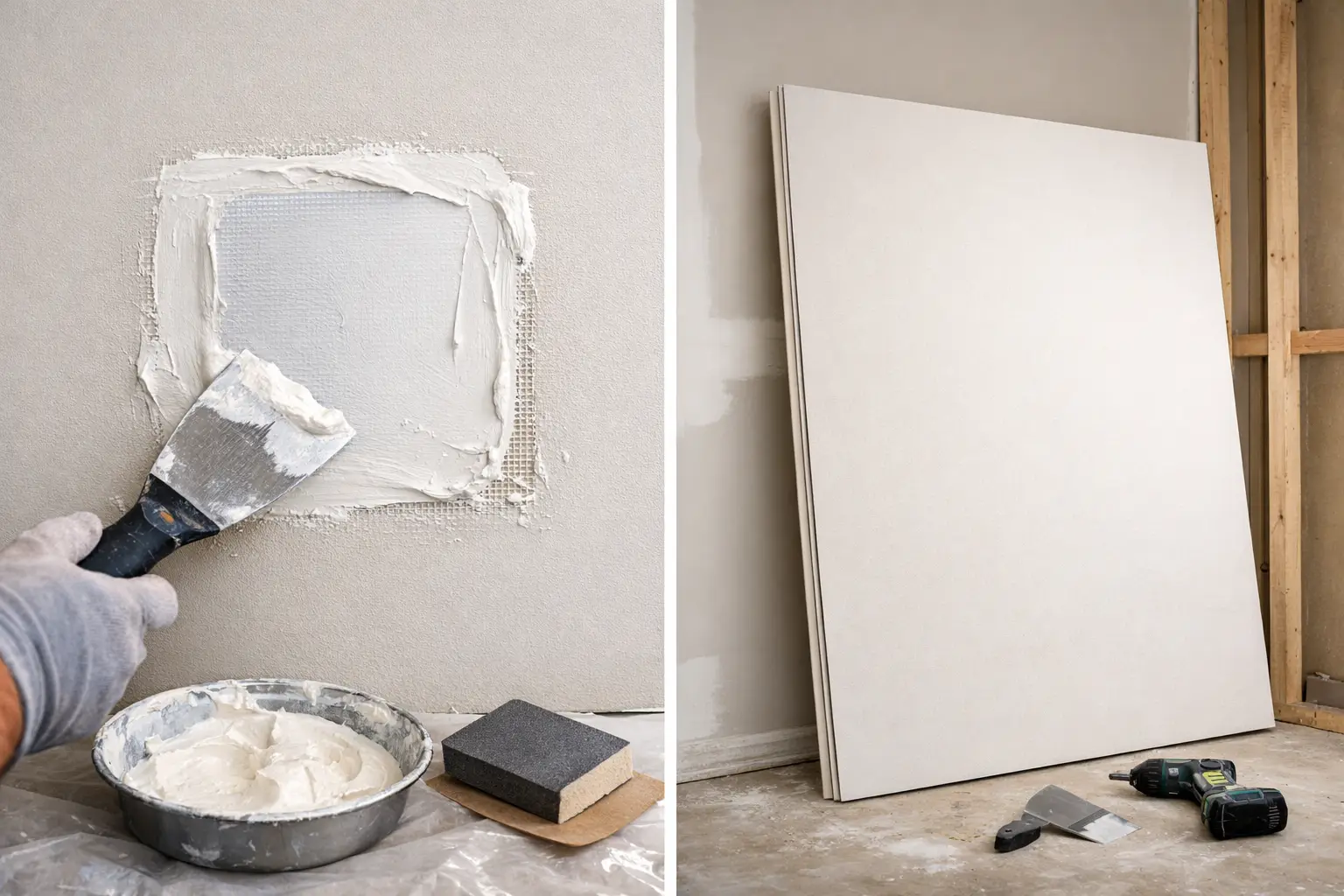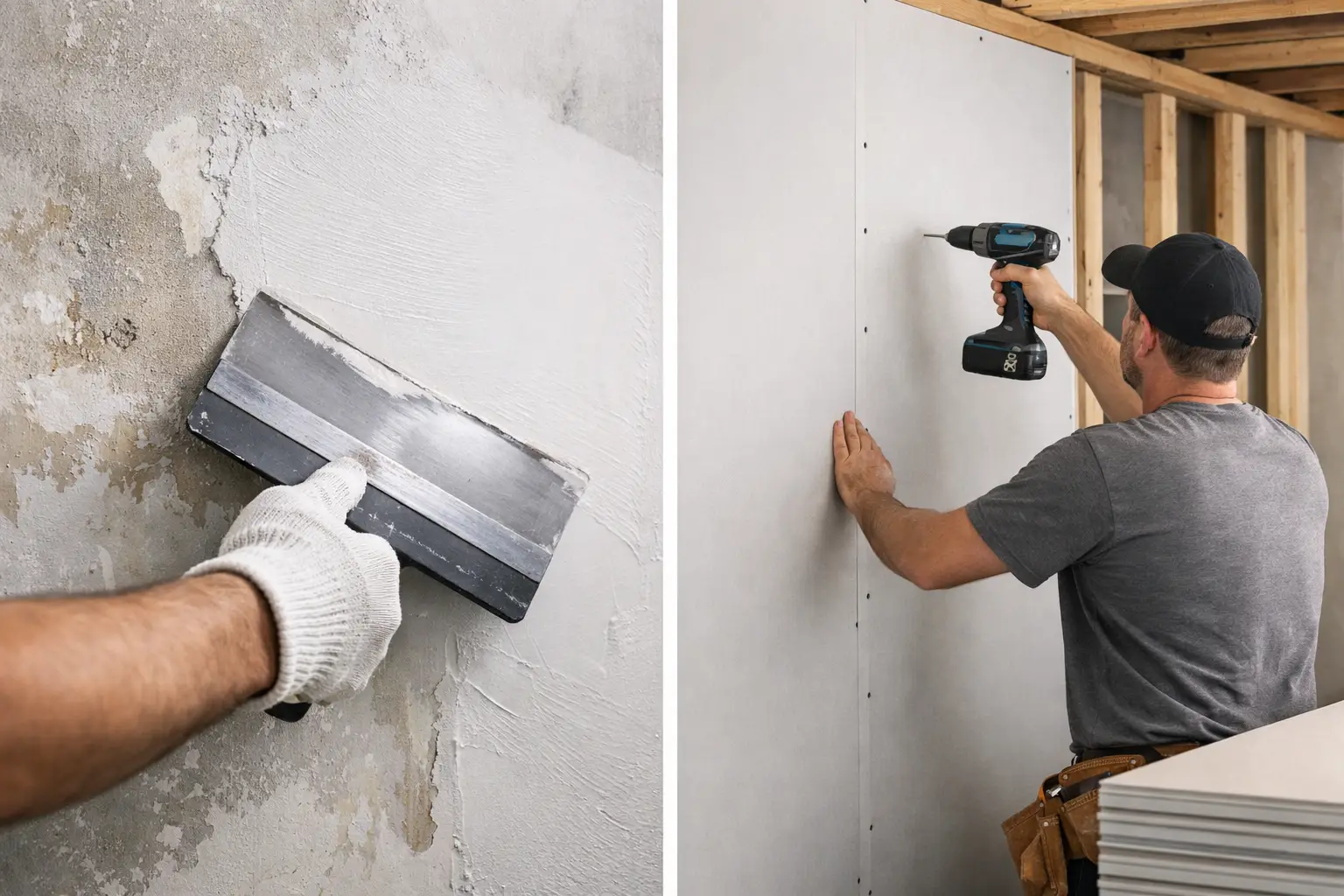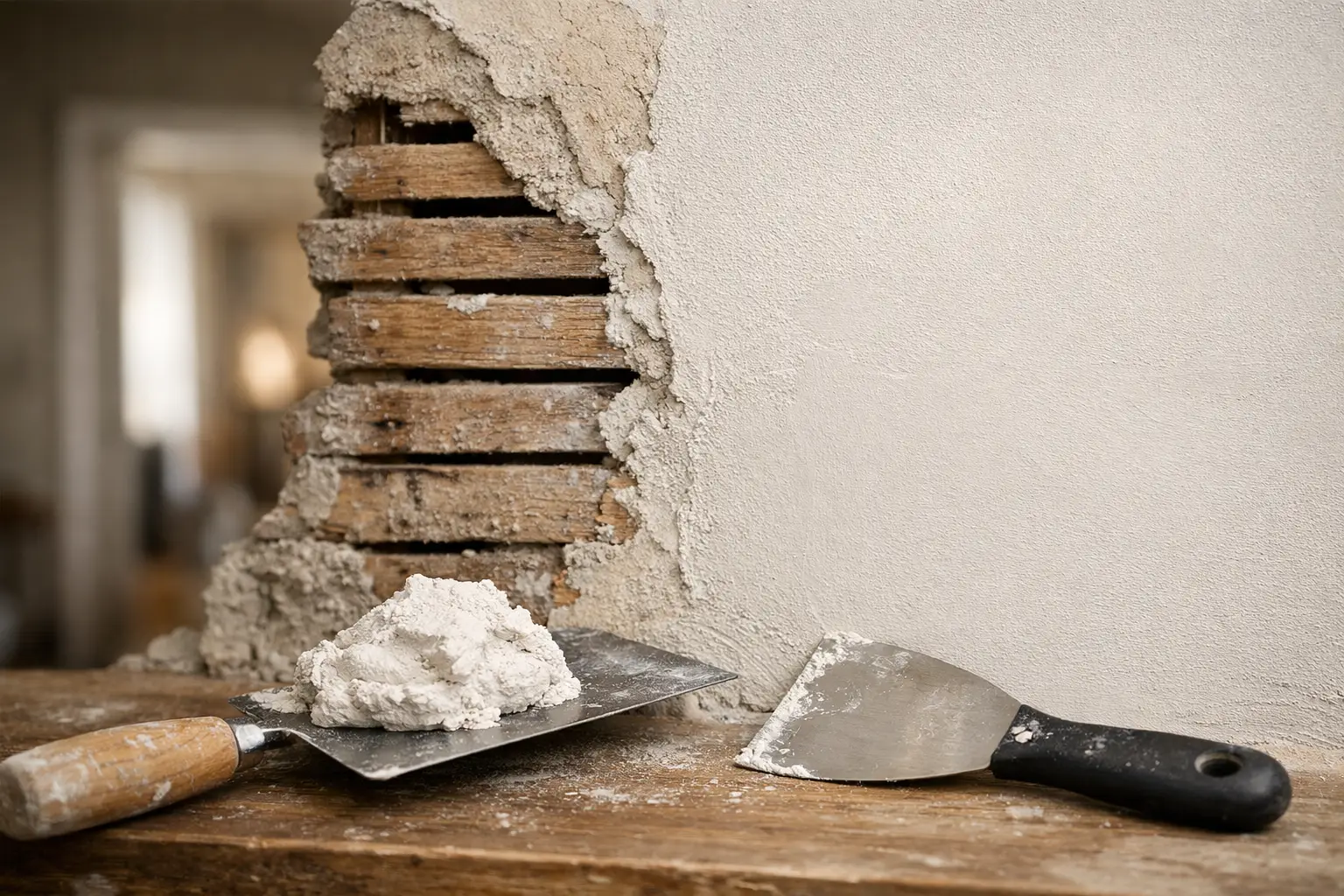

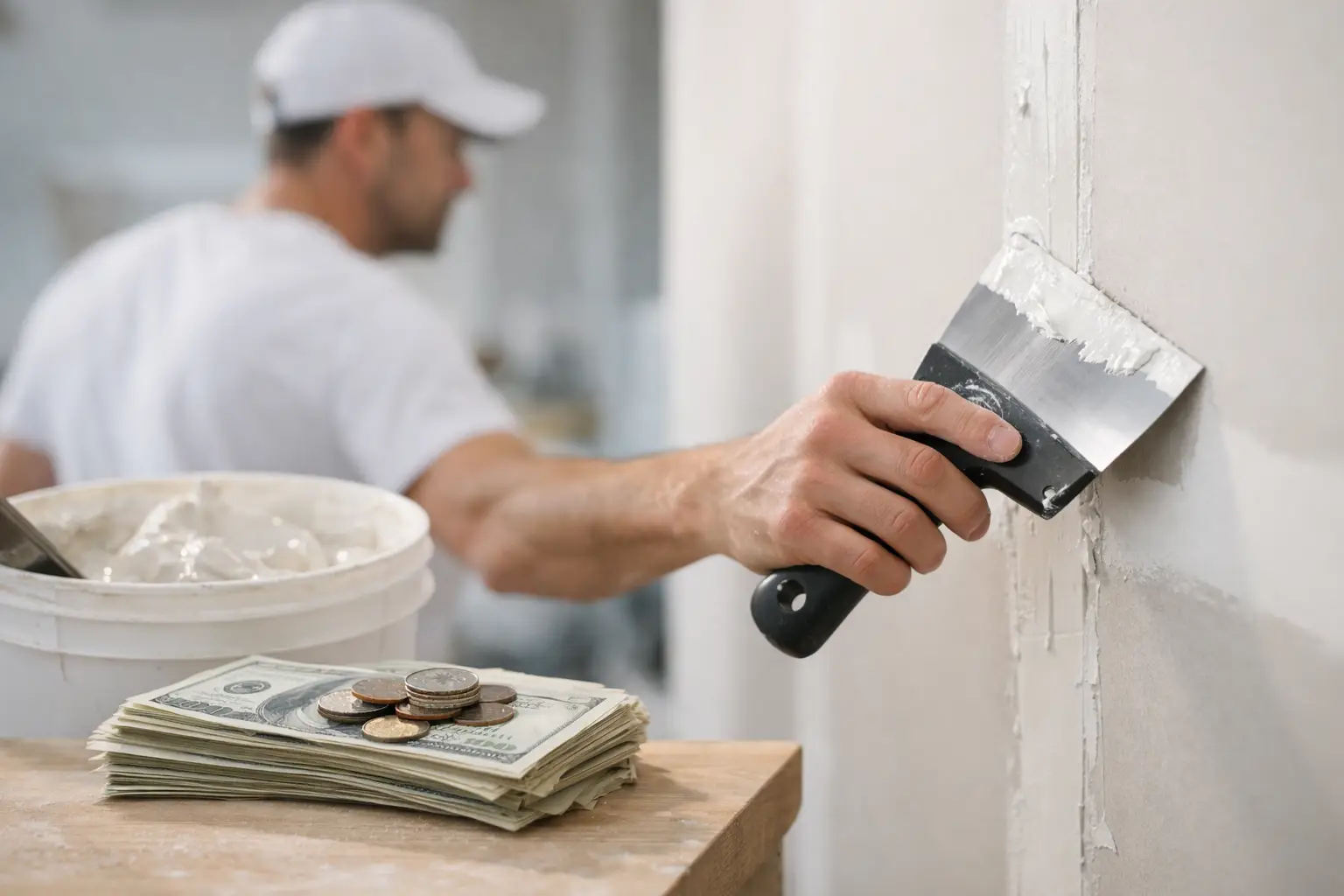
A drywall job can look nearly finished once the panels are hung, but the mudding and finishing work determines what you see after the paint dries. If you are asking how much drywall mudding costs, the honest answer is that square footage matters, but so do the number of seams, the finish level, ceiling height, existing damage, and the texture you want to match.
For homeowners and property managers in Monroe and Southeast Michigan, professional drywall mudding commonly falls in a broad range because no two rooms have the same prep work. A small repair may carry a minimum service charge, while a basement, addition, or full-room replacement is usually priced by the scope of finishing required. The goal should not be the lowest number on paper. It should be a clean, paint-ready surface that does not reveal every joint, fastener, or patch under normal lighting.
How Much Does Drywall Mudding Cost Per Square Foot?
As a general planning range, drywall mudding and finishing often costs about $1.00 to $3.50 per square foot of drywall surface. That range generally applies to straightforward new drywall work with normal access and a standard smooth finish. Projects at the lower end tend to have large, open wall areas with few interruptions. Projects at the higher end usually involve ceilings, multiple corners, repairs, detailed prep, high finish expectations, or difficult texture matching.
It helps to clarify what is being measured. A 12-by-12-foot room has 144 square feet of floor space, but the drywall surface area of its walls and ceiling can be several times greater. A contractor will typically measure the walls and ceilings being finished, not just the footprint of the room.
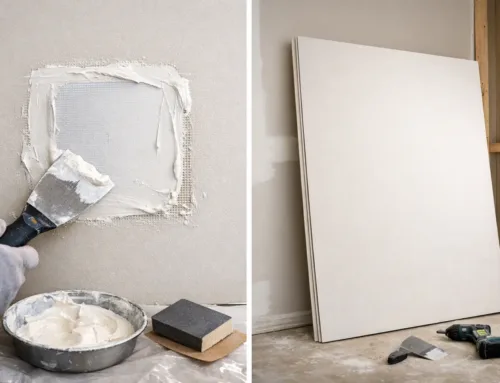
For small jobs, a per-square-foot figure can be misleading. Repairing one damaged section, blending a patch into an existing wall, or correcting a failed tape joint takes setup, protection, drying time, sanding, and cleanup. Even when the damaged area is small, the skilled work required to make it disappear is not.
Typical Drywall Mudding Price Ranges
A simple patch or small seam repair may range from a few hundred dollars upward, depending on whether the area needs new drywall, tape replacement, texture matching, or paint preparation. A larger wall repair, especially after a plumbing leak or water damage, can cost more because soft or stained material must be removed and the surrounding finish needs to blend cleanly.
For new drywall installation, finishing a single room may run from the high hundreds into several thousand dollars depending on room size, ceiling details, and the number of coats needed. Basement finishing and remodeling projects are usually quoted as a complete scope because they include many seams, inside corners, outside corners, soffits, bulkheads, window returns, and transitions around doors.
Ceilings deserve separate consideration. Overhead work is slower, requires more protection for the room below, and often exposes imperfections more clearly. A smooth ceiling under recessed lighting needs careful feathering and sanding. If popcorn texture must be removed before skim coating or repair, the preparation can add meaningful labor and cost.
These are planning ranges, not a substitute for an on-site quote. A professional estimate should explain what will be repaired or finished, what level of finish is expected, and whether the price includes protection, sanding, cleanup, and texture blending.
What Changes the Cost of Drywall Mudding?
The biggest cost factor is labor. Drywall finishing is a multi-step process: taping joints, applying successive coats of compound, allowing adequate drying time, sanding, checking the surface, and addressing imperfections before paint. Rushing that sequence may save time in the short term, but it can leave visible bands, ridges, bubbles, cracking tape, or uneven texture.
The condition of the walls
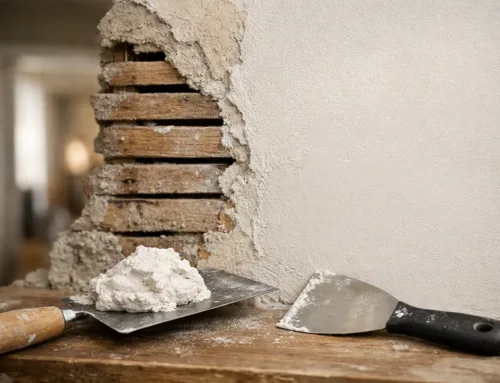
New drywall is often more predictable than a repair in an older home. Existing walls may have several paint layers, uneven plaster transitions, previous patches, moisture damage, loose tape, or a texture that has changed over time. Before new mud can perform properly, those underlying issues need to be addressed.
Water damage is a good example. Staining, sagging, or bubbling drywall should not simply be covered with compound. The moisture source must be resolved, damaged material may need replacement, and the repaired section must be finished to match the surrounding surface. That process costs more than a cosmetic skim coat, but it protects the durability of the repair.
Finish level and lighting
Not every wall needs the same level of finish. A utility room with flat paint and limited lighting may not require the same detailed work as a living room with large windows, glossy paint, or recessed lights that shine across the wall. The more critical the lighting, the more time is needed to feather joints and create an even surface.
A Level 4 finish is common for many residential walls and ceilings. A Level 5 finish adds a skim coat over the entire surface and is often recommended where smooth walls, darker paint colors, satin or semi-gloss sheen, and strong side lighting could expose minor imperfections. Level 5 work costs more, but it can be the right investment in a highly visible room.
Texture matching and specialty surfaces
Texture matching can add to a drywall mudding quote because it is part repair work and part finish work. Orange peel, knockdown, hand-applied textures, and older ceiling patterns each require a different approach. The goal is not simply to apply texture. It is to make the repaired area blend with the surrounding wall so it does not stand out after painting.
Curved walls, plaster repairs, high ceilings, stairwells, and tight spaces also affect price. These conditions slow access and require more careful staging, protection, and hand work.
Does the Quote Include Materials and Cleanup?
Most professional drywall mudding quotes include standard joint compound, tape, corner bead, fasteners, sanding materials, and ordinary surface protection. Still, ask what is included. Specialty bead, mold-resistant drywall, extensive framing corrections, insulation replacement, paint, and major demolition may be priced separately depending on the project.
Cleanup is another point worth discussing before work begins. Drywall dust travels easily, even on a small project. A careful contractor protects floors and nearby belongings, contains the work area as practical, and removes debris when the work is complete. Clean work practices are not an extra touch. They are part of doing interior repair work responsibly in an occupied home or business.
Why Cheap Drywall Mudding Can Cost More Later
The lowest quote can be tempting, particularly when drywall seems like a simple finishing step before painting. But poor mudding often becomes visible only after the painter leaves. Flashing at seams, raised joints, cracked corners, tape bubbles, and mismatched texture can turn a modest repair into a larger correction project.
A fair quote reflects the time required for proper coats, drying, sanding, inspection, and protection of the space. It also reflects accountability. Licensed and insured drywall professionals should be willing to explain the scope plainly, communicate scheduling expectations, and stand behind the finish.
TDM Drywall approaches each job with the practical experience that comes from more than 32 years of hands-on drywall and plaster work. For a small patch or a full renovation, the focus is the same: repair the surface correctly, keep the workspace clean, and leave a durable finish ready for paint.
Getting an Accurate Estimate
The quickest way to get a useful drywall mudding estimate is to share clear photos and describe the issue, but an in-person look is often best for larger repairs, water damage, textured walls, or full-room work. Note whether drywall is already installed, whether there are cracks or loose tape, the approximate room dimensions, ceiling height, and whether you want a smooth finish or texture match.
When comparing estimates, make sure each contractor is pricing the same work. One quote may cover a basic patch while another includes cutting out damaged material, retaping joints, multiple finish coats, texture blending, dust control, and cleanup. A clear scope makes the comparison fair and helps prevent surprises.
The right drywall mudding price is the one that accounts for the actual condition of the surface and delivers a finish you will not have to think about every time sunlight hits the wall.