
A wall can be perfectly painted and still feel unfinished. In many homes, especially during a remodel or after a repair, the missing piece is not another color choice. It is surface character. The right modern wall texture ideas can add depth, soften hard lines, and give a room a more intentional, finished appearance without overpowering the furniture or décor.
Texture is not one-size-fits-all. A finish that looks great on a large family-room feature wall may be too active for a small hallway, a low ceiling, or a room with limited natural light. The best choice depends on the condition of the existing drywall, the style of the home, the lighting, and whether the goal is to hide imperfections or create a clean architectural detail.
Modern Wall Texture Ideas That Work in Real Homes
Current texture trends lean toward subtle, hand-finished surfaces rather than heavy, repetitive patterns. Homeowners are moving away from bold sprayed textures on every wall and toward finishes that feel quieter, cleaner, and easier to live with.
Smooth Level 5 Finish
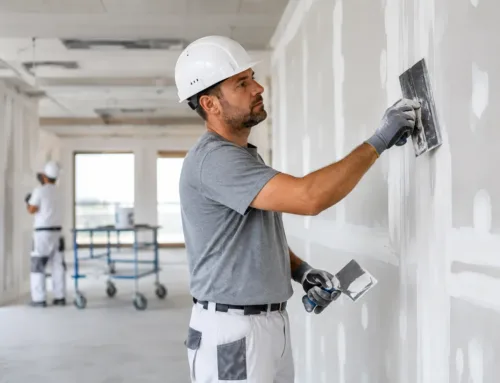
A Level 5 finish is the cleanest option for homeowners who want walls to look crisp, flat, and paint-ready. It involves careful drywall finishing followed by a thin skim coat across the surface. This extra step helps eliminate the minor paper texture, joint lines, and unevenness that can become visible under paint.
This finish works especially well in modern kitchens, living rooms, stairwells, and rooms with large windows. It is also a smart choice when using satin or semi-gloss paint, dark colors, or directional lighting, all of which can reveal flaws in ordinary drywall finishing.
The trade-off is that smooth walls show damage more readily than a lightly textured finish. If a busy household has pets, children, or furniture frequently moving through narrow spaces, a subtle texture may be more forgiving.
Skim-Coated Plaster Look
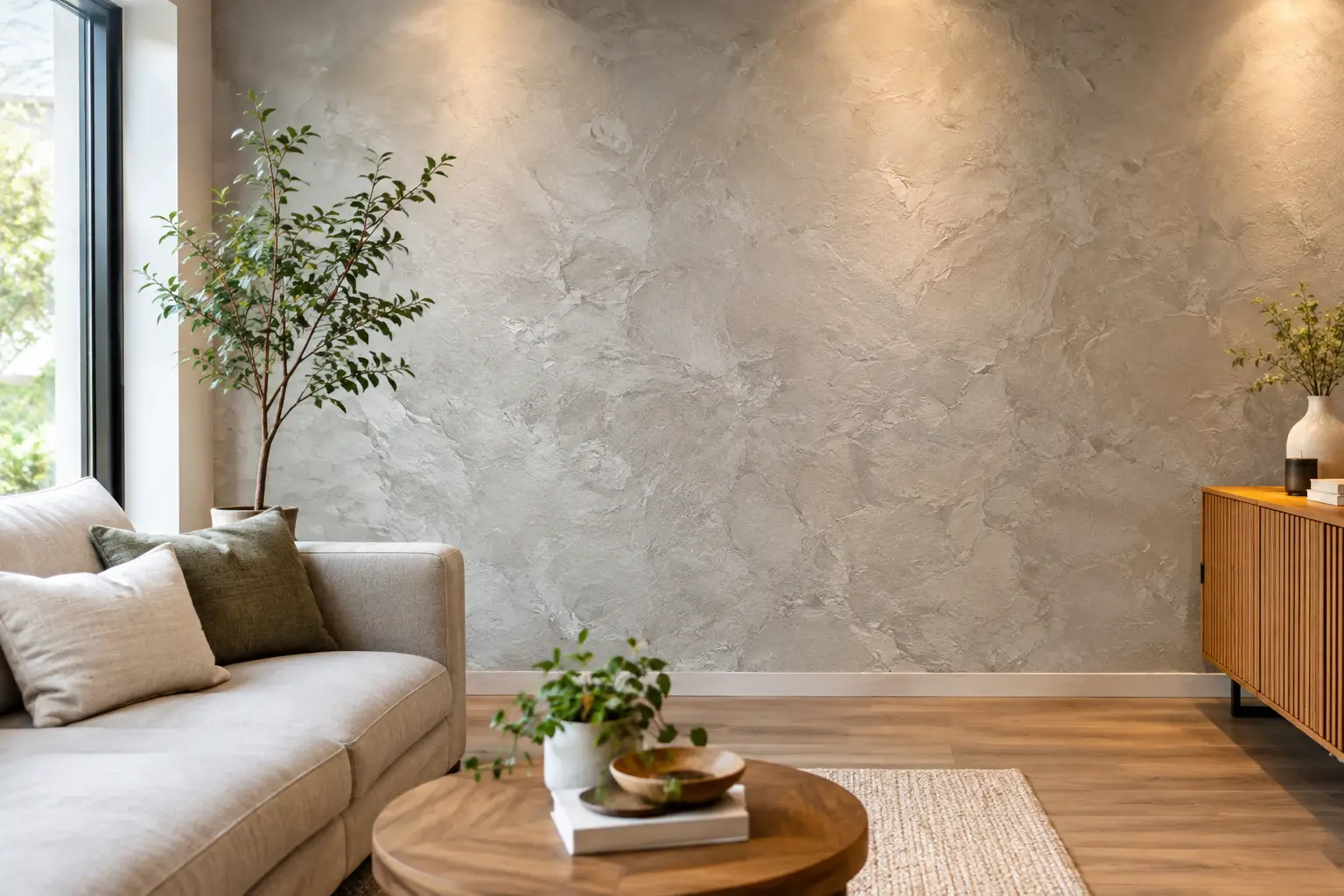
A skim-coated finish offers a softer alternative to perfectly flat drywall. The surface remains smooth to the touch, but it can retain very slight movement from the hand-applied application. When painted in warm whites, soft grays, clay tones, or muted greens, it gives walls a calm, tailored look that suits both updated older homes and new construction.
This is a practical choice when walls have old texture, patchwork, minor waviness, or multiple previous paint layers. Rather than trying to spot-fix every area and hoping it disappears after paint, skim coating creates a consistent surface across the wall or room.
A good skim coat is not meant to look rough or unfinished. The goal is a durable, even finish that looks clean in daylight and holds up under normal use. It takes experienced preparation and sanding to get right, particularly around windows, doors, corners, and repaired areas.
Knockdown Texture With a Lighter Touch
Knockdown texture remains useful, but the modern version is lighter and more controlled than the heavy patterns common in older homes. A fine spray is applied, allowed to set briefly, then gently flattened with a drywall knife. The result is a low-profile texture with soft variation.
It can help disguise small wall imperfections, make repair areas less noticeable, and reduce glare from harsh lighting. It is often a good fit for bedrooms, finished basements, rentals, and larger open areas where a completely smooth finish is not necessary.
The key is restraint. Heavy knockdown can make a room feel dated, and matching an existing pattern takes more skill than many homeowners expect. The size of the spray, the timing, the knife angle, and the pressure all affect the finished look. When only one repaired section is textured differently from the surrounding wall, it often stands out even after painting.
Orange Peel for Durable, Low-Maintenance Walls
A light orange peel finish has a fine, dimpled appearance that adds just enough texture to reduce the visibility of minor imperfections. It is common in hallways, laundry rooms, rental properties, and active family spaces because it is durable, practical, and easier to touch up than a perfectly smooth wall.
For a more current appearance, keep the pattern fine and consistent. Oversized orange peel can feel busy, while a subtle application creates a uniform painted surface that does not call attention to itself.
Orange peel is not usually the first choice for a formal dining room or high-end feature wall. Still, it is a sensible option where everyday durability matters more than a completely flat, gallery-style finish.
A Single Textured Feature Wall
Texture has more impact when it is used with purpose. Instead of applying a decorative finish throughout the entire home, consider one focal wall behind a bed, fireplace, dining table, or reception area. A skim-coated plaster look, a subtle hand-troweled finish, or a clean smooth wall in a contrasting paint color can create depth without making the room feel crowded.
Feature walls work best when the rest of the room is simpler. If the space already includes patterned flooring, dramatic tile, exposed beams, or strong furnishings, a restrained wall finish will keep the design balanced. Texture should support the room, not compete with everything in it.
Choosing Texture by Room and Lighting
Before selecting a finish, look at the wall at different times of day. Light coming across a wall from a window, recessed fixture, or sconce creates shadows that make every surface variation more visible. This is called critical lighting, and it is one reason a wall that looks fine during construction can show seams or patches after the room is painted.
In bright rooms with large windows, a Level 5 finish or a carefully skim-coated wall is often worth the investment. In a basement, hallway, utility room, or space with softer lighting, a light knockdown or orange peel may provide the right balance of appearance and durability.
Ceilings deserve their own consideration. Removing a popcorn ceiling and refinishing it smooth can make a room feel taller and more current, but ceilings receive more direct light than many people realize. Proper preparation, joint finishing, and sanding are essential for a consistent result. A light ceiling texture may be the better choice in some rooms if it helps conceal existing framing variations or past repairs.
Start With Wall Condition, Not Just Style
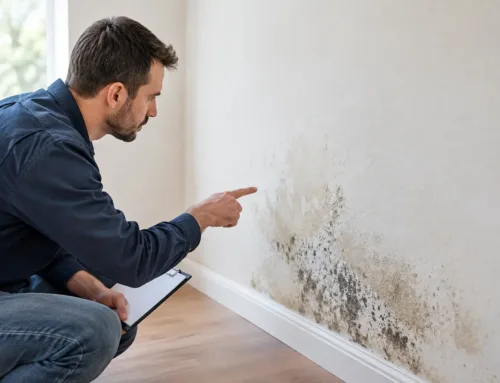
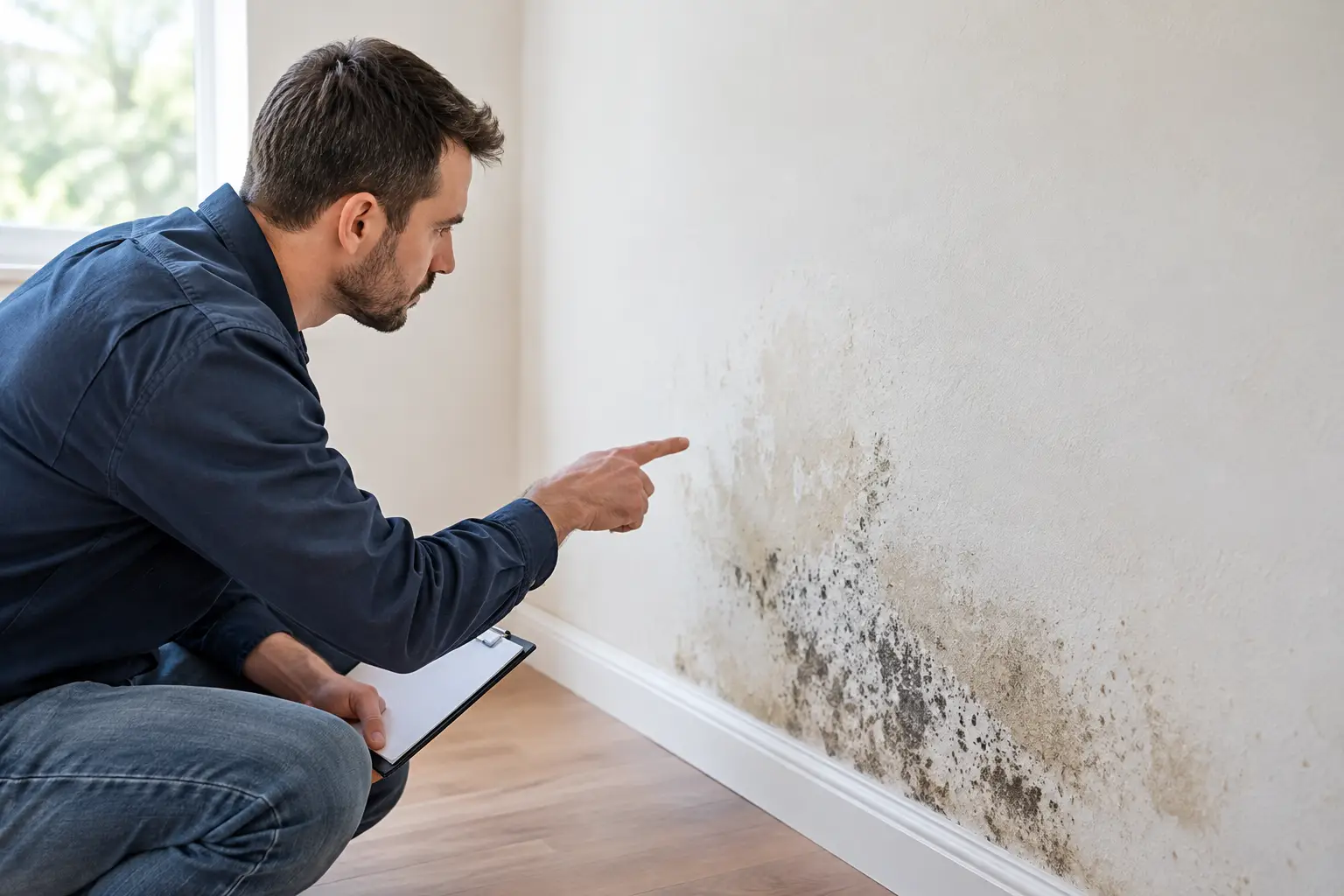
Texture cannot solve every underlying problem. Water damage, loose drywall, cracked plaster, failed tape joints, and poorly repaired holes need to be addressed before a new finish goes on. Applying texture over damaged material may temporarily hide the issue, but the defect can return through the new surface.
This is particularly important after a roof leak, plumbing leak, or basement moisture problem. The source of moisture should be corrected, and compromised drywall should be removed or repaired as needed. Once the wall is sound, the finish can be blended and prepared for paint.
Older homes also require a careful approach. Existing plaster may have cracks or uneven areas that call for repair and skim coating rather than a simple texture application. Matching the character of adjacent walls matters, especially when only one room or section is being updated.
Why Texture Matching Is a Professional Detail
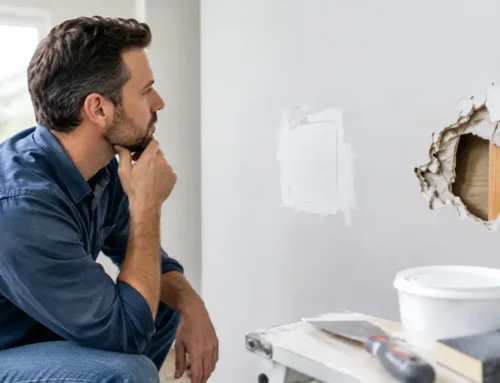
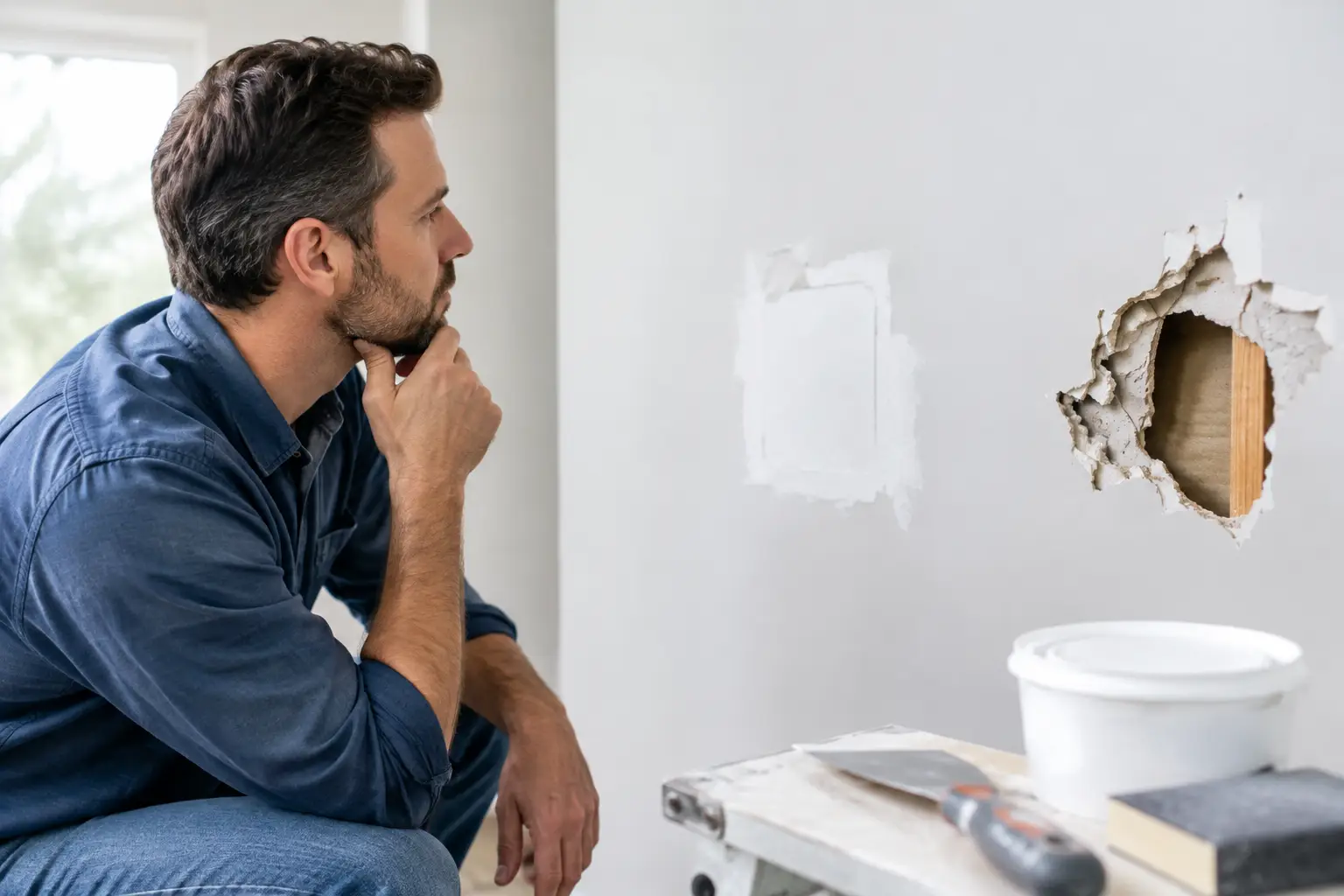
A repaired wall can look excellent before paint and still show a visible patch afterward if the texture does not match. Texture matching is not simply spraying a pattern over a repair. It requires evaluating the existing finish, recreating the size and density of the pattern, feathering edges, and blending the repair so it does not have a hard outline.
The same principle applies when removing unwanted texture. If a homeowner wants one smooth wall in a textured room, the transition at corners, ceilings, and adjoining walls must be planned carefully. Partial updates can look sharp, but only when the finished surfaces are intentional and consistent.
For homeowners and property managers in Monroe, Downriver, and Southeast Michigan, TDM Drywall brings more than 32 years of hands-on drywall and plaster experience to repairs, skim coating, texture matching, and paint-ready finishing. Clean work areas, clear communication, and careful prep matter just as much as the final texture.
Plan the Finish Before the Paint Goes On
Paint can enhance a texture or expose every flaw in it. Flat paint hides minor variations better, while eggshell, satin, and higher-sheen paints reflect more light and demand cleaner wall preparation. If the plan includes a deep navy, charcoal, or other dark color, expect the drywall finish to need extra attention.
It also helps to decide whether the wall should disappear into the room or become part of the design. A subtle finish in a neutral color can make a space feel warm and complete. A more pronounced feature texture can add interest, but it should be tested in the actual room lighting before committing to a large area.
The best wall finish is one that looks right from across the room, holds up to daily life, and still feels intentional years after the project is complete.