

A hairline crack over a doorway might be nothing more than normal house movement. A widening ceiling crack with a brown stain around it is a different story. If you are asking what do wall and ceiling cracks mean, the answer depends on the crack’s size, shape, location, and whether it is changing over time.
Some cracks are cosmetic. Others point to moisture problems, framing movement, settling, or a failed drywall joint. The key is knowing which is which before a small repair turns into a larger project.
What do wall and ceiling cracks mean in real homes?
In most homes, small cracks happen because materials expand, contract, and shift slightly with the seasons. Drywall and plaster are rigid surfaces attached to a structure that naturally moves a little over time. That is especially common in older homes, after remodeling work, or during Michigan’s freeze-thaw cycles and humidity swings.
A crack does not automatically mean structural failure. In many cases, it means a taped drywall seam has loosened, a corner bead has shifted, or a previous repair did not hold. Those are repairable issues, but they still need to be handled correctly if you want a clean finish that lasts.
Where homeowners get into trouble is assuming every crack is minor. Some patterns tell you there may be more going on behind the surface.
Hairline cracks are often cosmetic
Thin, straight cracks along drywall seams are usually the least serious. You may notice them where two sheets of drywall meet, at wall-to-ceiling transitions, or above doors and windows. These spots tend to show stress first because framing can move a bit and joint compound is not flexible.
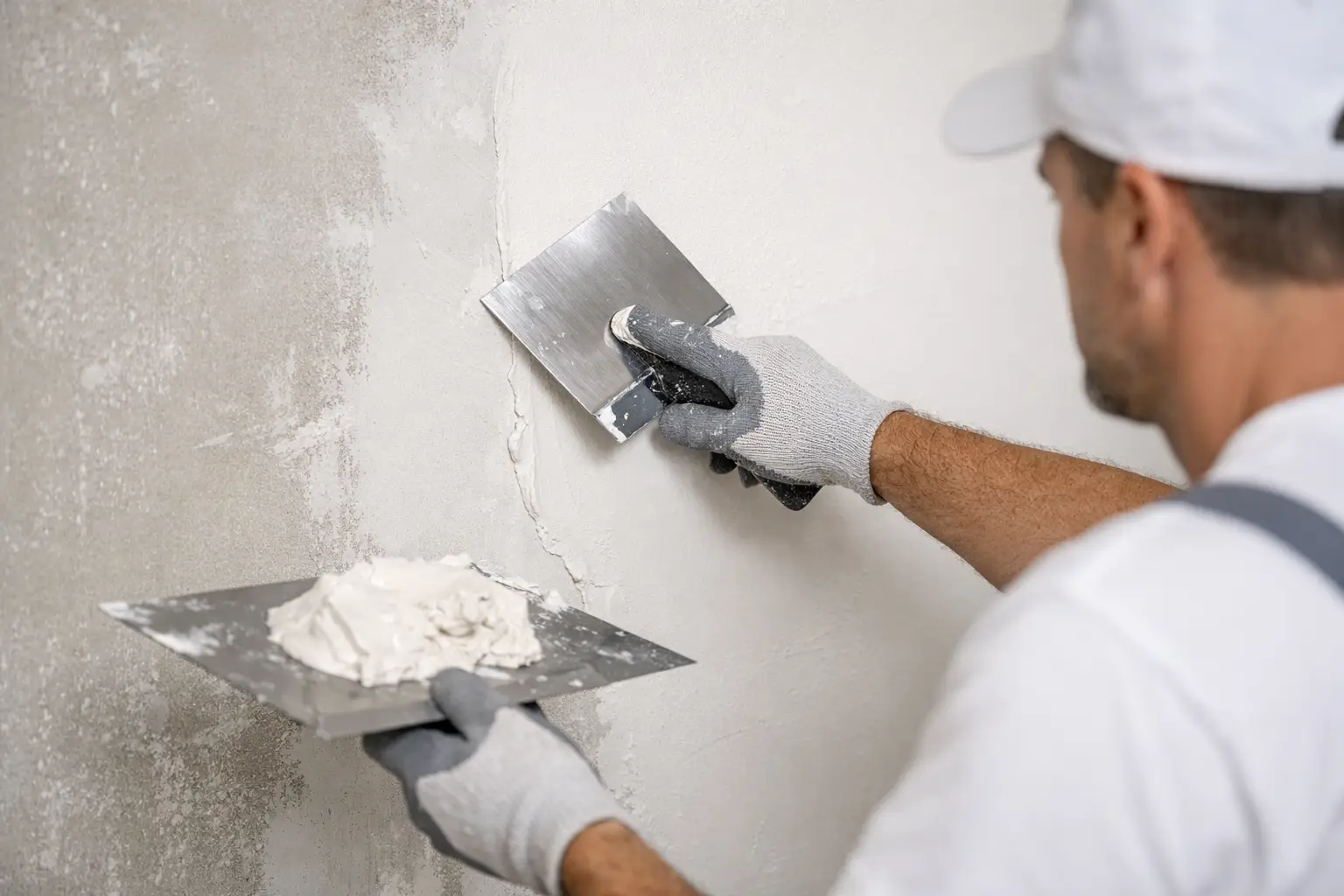
If the crack is very narrow, has not changed, and there are no signs of staining or sagging, it is often a finish issue more than a structural one. That said, cosmetic does not mean it will fix itself. Painting over a crack rarely works for long. If the joint tape has failed, the damaged area usually needs to be opened up, retaped, finished properly, and blended so the repair disappears.
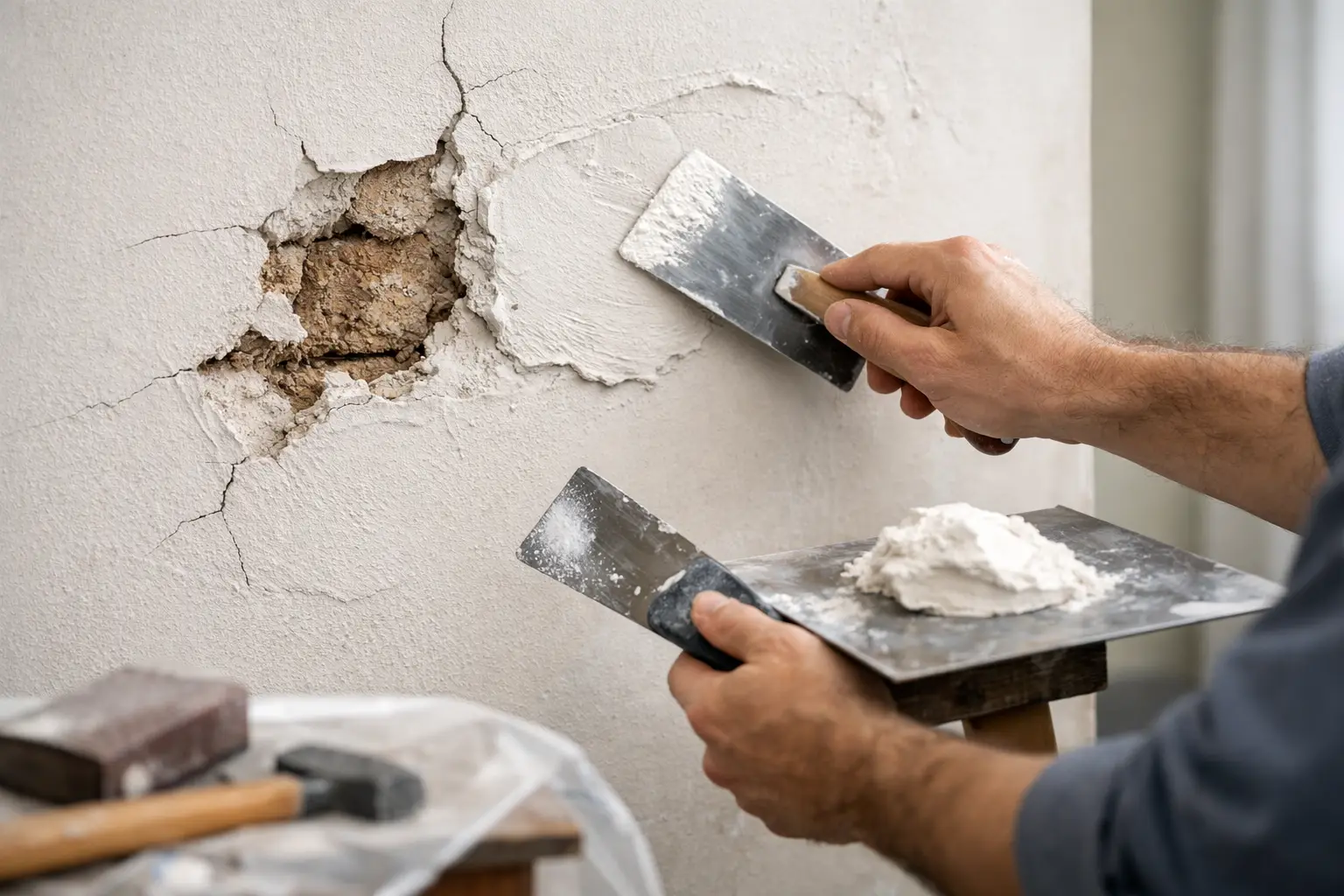
In plaster homes, small surface cracks can also develop with age. Some are shallow and limited to the finish coat. Others run deeper because the plaster keys have loosened from the lath behind it. The surface may look similar at first glance, but the repair approach is different.
When wall cracks suggest movement
Cracks that run diagonally from the corners of doors or windows can point to movement in the framing or foundation. That does not always mean a major structural problem, but it does mean the house may be shifting enough to stress the wall surface.
You will want to pay attention if those cracks are wider than a hairline, continue to grow, or show up in multiple areas of the home. Doors sticking, trim separating, and floors feeling uneven can support the idea that movement is contributing to the damage.
This is one of those it-depends situations. A single small diagonal crack may be related to normal settling. Several widening cracks across different rooms may deserve a closer look before cosmetic repairs are made. There is no benefit in finishing walls beautifully if the underlying movement is still active.
What ceiling cracks usually mean
Ceiling cracks deserve a little more caution because gravity is involved. A simple seam crack in a flat drywall ceiling can still be a straightforward repair, especially if it follows a taped joint and there is no sagging. But a crack that bows, spreads, or runs across a ceiling with visible drooping should not be ignored.
Ceiling cracks often come from one of three sources. The first is normal movement at taped seams. The second is moisture, often from a roof leak, plumbing leak, or condensation issue in an attic or bathroom. The third is structural or framing movement that puts stress on the ceiling surface.
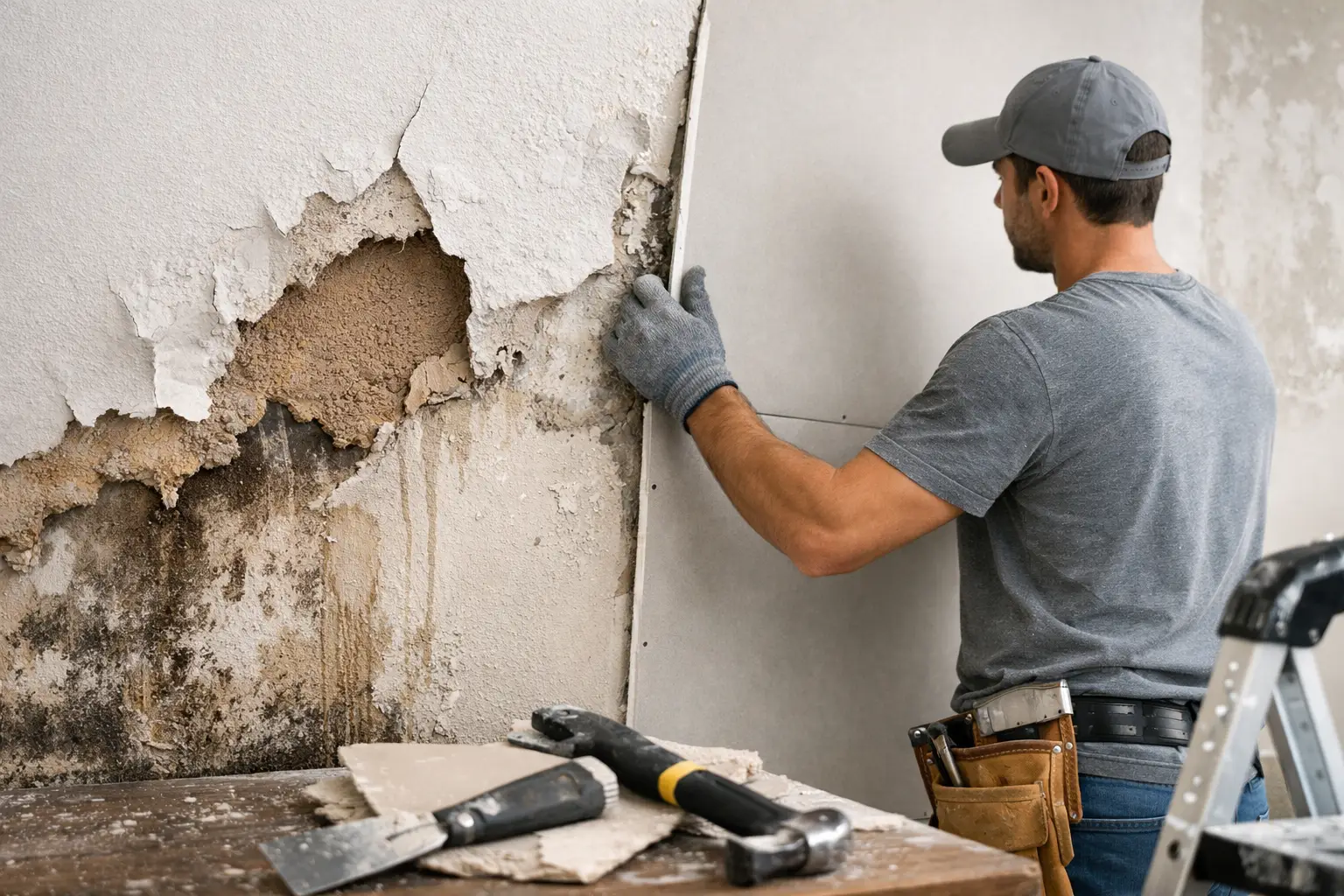
If the ceiling has staining, soft spots, peeling paint, or a bulge near the crack, moisture is a likely factor. In that case, the source of the water has to be handled first. Drywall that has been saturated can lose strength, and simply patching the visible crack will not solve the problem.
Crack shape and location matter
The pattern of a crack tells you a lot. Straight cracks along seams often point to tape or joint issues. Spiderweb cracks can suggest old plaster stress or impact damage. Diagonal cracks near openings may relate to settling or movement. Cracks that reappear in the same place after repair usually mean the underlying cause was not fully addressed.
Location matters too. A crack in a high-traffic hallway wall may have been caused by impact. A crack around a skylight or below a bathroom is more suspicious for moisture. A ceiling crack on the top floor under the roof may tell a different story than a crack below a second-story bathroom.
This is why experienced drywall and plaster contractors do not look at the line alone. They look at the whole area – the texture, the framing layout, the age of the home, nearby stains, humidity exposure, and whether the surface feels solid.
Signs a crack is more serious
Some warning signs should move the issue higher on your priority list. If a crack is wider than about 1/8 inch, growing noticeably, accompanied by sagging, or paired with water stains, it is time to act sooner rather than later. The same goes for cracks that appear suddenly after a leak, storm, foundation issue, or major renovation.
You should also pay attention if the wall or ceiling feels soft, if nail pops are showing up in clusters, or if tape is visibly separating. These clues often mean the damage goes beyond a quick cosmetic touch-up.
For homeowners, the practical question is simple: is this a surface repair, or is the surface reacting to something bigger? Getting that answer early can save time and money.
Why DIY crack repairs often fail
A lot of crack repairs look easy until they come back. The common mistake is filling the line with spackle and painting over it. That may hide the problem for a short time, but it usually does not reinforce the weak joint or address movement underneath.
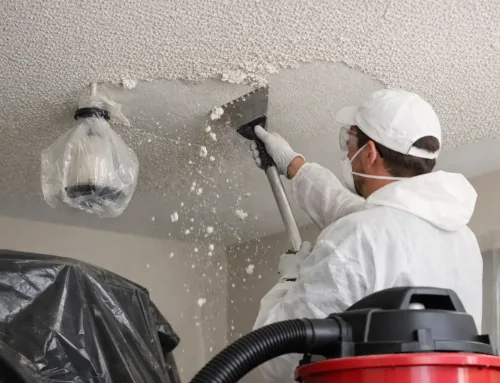
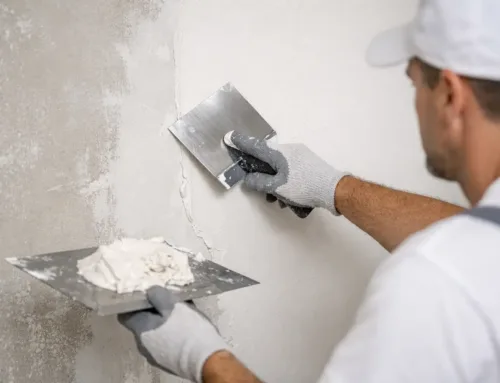
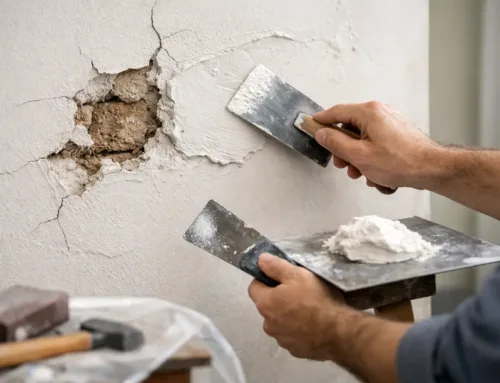
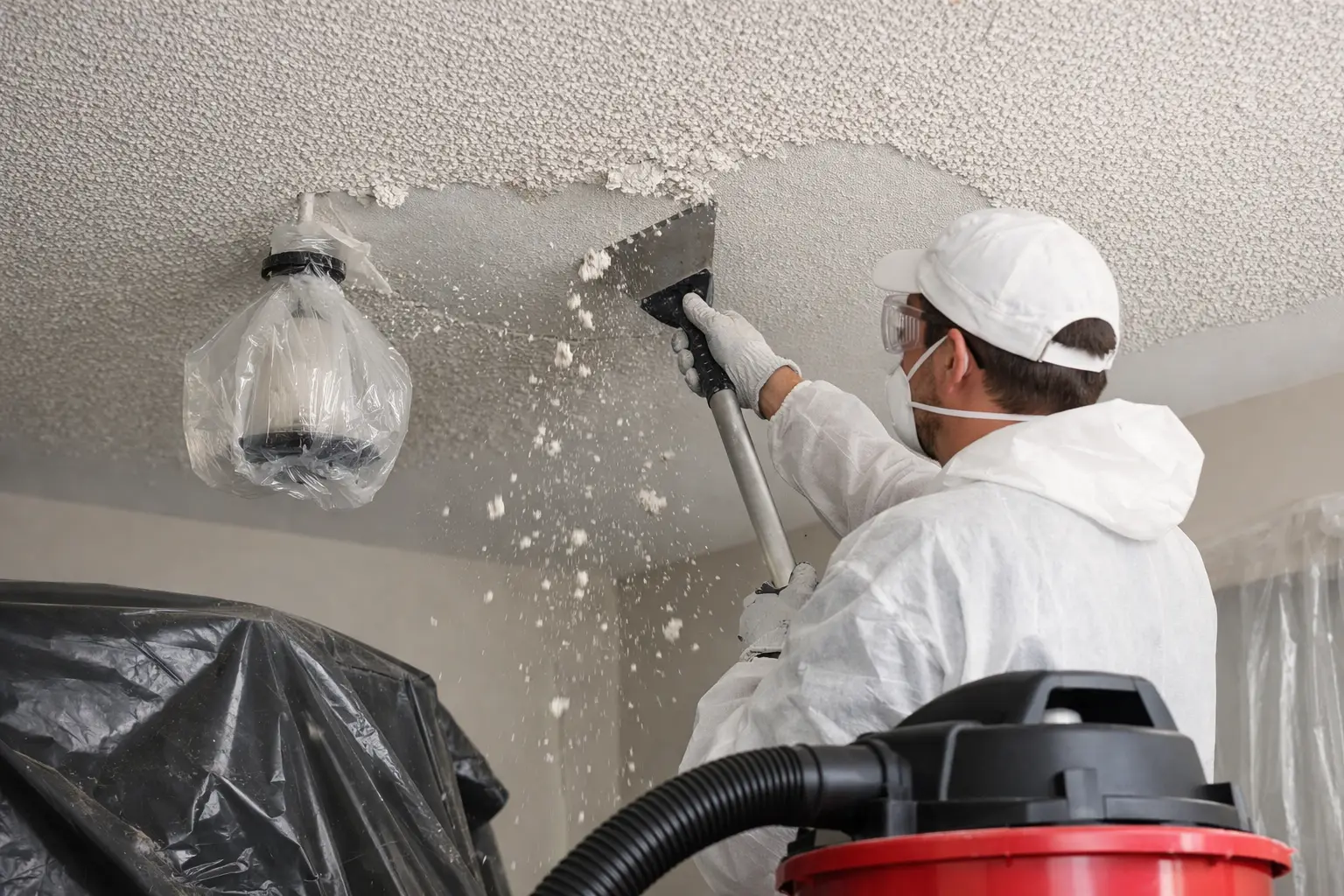
A lasting repair often means removing loose material, securing the area if needed, retaping joints, applying multiple finish coats, sanding correctly, and matching the surrounding texture. On older plaster surfaces, it can also mean stabilizing loose areas before any finish work begins.
The finish is where quality shows. A repaired crack should not leave a hump, flashing, or a visible patch under paint. That is especially important on ceilings, smooth walls, and textured surfaces where bad blending stands out fast.
When to call a drywall professional
If the crack is isolated, stable, and clearly cosmetic, you may choose to monitor it for a few weeks. Mark the ends lightly with pencil or take a dated photo to see if it changes. But if the crack is spreading, recurring, stained, sagging, or showing up in several places, a professional evaluation is the safer move.
For homeowners in older Southeast Michigan houses, it is also worth getting help when plaster and drywall repairs overlap. Those surfaces behave differently, and using the wrong repair method can waste money.
An experienced contractor can tell whether you are dealing with a simple seam failure, water-damaged drywall, plaster deterioration, or movement that should be checked before patching. At TDM Drywall, that kind of repair work is approached with the goal most customers care about most – clean, seamless results that last.
What to do before repairs start
Before any wall or ceiling crack is repaired, look for the cause. Check for roof leaks, plumbing leaks, condensation, foundation concerns, or recent changes like new additions or framing work. If moisture or movement is still active, that has to be handled first.
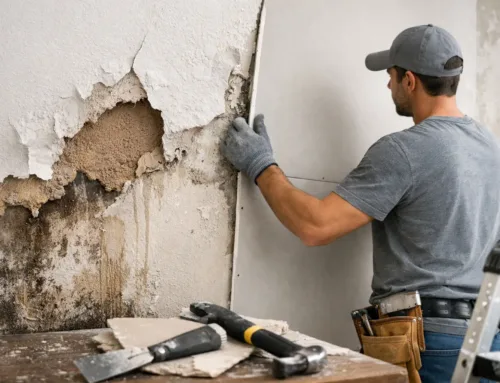
It also helps to be realistic about scope. Some cracks need a localized repair. Others require replacing a section of drywall, skim coating a wider area, or matching an existing texture so the repair does not stand out. The right fix depends on what failed and why it failed.
A good repair is not just about hiding the line. It is about restoring a solid surface and a finished appearance that fits the rest of the room.
Wall and ceiling cracks are common, but they are not all saying the same thing. Some are minor signs of normal settling and seasonal movement. Some are warnings about moisture, failed joints, or deeper shifting. If a crack looks worse over time or your ceiling is giving you reason to question what is happening above it, trust that instinct and have it looked at before the repair gets bigger.

Leave A Comment