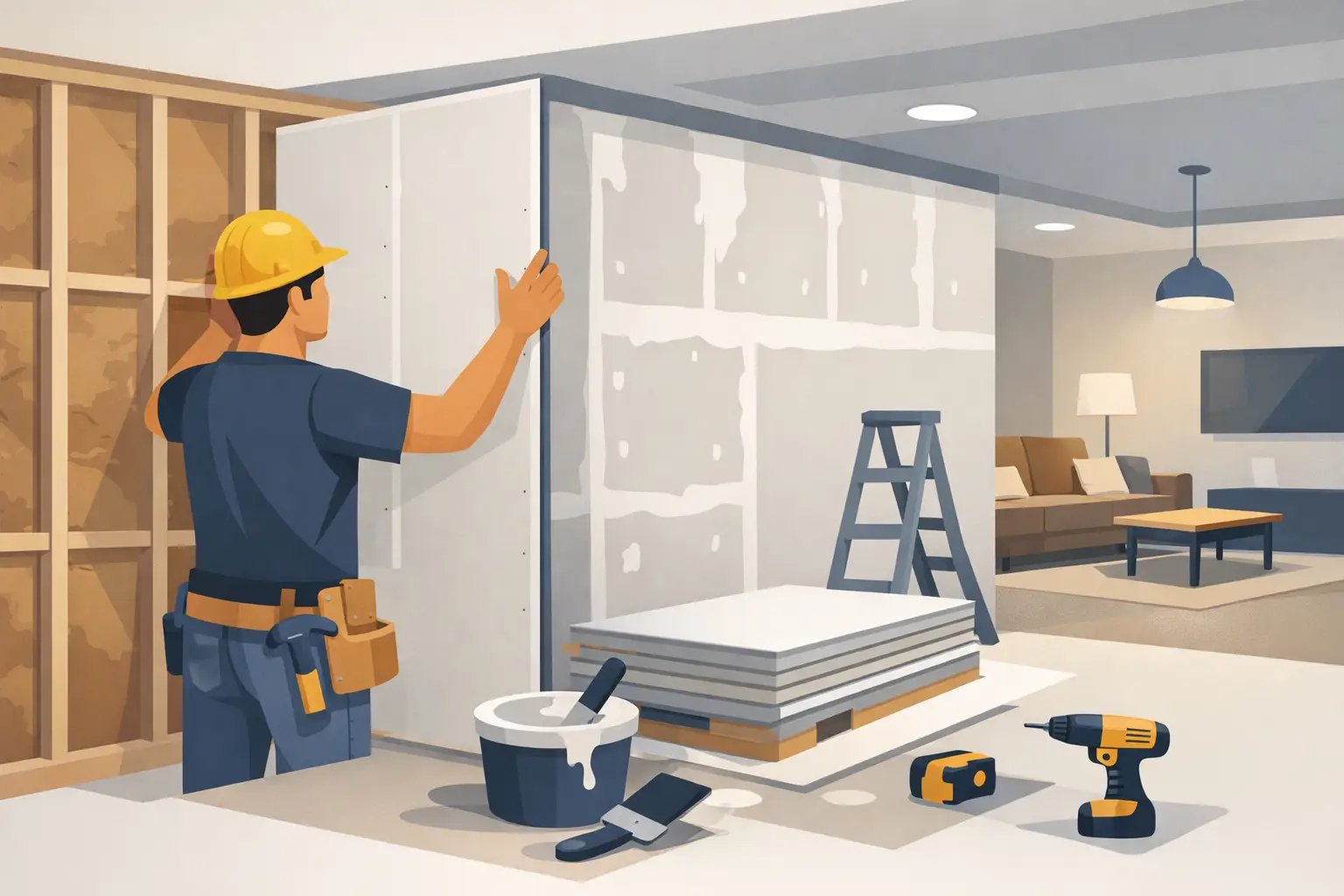
A basement remodel can look nearly finished once framing, electrical, and insulation are in place, but drywall is the stage where the space starts to feel like part of the home. Drywall installation for basement remodel projects has to do more than cover studs. It needs to handle moisture conditions, hide uneven framing, and create a clean surface that will hold up over time.
That is where experience matters. Basements are different from main-floor rooms, and shortcuts show up fast. Wavy seams, popped fasteners, corner cracking, and finish issues are much more noticeable once paint and trim go on.
Why basement drywall work is different
A basement has its own set of conditions, even in a well-kept home. Concrete walls can transfer moisture. Ceiling lines are often busy with pipes, ductwork, and soffits. Floors may not be perfectly level, and older homes can have framing that is a little out of square.
All of that affects how drywall should be installed and finished. The goal is not just to get sheets on the wall. The goal is a solid, straight, finished surface that looks right and lasts. In a basement remodel, that usually means paying closer attention to panel layout, fastening, corner reinforcement, and joint finishing than many people expect.
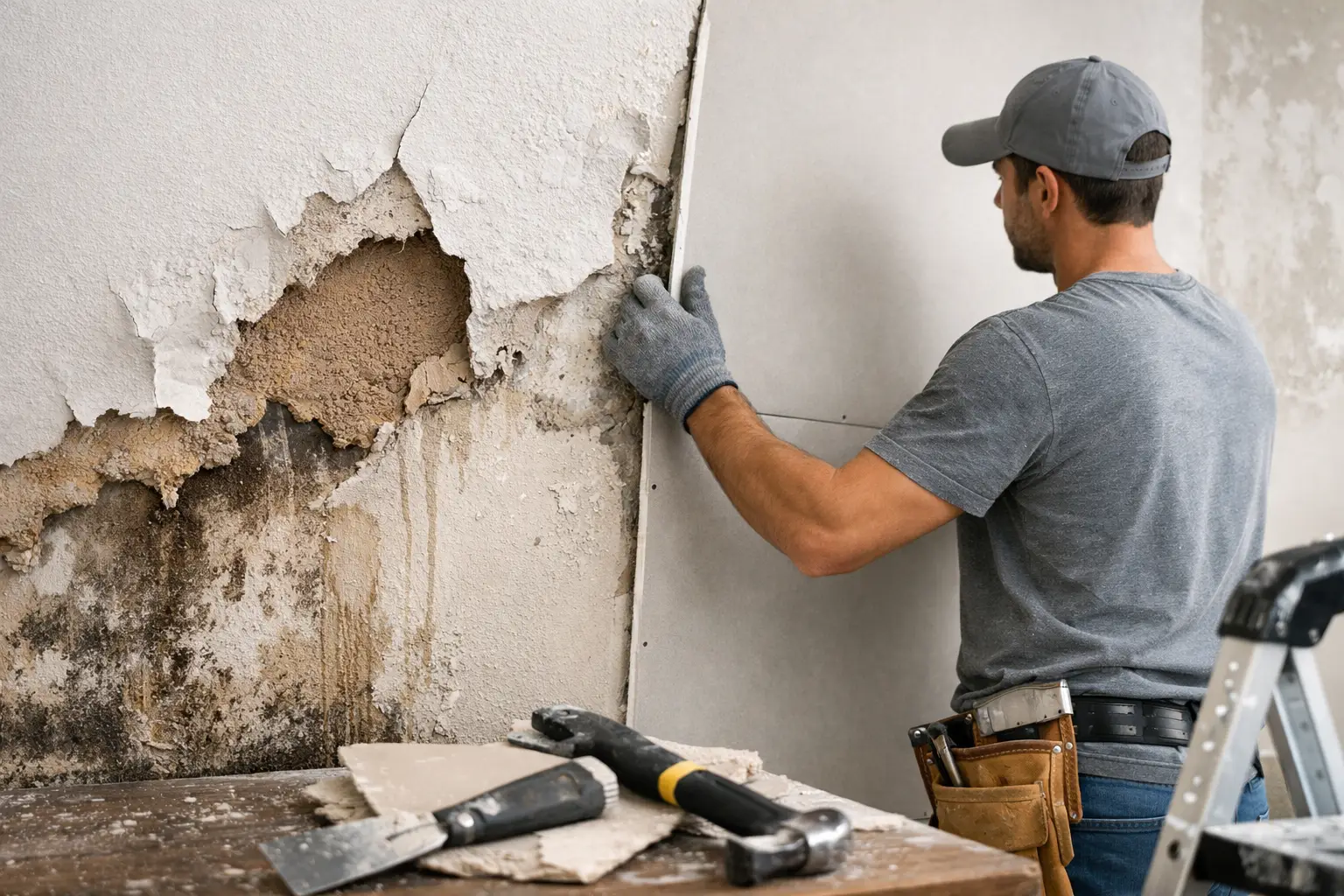
If the basement has had past water issues, that needs to be addressed before any drywall goes up. Drywall is not a fix for moisture problems. It is the finish layer, and it performs best when the space behind it has been properly prepared.
Planning drywall installation for basement remodel success
Good results start before the first sheet is carried downstairs. Framing should be checked for alignment, insulation should be properly installed, and all electrical and mechanical rough-ins should be complete. This is also the time to confirm where access panels, recessed lighting, outlet boxes, and plumbing shutoffs will be located.
In many basements, ceiling height is limited. That makes planning even more important because every soffit, bulkhead, and transition will affect how finished the room feels. A well-planned drywall layout can reduce awkward seams and make the space look cleaner. A poor layout can draw attention to every uneven line.
Material choice matters too. Standard drywall may work in some finished basement areas, but it depends on the use of the room and the overall conditions. In areas near utility rooms, bathrooms, or spaces with higher humidity, moisture-resistant products may make more sense. The right selection is not about overbuilding everything. It is about matching the material to the environment.
What a professional installation process should include
Professional drywall work in a basement starts with protecting the home and setting the job up for clean progress. That includes moving material carefully through finished areas, keeping dust under control, and making sure framing is ready before installation begins.
Once installation starts, sheet placement is a big part of the final result. Hanging drywall is not just filling every opening with a piece that fits. Proper placement helps reduce weak seam patterns and improves the strength of the finished wall or ceiling. Fastener spacing also matters. Too few screws can lead to movement. Too many, or poorly driven fasteners, can damage the panel face and create finishing problems.
Ceilings usually demand the most attention. Basement ceilings often include boxed-out sections, low-clearance areas, and multiple penetrations. These details need accurate cuts and solid backing. If that work is rushed, you often end up with cracked joints, visible gaps, or uneven transitions that stand out after painting.
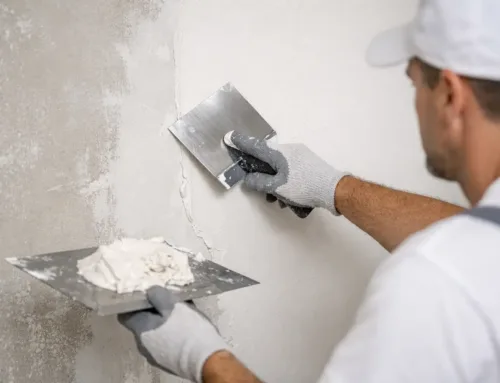
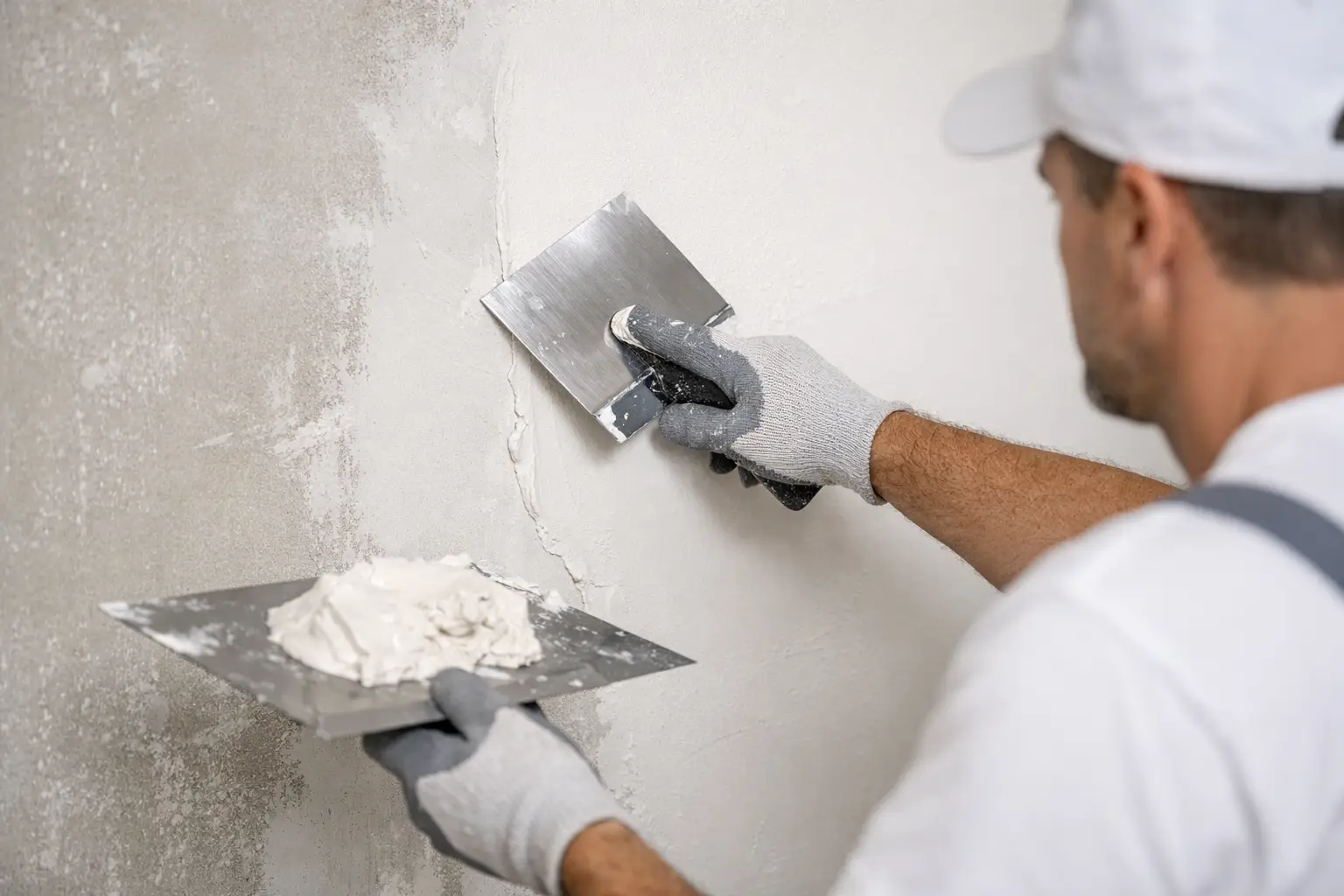
After hanging comes taping and finishing, which is where true craftsmanship shows. Smooth joints, crisp corners, and consistent sanding are what make a basement feel finished instead of simply covered. Texture matching may also be needed if the basement remodel ties into existing finished areas of the home.
Common basement drywall problems to avoid
One of the biggest mistakes in basement drywall installation is treating the space like any other room upstairs. Basements often have higher humidity swings and more structural irregularities. If those conditions are ignored, the finish can suffer.
Another common issue is poor corner and seam treatment. Basements tend to have more outside corners because of soffits, support wraps, and room divisions. Those corners take abuse over time. If they are not reinforced and finished properly, they chip and crack much sooner.
There is also the question of timing. Drywall should not go in before the basement is dry, insulated correctly, and ready for enclosure. Rushing to close walls before everything behind them is complete usually creates extra repair work later. It may save a few days up front, but it often costs more in the long run.
Then there is finish quality. A basement family room, office, bedroom, or workout area deserves the same attention to smoothness and appearance as any other living space. Homeowners sometimes assume a basement finish can be more forgiving, but once lighting, paint sheen, and trim are installed, flaws become easy to spot.
Drywall installation for basement remodel ceilings and soffits
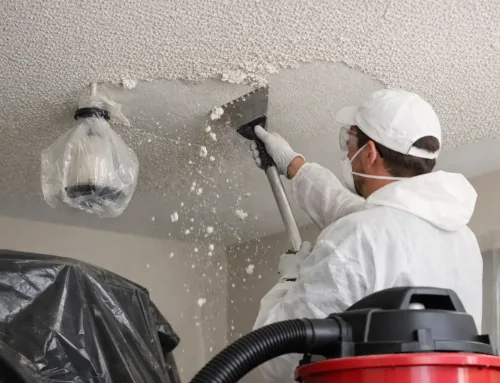
Ceilings are usually the most challenging part of drywall installation for basement remodel work. Ductwork, plumbing lines, beam pockets, and dropped sections all create extra cuts, transitions, and corners. This is where a skilled crew can make a major difference in the final look of the room.
A clean basement ceiling should feel intentional. Soffits should run straight, edges should be sharp, and the layout should work with the room instead of fighting it. In some remodels, the best approach is a full drywall ceiling. In others, selective soffits or access considerations may shape the design. It depends on the mechanical layout and the homeowner’s goals.
Because basement lighting often includes can lights, wall sconces, or low-profile fixtures, even small finishing defects can show under direct light. That is why careful mud work and sanding are not optional. They are a major part of the finished appearance.
When repair, replacement, or skim coating may be part of the job
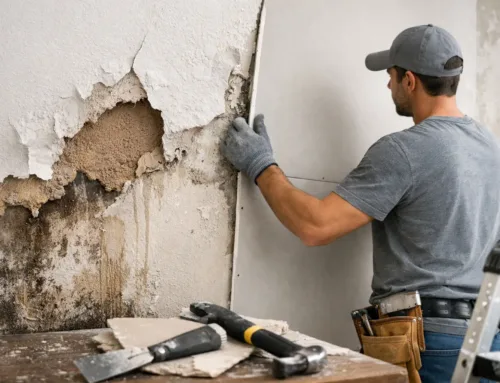
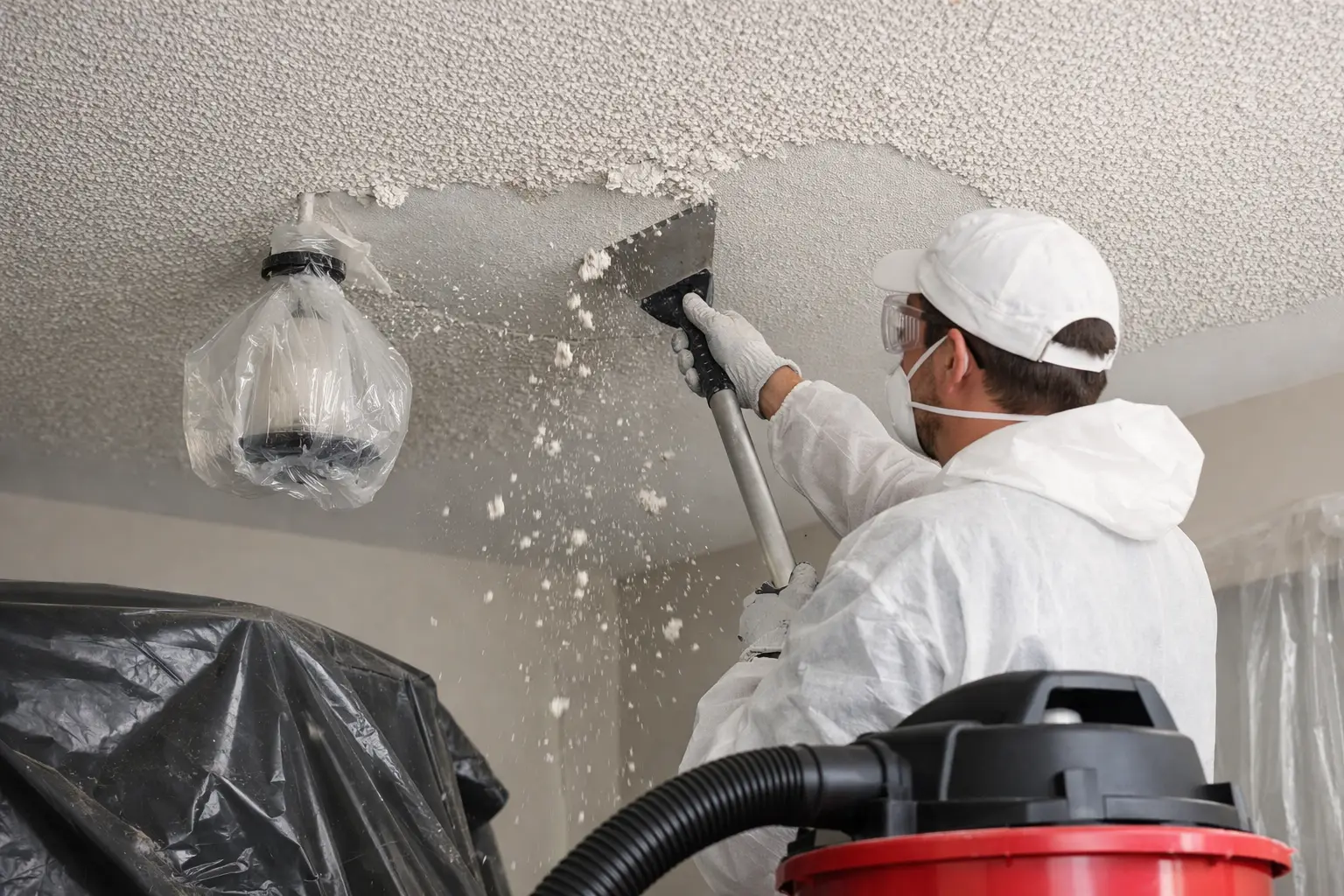
Not every basement remodel starts from open framing. Some begin with damaged finished walls, outdated paneling, old textures, or partial drywall that needs to be repaired or replaced. In those cases, the work may involve more than new installation.
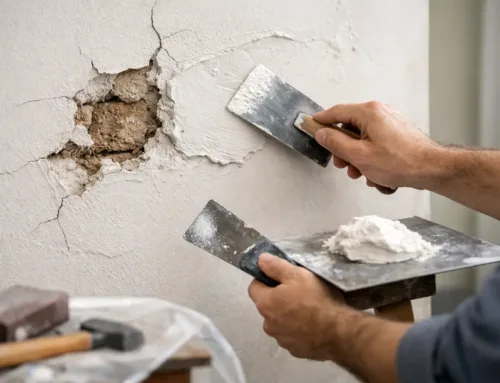
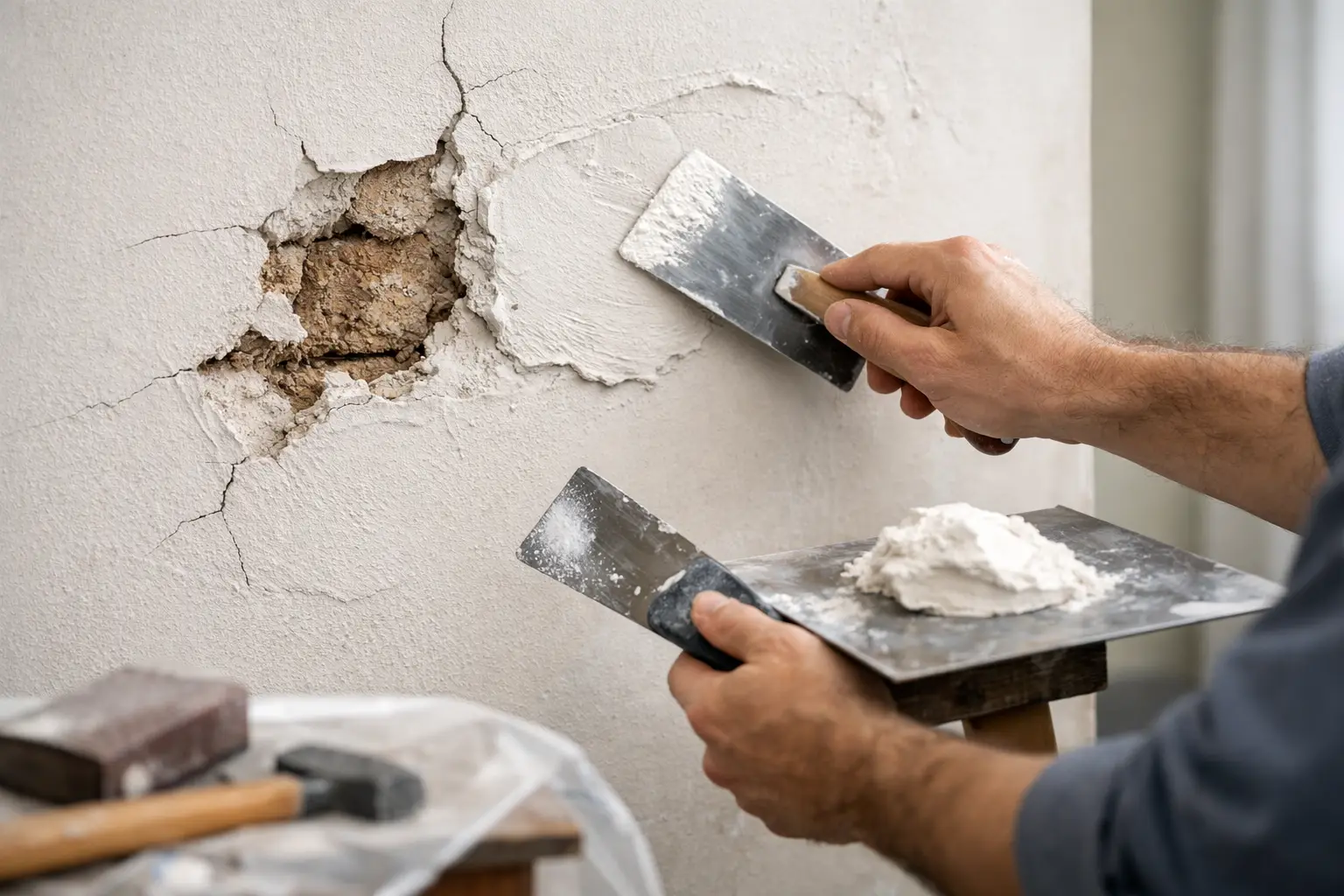
If existing drywall is sound in some areas, selective replacement may be the right move. If surfaces are uneven, patched poorly, or heavily textured, skim coating may be needed to create a more uniform finish. This is especially common in older homes where previous repairs were done over time and the wall surface no longer looks consistent.
A careful contractor will evaluate what should stay and what should go rather than pushing a one-size-fits-all approach. Sometimes full replacement is the cleanest solution. Other times, targeted repair and finishing can save money while still producing a polished result.
Choosing the right contractor for basement drywall work
Homeowners and builders usually care about the same things on a drywall job: dependable scheduling, fair pricing, clean workmanship, and a finish that looks right the first time. Basement projects add another layer because access can be tighter and conditions are often less forgiving.
That makes communication important from the start. A good contractor should be clear about the scope of work, realistic about timing, and upfront about any conditions that could affect the result. They should also understand that the final finish is what people remember most.
For homeowners in Monroe and Downriver communities, working with a local contractor who understands area homes can be a real advantage. TDM Drywall has built that trust through responsive service, experienced workmanship, and clean, seamless results that hold up.
What to expect after the drywall is finished
Once drywall is complete, the room should feel solid, clean, and ready for the next stage of the remodel. Paint will always reveal the quality of the finish, so this is not the place to cut corners. A properly finished basement wall or ceiling gives the rest of the project a better foundation, from trim carpentry to flooring to final lighting.
It is also worth remembering that durability matters as much as appearance. Basement spaces see plenty of use, whether they become family rooms, guest areas, offices, or rental living space. Good drywall work should handle that daily wear without constant touch-ups or early cracking.
If you are planning a basement remodel, the drywall phase deserves careful attention. Done right, it turns a rough lower level into a finished space that feels connected to the rest of the home and built to last.