
A flooded room can look manageable once the standing water is gone. The carpet may be drying, the floor may appear clean, and the walls may show only a faint water line. But does drywall mold after flooding? It can, and the risk is often hidden behind a surface that still feels solid.
Drywall is made with a gypsum core and paper facing. That paper absorbs water, holds moisture, and gives mold a food source. In a humid Southeast Michigan home, mold can begin growing within 24 to 48 hours when wet drywall is not dried thoroughly. Fast action matters, but so does knowing when drying is no longer the safe or practical option.
Does Drywall Mold After Flooding? Often, Yes
Not every wet wall automatically needs to be removed. A small, clean water leak caught quickly may affect only a limited area, and professional drying can sometimes prevent further damage. Flooding is different because water often soaks into the wall cavity, insulation, baseboards, flooring, and framing at the same time.
Drywall can wick water upward well above the visible water line. A wall that was flooded two inches high may have moisture much higher inside the panel. If insulation is present, it can hold moisture against the back of the drywall and slow drying even more.
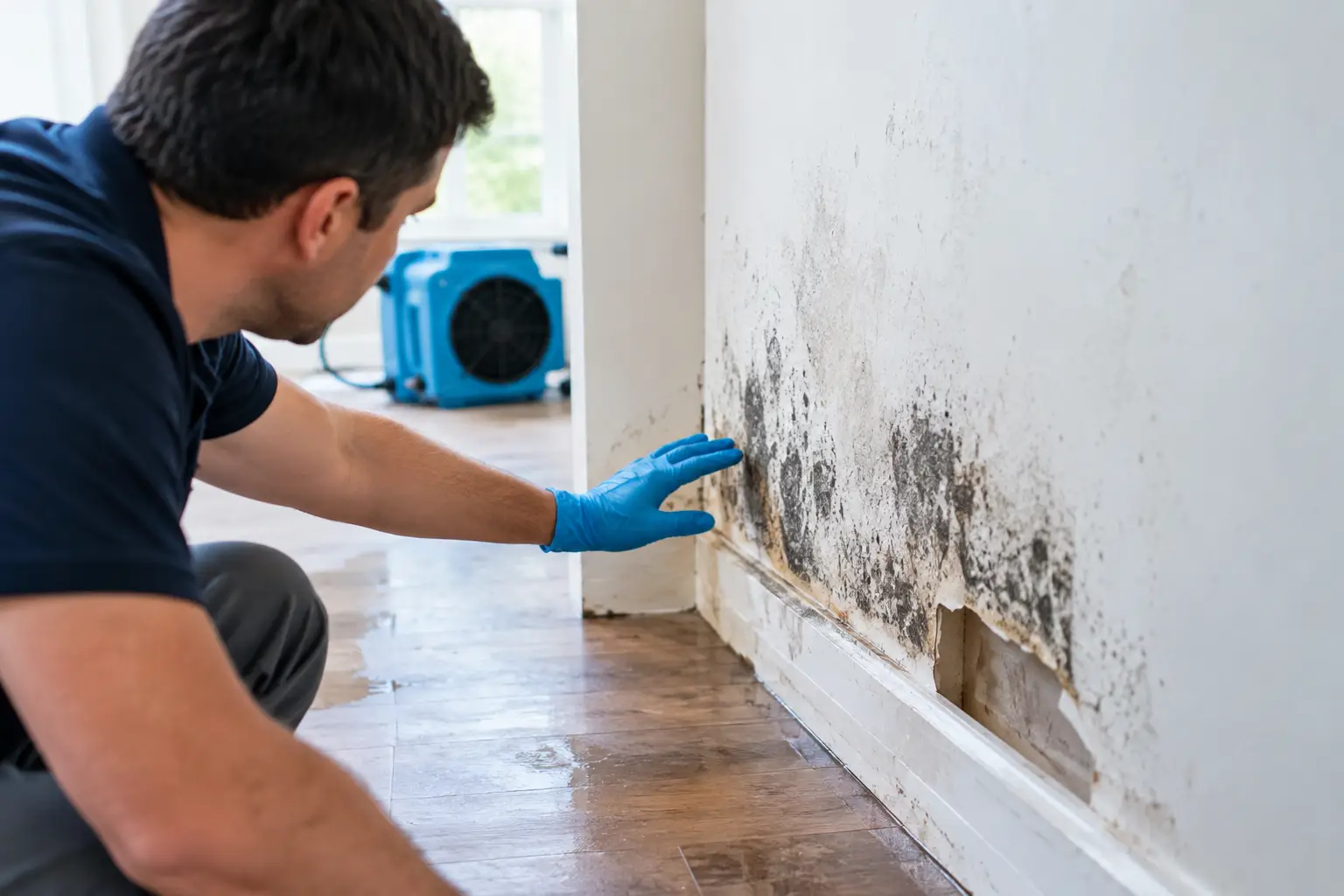
Mold does not always announce itself with black spots on the face of the wall. It may grow on the back of drywall, along the bottom plate, or inside damp insulation. A musty odor, bubbling paint, soft spots, staining, or a baseboard pulling away from the wall are all reasons to look further.
The Type of Water Changes the Answer
The source of the water is one of the biggest factors in deciding whether drywall can stay. Clean water from a supply line is very different from water that entered through a backed-up drain, a sewage issue, or outdoor flooding.
Clean water from a broken pipe or appliance
If clean water was stopped quickly and the drywall was exposed to moisture for a short time, targeted drying and repair may be possible. The affected area still needs to be checked with moisture-reading equipment, not just by touch. Drywall that is swollen, crumbling, warped, or soft should be removed even if the water was clean.
Gray water from appliances or drains
Water from washing machines, dishwashers, and some drain overflows may contain contaminants. The longer it sits, the less reasonable it becomes to save porous materials like drywall, insulation, and carpet padding. Drying alone does not remove contamination.
Black water, sewage, or outdoor floodwater
When water contains sewage, river water, storm runoff, or other potentially harmful contaminants, wet drywall should generally be removed. This is not simply a mold question. Porous building materials can retain bacteria and contaminants that cannot be reliably cleaned from inside the wall.
After a basement flood or sewer backup, cutting out damaged drywall is often the safer path. It allows the framing and wall cavity to be cleaned, dried, inspected, and restored correctly before new materials are installed.
How Long Can Wet Drywall Sit Before Mold Becomes a Problem?
The first 24 to 48 hours are the most critical. Mold needs moisture, a food source, and time. Drywall paper provides the food source, while a flood supplies the moisture. Warm indoor temperatures and limited air movement speed up the process.
That timeline is not a guarantee that mold will appear exactly at the 48-hour mark. Some walls may dry fast enough to avoid growth, while others remain wet behind the surface for days. A dehumidifier running in the room is helpful, but it does not prove the wall cavity is dry.
Homeowners sometimes wait because the drywall does not feel wet anymore. That is understandable, but surface dryness can be misleading. Moisture can remain at the bottom of the wall, behind baseboards, and inside insulation long after the paint feels normal.
Signs Flooded Drywall Should Be Replaced
A clean cutout and replacement may feel like a larger repair upfront, but it can prevent recurring odors, visible mold, paint failure, and more extensive damage later. Replacement is usually the right choice when the drywall has been underwater, has absorbed dirty water, or cannot be dried quickly and verified dry.
Look for these warning signs:
- Soft, spongy, cracked, or crumbling drywall
- Swelling at seams, rippled paper, or bubbling paint
- A musty smell that remains after drying efforts
- Stains that continue to spread or return after painting
- Wet or compressed insulation inside the wall
- Floodwater from sewage, a drain backup, or outdoors
A common professional approach is to remove the affected drywall several inches or more above the highest confirmed moisture level, not merely at the visible water mark. The exact height depends on moisture readings, the type of water, insulation, wall construction, and how long the materials stayed wet.
Why Painting Over Water Damage Is Not a Fix
Primer and paint can cover a stain, but they do not dry a wall cavity or remove mold. If drywall paper has begun to break down, painting over it may temporarily improve the appearance while the underlying problem continues.
Painting too early can also trap remaining moisture. That can lead to peeling, blistering, discoloration, and an uneven finish. For a lasting repair, the area must be dry, structurally sound, and properly prepared before patching, finishing, priming, and painting.
What to Do Right After a Flood
First, stop the water source if possible and make sure the area is safe. If water is near electrical outlets, appliances, or the electrical panel, do not enter or begin cleanup until the proper safety steps have been taken.
Remove standing water and wet belongings promptly. Pull furniture away from walls, remove rugs and wet materials that can hold moisture, and increase airflow with fans and dehumidification. Take photos before removing damaged materials if you may need them for insurance documentation.
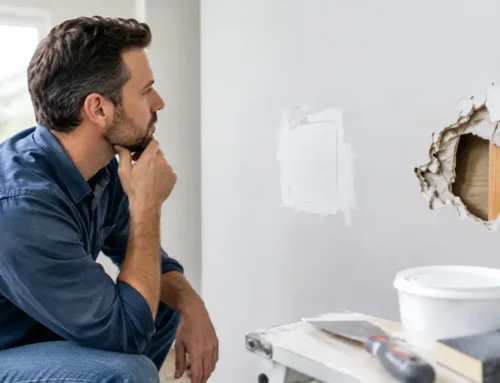
Avoid tearing into a wall blindly, especially if there may be electrical wiring, plumbing, or a larger contamination issue. A proper assessment identifies how far moisture traveled and whether the drywall, insulation, trim, flooring, or framing needs attention.
For contaminated floodwater, wear appropriate protective gear and avoid trying to save saturated porous materials. The goal is not to preserve every inch of drywall. The goal is to return the space to a clean, dry, durable condition.
Repairing the Wall the Right Way
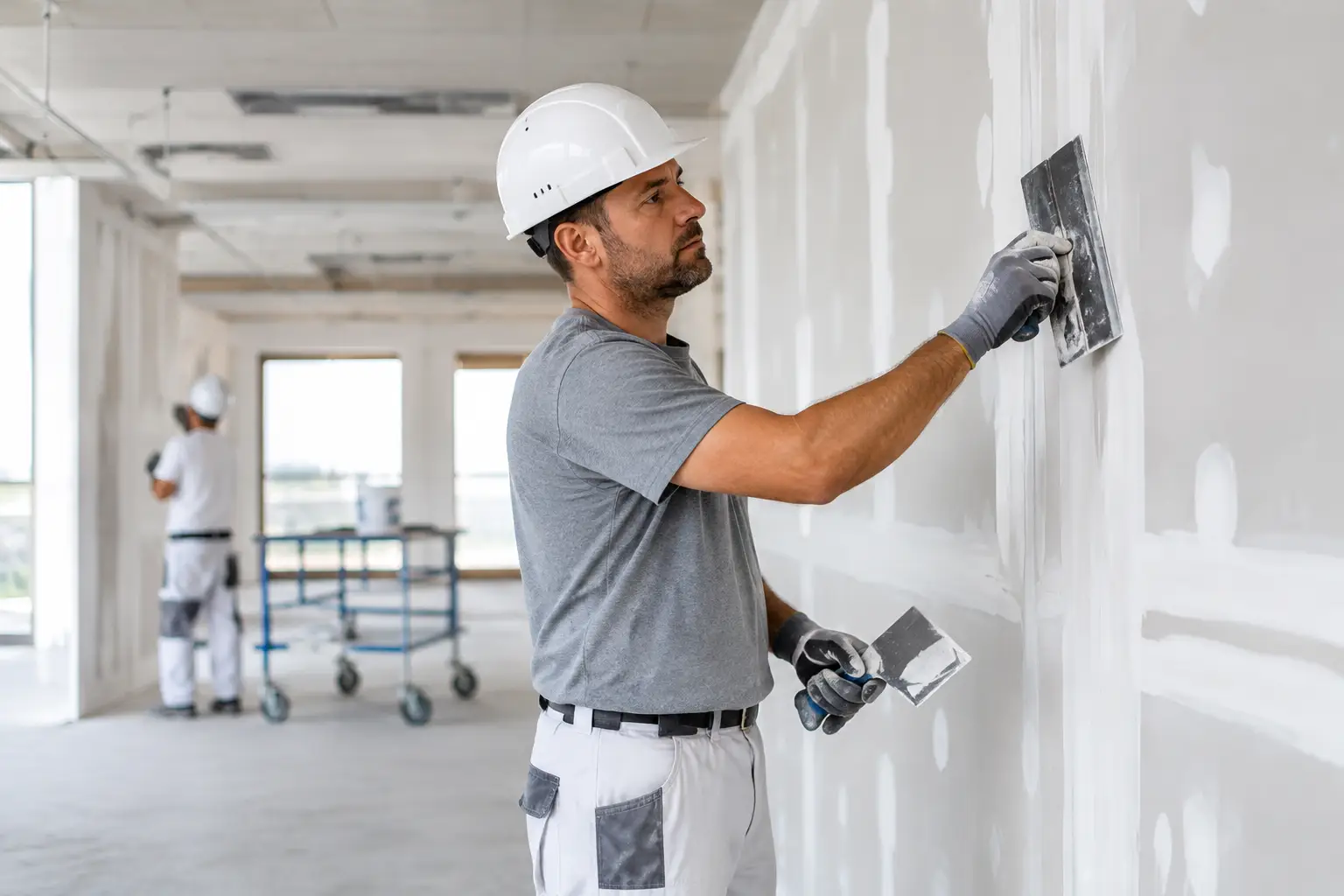
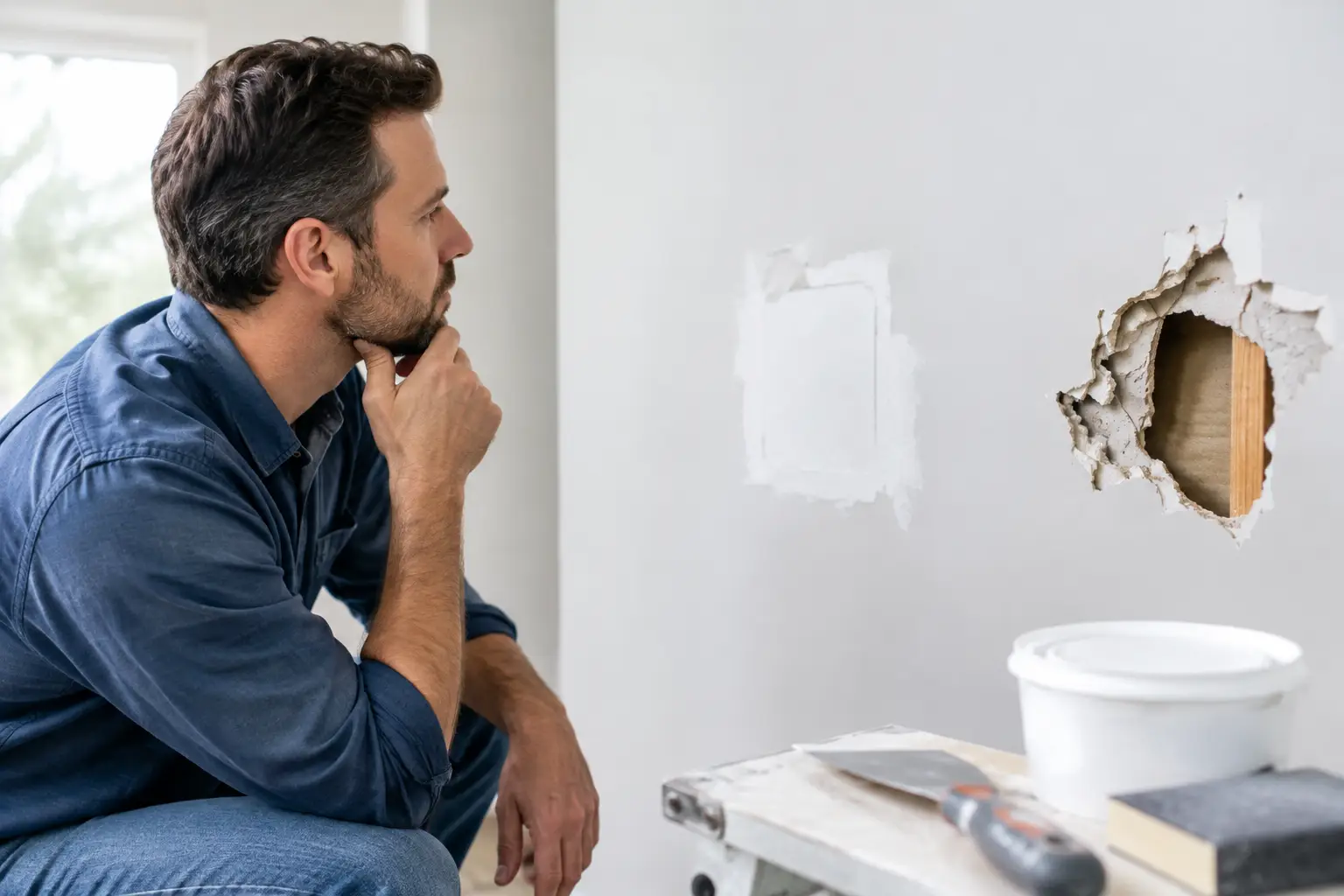
Once damaged materials are removed and the framing is fully dry, the restoration work can begin. New drywall should be installed with clean edges, securely fastened, taped, mudded, sanded, and finished to match the surrounding wall or ceiling. Texture matching matters just as much as the patch itself. A repair that is dry but visibly different from the rest of the room is not a finished repair.
Older homes can add another layer of complexity. Plaster walls, multiple past repairs, unusual textures, and trim details may require a more careful approach. A skilled drywall contractor can determine whether a targeted repair will blend cleanly or whether a larger replacement area will produce a better paint-ready result.
TDM Drywall helps homeowners and property managers in Monroe, Downriver, and Southeast Michigan repair and replace water-damaged drywall with clean work areas, responsive communication, and seamless texture matching. With more than 32 years of hands-on experience, the focus is on removing the guesswork and restoring walls correctly.
If flooding reached your drywall, do not let a clean-looking surface make the decision for you. Get the moisture and water source evaluated, address damaged materials promptly, and rebuild only after the space is truly dry. That approach protects both the finish you see and the structure behind it.