
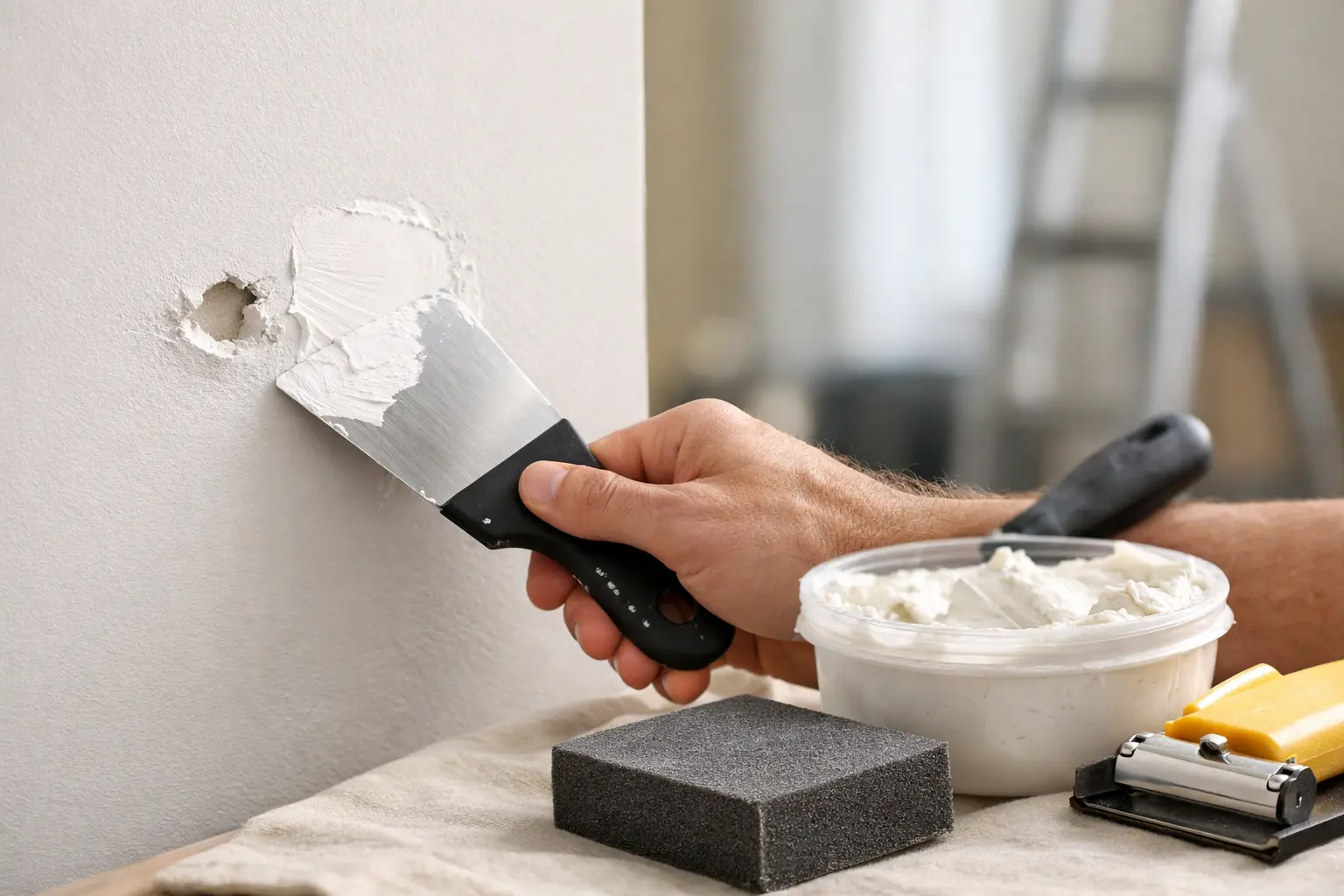
A dented wall can make an otherwise clean room look unfinished, especially after fresh paint or in bright window light. Knowing how to fix drywall dents starts with identifying what caused the damage and how deep it goes. A shallow furniture bump may need little more than joint compound, while a sharp impact can crush the drywall core and require a more careful repair.
The goal is not simply to fill the low spot. A proper repair restores the wall’s flat surface, blends into the surrounding texture, and leaves a paint-ready finish that does not show through later. Taking a few extra minutes to apply thin coats and sand with care makes a major difference.
What You Need Before Repairing a Drywall Dent
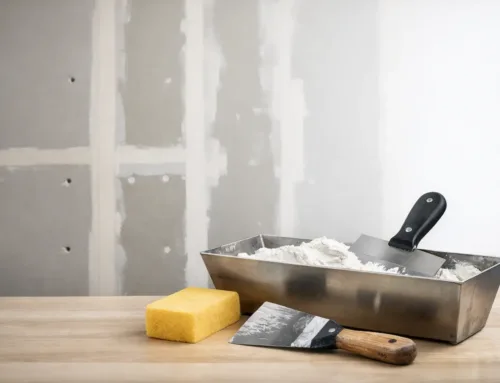
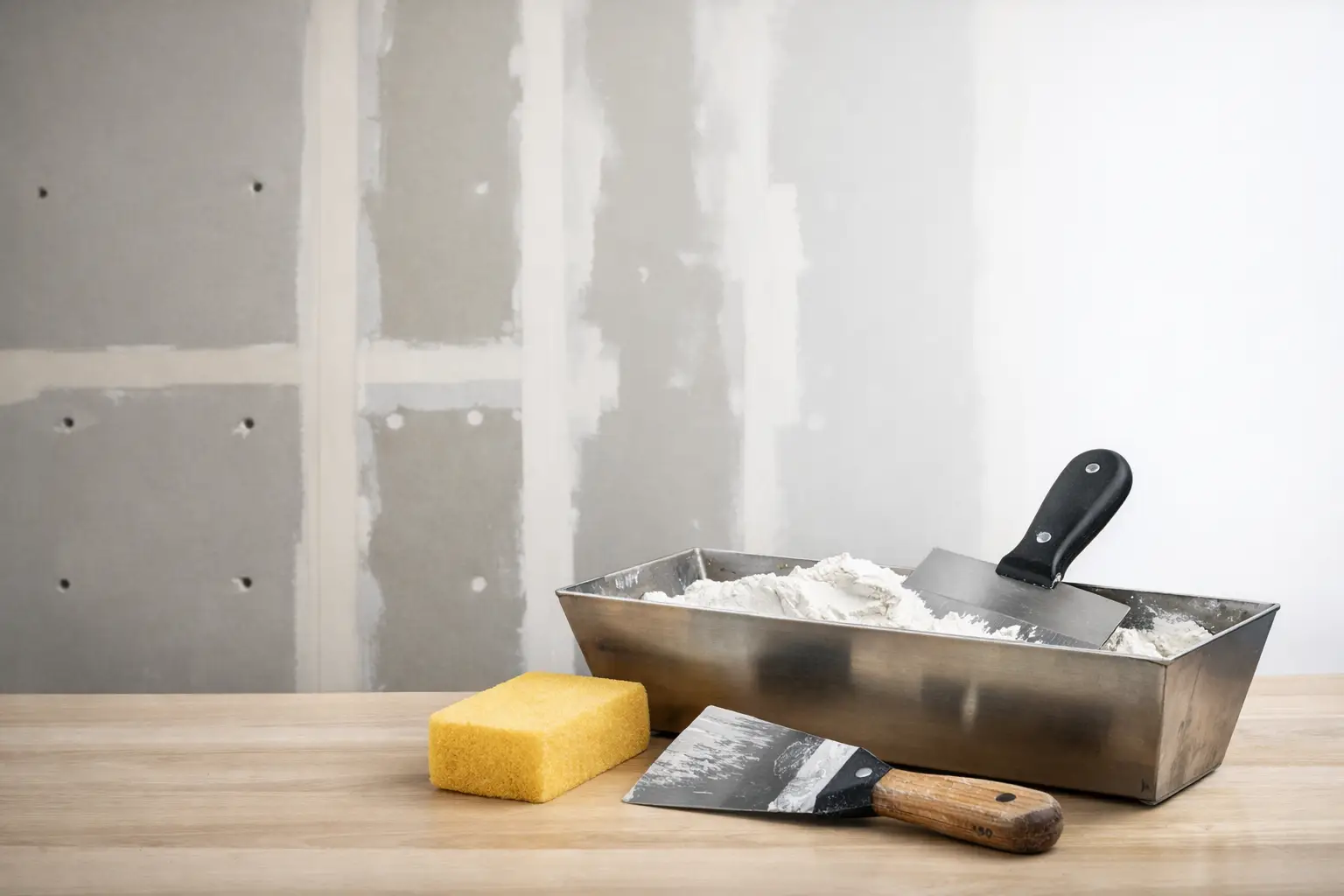
For most small and medium dents, the materials are straightforward: lightweight spackling or drywall joint compound, a 4- to 6-inch taping knife, fine-grit sanding sponge, primer, and matching wall paint. A utility knife is useful for trimming loose paper, and a damp cloth or vacuum helps control dust.
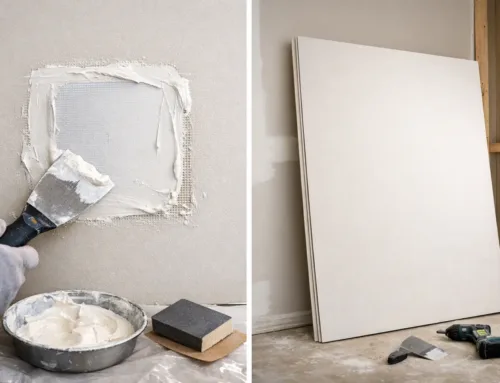
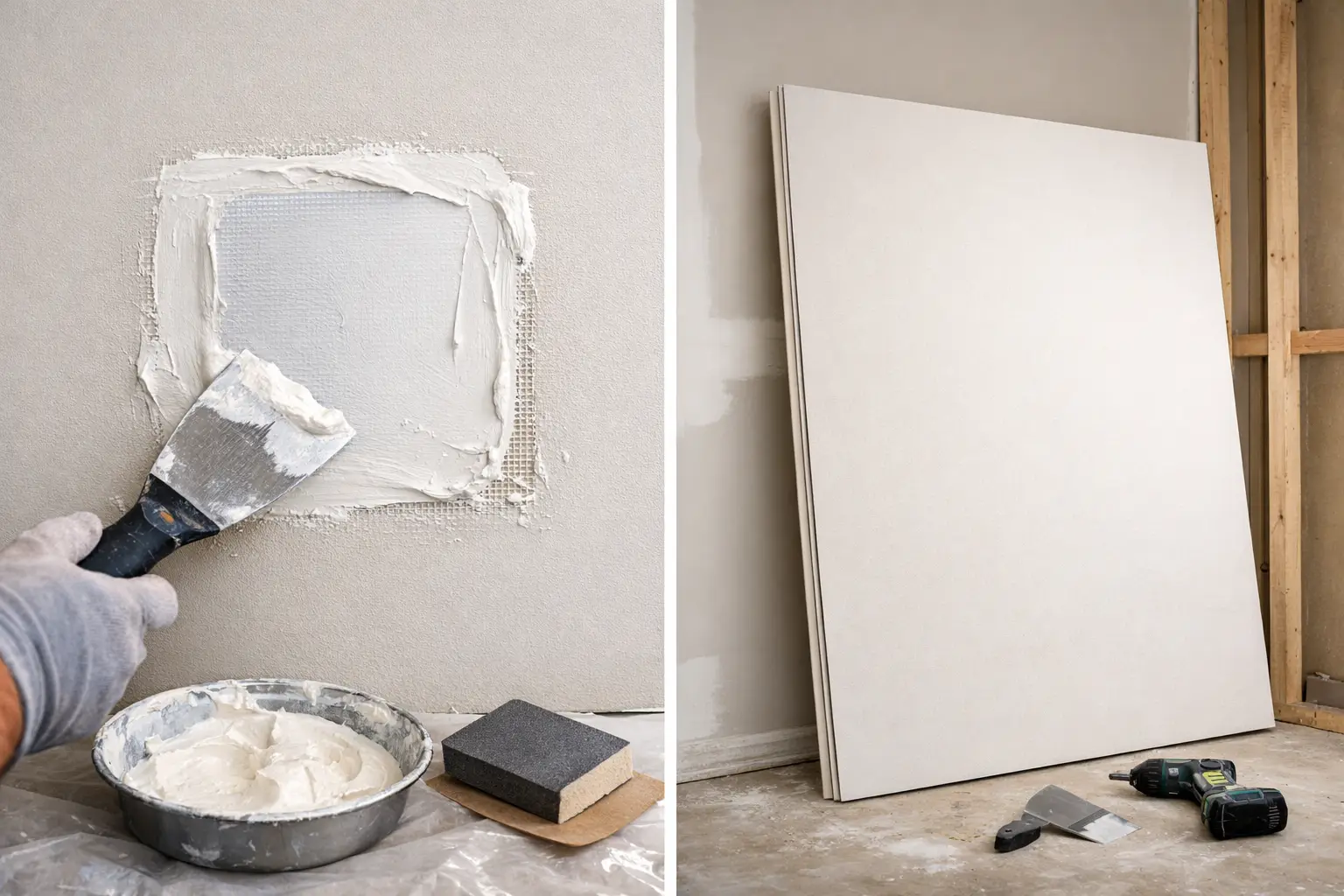
If the dent has cracked paint, torn drywall paper, or a visible hole at its center, keep drywall tape or a self-adhesive mesh patch on hand. The right material depends on the damage. Lightweight spackle dries quickly and works well for shallow dings, while setting-type joint compound is often the better choice for deeper repairs because it shrinks less and builds strength.
Protect nearby floors and furniture before sanding. Even a small wall repair creates fine dust, and clean preparation is part of getting a professional-looking result.
How to Fix Drywall Dents Step by Step
Start by checking the depth and condition of the wall
Run your hand over the damaged area. If the wall feels solid and the dent is shallow, it is usually a simple fill-and-sand repair. If the surface feels soft, moves when pressed, or has brown staining, stop before applying compound. Those signs can point to moisture damage, and the source of water needs to be addressed before the drywall is repaired.
Look closely at the paper facing around the dent. Torn or lifted paper can bubble when wet compound is applied. Trim only the loose edges with a sharp utility knife. Do not cut deeply into the gypsum core or enlarge a small repair unnecessarily.
Clean and feather the damaged area
Wipe away dust, grease, and loose paint. For a hard impact dent with a raised rim, lightly sand or scrape the high edges so the surface transitions smoothly into the surrounding wall. This matters because compound should fill a depression, not sit on top of a raised edge.
For a dent no wider than a quarter, a single light application of spackle may be enough. Wider dents typically need two or three thin coats. Trying to fill a deep dent with one thick layer seems faster, but thick compound can crack, shrink, or take far longer to dry.
Apply the first coat of compound
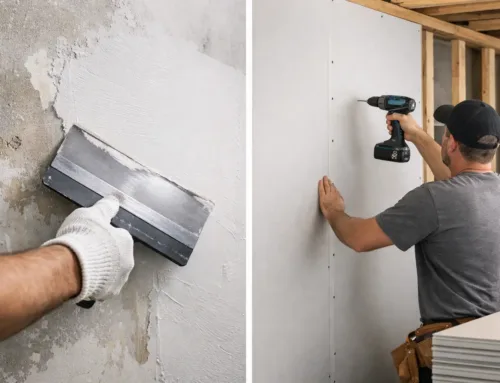
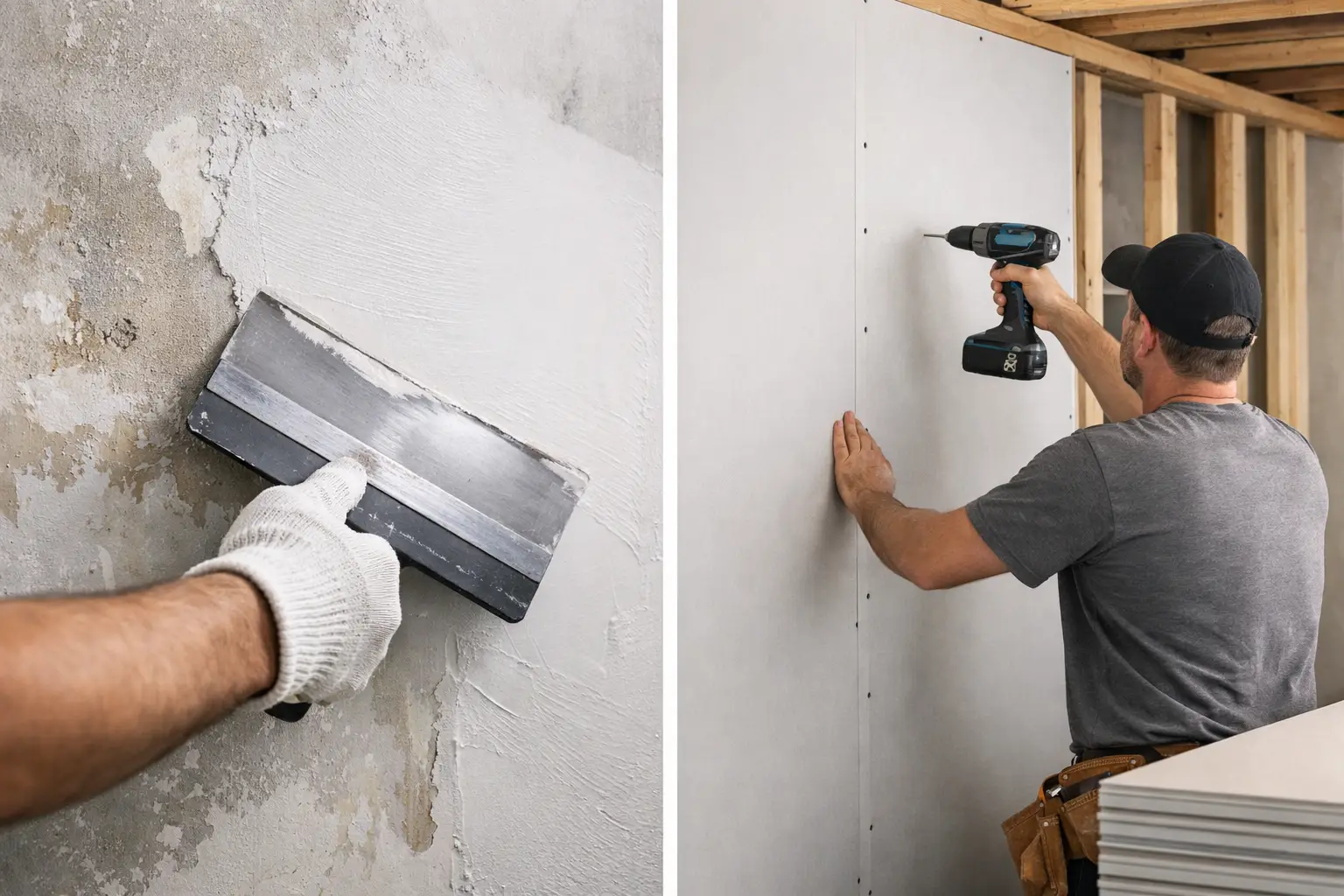
Load a small amount of compound onto the taping knife and press it firmly into the dent. Then pull the knife across the area with steady pressure. The first coat should fill the low spot without leaving a heavy ridge.
Extend the compound slightly beyond the damaged area. This is called feathering, and it prevents the repair from creating a visible circular patch. On a small dent, feathering out a few inches is often enough. For a broad, shallow depression from furniture or a door handle, use a wider knife and spread the compound farther so the wall remains visually flat.
Allow the material to dry completely according to the product instructions. Drying time changes with humidity, room temperature, and how heavily the compound was applied. In Southeast Michigan, indoor humidity can slow drying during damp weather, so do not assume a repair is ready just because the surface feels dry after an hour.
Sand lightly, then build the surface in thin coats
Once dry, sand the repair with a fine-grit sanding sponge. Use light, even strokes. The purpose is to remove knife lines and high spots, not to sand the repair back out of the dent.
Feel the area with your fingertips after sanding. Your hand will often find an uneven edge before your eyes do. If the dent is still visible, apply a second thin coat that extends slightly wider than the first. Let it dry, sand again, and repeat once more if needed.
Good drywall repair is usually built in layers. Each coat gets wider and thinner, making the damaged section disappear into the wall rather than leaving a hard outline around it.
Prime before painting
New joint compound absorbs paint differently than the existing painted wall. Skipping primer can leave a dull, flashing patch even when the surface itself is perfectly smooth. Apply a quality drywall primer to the repaired area, let it dry, and inspect it under normal room lighting.
After priming, you may notice a minor edge or pinhole that was hidden by white compound. That is the best time to apply a final skim coat, sand lightly, and reprime. Then paint the wall using the same finish level as the rest of the room. Flat paint is forgiving, while eggshell, satin, and semi-gloss finishes make surface flaws easier to see.
When a Dent Needs More Than Spackle
Not every dent is a quick cosmetic repair. A deeper impact can fracture the drywall beneath the paper surface, leaving the area weak even if it looks easy to fill. If the gypsum is crushed, the wall flexes, or a dent includes a hole larger than a nail head, the repair may need mesh tape, a patch, or removal and replacement of the damaged drywall section.
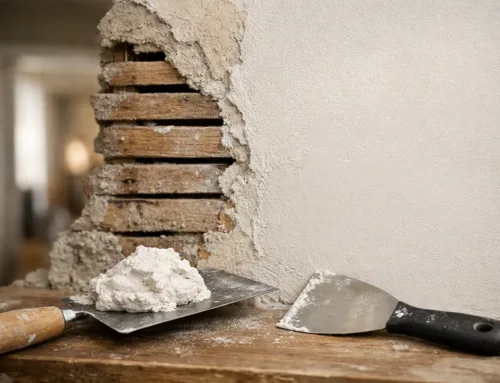
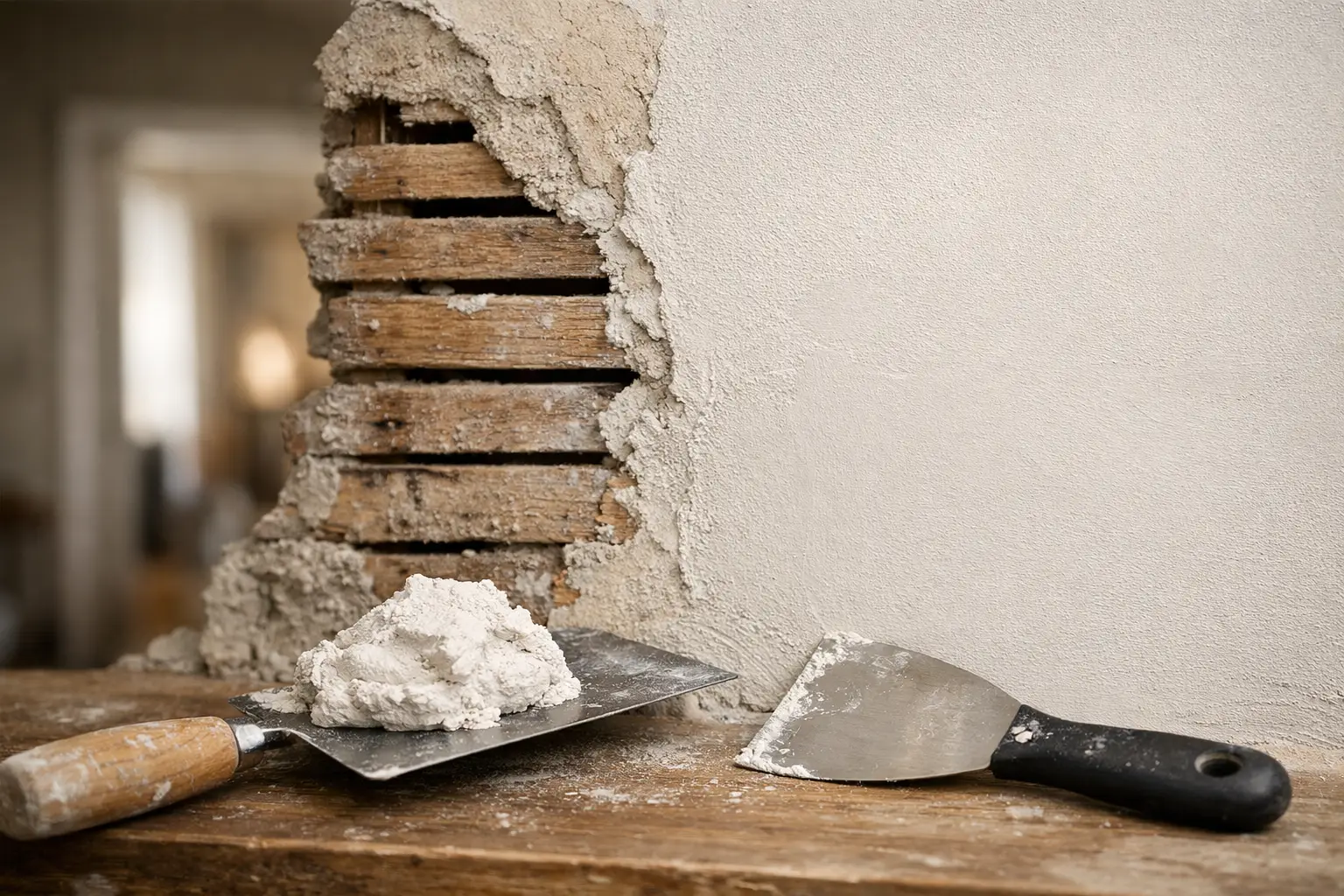
Cracks radiating from a dent can also signal movement or impact damage. Tape and compound may repair minor cracks, but recurring cracks deserve a closer look. In older homes, plaster walls and drywall repairs can require different materials and techniques to avoid another failure.
Texture adds another layer of difficulty. Smooth walls are unforgiving because any unevenness can show in side lighting. Orange peel, knockdown, stipple, and textured ceilings must be blended after the patch is repaired. A smooth patch in the middle of a textured wall is just as noticeable as the original dent.
Common Mistakes That Make Drywall Dents Show Again
The most common mistake is using too much compound at once. Heavy applications leave edges that require aggressive sanding, which can damage the surrounding paint and drywall paper. Thin coats take a little longer, but they create a stronger, cleaner result.
Another issue is sanding only the center of the patch. The center may feel smooth while the outer edge remains raised. Always check the full feathered area from several angles, especially with a lamp held near the wall. Side lighting reveals high and low spots that overhead lighting can hide.
Painting without primer is another frequent problem. The repair may look fine initially, then stand out after the paint dries because the patched area absorbs color differently. Primer is a small step that protects the final finish.
Finally, do not cover up active water damage. Staining, soft drywall, peeling paint, or a musty smell means the underlying moisture issue should be corrected first. Repaired drywall only lasts when the wall behind it is dry and stable.
When Calling a Drywall Professional Makes Sense
A homeowner can usually handle a shallow dent in a low-visibility area. Professional repair is often the better value when damage is deep, widespread, textured, on a ceiling, or located in a high-traffic area where the finish will be closely noticed. It is also a practical choice when time matters and you need the wall ready for painting, listing a home, turning over a rental, or completing a remodel.
TDM Drywall brings more than 32 years of hands-on repair experience to homes and properties throughout Monroe and the Downriver area. For dents that have become cracks, holes, water damage, or mismatched texture, skilled preparation and careful blending can prevent a small wall problem from becoming a visible eyesore.
A repaired wall should disappear once the paint is dry. If the dent remains visible after your first coat of compound, do not rush to paint over it. A little more feathering, sanding, and attention to the finish is usually what turns a passable patch into a result you will not notice every time you walk into the room.