
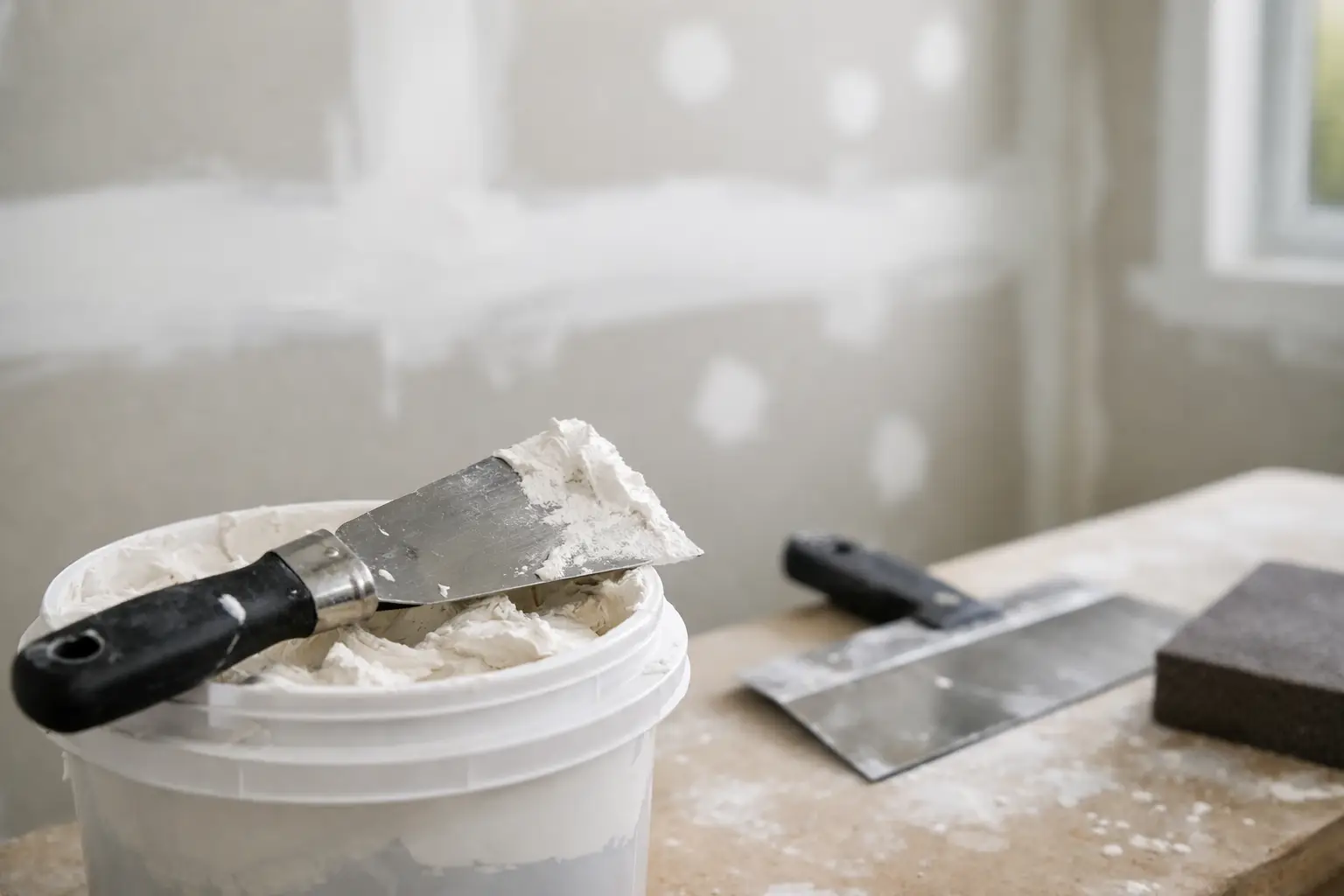
A patch can look finished when the drywall mud goes on, but the next step depends on what happens after the crew leaves the room. How long does drywall mud take to dry? For most ready-mixed joint compound, plan on about 24 hours per coat under normal indoor conditions. A thin coat in a warm, dry, well-ventilated room may be ready sooner. A deep repair, humid basement, or cool Michigan home can take much longer.
The practical answer is simple: do not sand, apply another coat, texture, prime, or paint until the mud is dry all the way through. Rushing that step can lead to clogged sandpaper, torn edges, flashing under paint, or a repair that shows again once the wall is finished.
How Long Does Drywall Mud Take Between Coats?
For standard premixed all-purpose or lightweight joint compound, 24 hours is the reliable rule of thumb between coats. Thin skim coats may dry in 12 to 18 hours when the temperature, airflow, and humidity are favorable. That does not mean every area of the repair is ready. The deepest spot usually controls the schedule.
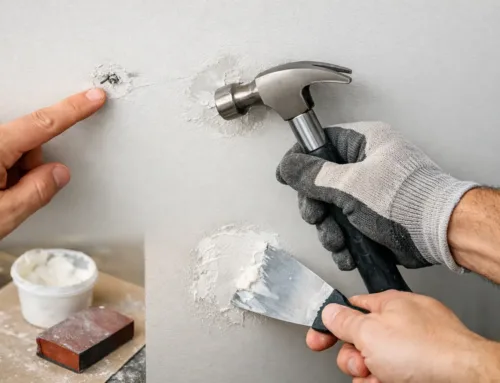
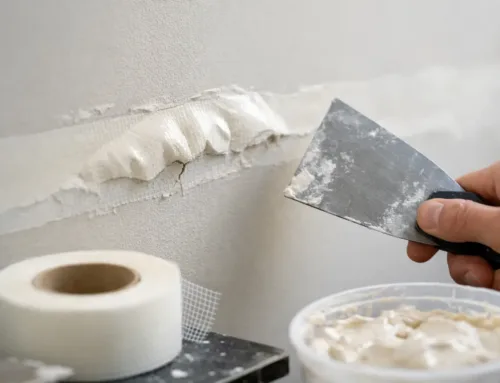
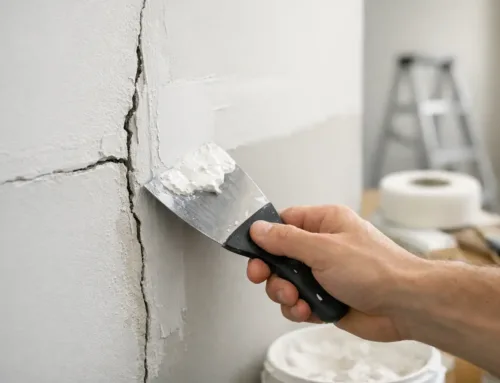
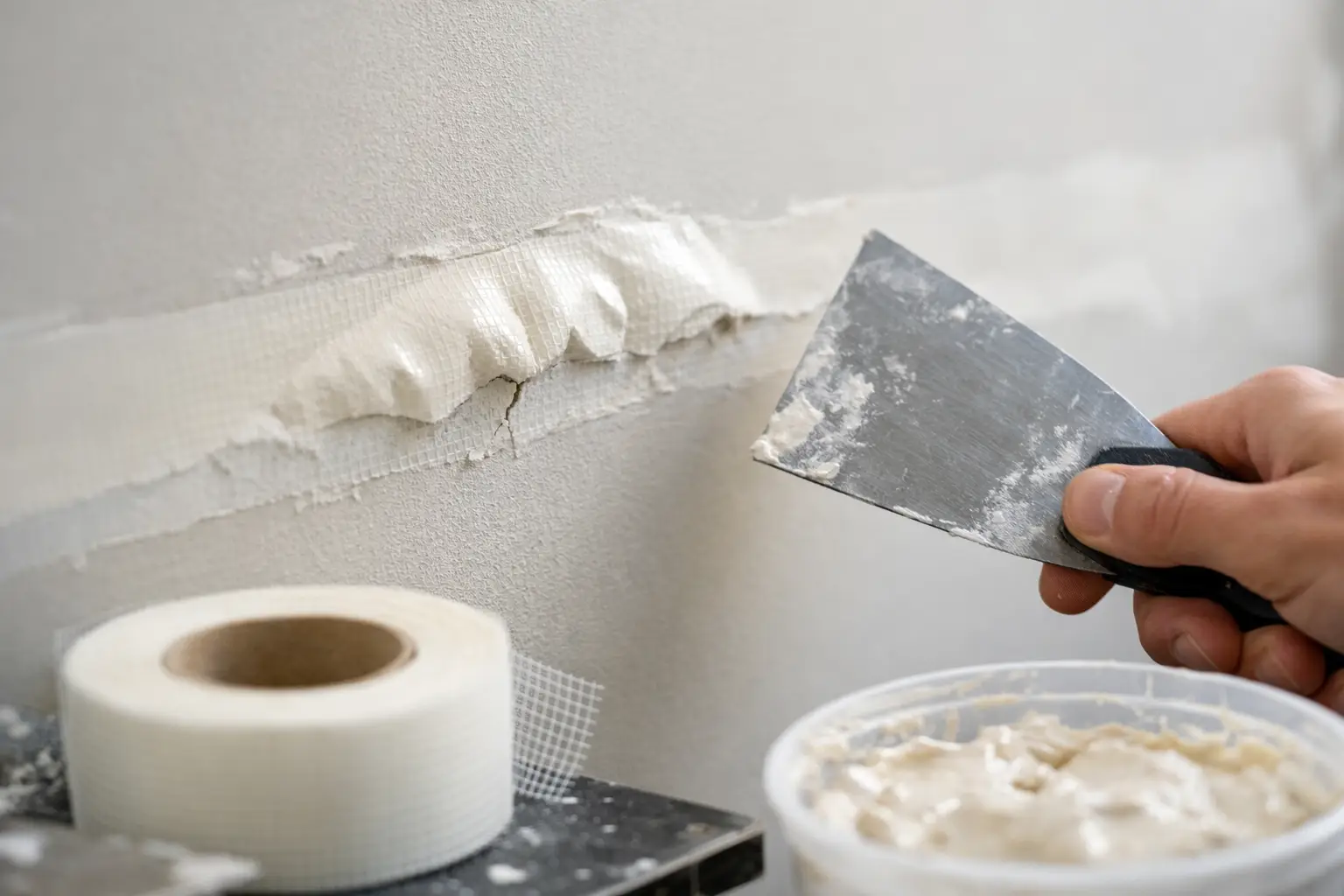
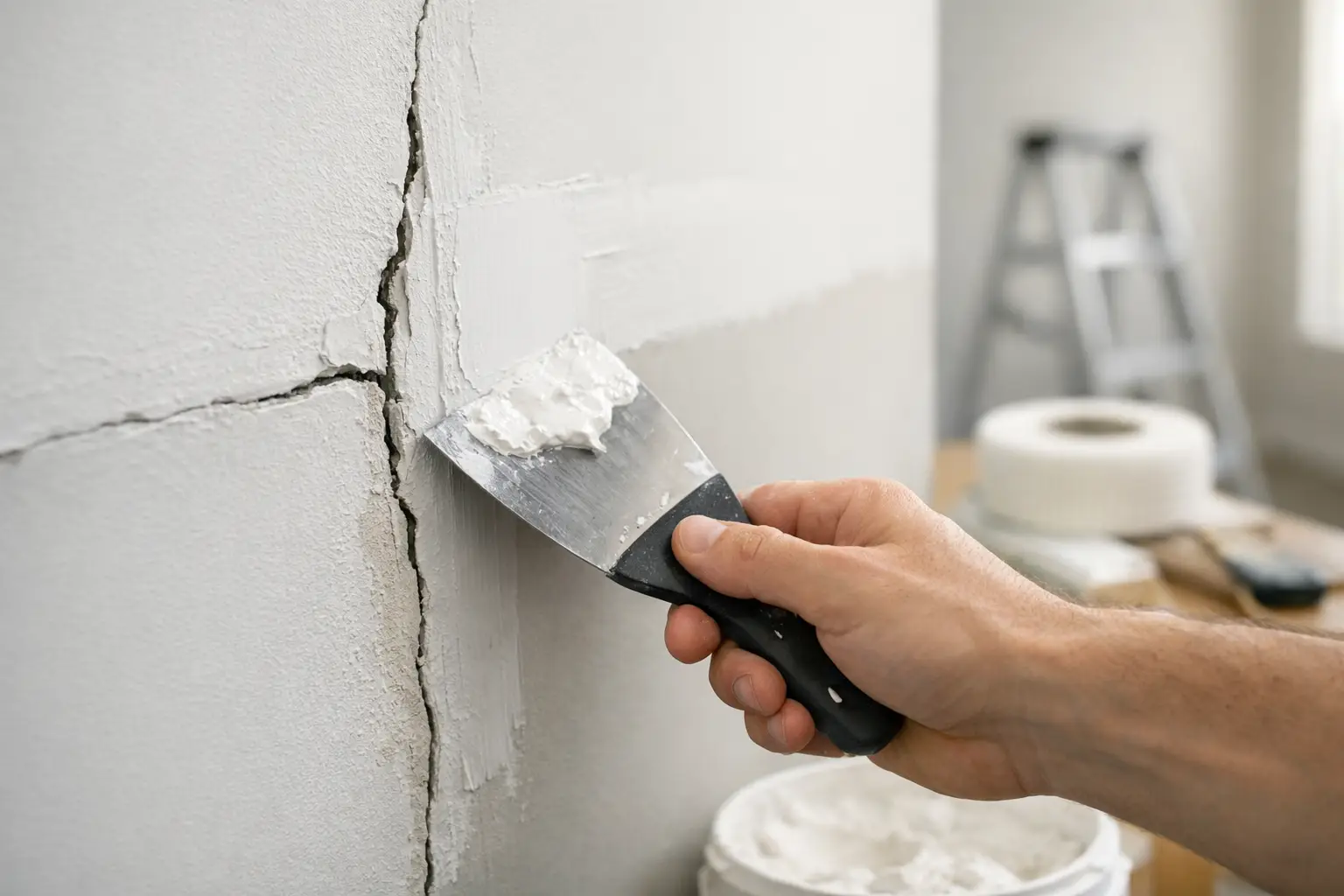
A typical small drywall repair often needs three applications: a first coat to fill and tape the damaged area, a wider second coat to feather the repair, and a final finish coat that blends into the surrounding wall. If each coat needs a full day, the mudding portion alone can span several days. Sanding, texture matching, priming, and painting come after that.
For a minor nail-pop repair, the timeline can be shorter because the coats are thin. For a water-damaged ceiling, a large hole, a plaster-to-drywall transition, or a broad skim-coat project, drying time is more variable. Good results come from building the surface in controlled layers, not trying to bury a repair under one heavy coat.
What Changes Drywall Mud Drying Time?
Drywall compound dries as water evaporates. Anything that slows evaporation extends the wait. The four biggest factors are coat thickness, humidity, temperature, and airflow.
Thick coats take longer than thin coats
Joint compound should be applied in thin, even layers whenever possible. A thick fill coat may feel dry on the surface while remaining soft underneath. Sanding it too soon can pull out the center of the repair or create a rough, uneven edge.
Deep holes and gaps sometimes require a different repair approach before mudding begins. Proper backing, drywall patchwork, tape, or a setting-type compound can create a sound base without relying on a thick layer of premixed mud. This is one reason a professional repair tends to dry and finish more predictably.
Humidity matters, especially after water damage
High humidity is one of the most common reasons drywall mud lingers. During a wet Southeast Michigan stretch, in a closed-up room, or in a basement with moisture concerns, a 24-hour coat can still be damp the next day. Water damage adds another concern: the drywall, framing, insulation, and room itself may need to dry before a lasting repair can begin.
Trying to cover damp materials traps a problem behind a clean-looking finish. If a ceiling stain or softened wall came from a leak, the source of the water should be corrected first. Damaged drywall may need replacement rather than a cosmetic skim coat.
Cool temperatures slow the process
A room around 65 to 75 degrees Fahrenheit gives joint compound a reasonable environment to dry. Cold rooms slow evaporation, while extreme heat can dry the surface too quickly and make the material harder to work smoothly. Avoid drying mud in an unheated garage, a cold addition, or a room where the heat has been turned down overnight.
Steady conditions are better than dramatic ones. Heat the space normally and allow the material to dry at a controlled pace.
Gentle airflow helps
Fresh air movement helps moisture leave the compound. Running the HVAC system normally, opening an interior door, or using a fan to circulate air in the room can help. A dehumidifier is often useful in a damp basement or after water-related repairs.
Do not point a high-powered fan directly at a fresh patch. Strong, concentrated airflow can cause the surface to dry unevenly before the deeper compound has released its moisture. The goal is consistent room circulation, not a blast of air on one spot.
How Can You Tell If Drywall Mud Is Dry?
Color is the first clue. Most premixed mud dries to a consistent lighter color. Dark gray areas, darker rings around the edge, or a cool, damp feel usually mean moisture remains. Look closely at the center of a patch, inside corners, screw heads, and the feathered edge, since these areas can dry at different rates.
Touch can help, but it is not the only test. A dry surface should feel firm and powdery rather than cool or soft. If light sanding creates gummy residue on the paper or rolls the mud instead of creating fine dust, stop and give it more time.
Professionals also judge the repair by experience and by the room conditions. A patch may look dry at breakfast and still need until the following morning before it can be sanded cleanly. Waiting an extra day is usually cheaper and easier than correcting a poor finish later.
Setting-Type Mud Has a Different Clock
Setting-type compound, often called hot mud, is different from premixed joint compound. It is sold as a powder and comes in set times such as 5, 20, 45, or 90 minutes. The number refers to its approximate chemical setting time, not necessarily the point at which it is fully dry and ready for paint.
This product is useful for certain repairs because it hardens without waiting for all water to evaporate. It can be a good choice for filling deeper areas, setting tape, or keeping a repair moving when time matters. Still, it needs to dry before final sanding, priming, or painting, particularly if it was mixed thick or applied over a larger area.
Fast-setting compounds also leave less working time and require careful mixing. A short set time is not automatically better. For broad finish coats and seamless texture blending, standard finishing compound often provides a smoother, more forgiving result.
When Can You Sand, Prime, and Paint?
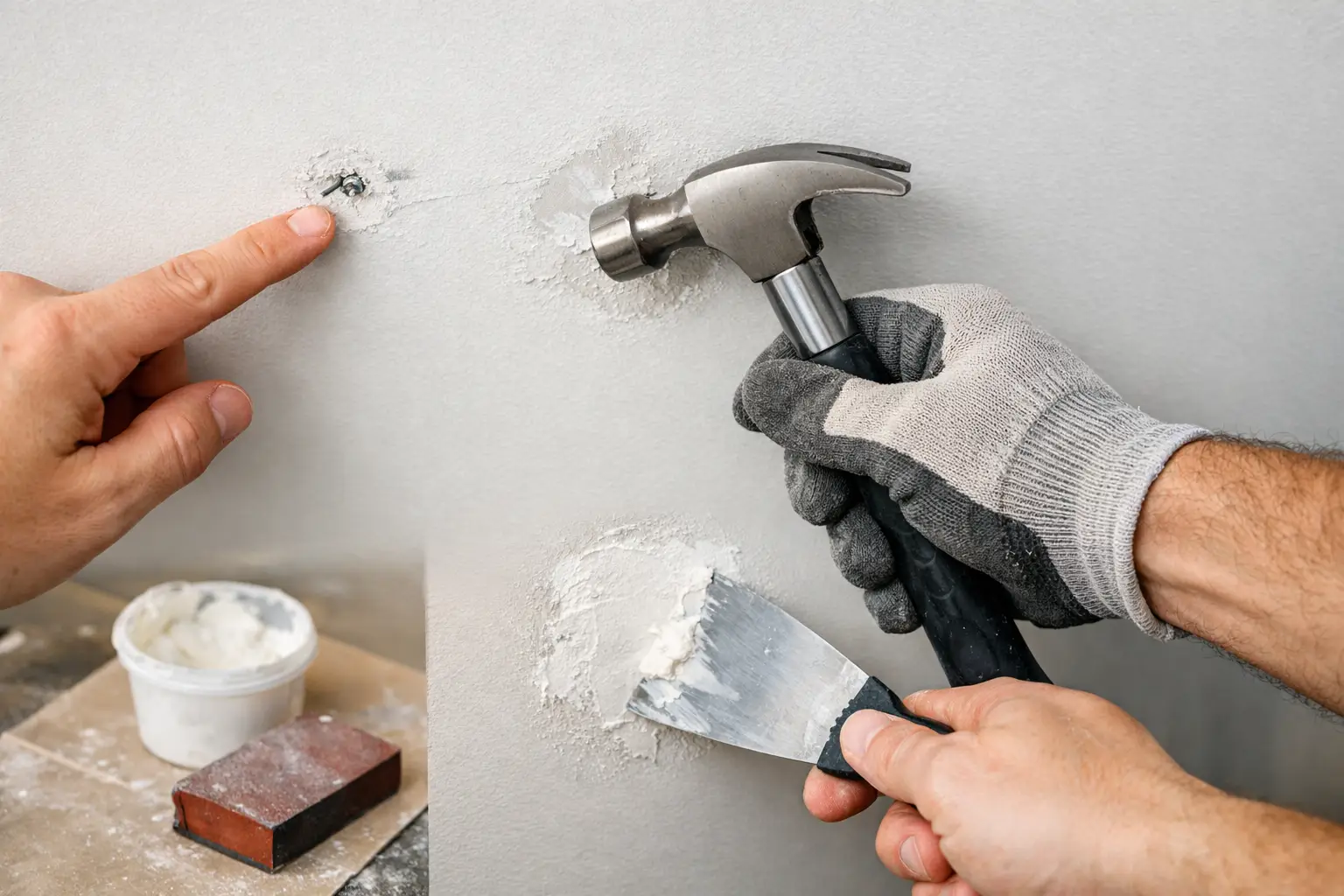
Sand only after the final coat is dry through its full thickness. Use light pressure and focus on smoothing ridges rather than aggressively sanding the field of the wall. Over-sanding can expose tape, flatten the feathered edge, or create a visible dip that paint will highlight.
After sanding, remove the dust and inspect the wall in angled light. Small pinholes, shallow lines, and imperfect edges are much easier to correct before primer. If a touch-up coat is needed, it requires its own drying time.
Primer comes before paint on a repaired area. Bare drywall mud is more porous than the painted wall around it, so paint can absorb unevenly and leave a dull patch or noticeable sheen difference without primer. Once the primer has dried according to its label, the finish paint can be applied.
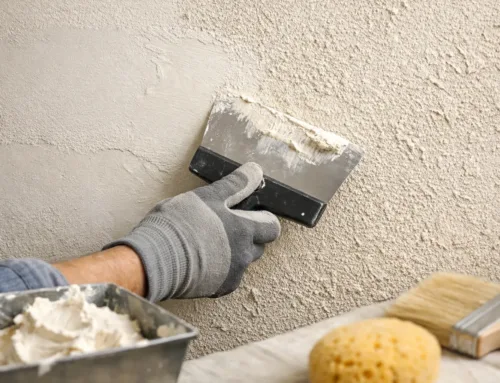
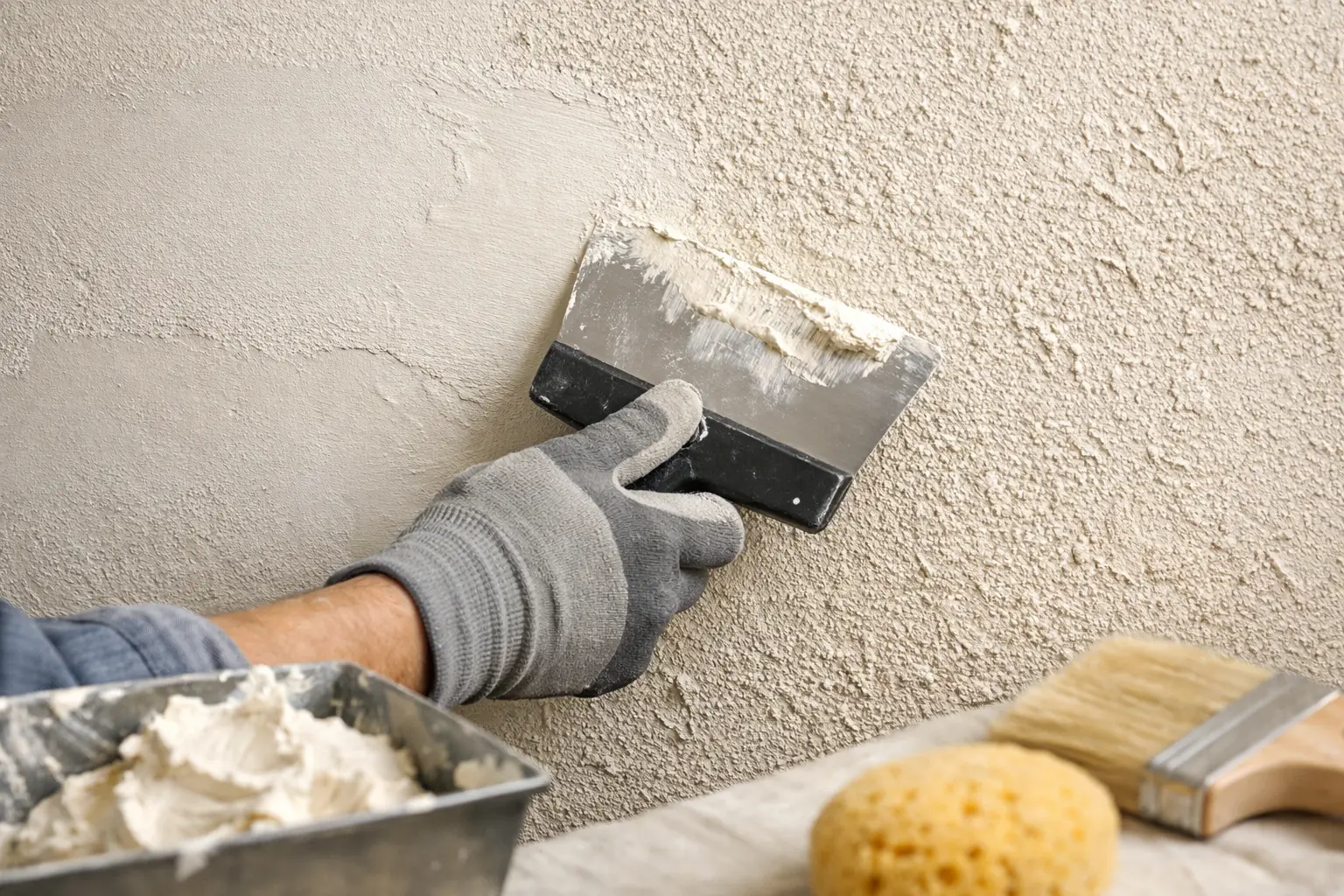
Texture adds another step. Orange peel, knockdown, and ceiling textures must dry before primer and paint, and matching the surrounding pattern takes more than simply spraying material on the patch. The repair has to blend in both texture and sheen to disappear from normal viewing distance.
Can You Make Drywall Mud Dry Faster?
You can improve conditions, but there is no shortcut that replaces proper drying. Keep the room comfortably heated, maintain gentle airflow, and use a dehumidifier when humidity is high. Apply thin coats and allow each one adequate time before moving forward.
Avoid using a heat gun, torch, or intense space-heater blast on fresh mud. These methods can dry the outer layer too fast, increase cracking risk, and create uneven results. They can also create safety concerns near paper-faced drywall, dust, and other building materials.
If the project has a firm deadline, the best solution is planning the repair sequence correctly. A skilled drywall contractor can choose appropriate materials, build the patch properly, manage drying conditions, and schedule the finish work so the result is paint-ready rather than merely fast.
For homeowners and property managers, the safest expectation is one day of drying per coat, with extra time built in for humidity, heavy repairs, and texture work. TDM Drywall brings more than 32 years of hands-on experience to repairs and finishing throughout Monroe and Southeast Michigan, with clean workspaces and clear communication about what the job needs. A smooth wall is worth the patience it takes to let each layer do its job.
If a patch will not dry flat or the finish keeps flashing through paint, our drywall repair services handle the full process, from compound to a surface ready for primer, for homes and businesses across Monroe and the Downriver area.