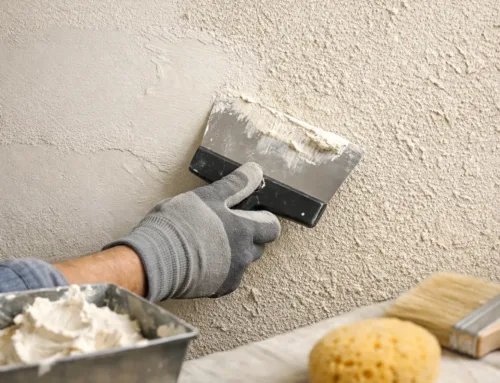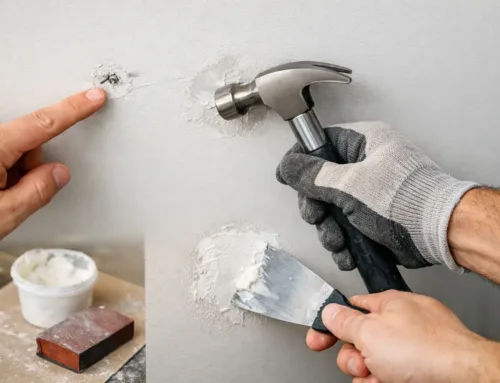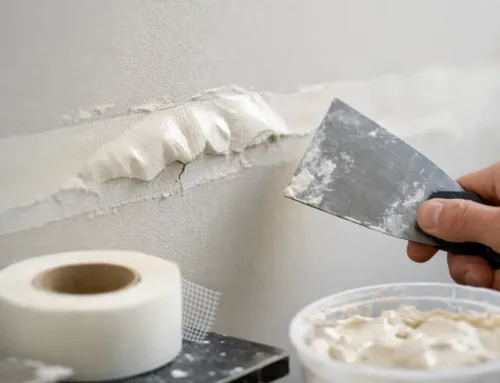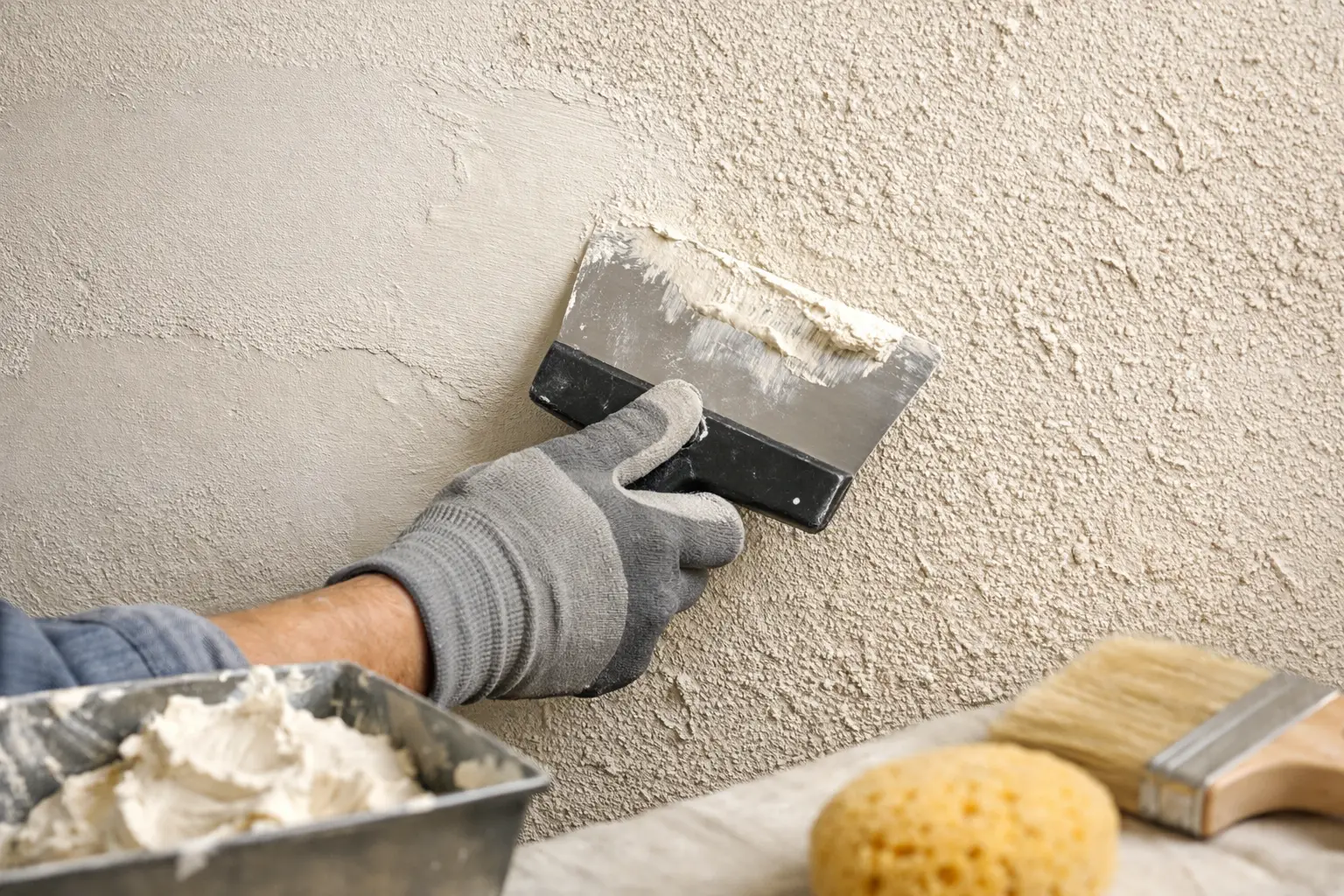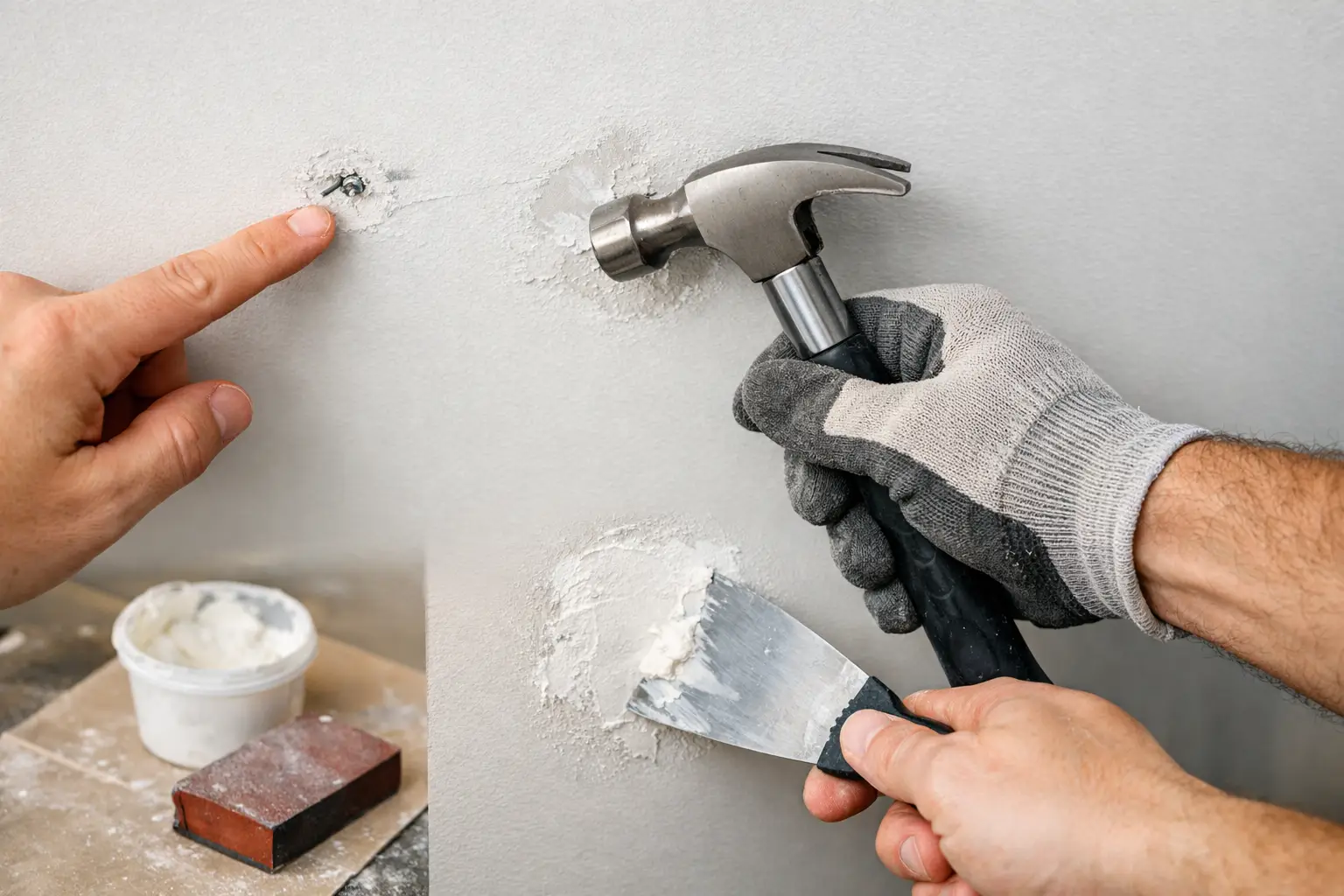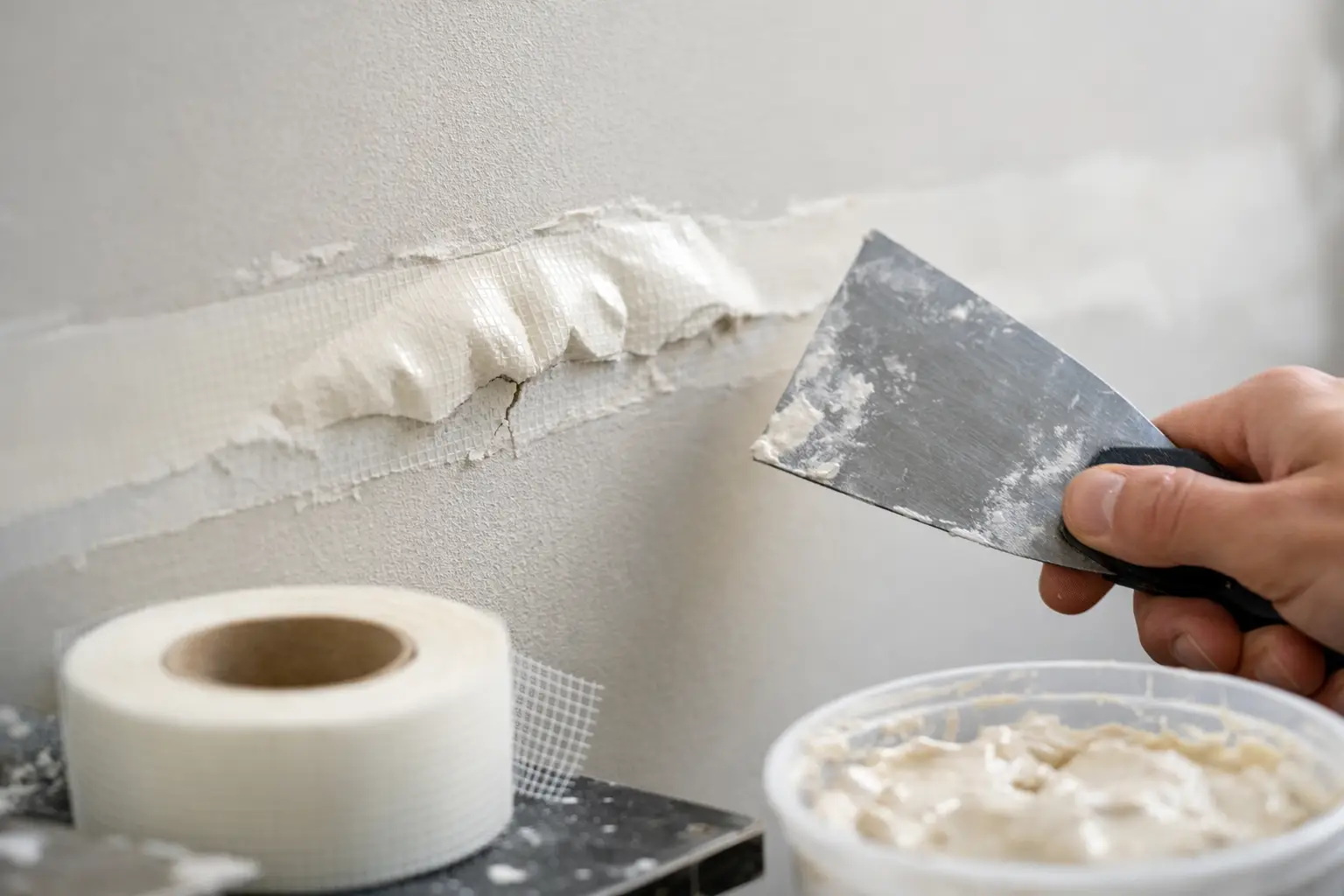

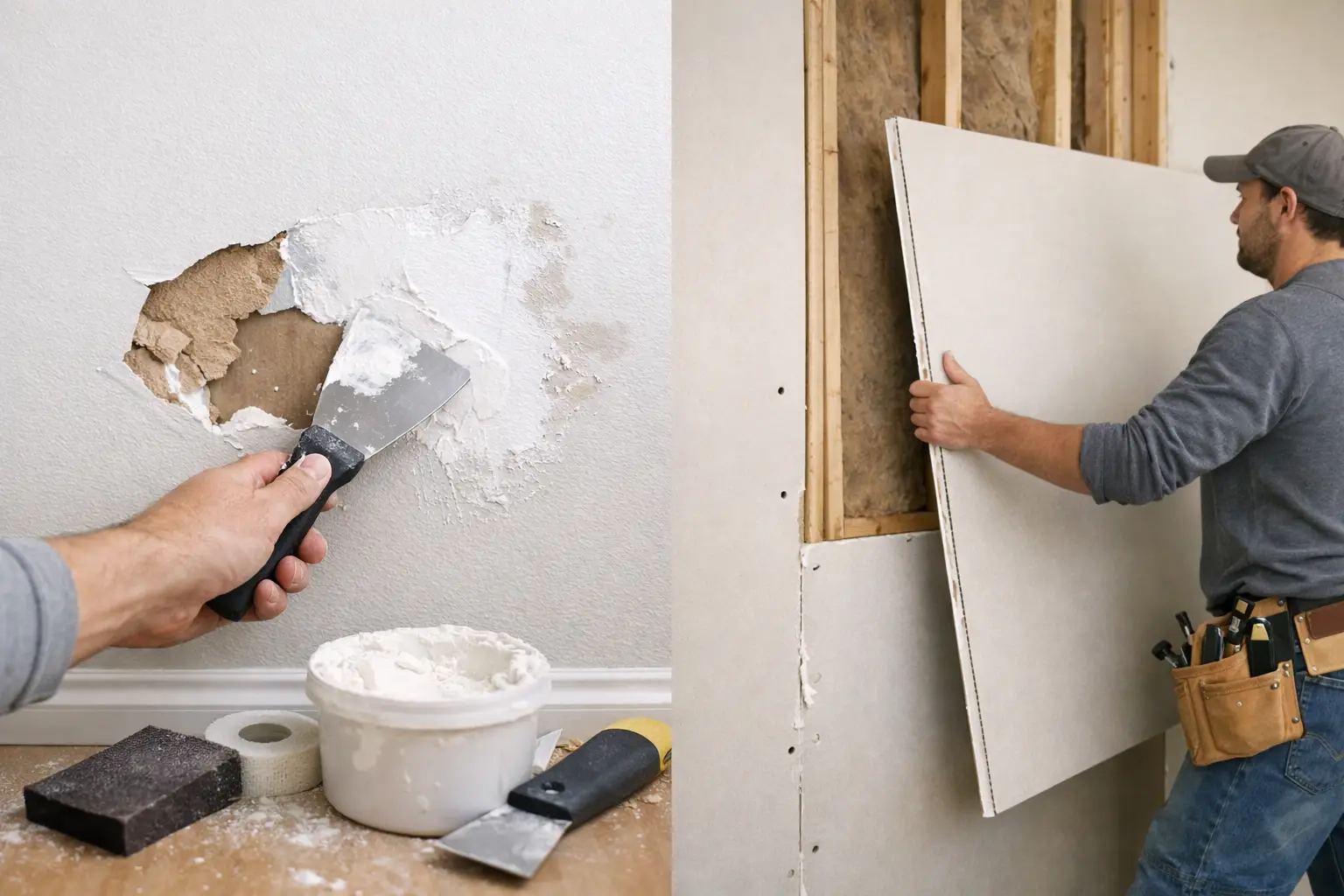
A small crack near a doorway is one thing. A sagging ceiling after a roof leak is something else entirely. When homeowners and property managers weigh drywall repair vs replacement, the right choice usually comes down to three factors – how far the damage spreads, what caused it, and whether the finished wall or ceiling will still look right years from now.
In Southeast Michigan, that decision also has to account for older homes, seasonal moisture, settling, and previous patch jobs nobody ever did properly. A crew can repair and blend some surfaces cleanly enough that you would never know there was damage. Others are better off coming out and getting replaced before more time and money go into a short-term fix.
Drywall repair vs replacement starts with the cause
The visible damage is only part of the story. A drywall crack, stain, dent, or soft spot tells you where the problem shows up. It does not always tell you why it happened.
If the issue is minor impact damage, a popped fastener, a small seam crack, or an isolated hole, repair is often the practical route. These problems are usually limited to one area, and a skilled patch with proper finishing can restore the surface without tearing out full sheets of drywall.
Replacement becomes more likely when the underlying cause has compromised the material itself. Water damage is a common example. If drywall has swollen, softened, sagged, grown mold, or lost its structural integrity, patching the face of it is not a lasting solution. The same goes for repeated moisture exposure in bathrooms, basements, or around windows where the board may continue to fail.
This is where experience matters. A wall can look repairable at first glance and still hide deeper deterioration. On the other hand, not every stain or crack means the whole section needs to go. The goal is not to oversell replacement. It is to make sure the finished work is sound, clean, and worth paying for.
When repair makes the most sense
Drywall repair is usually the better option when the damage is localized and the surrounding material is still solid. For many homeowners, that includes doorknob holes, small water spots that have already dried after someone addressed the source, stress cracks, corner bead damage, nail pops, and surface dents from moving furniture or everyday wear.
A good repair does more than fill a hole. It stabilizes the area, restores the flatness of the wall or ceiling, and blends the finish so the patch does not flash through paint later. That last part is where quality often separates professional work from a quick fix. A patch may look acceptable right after sanding, then stand out badly once light hits it from a window or ceiling fixture.
Repair is also often the smarter value when the texture can be matched and the damaged area is small enough that removal would create unnecessary disruption. In occupied homes, that matters. So does turnaround time. If a clean patch can solve the problem without opening up a whole room, many property owners prefer that route.
For remodelers and builders, repair can also be the right call when schedule matters and the substrate is still dependable. There is no advantage in replacing large sections if a precise repair will produce the same finished appearance.
When replacement is the better investment
There are times when replacement simply makes more sense than trying to rescue what is there. Large damaged sections, widespread water intrusion, crumbling old board, mold concerns, and multiple failed patches are all signs that repair may only delay the real solution.
Ceilings are a common example. Once drywall starts sagging or delaminating overhead, safety and appearance both become concerns. A patched ceiling that still has weakness around it is not something most property owners want hanging over a living room, bedroom, or commercial space.
Replacement is also often the better choice when matching the existing finish would be harder than starting fresh. If a wall has heavy texture damage, uneven layers from previous repairs, or visible waviness across a broad area, full replacement can produce a straighter, cleaner final result. Sometimes the labor spent trying to save a damaged surface ends up costing nearly as much as replacing it, without delivering the same long-term quality.
In older homes, plaster-to-drywall transitions can complicate the decision. Some sections can be repaired successfully. Others have so much cracking, separation, or prior patching that replacement gives you a more stable base to finish from. This is especially true in remodels where new work has to tie into old surfaces without obvious transitions.
Cost is part of the decision, but not the only part
Most customers understandably start with price. Repair is often less expensive up front because it uses less material and limits demolition. But lower cost does not automatically mean better value.
If a repair addresses the full problem and blends properly, it can be the most cost-effective choice by far. If it only hides damage that is likely to reopen, stain through, or spread, the lower initial price can become wasted money.
Replacement usually costs more because it involves removal, disposal, new board, finishing, and sometimes repainting larger sections for consistency. Even so, it can be the better investment when it prevents repeat service calls, ongoing cosmetic issues, or a patchwork appearance across a room.
For commercial clients and contractors, there is also the cost of delays and callbacks. A cheap fix that fails later can become more expensive than doing the work correctly the first time. That is why the real comparison is not just drywall repair vs replacement on paper. It is short-term savings versus durable results.
Finish quality should carry real weight
Homeowners judge drywall work by the final surface. That is what they see every day, and it is what ultimately measures a builder’s work. A wall can look technically repaired and still look poor if the finish is uneven, the seams telegraph, or the texture does not match.
This is one reason contractors sometimes recommend replacement even when a repair is possible. Possible is not always the same as advisable. If the goal is a clean, seamless result that lasts, the finish has to guide the decision.
Texture matching matters here, especially on ceilings and in older homes. Knockdown, orange peel, hand textures, and patched popcorn ceiling areas all require skill to blend. A repair that leaves a visible island in the middle of the ceiling usually does not feel like much of a repair to the customer. In those cases, widening the scope or replacing a broader section can actually create the better visual result.
At TDM Drywall, this is often where years of hands-on experience make the difference. Knowing when a patch will disappear and when replacement will serve the customer better is part of doing the job right.
A few real-world examples
If a plumbing leak left a brown stain on a ceiling but you fixed the source quickly and the drywall is still firm, repair may be all you need. A crew can assess the damaged section, patch it if necessary, seal it, and refinish it.
If that same ceiling is soft, sagging, or crumbling when touched, replacement is usually the smarter call. The board has already lost too much integrity.
If a child put a hole in a bedroom wall, repair is almost always sufficient unless there is broader hidden damage in the cavity or repeated damage around the same area.
If a basement wall has recurring moisture issues and a crew has patched the drywall more than once, replacement alone may not be enough unless someone also addresses the moisture source. That is a good reminder that drywall decisions should follow the cause, not just the symptom.
The best choice is the one that lasts
You solve most drywall problems not by choosing the cheapest option or the biggest option, but by choosing the right scope of work for the condition of the wall or ceiling.
If the material is sound and the damage is isolated, repair can restore the surface efficiently and affordably. If the drywall has weakened, spreading damage is present, or the finish will never look right with another patch, replacement is usually the better long-term move. For a deeper look at the warning signs, see when drywall should be replaced.
A trustworthy contractor should be able to explain that difference clearly, without pushing more work than necessary and without pretending mud and tape can fix every problem. When the recommendation matches the actual condition of the surface, the result is cleaner, stronger, and a lot less stressful for everyone involved.
If you are looking at damaged drywall and are not sure which direction makes sense, the safest next step is to have someone evaluate the surface with finish quality and durability in mind – not just what gets it covered up fastest.
Our drywall repair services cover both ends of that spectrum, from small patches to full section replacement, for homes and businesses throughout Monroe and the Downriver area.