
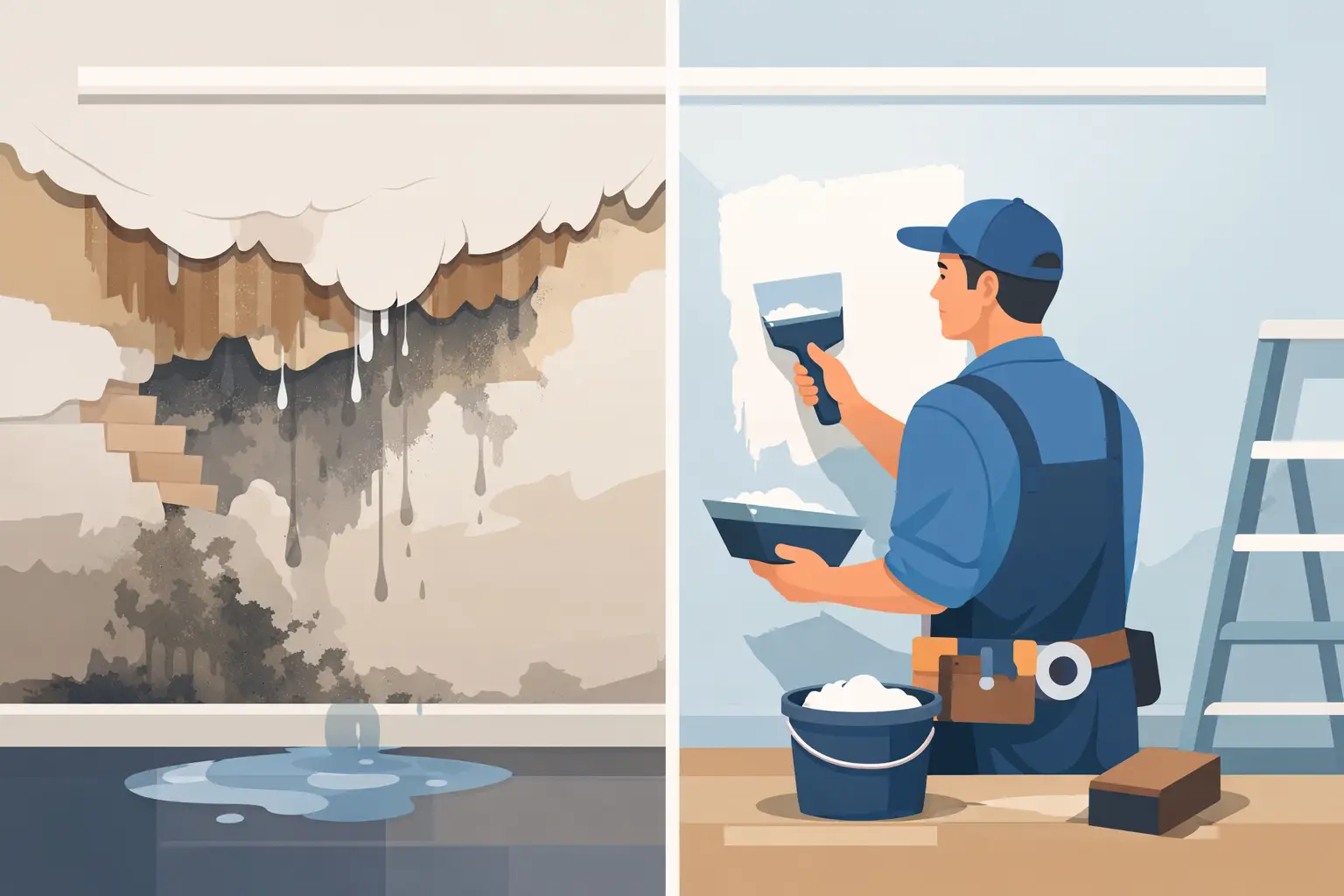
A ceiling stain after a roof leak or a soft wall behind a bathroom vanity usually looks minor at first. Then the paint bubbles, the drywall swells, and what seemed cosmetic turns into a bigger repair. Water damaged drywall repair is one of those jobs where the right decision early can save time, money, and a lot of frustration later.
When drywall gets wet, the real question is not just how bad it looks. The real question is whether the material can still hold its shape, bond, and finish properly. In some cases, a professional can dry, seal, patch, and blend the area. In others, the damaged section needs to be cut out and replaced so the finished wall or ceiling stays solid and clean-looking.
What water does to drywall
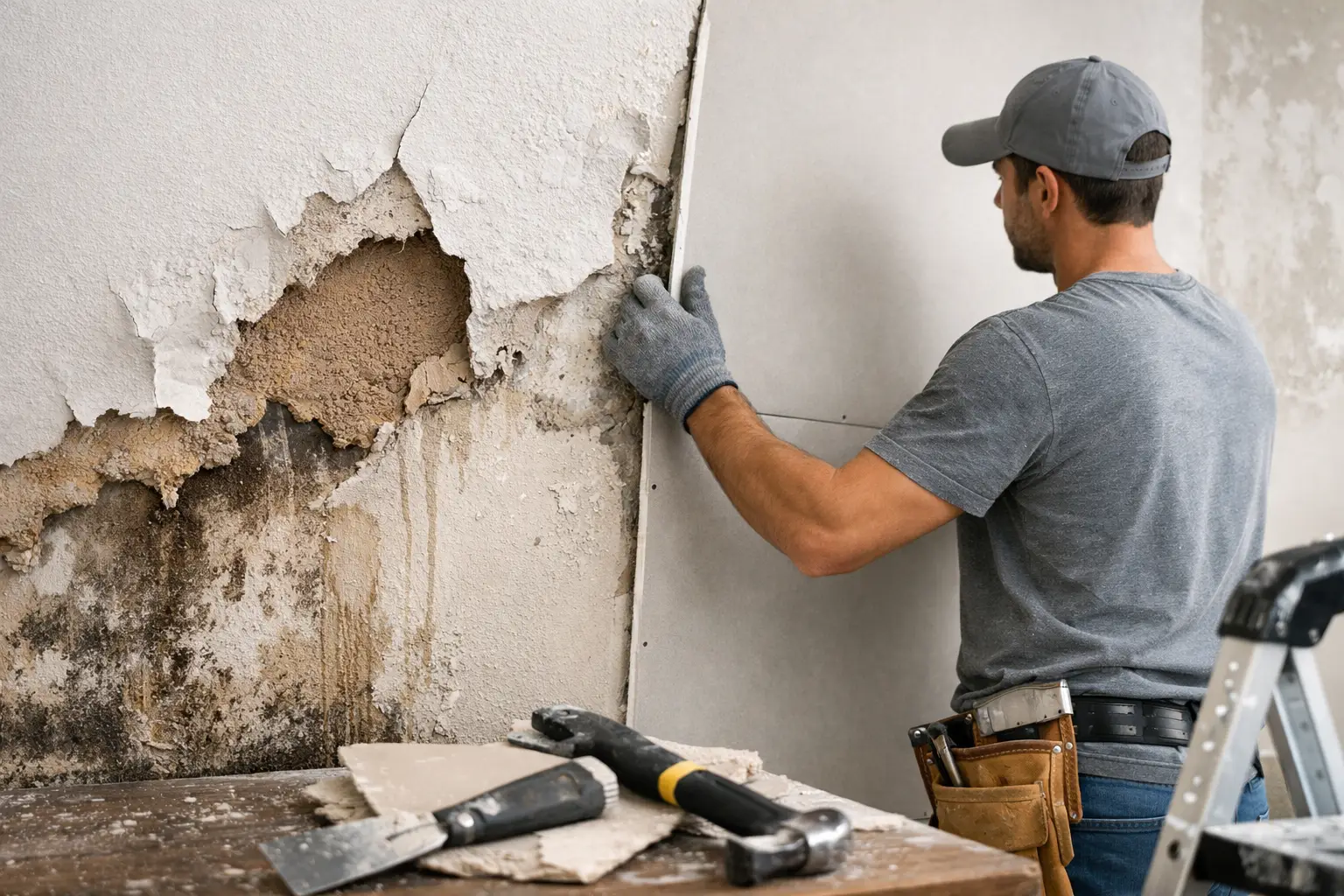
Drywall is durable in normal conditions, but it is not built to handle ongoing moisture. The gypsum core absorbs water, the paper facing weakens, and the surface can sag, crumble, stain, or delaminate. On ceilings, that often means visible bowing or soft spots. On walls, it may show up as swelling at seams, nail pops, bubbling paint, or a patch of texture that no longer sits flat.
The source matters. A one-time clean water event from a small plumbing issue is different from repeated roof intrusion or long-term bathroom moisture. The longer water sits, the more likely it is that the drywall, insulation, framing, or joint compound underneath has been affected. That is why good repair work starts with identifying the cause, not just covering the stain.
When water damaged drywall repair is possible
Not every wet area needs full replacement. If the leak was brief, the drywall dried quickly, and the panel has not lost its shape or strength, repair may be the practical option. A contractor will usually look for staining, softness, sagging, seam failure, and any sign that the paper face has separated from the core.
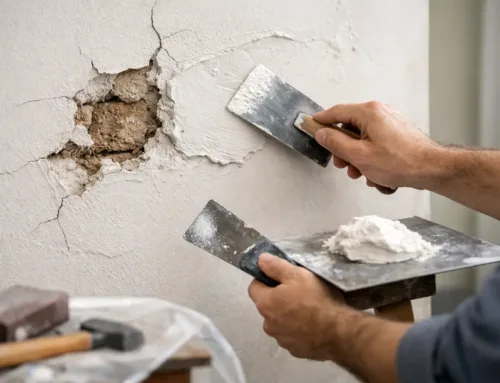
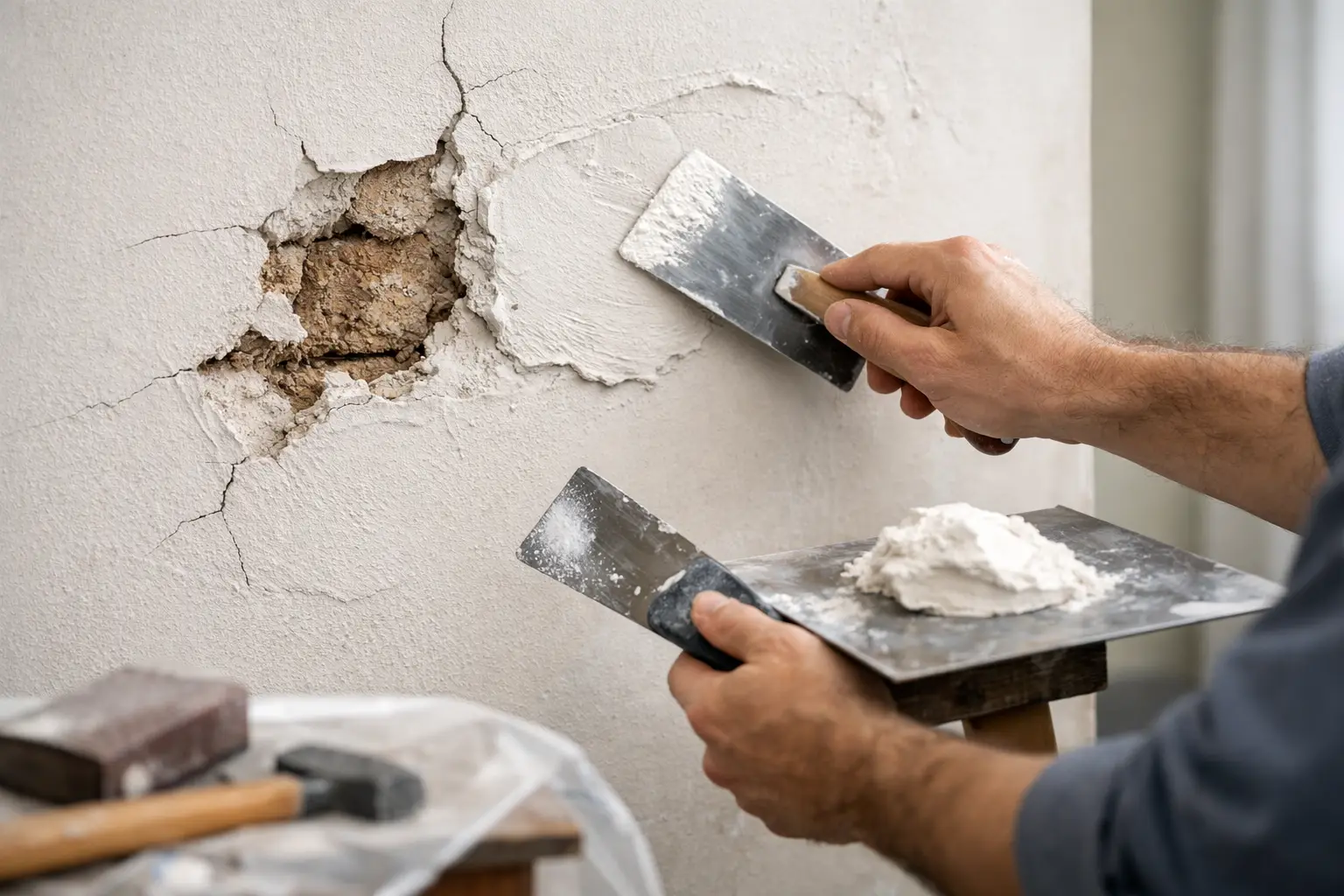
If the drywall still feels firm and the damage is limited to the surface, the repair may involve stain treatment, minor patching, fresh joint compound, sanding, texture matching, and repainting. This approach works best when the surrounding material is still stable and the damaged area is small enough to blend without leaving a visible repair.
That said, appearance is only part of the decision. If the surface can be made to look good but the material underneath has been compromised, replacement is usually the better long-term choice.
When replacement is the smarter move
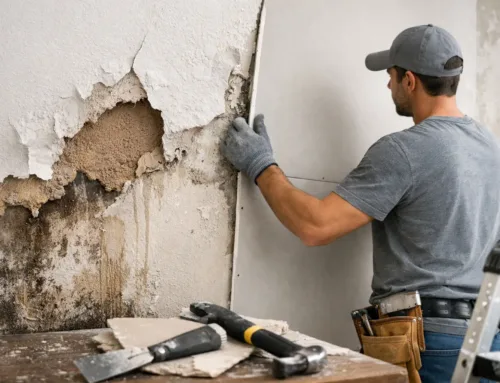
Some water-damaged drywall simply should not be saved. If the panel is soft to the touch, crumbling, sagging, or mold-affected, replacement is usually the right call. The same is true when water has traveled far beyond the visible stain or when a ceiling has lost its structural integrity.
Bathrooms, kitchens, basements, and older homes often bring extra variables. Moisture can sit behind tile, cabinets, trim, or layered finishes longer than expected. In those cases, cutting out the affected section allows the area to dry properly and gives the contractor a chance to inspect what is happening behind the surface.
There is a trade-off here. Spot replacement costs more than a basic patch, but it often prevents a recurring problem, especially when the drywall has already weakened. A clean replacement with proper finishing usually delivers a better result than trying to save material that is already failing.
The right order of operations
A lot of drywall repairs fail because someone fixes the surface before fixing the moisture problem. If the roof still leaks or the plumbing issue is still active, the drywall repair will not last. The first step is always stopping the source of water.
After that, the area needs to be evaluated and dried. Depending on the severity, that may involve removing wet insulation, opening sections of wall or ceiling, and checking for hidden damage. Once the area is dry and stable, the repair itself can begin.
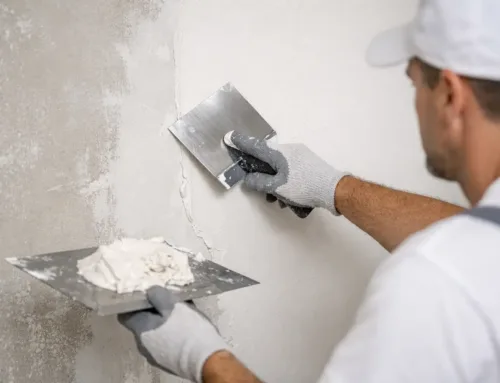
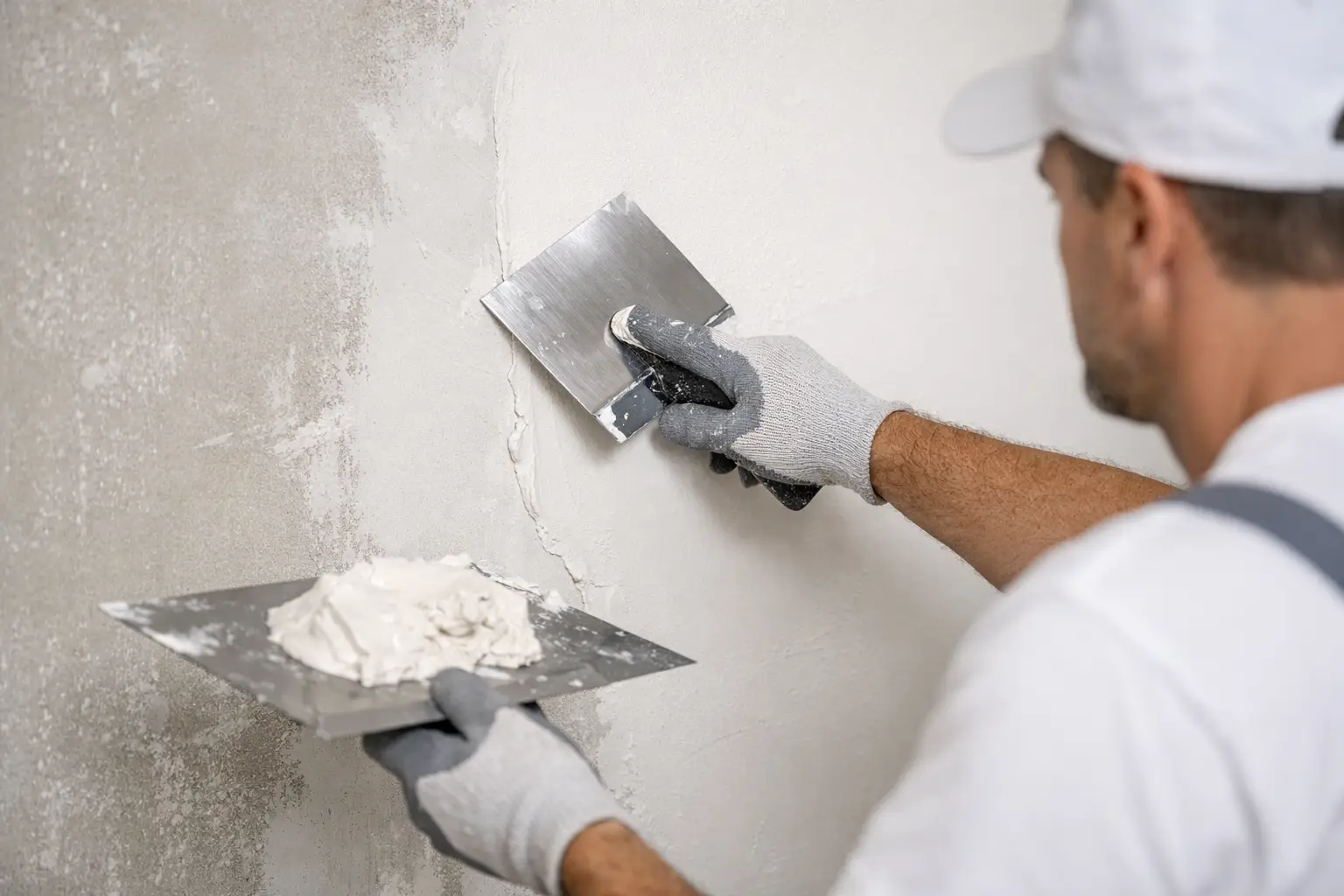
For a true professional finish, the damaged section is cut back neatly if needed, replaced or patched with the correct material, taped, mudded, sanded, and blended into the surrounding surface. If the wall or ceiling has texture, matching that texture matters just as much as repairing the drywall itself. Poor blending is one of the fastest ways to make a repair stand out.
Why ceiling repairs are often more complicated
Water-damaged ceilings deserve extra attention because gravity works against them. Once drywall on a ceiling absorbs enough water, it can sag between joists, loosen at fasteners, or crack around seams. Even if the stain is small, the affected area may be larger than it appears.
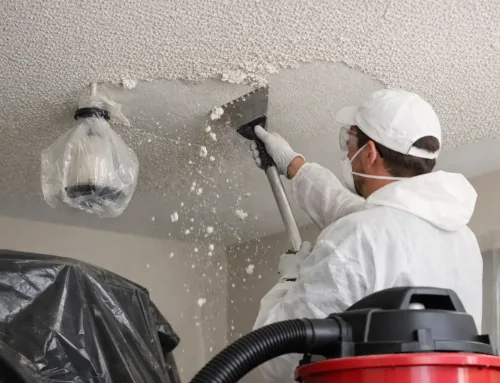
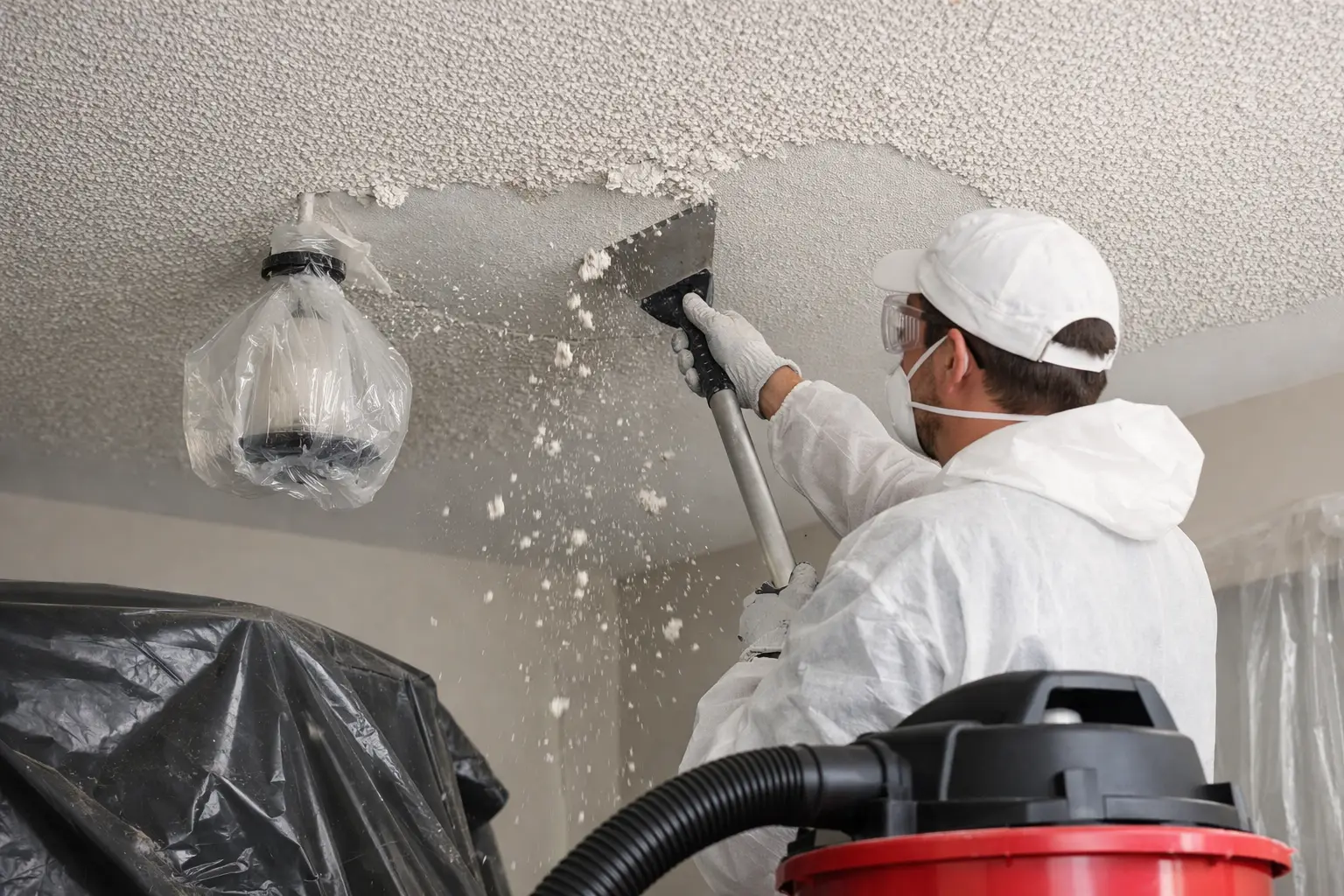
Ceiling texture also adds difficulty. Smooth ceilings need flat, even finishing with no visible edges. Textured ceilings need careful matching so the repair does not leave a noticeable patch. If popcorn texture is involved, the situation can get even more specific depending on the age of the home and the condition of the existing surface.
This is where experience shows. A ceiling repair that is structurally sound but visually obvious is still not a finished job.
Water damaged drywall repair in older homes
In Monroe and across Southeast Michigan, many homes have a mix of materials from different eras. A repair may involve standard drywall in one room, plaster in another, and multiple layers of previous patching underneath the paint. That affects how a contractor approaches water damage.
Older surfaces are less predictable. A stained area may hide loose plaster keys, earlier repairs, or texture changes that need careful blending. In these homes, the best repair is not always the fastest one. Sometimes a larger, cleaner cutout and refinishing plan delivers a much better result than chasing a small damaged spot through uneven material.
That is especially true when homeowners want the repair to disappear rather than just be serviceable.
What homeowners should not do
The biggest mistake is painting over a stain and hoping it goes away. Water marks usually bleed back through if they are not treated correctly, and paint does nothing for weakened drywall underneath. Another common mistake is waiting too long. What starts as a small soft spot can spread, especially if moisture is still present inside the wall or ceiling cavity.
DIY patching can work on very minor damage, but water-related repairs are different from simple dents or nail holes. The challenge is not just filling the surface. It is knowing whether the board is still sound, whether hidden damage is present, and how to finish the area so it matches the rest of the room.
What to expect from a professional repair
A quality contractor should be able to tell you whether the drywall can be repaired or should be replaced, what caused the failure, and what kind of finish you can expect when the job is done. Clear communication matters here. Homeowners and builders alike want to know the scope, the timeline, and whether texture or paint matching will be part of the process.
Good drywall work is about more than closing a hole. It is about leaving a wall or ceiling flat, clean, and ready to live with every day. That means tight patchwork, smooth finishing, and texture blending that does not call attention to the repair.
For property owners, speed matters too. Water damage already disrupts the space. The repair process should move efficiently without cutting corners. That balance between fast turnaround and finish quality is what separates dependable workmanship from patch-and-go labor.
Choosing the best repair path
Water damaged drywall repair is rarely one-size-fits-all. A small stain under a resolved plumbing drip may need surface repair and refinishing. A sagging ceiling under an active roof leak may need partial replacement and a more involved finish plan. The right approach depends on the source, the extent of the damage, how long the area stayed wet, and what kind of surface needs to be matched.
For homeowners and contractors who want the job done correctly, the goal is simple: fix the cause, restore the damaged area properly, and make the finished result look like it belongs there. That is the kind of repair that holds up, looks right, and takes one more problem off your list.

Leave A Comment