


A ceiling crack always gets your attention fast. It may start as a thin line over a doorway or run across the middle of a room, and suddenly all you can see is that flaw every time you look up. Ceiling crack repair depends on what caused the crack, how wide it is, and whether the damage is still moving.
Some cracks are cosmetic and fairly straightforward to fix. Others are a sign of settling, moisture problems, loose drywall tape, or movement in an older plaster ceiling. The repair itself is only part of the job. A lasting result comes from fixing the crack the right way the first time, with the right materials and enough prep to keep it from showing back up a few months later.
One thing to settle up front: paint will not fix a crack. If you skip the repair and roll fresh ceiling paint over the line, it comes back through the new finish, usually within a season.
How do you repair a ceiling crack the right way?
The basic process is simple on paper. You remove any loose material, reinforce the crack, apply compound in thin coats, sand it smooth, then prime and paint. Where homeowners run into trouble is skipping reinforcement or trying to fill the crack with spackle alone.
A ceiling moves more than most people realize. Seasonal humidity, framing movement, and minor settling all put stress on that surface. If the repair is only a quick surface fill, the crack often comes back. That is why a proper repair usually involves drywall tape or mesh, not just patching compound pressed into the gap.
The exact method also changes based on the ceiling material. Drywall ceilings and plaster ceilings can look similar once painted, but they do not repair exactly the same way. A newer drywall seam crack is a different job than an older plaster crack with crumbling edges.
Start by figuring out what kind of crack you have
Hairline cracks are often cosmetic, especially if they follow a drywall seam. Minor settling or tape failure commonly causes these. If the crack is narrow, clean, and there are no signs of sagging or staining, the repair may be limited to the surface area.
The pattern tells you a lot. A straight crack running along a seam usually points to failed tape or joint movement. Spiderweb cracking often means an older skim coat or paint layer is failing rather than the drywall itself. A single crack near a door opening, soffit, or stairwell tends to follow framing movement. None of these rule out a repair, but each one changes how durable the result will be.
Wider cracks deserve a closer look. If the ceiling is bowing, if the crack has uneven edges, or if sections feel loose when pressed gently, there may be more going on above the surface. Water damage is another major warning sign. A brown stain, soft drywall, or peeling paint means you must correct the leak issue before any patching starts.
With plaster ceilings, the key question is whether the plaster is still bonded well to the lath behind it. If it has separated, patching the visible crack alone will not hold for long. In those situations, a more involved repair or partial replacement may be the better value.
What you need for ceiling crack repair
For a typical drywall ceiling crack, the materials are straightforward: utility knife, putty knife or taping knife, drywall tape, joint compound, sanding sponge or fine sandpaper, stain-blocking primer if needed, and matching ceiling paint. A ladder and drop cloth also matter more than people expect. Ceiling work is messy, and it is harder to get clean results if you’re overreaching or trying to protect furniture as you go.
One thing worth mentioning is compound choice. Lightweight spackle can work for tiny surface blemishes, but for an actual crack repair, standard joint compound is usually the better option because it feathers more smoothly and works well with tape. If speed matters, setting-type compound can be useful, but it takes a little more skill because it hardens fast and shrinks less than lightweight premixed mud.
Step-by-step ceiling crack repair
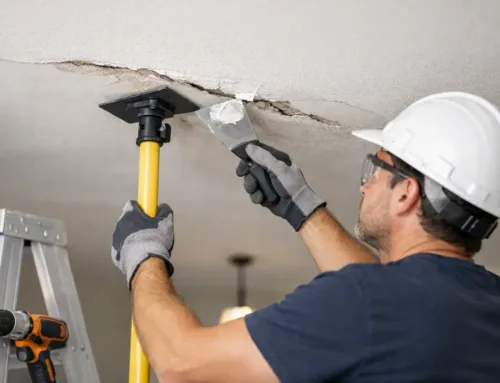
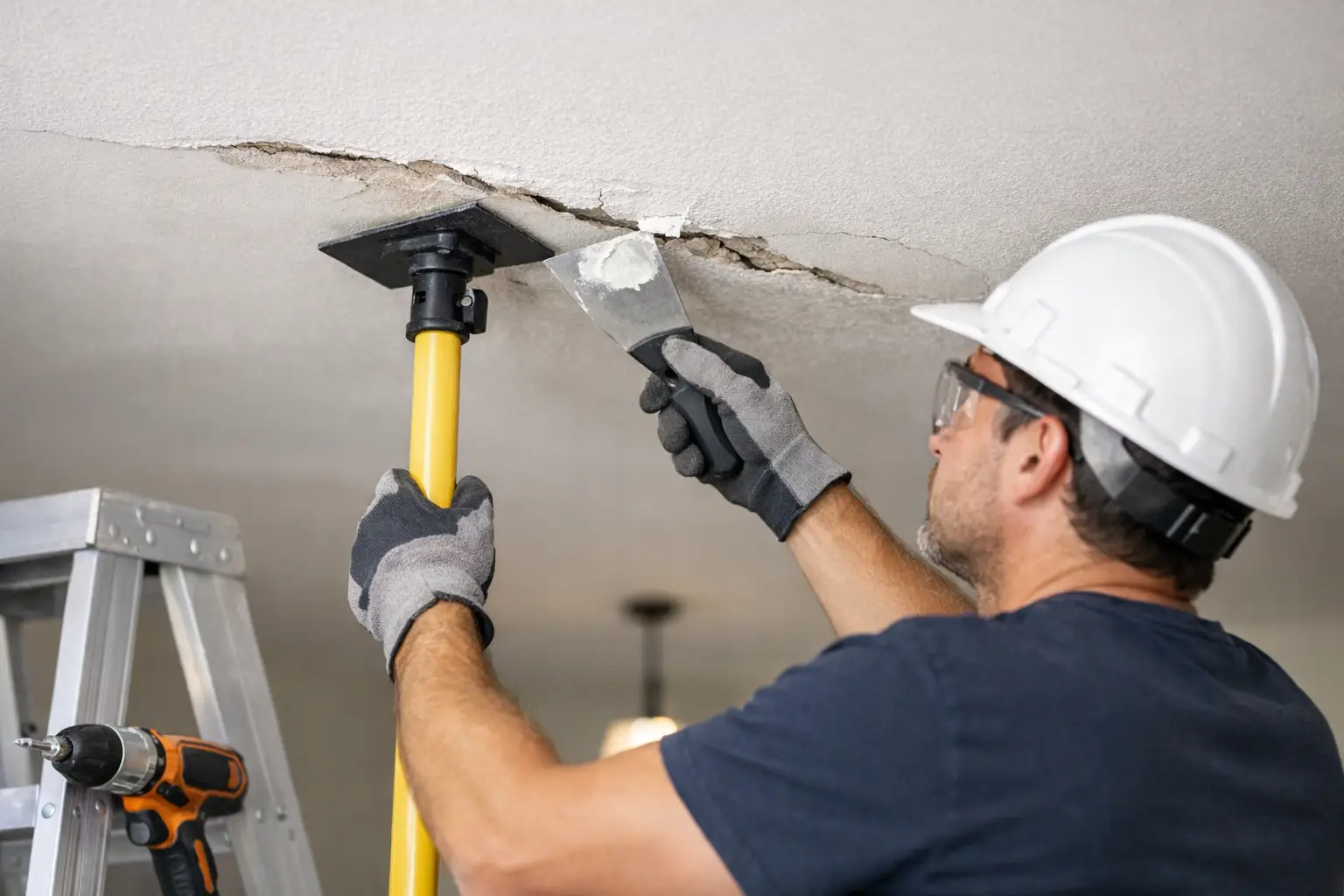
Begin by opening the crack slightly with a utility knife. That sounds backward, but it helps remove weak material and gives the compound a better surface to bond to. Then scrape away anything loose, including peeling paint, old tape, or crumbly plaster. If dust is left in the crack, wipe it down so the repair material can adhere properly.
Next, apply a thin bed of joint compound over the crack and embed drywall tape into it. Paper tape often gives the strongest, smoothest result on a straight ceiling crack, though you may use mesh tape in some situations. Press it down evenly so there are no bubbles or ridges. The important part is full reinforcement across the damaged area, not just covering the line itself.
Once the tape is in place, apply a thin coat of compound over it and feather the edges outward. Let that coat dry fully before adding another. Most good ceiling repairs take two to three coats, sometimes more, because each layer should stay thin. Each coat should also run a little wider than the one before it. Heavy coats tend to shrink, crack, or leave visible ridges.
Ceiling Crack Repair Before Painting
The last stage decides whether the repair disappears or announces itself. Two steps carry most of that weight: how you sand, and whether you prime.
Sand with a light touch
When the compound is dry, sand the repair smooth. The goal is not to grind the patch flat at all costs. The goal is to remove ridges, lap marks, and rough spots while keeping the repair area even with the surrounding ceiling.
This is where many do-it-yourself repairs go off track. Over-sanding exposes the tape or creates a shallow dip that becomes obvious once light hits the ceiling. Under-sanding leaves raised edges that telegraph through the paint. A work light held at an angle will show you those imperfections before you prime, while they are still easy to correct.
Prime the repaired area
Fresh drywall compound is porous. If you paint directly over it, the patched section can flash through with a dull spot or uneven sheen. Primer seals the repair so the finish coat lays down evenly.
For stain-prone ceilings or previous water damage, use a stain-blocking primer. For a standard dry repair, a quality drywall primer is usually enough. Either way, priming is not the place to cut corners if you want the ceiling to look consistent after painting.
Watch the light in the room
Flat ceiling paint helps hide minor flaws, but it cannot hide poor finish work. If the patch is raised, hollow, rough, or poorly blended, fresh paint often makes the defect easier to see rather than harder.
This matters most near windows, kitchen lighting, and recessed fixtures. Side lighting rakes across the surface and exposes every hump and edge. In a room with strong natural light, the finish work has to be tighter than average to look clean.
Why ceiling crack repairs often fail
The most common mistake is treating the crack like a nail hole. A ceiling crack usually needs reinforcement, not just filler. If there is movement underneath, simple patching rarely lasts.
The second issue is poor feathering. Since ceilings catch light across a broad flat surface, even a small hump or edge in the patch can stand out once painted. That is why professional repairs focus so much on blending, not only on covering the crack.
The third problem is ignoring the cause. If the crack came from water damage, framing movement, or a loose drywall panel, the visible repair is only a temporary cover-up until the underlying issue is corrected.
When a ceiling crack is more than a cosmetic problem
Not every ceiling crack is serious, but some deserve immediate attention. If the crack suddenly appears and grows quickly, if doors or windows nearby start sticking, or if the ceiling looks like it is sagging, it is smart to pause the patching and have the area evaluated.
Water is another clear dividing line. A stained ceiling may look dry today, but hidden moisture can weaken drywall, soften joint compound, and lead to recurring damage. If a leak caused the crack, a crew may need to cut out and replace the damaged section rather than patch it. Soft board, staining, and delaminated paper all affect whether the ceiling can be repaired in place.
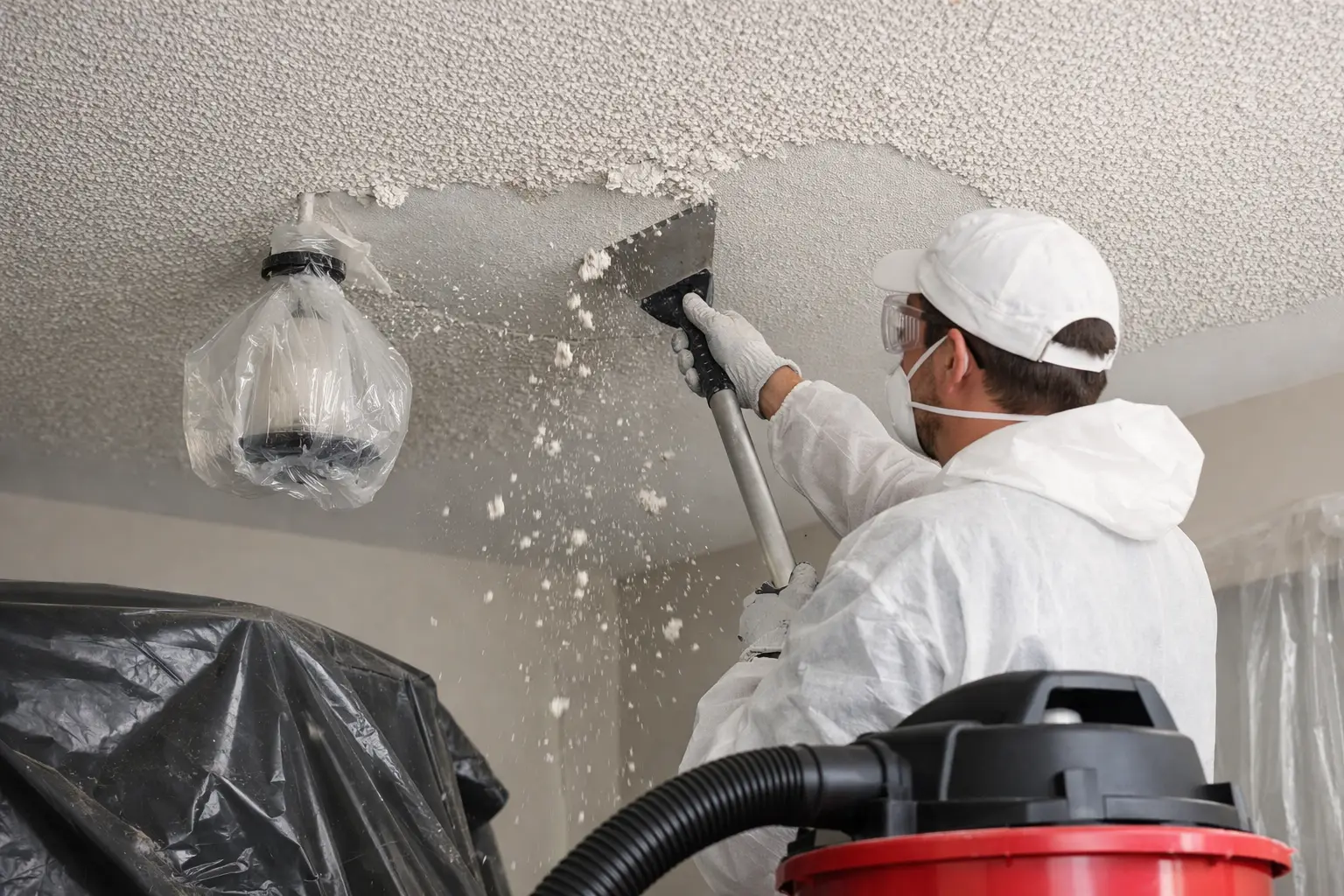
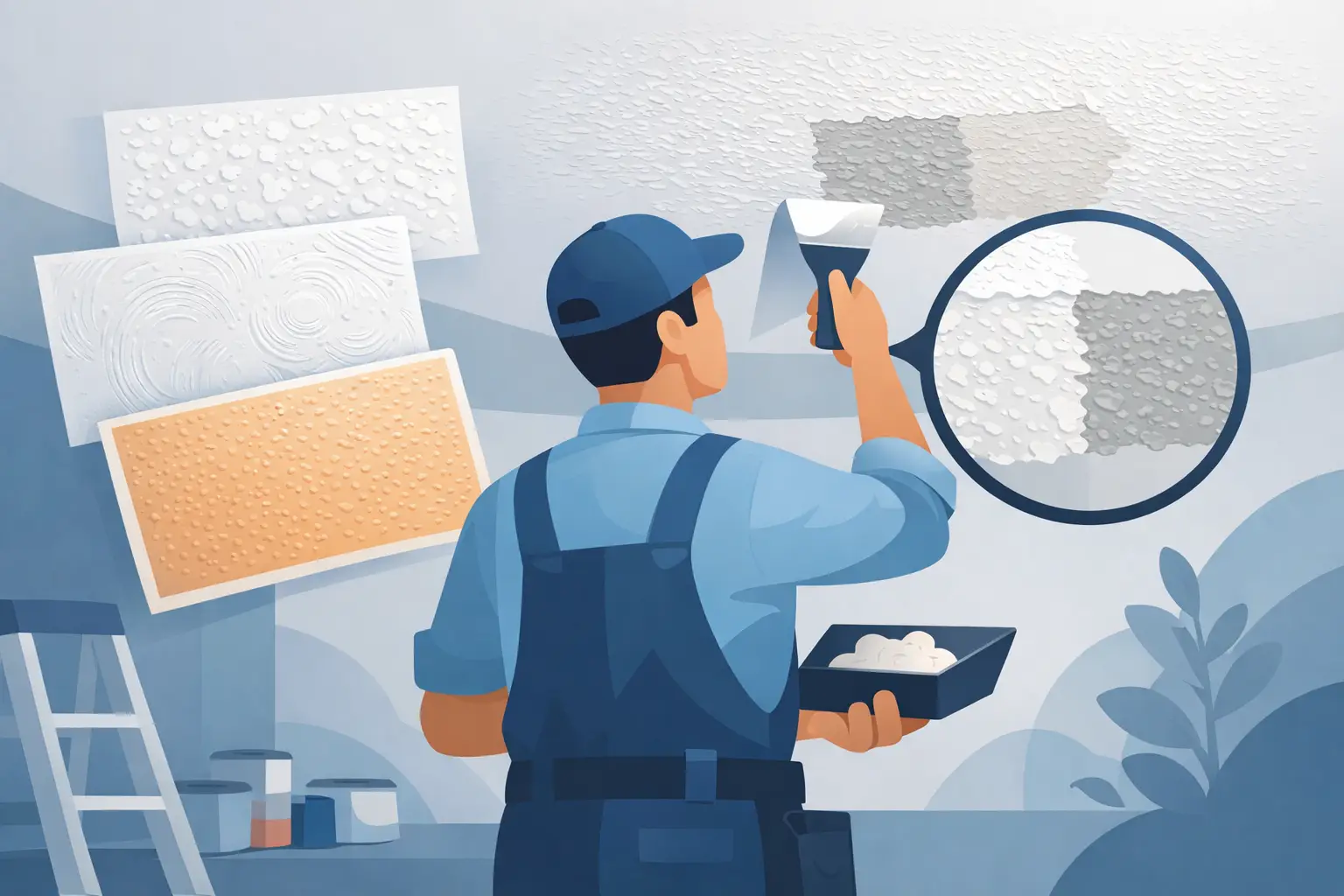
Textured ceilings add another layer of difficulty. A smooth ceiling patch is one thing. Matching knockdown, orange peel, or an older pattern so the repair blends in is a different skill set. The patch can be structurally sound and still stand out badly if the texture match is off.
In older homes around Monroe and Southeast Michigan, plaster ceilings present their own challenge. What looks like a simple crack may involve aged plaster keys breaking loose, previous repairs, or layers of old paint that react differently to patching and sanding. A durable result depends on treating the actual surface you have, not just the crack you see.
DIY or professional ceiling crack repair?
If the crack is short, hairline, and clearly cosmetic, a careful homeowner can often handle it. The catch is finish quality. Ceiling repairs are unforgiving because light highlights every bump, edge, and sanding mark. Many do-it-yourself repairs technically fill the crack but still leave a visible patch.
That is where experience matters. A professional knows how wide to feather the repair, how to match the surrounding texture, and when a crack is actually pointing to a larger issue. For builders, remodelers, and homeowners who want the ceiling to look clean again without repeated patching, that difference matters.
TDM Drywall has seen all versions of this problem, from minor seam cracks to larger repairs tied to water damage or failing plaster. The goal is not to just make the crack disappear for today. It is to leave a repair that blends in and holds up.
How to keep a ceiling crack from coming back
A lasting ceiling crack repair starts with honest diagnosis. If normal minor movement causes the crack, tape and compound may solve it. If the ceiling has moisture damage, loose substrate, or repeated settling stress, the repair needs to account for that. Sometimes that means a wider repair area. Sometimes it means replacing a section rather than patching over weakness.
Paint choice and prep also matter. Even a well-finished patch can stand out if the ceiling color has aged or if the texture does not match correctly. Smooth ceilings need careful sanding and priming. Textured ceilings need a repair approach that recreates the original look instead of leaving a flat patch in the middle of a patterned surface.
If you are looking up at a crack and wondering whether it is a quick fix or something more, trust what the ceiling is showing you. A clean, durable repair is possible, but it usually comes down to doing a little more prep and a little less guessing. When the finish is done right, the best repair is the one you stop noticing entirely.
Our ceiling repair services handle exactly this kind of diagnosis and finish work for homes and businesses throughout Monroe and the Downriver area.




Leave A Comment