
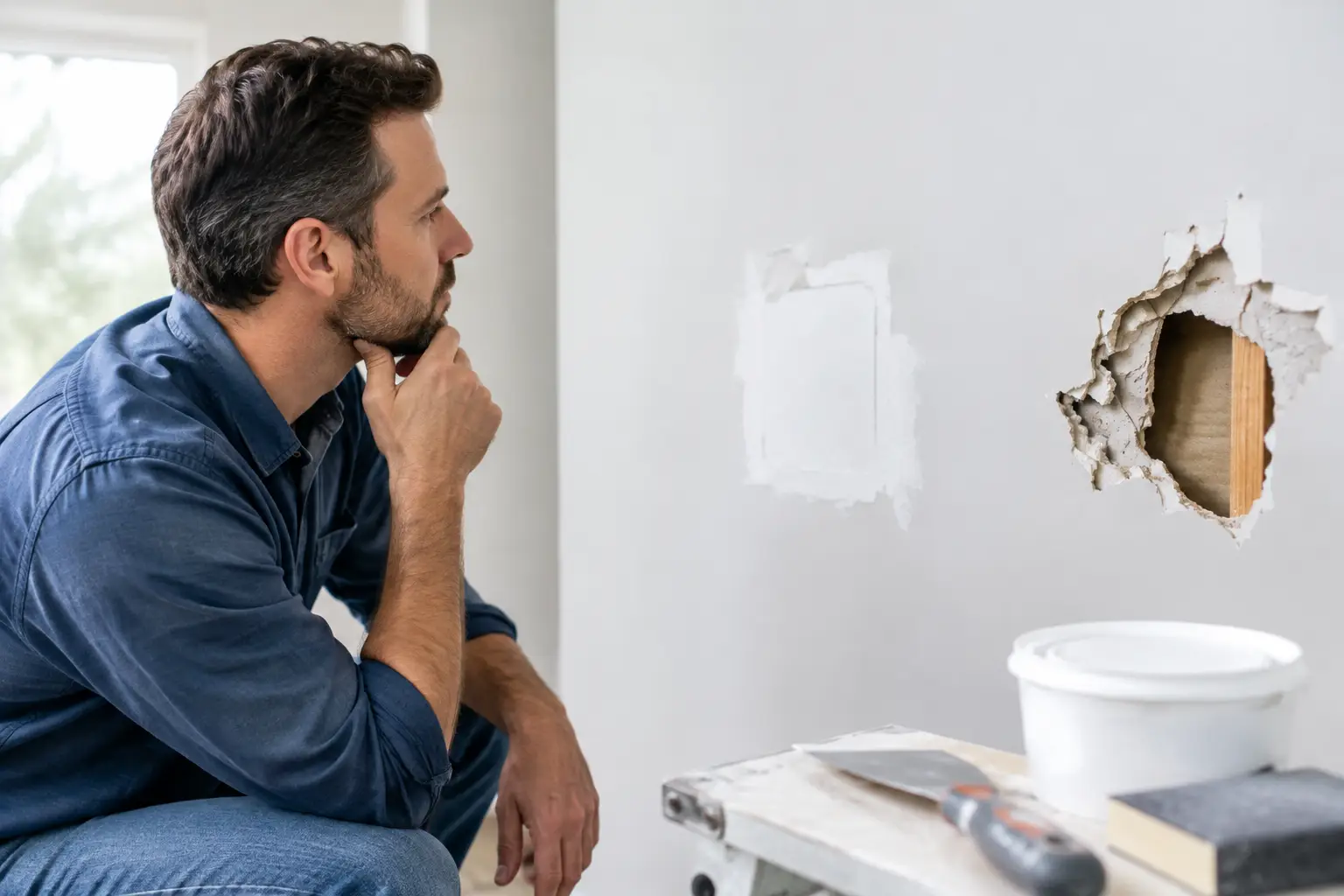
A doorknob hole, a ceiling stain, or a wall softened by a plumbing leak can make a small problem look much bigger than it is. The decision to patch drywall or replace a sheet comes down to more than the visible opening. What is behind the damage, how stable the surrounding board is, and whether the wall can be finished to match all matter just as much.
A properly completed patch can blend into the wall and provide years of dependable service. In other situations, trying to save a damaged section creates extra seams, repeated cracking, and a finish that never quite looks right. Knowing the difference helps homeowners make a sound decision before repairs begin.
When a Drywall Patch Is the Right Repair
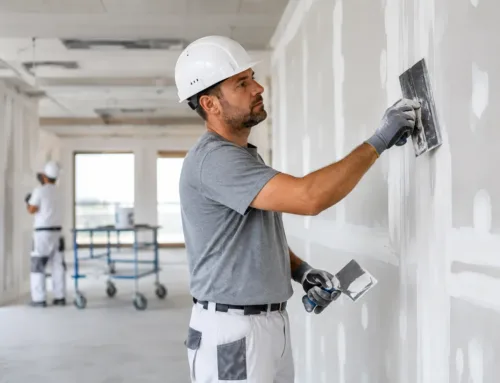
Patching is usually the practical choice when damage is isolated and the surrounding drywall remains dry, firm, and securely fastened. Small nail holes, dents from furniture, minor cracks, and holes caused by door hardware are common patch repairs. A contractor can remove loose material, install backing where needed, fit a new piece of drywall, tape the joints, apply joint compound, sand the area smooth, and match the existing texture.
The size and location of the damage matter. A small hole in the middle of a wall is often straightforward because there is solid drywall on all sides to support a repair. Even a larger opening may be patchable if it can be cut back to clean, stable edges and properly supported. The goal is not simply to cover the hole. The repair needs a firm base so the finished joint will not flex, crack, or show through after painting.
Patching also makes sense when replacing an entire sheet would mean disturbing otherwise sound finishes. In a finished bedroom, hallway, or office, a targeted repair can limit dust, disruption, and repainting. For property managers and commercial clients, this can be especially helpful when a clean, efficient repair is needed without taking an entire room out of service.
A patch is only as good as its finish. Smooth walls require careful feathering so the repaired area does not leave a raised outline under paint. Textured walls and ceilings require another level of skill. Orange peel, knockdown, skip trowel, and older hand-applied textures all need to be blended beyond the patch itself. A repair can be structurally solid but still look unfinished if the texture does not match.
When to Replace a Drywall Sheet Instead
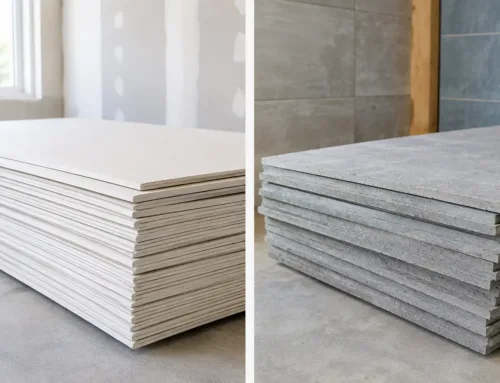
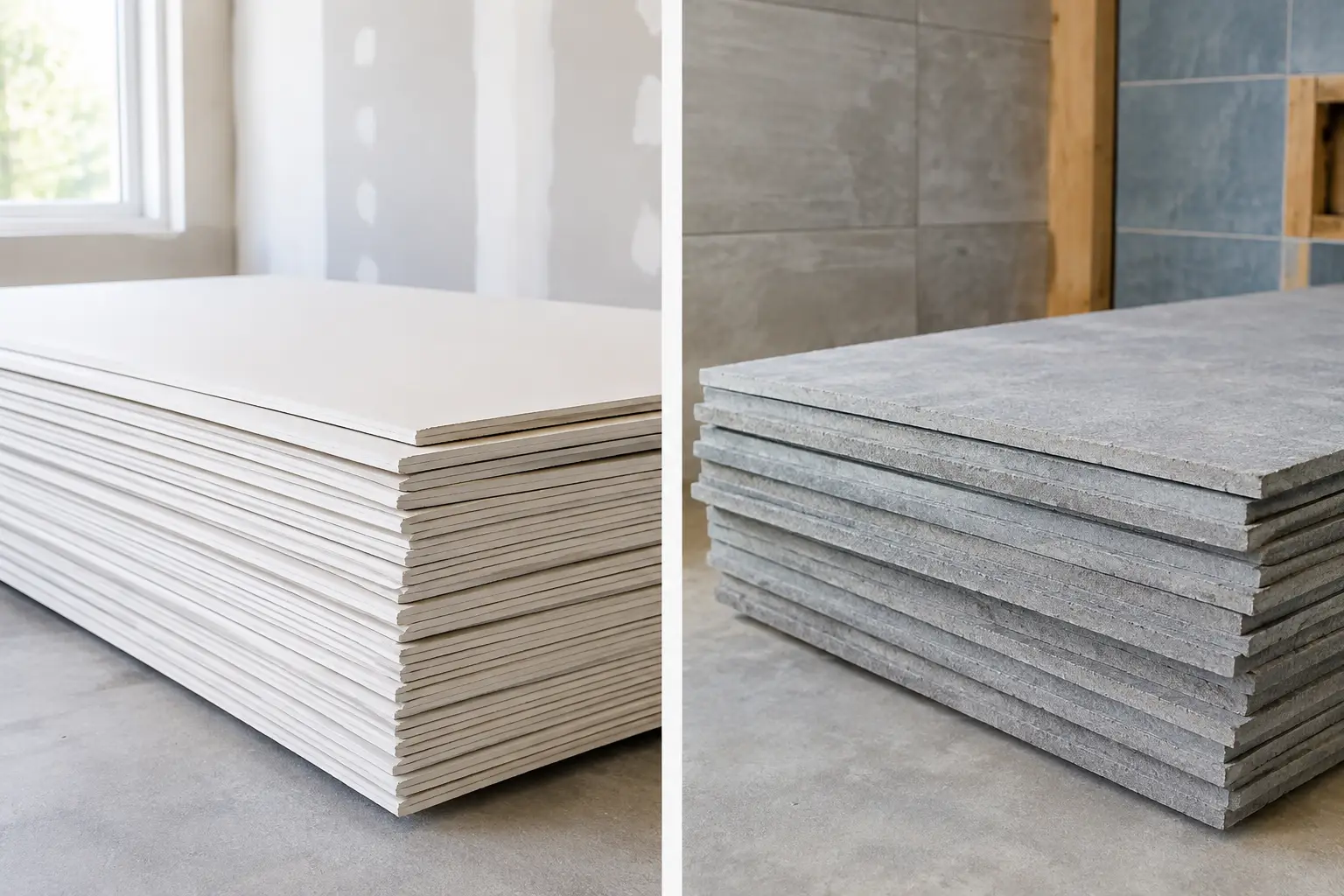
Full sheet replacement is often the better value when the damage extends beyond one isolated area. Drywall that is water-stained, swollen, sagging, soft, crumbly, or covered in multiple failed repairs may not provide a dependable surface for another patch. Replacing the affected board gives the wall or ceiling a clean foundation again.
Water damage is one of the clearest reasons to consider replacement. Drywall absorbs moisture quickly, and its gypsum core can weaken even after the surface feels dry. If a roof leak, burst pipe, appliance leak, or bathroom moisture issue has affected a broad area, removing the damaged drywall allows the framing and insulation behind it to be inspected. The source of the moisture must be corrected first. Installing new drywall over an unresolved leak only delays the next repair.
Ceilings deserve extra caution. A stained ceiling may be repairable when the board remains flat and firm, but sagging drywall or loose fasteners should not be ignored. Ceiling sheets carry their own weight, and moisture can compromise their hold. Replacing the affected section or full sheet is often the safer route when there is movement, bowing, or widespread water damage.
Replacement also becomes more efficient when a wall has extensive damage across several locations. A series of large patches can create many joints to tape, coat, sand, and texture. At a certain point, removing one sheet and installing a new one produces a flatter, cleaner result with fewer opportunities for visible seams. This is common in remodels after electrical, plumbing, or HVAC work has opened multiple sections of a wall.
Patch Drywall or Replace Sheet: The Questions That Matter
The best repair decision starts with an honest assessment, not a one-size-fits-all rule. A professional drywall contractor will look beyond the hole or stain and consider the full condition of the surface.
First, ask whether the drywall is still structurally sound. Firm drywall with clean edges is a good candidate for patching. If the paper face is peeling away, the gypsum has softened, or the board breaks apart easily, replacement is generally the more durable option.
Next, consider why the damage happened. An accidental hole is different from a crack that keeps returning. Repeated cracks can point to framing movement, settling, loose drywall, or an improperly taped joint. The visible crack can be repaired, but the cause needs attention or the problem may reappear.
Then look at access and layout. Standard drywall sheets are large, so full replacement can require moving furniture, protecting floors, and opening up enough workspace to handle material safely. In a tight stairwell, finished basement, or furnished room, a well-executed patch may be less disruptive. On the other hand, a wall already opened from floor to ceiling may be a strong candidate for replacement while the area is accessible.
Finally, think about the final finish. If the whole room will be painted, a larger repair may blend easily once primed and painted. If only one small area is being repaired on a wall with faded paint or a difficult texture, matching the appearance can take more care. Drywall work is not complete when the compound dries. It is complete when the surface is smooth, the texture blends, and the wall is ready for paint.
Why Small DIY Repairs Can Become Noticeable Later
Many homeowners can handle a tiny nail hole with lightweight spackle. Larger patches are different. They need solid backing, the right joint tape, thin coats of compound, proper drying time, and controlled sanding. Applying compound too heavily or sanding too aggressively can leave ridges, dips, bubbles, or fuzzy paper edges that become obvious in side lighting.
The biggest challenge is often not filling the opening. It is making the repair disappear. Natural light from a window, recessed lights, and hallway fixtures can expose uneven surfaces that seemed fine during the repair. Ceiling work is even less forgiving because texture and light reveal every variation.
There is also a practical safety issue with water-damaged materials. When moisture has been present, the work may involve finding hidden damage behind the wall, removing compromised insulation, and making sure the area is dry before closing it back up. A cosmetic patch is not the right answer when the cavity itself needs attention.
A Professional Repair Protects the Finish
Experienced drywall work keeps the process focused and clean. The work area should be protected, loose material should be removed instead of covered, and repairs should be built on stable drywall and framing. After taping and finishing, the surface should be checked under proper lighting before texture or paint preparation.
For homeowners in Monroe, Downriver, and Southeast Michigan, TDM Drywall helps determine whether a focused patch or drywall replacement will provide the best long-term result. With more than 32 years of hands-on experience, the team handles wall and ceiling repairs, water-damaged drywall, texture matching, skim coating, and paint-ready finishing with family-run accountability.
If the drywall is dry, stable, and damaged in one contained spot, a quality patch is often the smart repair. If moisture, movement, widespread damage, or weakened board is involved, replacing the affected sheet can prevent a temporary fix from becoming a repeat problem. A clear inspection before work starts is the simplest way to protect both your walls and your budget.