

A buyer can overlook an older kitchen cabinet. They are much less likely to overlook a ceiling stain, a crack running down the living room wall, or a patch that does not match the surrounding texture. Those details make people wonder what else has been neglected. That is why the best repairs before home sale are usually the visible, confidence-building fixes that make a house feel cared for from the first showing.
Before putting money into upgrades, focus on condition. A clean, paint-ready wall or ceiling gives every room a better starting point, whether the home is a modest ranch in Monroe or a larger property in Downriver. The goal is not to make every surface brand new. It is to remove the issues that distract buyers, complicate inspections, or give a home an unfinished appearance.
Best Repairs Before Home Sale: Start With What Buyers See
Walk through the home as if you were seeing it for the first time. Stand at the front entry, then move room by room with the lights on. Look up, look across each wall, and pay attention to transitions around doors, windows, trim, and ceilings. Buyers notice the same things because they are trying to decide whether the home will need work immediately after closing.
Minor repairs often have an outsized effect on that decision. Nail holes, dings from furniture, scuffed corners, failed caulk, and loose outlet covers are inexpensive to address but can make a room look neglected when they accumulate. Larger issues deserve more attention, especially water damage, cracked drywall, damaged plaster, and uneven ceiling repairs.
A good rule is simple: repair flaws that are visible from across the room, visible in listing photos, or likely to prompt a buyer to ask a question. Leave purely cosmetic preferences, such as replacing a sound but dated feature, for a careful cost-benefit decision.
Repair Water Damage Before It Becomes a Bigger Concern
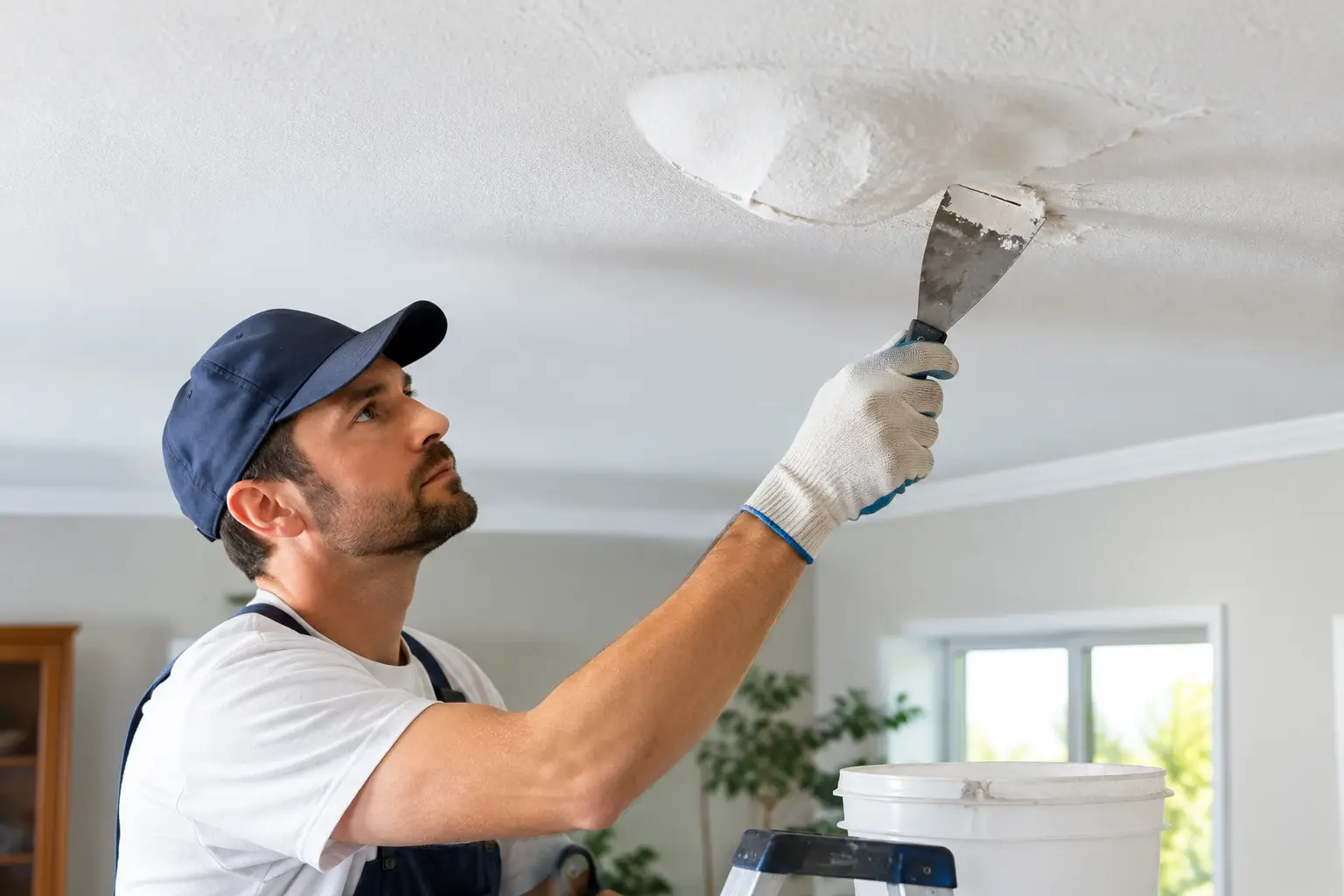
A water-stained ceiling is one of the first things buyers notice, and simply painting over it is rarely the right answer. The source of moisture must be found and corrected first. It may be a roof issue, a plumbing leak, condensation, or a past problem that has already been repaired. Until that question is answered, a fresh coat of paint can look like an attempt to hide damage.
Once the area is dry and the cause is resolved, damaged drywall or plaster should be evaluated for replacement or repair. Soft drywall, sagging ceiling material, mold growth, or discoloration that returns are signs that the material needs more than a surface touch-up. Proper repair creates a stable, clean surface that can be finished and painted with confidence.
This is one place where cutting corners can cost more later. A buyer who sees an active-looking stain may assume roof trouble, plumbing trouble, or mold, even if the real issue was small and already fixed. Clear repairs and a clean finish reduce that uncertainty.
Make Drywall Repairs Disappear, Not Just Look Patched
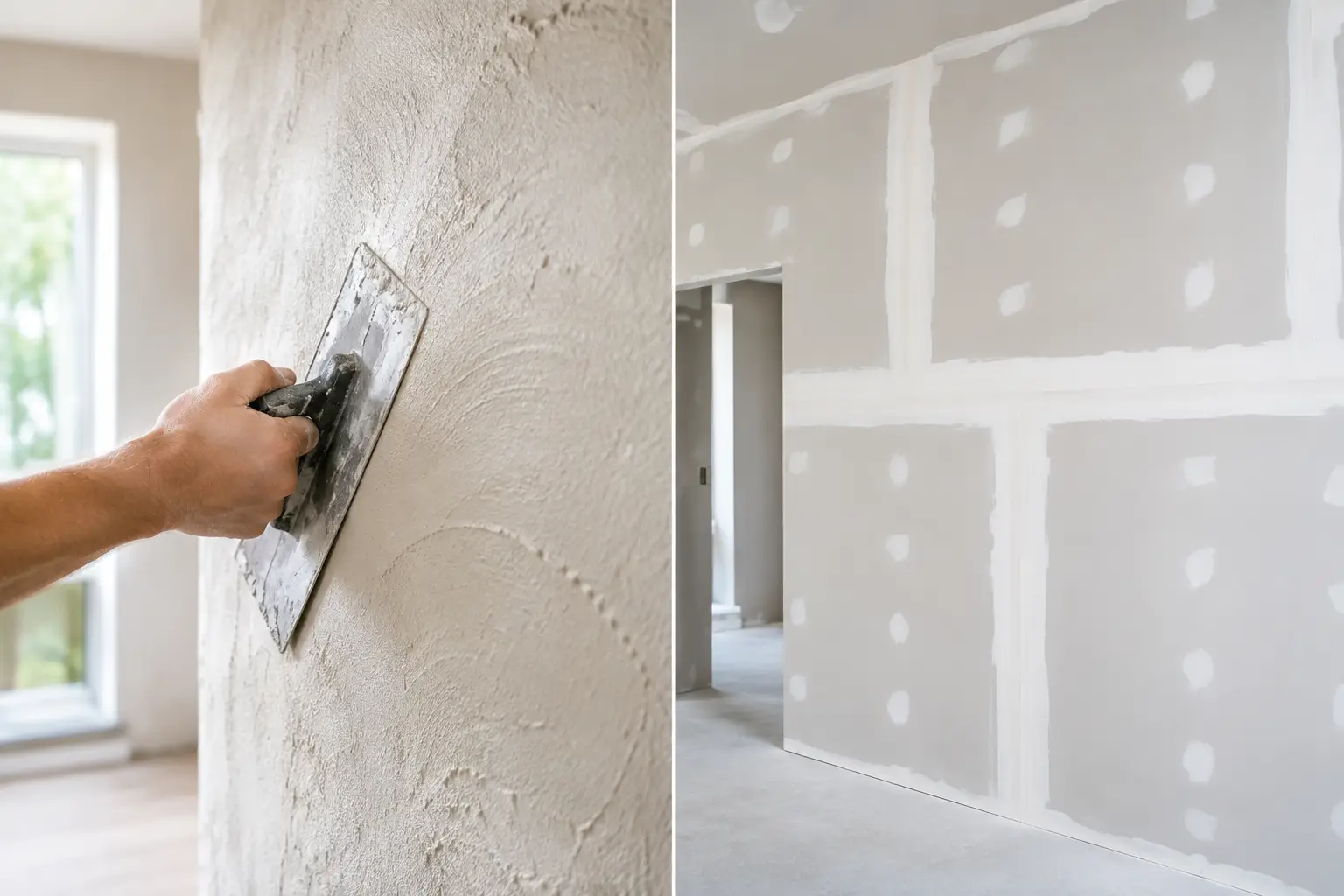
Drywall damage is common in lived-in homes: door-handle holes, furniture dents, settlement cracks, removed shelving, old television mounts, and repairs left behind after plumbing or electrical work. The challenge is not only filling the hole. The repaired area has to blend with the rest of the wall.
A patch that is too smooth on a textured wall, or a rough patch on a smooth wall, can draw more attention than the original damage. Uneven sanding, flashing through paint, visible tape lines, and mismatched orange-peel texture are especially noticeable in natural light. In listing photographs, those imperfections can make a room appear less polished than it is.
Cracks Need the Right Diagnosis
Not every crack means the same thing. Hairline cracks near doors, windows, or ceiling joints can occur as homes settle and materials move with seasonal temperature changes. These may be straightforward to repair when there is no ongoing movement or moisture issue.
Wide, recurring, or shifting cracks deserve a closer look before cosmetic work begins. If a crack is related to structural movement, foundation concerns, or water intrusion, address the underlying condition first. Repairing the finish without solving the cause can lead to the same problem returning after the sale.
Texture Matching Is Worth Doing Well
Textured walls and ceilings are common throughout Southeast Michigan, particularly in older homes and homes with prior additions or remodels. Matching an existing texture takes experience, patience, and the right technique. A clean repair should not leave buyers searching for the edge of the patch.
For homeowners preparing to list, professional drywall finishing can be a practical choice when multiple rooms have damage, when ceilings need work, or when a repair will sit in a highly visible area. TDM Drywall brings more than 32 years of hands-on experience to patchwork, texture blending, plaster repair, and paint-ready finishing, with the clean workmanship sellers need before photographs and showings.
Do Not Ignore Ceilings
Ceilings are easy to postpone because they are overhead, but buyers look up. Cracks along a ceiling seam, sagging drywall, poorly repaired fixtures, and water stains can make an otherwise clean room feel uncertain. Because ceilings catch direct light and often have texture, repairs need to be flat, secure, and properly blended.
Popcorn ceilings require a more tailored decision. If the ceiling is in good condition, removal may not be necessary before selling. Removing it can improve a home’s look, but it adds cost, preparation, and time. It also requires appropriate testing and safe handling if the home is old enough that asbestos-containing material could be a concern. If the texture is damaged, stained, or peeling, repair or removal may make more sense than trying to disguise it.
Refresh High-Impact Surfaces Without Overimproving
Once repairs are complete, fresh neutral paint can make a home feel brighter and more consistent. Paint works best after drywall and plaster surfaces are properly prepared. Painting over dents, cracks, patches, and stains only makes the flaws easier to spot under fresh color.
The same principle applies to trim, caulk, and hardware. Clean up chipped baseboards, replace broken switch plates, recaulk obvious gaps around tubs or sinks, and make sure doors close properly. These are not glamorous projects, but they help buyers feel that routine maintenance has been handled.
Be cautious about expensive upgrades that do not fit the home or neighborhood. Replacing a functioning kitchen solely because it is dated may not return what it costs. In many cases, clean surfaces, working systems, good lighting, and a well-maintained appearance do more for a sale than a rushed renovation chosen for someone else’s taste.
Know Which Repairs Should Come First
When time or budget is limited, prioritize repairs in this order: active water or safety concerns, visible wall and ceiling damage, items likely to arise during inspection, and then smaller cosmetic details. This approach protects the home while also improving its presentation.
Ask your real estate agent what buyers in your price range are reacting to locally. A home that will be marketed as move-in ready needs a higher level of finish than a property clearly priced for renovation. Honest positioning matters. If an issue cannot be repaired before listing, disclose it appropriately rather than covering it with a temporary fix.
For most sellers, the best repairs before home sale are not about chasing perfection. They are about giving buyers fewer reasons to hesitate. Repair the damage they can see, correct the cause of any moisture problem, and make walls and ceilings look clean, solid, and ready for the next chapter.