
A wall can look perfectly smooth under fresh paint and still be built in two very different ways. That distinction matters when you are remodeling, repairing water damage, matching an older room, or choosing finishes for a new addition. In the veneer plaster versus drywall decision, the better option depends less on a universal winner and more on your home’s age, the finish you want, the condition of the existing walls, and how future repairs may need to be handled.
For many homes in Monroe, Downriver, and Southeast Michigan, drywall is the practical standard. Veneer plaster remains a strong choice in specific applications, especially when homeowners want a harder, more refined plaster finish. Knowing what separates the two helps you make a decision based on the work in front of you, not just the material name.
What Is Veneer Plaster?
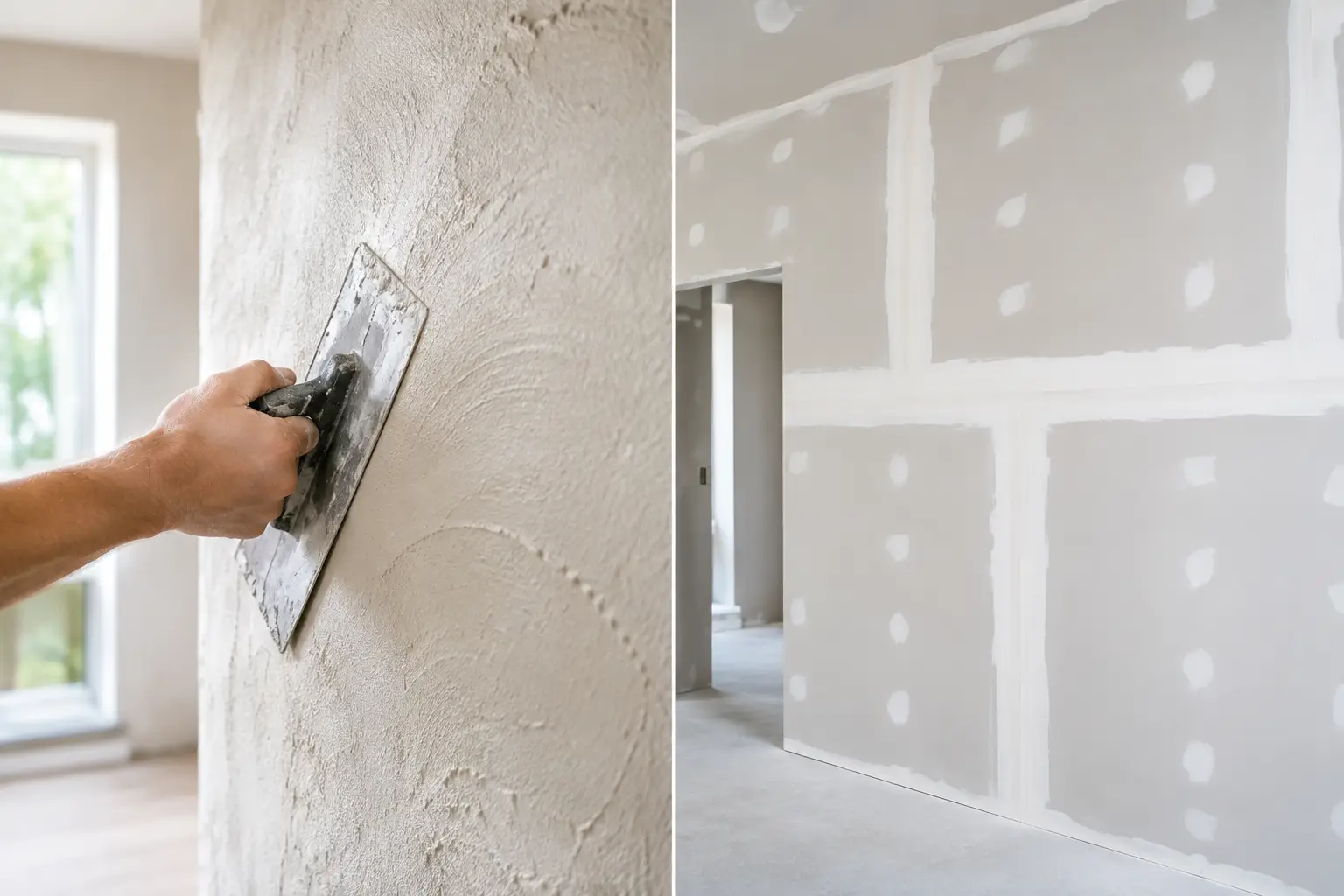
Veneer plaster is a thin plaster finish applied over specially made gypsum board, often called blueboard. It is not the same as traditional three-coat plaster installed over wood or metal lath. Traditional plaster walls are built up in multiple layers and are common in many older homes. Veneer plaster uses a modern board substrate with one or two thin plaster coats over it.
The result is a hard, smooth surface that has the solid feel associated with plaster but can be installed more efficiently than old-fashioned lath-and-plaster construction. Depending on the system and room conditions, a contractor may use a one-coat finish or a base coat followed by a finish coat.
Veneer plaster is usually selected for its appearance and durability. It can create a very flat, clean finish with crisp corners and a more substantial feel than standard drywall. But it requires the right materials, proper timing, and a contractor who understands how plaster behaves as it sets.
What Is Standard Drywall?
Drywall consists of gypsum panels fastened to framing, followed by taped seams and layers of joint compound. The installer feathers the compound over joints, corners, screws, and repairs, then sands and finishes the surface for paint or texture.
It is the most common wall and ceiling system in modern residential and commercial construction for good reason. Drywall is widely available, adaptable, efficient to install, and straightforward to repair. It works well for everything from a small wall patch to a full basement finish, remodel, addition, or office build-out.
A quality drywall finish should not look like a series of taped panels. When seams are properly finished, corners are straight, and the surface is prepared for the lighting in the room, drywall can provide a clean, paint-ready result that holds up well for years.
Veneer Plaster Versus Drywall: The Main Differences
The most noticeable difference is surface hardness. Veneer plaster dries into a denser, harder finish than typical drywall joint compound. That can make it more resistant to everyday scuffs and minor impacts, which is appealing in busy hallways, stairways, and high-use rooms.
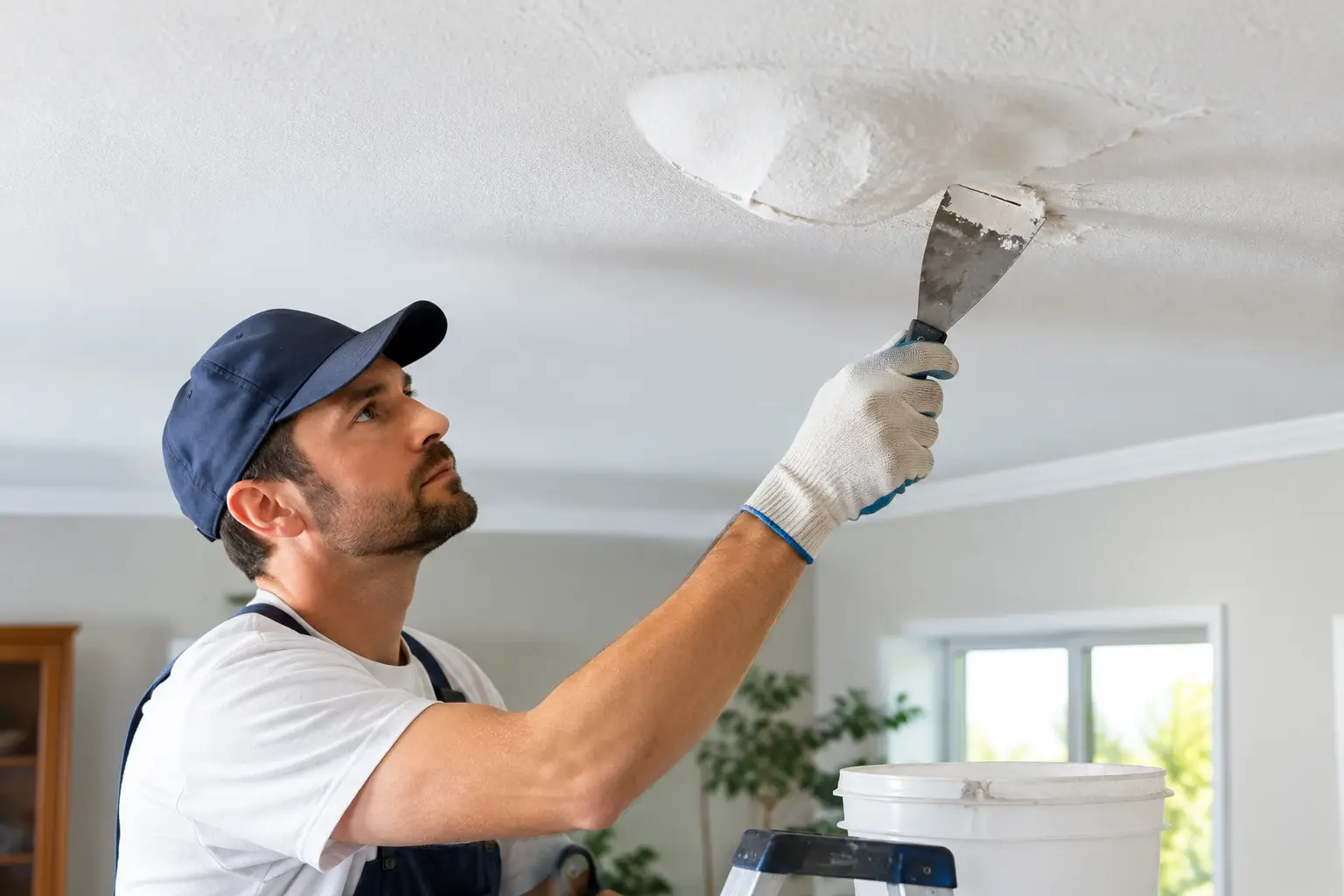
Drywall is generally more forgiving when damage does happen. A dent, hole, or opened wall section can often be patched, taped, skimmed, sanded, and repainted with relatively predictable results. Plaster repairs can look excellent, but matching the exact texture, thickness, and surrounding finish takes more specialized work.
The installation process is different as well. Drywall finishing involves multiple coats of compound with drying time between coats, followed by sanding. Veneer plaster is applied wet and sets chemically, so the crew must work efficiently and control the finish while the material is workable. That is one reason plaster work is not a material to hand off to an inexperienced installer.
There is also a visual difference, though it may be subtle after paint. Veneer plaster can have a smoother, more monolithic look because the finish covers the full wall surface. Standard drywall can achieve a very smooth Level 5-style finish when needed, but it may require additional skim coating and careful surface preparation, particularly under strong natural light or glossy paint.
Cost Depends on the Scope, Not Just the Material
Veneer plaster often costs more than standard drywall because it uses specialty board and plaster materials and demands skilled application. The higher price may be worthwhile when the finish itself is a priority or when the project calls for a hard plaster surface throughout.
For most straightforward renovations, drywall is usually the more cost-effective choice. It is especially practical when the project includes new framing, insulation, electrical changes, access panels, or future modifications. Since drywall is familiar to most trades and easy to source, it often keeps a larger project moving on schedule.
Repair costs deserve equal attention. A small drywall repair is usually less involved than repairing veneer plaster. If a pipe leak opens a ceiling, a moving accident punches a hole in a wall, or electrical work requires access later, drywall gives homeowners a simpler path back to a paint-ready surface.
That does not mean plaster is the wrong investment. It means the expected use of the space should guide the decision. A formal living room or carefully restored older home may justify plaster. A basement remodel, rental turnover, or family room that may see future changes may favor drywall.
Which Option Works Better in Older Homes?
Older homes frequently bring a third factor into the conversation: existing plaster. If your house already has traditional plaster walls, replacing damaged areas with drywall can be practical, but it may create differences in wall thickness, texture, and trim alignment. A skilled contractor can address those transitions, but they should be evaluated before work begins.
When existing plaster is stable but has cracks, holes, loose areas, or worn texture, repair and skim coating may preserve the character of the home without requiring full replacement. If plaster is extensively loose, water-damaged, or failing across large sections, removal and drywall replacement may be the more reliable long-term solution.
Veneer plaster can sometimes provide a useful middle ground in an older-home renovation. It offers a plaster finish over modern board, but it still needs to be planned around existing framing, trim, electrical boxes, and wall depth. There is no one-size-fits-all answer after years of settlement, past repairs, and moisture exposure.
Moisture Damage Changes the Priorities
Neither veneer plaster nor drywall should simply be covered over after a leak. The source of moisture must be corrected first, and wet, swollen, mold-affected, or structurally compromised materials should be assessed before repairs begin.
Drywall exposed to significant water often softens, stains, or loses its integrity. Removing the affected section, drying the cavity, and installing new material is often the cleanest repair. Plaster can sometimes survive limited moisture better on the surface, but water can still cause staining, delamination, rusting at metal lath, or failure behind the finished face.
The goal is not just to make the stain disappear. A proper repair restores a sound wall or ceiling, matches the surrounding texture where needed, and leaves a finish ready for primer and paint.
Choosing the Right Finish for Your Project
Choose veneer plaster when you want a hard, refined finish, are building or renovating with the proper blueboard system, and value the look and feel of plaster enough to support the added labor and material cost. It can be an excellent finish in the right hands and the right setting.
Choose drywall when you need a versatile, efficient system for a remodel, addition, basement, commercial space, or repair. It is also the sensible choice when future access, patching, or changes are likely. With proper installation, seam work, skim coating where appropriate, and careful texture matching, drywall delivers a clean finish that does not look like a compromise.
The best first step is an on-site evaluation of the existing walls, lighting, moisture history, trim details, and desired paint finish. TDM Drywall brings more than 32 years of hands-on experience to drywall and plaster repairs across Southeast Michigan, with the straightforward communication and clean workmanship a finished room deserves. The right wall system is the one that fits your home, your budget, and the years of use ahead.