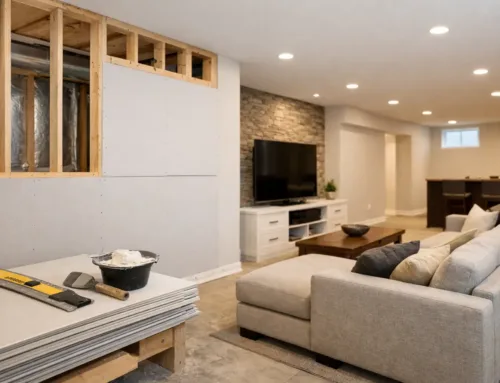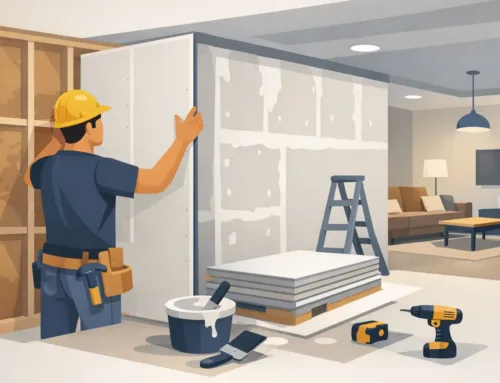


A new wall can look simple under fresh paint, but the work behind that finished surface determines whether it stays straight, smooth, and crack-free. Hiring the right drywall installation contractor matters for basement finishing, remodeling, additions, commercial build-outs, and any project where you want a clean, paint-ready result instead of problems that surface after the crew leaves.
Drywall installation is more than fastening sheets to framing. It requires planning around layout, electrical boxes, windows, doors, ceiling lines, seams, corners, and the final texture. A dependable contractor knows how each step affects the next one and takes pride in details that are easy to miss until they go wrong.
What a Drywall Installation Contractor Should Handle
A professional installation starts before the first sheet goes up. The contractor should inspect the framing, look for bowed studs or uneven ceiling joists, confirm where insulation and utilities run, and identify areas that may need backing or repair. Drywall cannot correct every framing issue on its own. If the structure runs out of line, the finished wall may reveal waves, cracked seams, or uneven trim later.
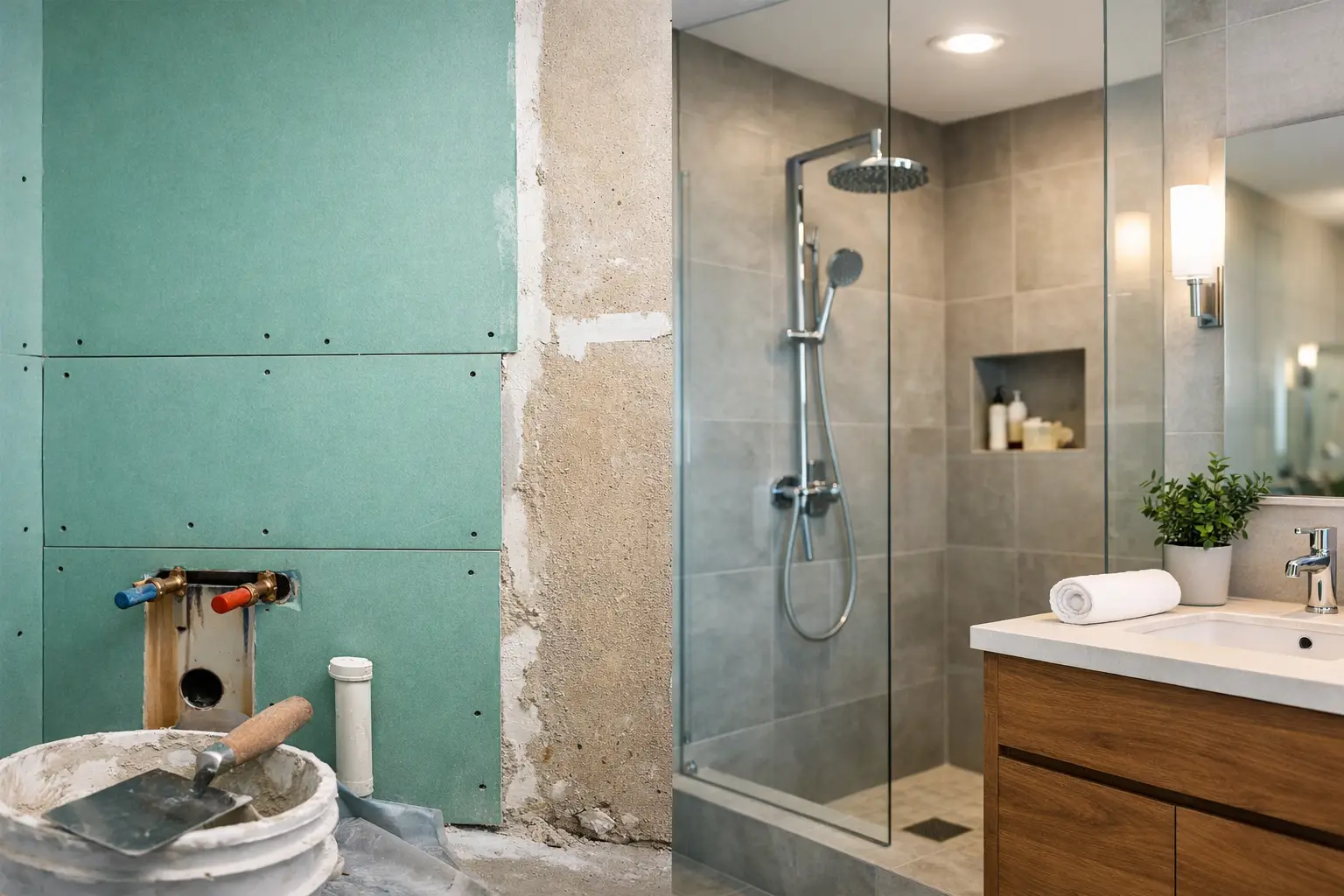
Material selection also matters. Standard drywall suits many dry interior spaces, but bathrooms, laundry rooms, basements, garages, and utility areas may call for moisture-resistant panels or other specialty products. Codes often call for fire-rated drywall between an attached garage and living space, around certain mechanical areas, or in commercial settings. A qualified contractor will recommend the right material for the space rather than treating every room the same.
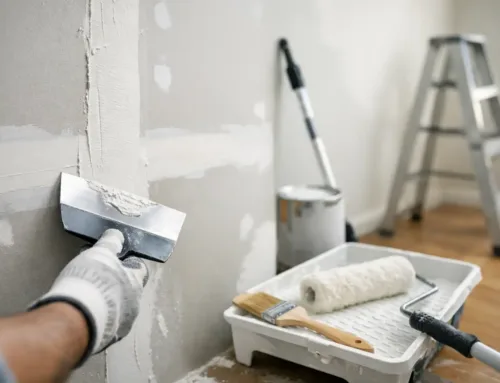
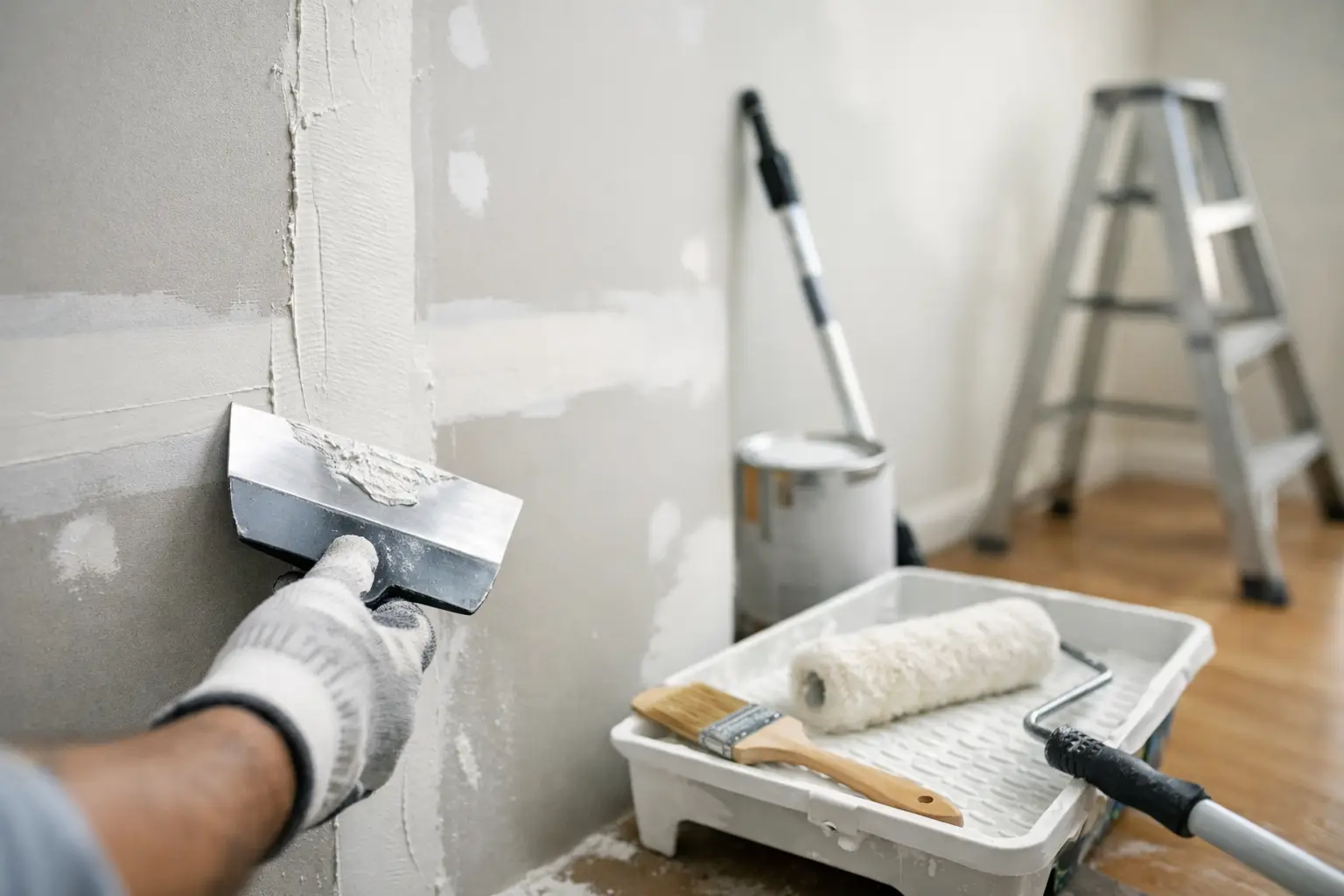
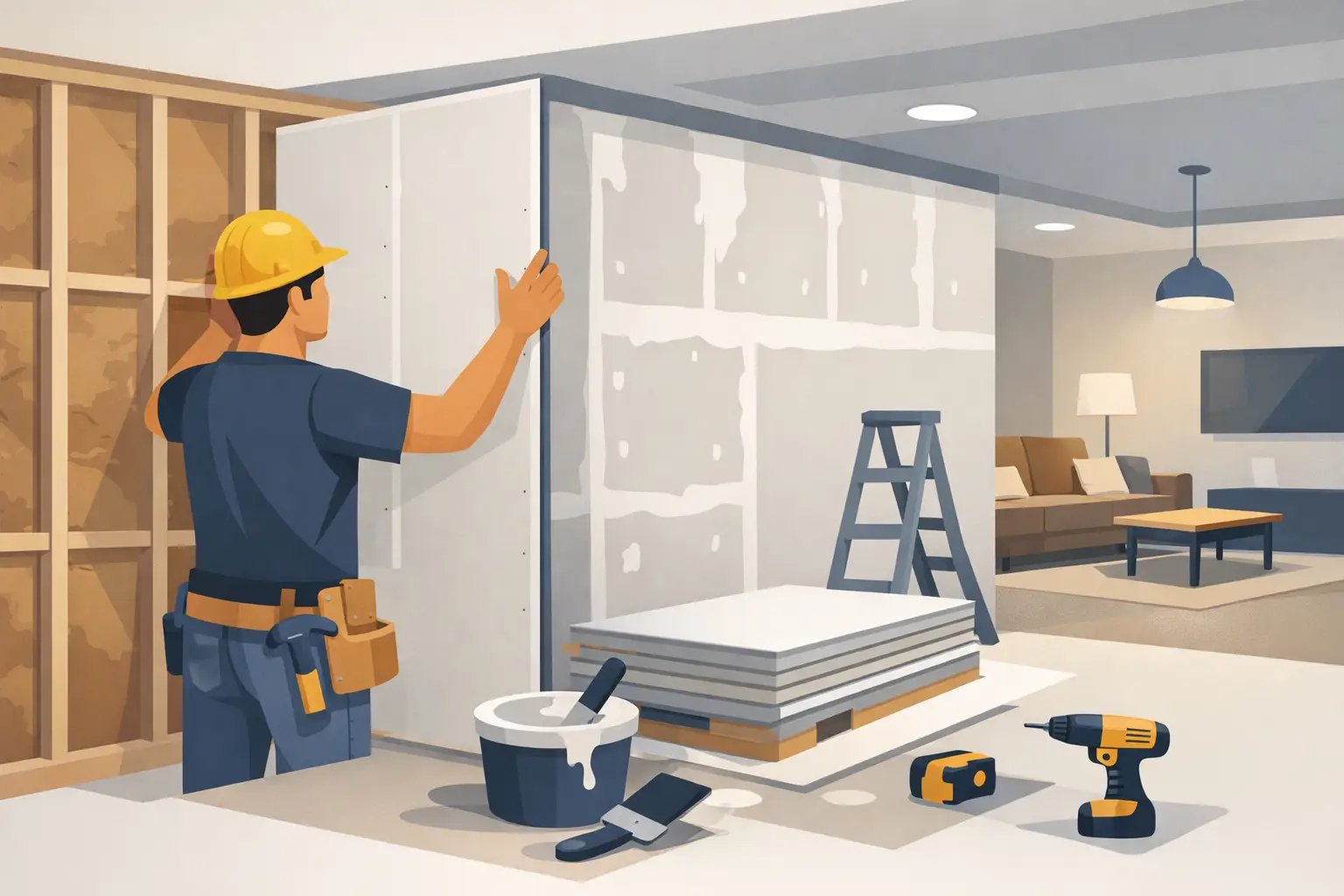
From there, the work should include accurate hanging, secure fastening, proper seam placement, corner bead installation, taping, multiple finishing coats, sanding, and texture application where the room calls for it. The goal is not simply to cover the framing. The goal is a continuous finished surface that looks right under normal lighting and holds up through daily use.
For homeowners, this matters most in open rooms and hallways where sunlight can run across a wall. Poorly finished seams, ridges, fastener pops, and uneven patches often become far more visible once primer and paint go on.
Why Installation Quality Shows Up Later
A wall can look acceptable on the day the crew finishes it and still develop issues months later. Seasonal movement, humidity changes, settling, and regular use put stress on drywall joints. Good installation practices help manage that movement.
For example, a careful hanger plans seams across the room rather than clustering them in one area. Proper fastener spacing holds panels firmly without breaking the paper face. Joints need enough compound and drying time between coats to create a smooth transition, not a shallow seam that shows after painting. Corners need durable bead and clean finishing because they take more impact than flat walls.
Ceilings demand the same attention. They are often the hardest area to finish because side lighting can reveal every imperfection. A contractor who rushes ceiling seams or skips the final inspection may leave a surface that looks uneven once the lights go in.
There are also situations where a full replacement is smarter than repair. Water-damaged drywall, extensive cracking, mold concerns, or old wall surfaces with repeated patches may not provide a reliable base for new finishing. An experienced contractor should explain the trade-off clearly. Repairing a small, isolated area can be efficient and cost-effective. Replacing a larger compromised section may provide a cleaner and longer-lasting result.
How to Choose the Right Drywall Installation Contractor
Price matters, but the lowest quote does not always reflect the full scope of work. One estimate may include hanging and a basic tape coat, while another includes complete finishing, sanding, texture matching, cleanup, and preparation for paint. Comparing totals without comparing the details can lead to surprises.
Ask prospective contractors how they define a finished job. On most remodeling and residential projects, homeowners want drywall ready for primer and paint, with smooth seams, clean corners, and a texture that blends with the rest of the room. If the project includes existing walls, ask how the contractor will handle transitions between new and old surfaces.
Clear communication is another sign of a dependable company. You should know when the crew arrives, what areas you need to clear, how they will manage dust and debris, and whether the work happens in stages. Drywall finishing requires drying time, so a professional schedule accounts for more than one visit in many cases. Promises of an unrealistically fast turnaround usually mean somebody is rushing the work before the materials can cure.
It also helps to ask these practical questions before work begins:
- Does the contractor carry a license and insurance for this type of work?
- Does the quote spell out materials, finishing, texture, and cleanup?
- How will the crew match existing textures, corners, and transitions?
- What schedule do you expect, including drying time between finish coats?
- Who becomes your point of contact if the project scope changes?
The answers should be direct and specific. A contractor does not need to make the process complicated, but they should be able to explain what they are doing and why.
Experience Matters Most at the Finish Stage
Many people think drywall work is primarily about hanging panels. In reality, the finish stage is where craftsmanship shows. Taping and mudding require a practiced eye, especially around butt joints, inside corners, ceiling lines, patches, and areas with strong natural light.
Texture matching takes that skill a step further. Orange peel, knockdown, hand-applied textures, and older plaster-like finishes can vary from room to room. A close match requires test applications, patience, and an understanding of how the material will look once it dries and takes paint. A texture that runs too heavy or too uniform can make a repair stand out instead of disappear.
This is one reason local homeowners and property managers often choose a specialist rather than handing drywall finishing to a general labor crew. A dedicated drywall professional works with these surfaces every day and knows how to correct issues before paint makes them permanent.
Preparing Your Home or Job Site
A little preparation helps the project move efficiently and protects the rest of the property. Remove wall décor, small furniture, and valuables from the work area when possible. Cover or relocate larger furniture that will not move easily. Make sure the contractor has a clear path to bring in materials and carry out debris.
Drywall sanding creates fine dust even with careful containment. Ask how the crew will protect flooring, doorways, and nearby rooms. In occupied homes, the best approach depends on the size of the project. A single-room remodel usually isolates cleanly. A whole-house renovation needs a more detailed plan for access, cleanup, and keeping living spaces usable.
Commercial projects need similar coordination. Property managers and business owners should discuss work hours, tenant access, noise, safety requirements, and whether the crew must phase the work to keep operations moving. The right contractor will respect the schedule while still allowing adequate time for quality finishing.
A Local Partner for New Drywall Work
For projects in Monroe, Downriver, and Southeast Michigan, local experience is valuable. Contractors who work in the area understand the mix of older homes, newer construction, finished basements, rental properties, and small commercial spaces that shape the work. They also understand that homeowners want straightforward answers, fair estimates, and a crew that treats the property with care.
TDM Drywall brings more than 32 years of hands-on experience to drywall installation, replacement, repair, finishing, skim coating, and texture matching. As a family-run, licensed and insured contractor, the focus stays on responsive communication, clean workspaces, and durable finishes ready for the next phase of the project.
The best time to address drywall concerns is before cabinets, trim, flooring, and paint make changes harder. Whether you are finishing a basement, building an addition, repairing water damage, or preparing a commercial space, choose a contractor who will look beyond the sheets of drywall and deliver the smooth, lasting surface your project deserves.
TDM Drywall has been hanging and finishing drywall for over 32 years, working with homeowners, builders, and property managers throughout Monroe and the Downriver area.